Key takeaways:
Lutein is an antioxidant that helps keep your eyes healthy. Getting lutein from food or supplements may lower your risk of age-related vision problems.
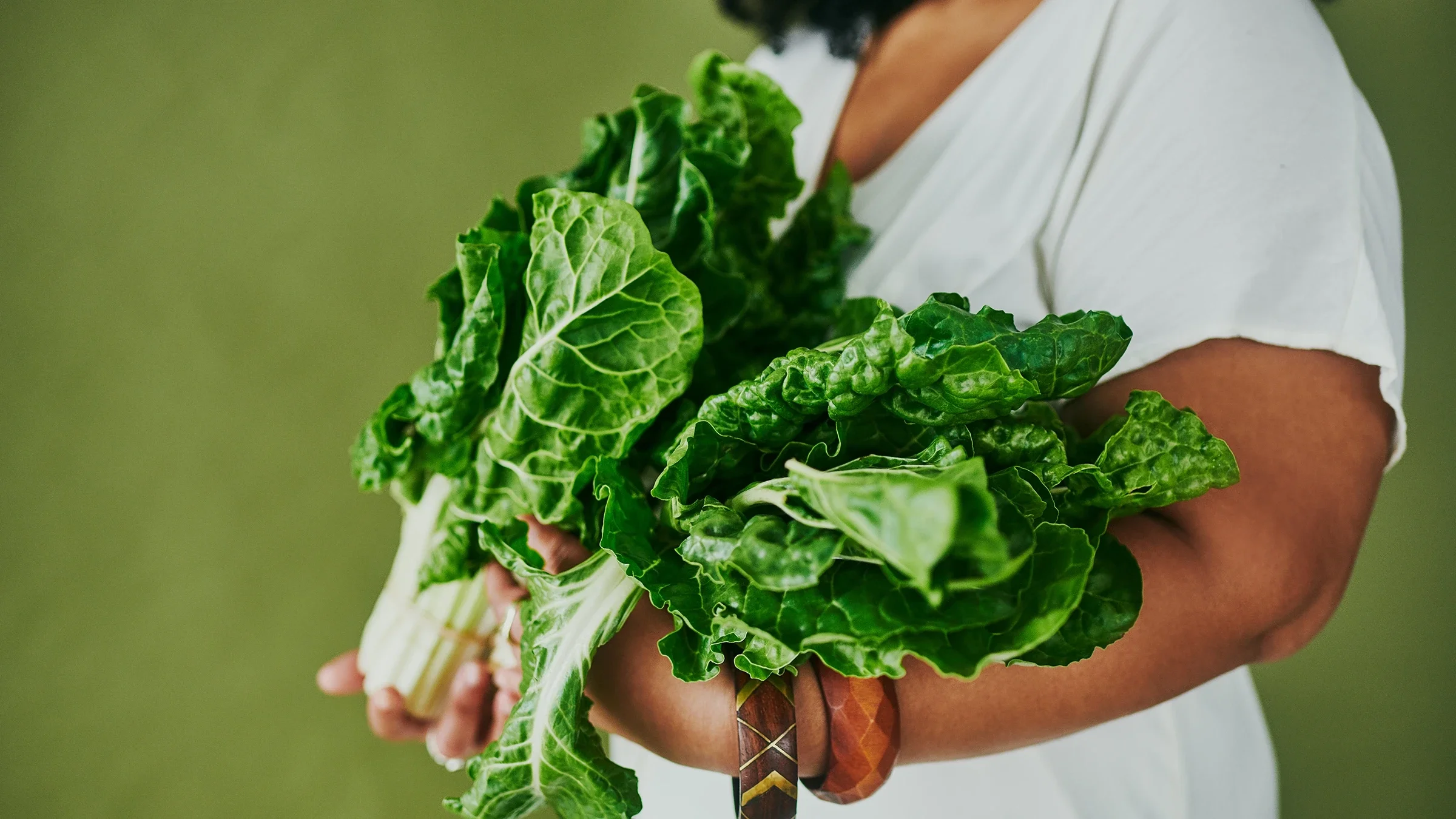
Foods high in lutein include green leafy vegetables like spinach and kale, as well as eggs, peas, zucchini, and red peppers.
Eating a variety of foods high in lutein supports not just your eyes, but also your heart, brain, and skin health.
Between sunlight, reading, and using screens, your eyes take on a lot of daily strain. One nutrient that may help protect them from daily stress is lutein. Lutein is a type of carotenoid. Carotenoids are plant compounds that give many fruits and vegetables their vibrant colors and act as antioxidants in your body.
Lutein may be best known for its effect on your eyes, but its benefits go beyond vision. It may also support your heart and keep your brain healthy as you age.
People may not think about how much lutein they’re getting each day or which foods contain it. So let’s look at which foods are high in lutein and why it matters.
1. Kale
Kale is one of the most concentrated food sources of lutein — especially when it’s raw. This is because cooking kale can break down some of the lutein and decrease the amount your body can absorb. But cooked kale still provides lutein and plenty of other nutrients like fiber, iron, and calcium.
Lutein content: 22 mg (per cup, raw)
2. Spinach
If you’re not a fan of kale, you can still get plenty of lutein from other leafy greens, like spinach. All kinds of raw spinach — fresh, frozen, or canned — have the same high amount of lutein. But as with kale, cooking spinach decreases the amount of lutein your body can absorb.
Spinach is also packed with nutrients like phytochemicals. These are plant compounds that support your immune system, skin, and bones. And spinach is higher in iron than other vegetables.
Lutein content: 7 mg (per cup, raw)
3. Corn
Corn gets its vibrant yellow color from lutein. It also provides protein, fiber, and complex carbohydrates, which make it more nutritious than many people realize.
Corn is easy to add to many dishes like soups, salads, casseroles, and grain bowls. This makes it easy to increase your lutein intake. Even popcorn has lutein.
Lutein content: 3 mg (per cup, cooked)
4. Peas
Green peas might not be the first food you think of for eye health. But peas are an excellent source of lutein. Peas also have more protein and fiber than most other veggies. Frozen peas are very versatile since they cook quickly and are easy to add to soups, pastas, and rice dishes.
Lutein content: 2.5 mg (per cup, canned)
5. Zucchini
Zucchini — along with other summer squashes — contains some lutein. Because it’s low in calories and high in fiber and water, it’s a great food for supporting weight management. Zucchini is also full of vitamin C, potassium, and magnesium. Its mild flavor means it works well in savory dishes or can be grated or shredded into baked goods.
Lutein content: 2 mg (per cup, cooked)
6. Brussels sprouts
Brussels sprouts are one of the healthiest vegetables you can eat. Like other cruciferous veggies, they’re low in calories, high in fiber, and rich in nutrients. According to the National Foundation for Cancer Research (NFCR), Brussels sprouts may have anti-cancer properties. Just remember that eating a lot at once can make you gassy.
Lutein content: 2 mg (per cup, cooked)
7. Green beans
Green beans are high in fiber, but low in calories and carbohydrates. Eating green beans may support heart health by reducing inflammation and helping maintain healthy cholesterol levels. To keep — or even boost — their heart-healthy effects, try sauteing green beans in a nutritious fat like olive oil or avocado oil.
Lutein content: 0.8 mg (per cup, cooked)
8. Carrots
Many people think of carrots when they think about foods that support eye health. And carrots do contain a small amount of lutein. But it’s another carotenoid, beta-carotene, that makes carrots particularly good for your eyes. Beta-carotene also supports your immune function and skin health. And carrots aren’t just for dipping. Try blending them into soups or drinking carrot juice.
Lutein content: 0.7 mg (per cup, chopped and raw)
9. Eggs
Eggs contain a small amount of lutein. But your body can absorb the lutein in eggs better than the lutein in many other foods. This is because of the fats in egg yolks. In one study, eating just one egg per day significantly raised participants’ lutein levels within a month. This makes eggs an unexpected lutein source — especially if you eat them regularly.
Lutein content: 0.25 mg (per egg)
What are the benefits of lutein?
Lutein may be best known for supporting vision, but its benefits go beyond the eyes. Here’s what research shows about the possible benefits of lutein.
Note: Most studies look at lutein and zeaxanthin together because they naturally show up together in foods.
Eye health
Lutein plays a major role in protecting your eyes from light-related strain. It collects in your retina, where it helps filter light and protect the retina from the harmful effects of ultra violet (UV) light. Lutein also helps your eyes recover faster after being exposed to bright light. It even improves “chromatic contrast,” which is your ability to tell colors apart.
Lutein may also help prevent age-related cellular damage. In one study, getting around 6 mg of lutein per day from food was linked to a 43% lower risk of developing age-related macular degeneration (AMD). AMD is a leading cause of vision impairment in adults over 50.
Some studies show vision benefits from lutein in food alone, while others use supplements. Both food and supplements can increase lutein levels in your retina.
Brain health
Lutein may help support brain health, especially as you get older. One review of studies suggests that taking lutein has beneficial effects on brain function and brain structure in older adults.
A separate study found that taking 10 mg of lutein helped with visual memory and learning, but it didn’t improve other types of memory, concentration, or mood. More research is needed to understand exactly how lutein affects your brain.
Heart health
People who consume more lutein may have better heart health. Higher lutein levels are linked to a lower risk of heart disease and atherosclerosis — a buildup of fatty deposits in your arteries. This is likely because of lutein’s anti-inflammatory effects.
Skin health
Lutein may help protect your skin from oxidative stress and inflammation caused by the sun’s UV rays.
One study found that taking 10 mg of lutein daily for 12 weeks led to less UV-related skin damage.
Some experts consider lutein part of an “inside-out” approach to protecting your skin and reducing signs of skin damage due to aging. But lutein isn’t a replacement for daily sunscreen use.
Cancer
Lab studies suggest that lutein may inhibit the growth of certain cancer cells. Some research suggests that increased lutein intake may be linked to a lower risk of kidney, bladder, and breast cancers. But to be clear, lutein isn’t a treatment for cancer. More large, long-term studies are needed to understand who may benefit most.
How much lutein do you need?
There aren’t established levels of daily recommended intake for lutein. That’s because researchers are still learning about its role in the body and how much is ideal. In many studies, people take 10 mg per day. But other studies use anywhere from 2 mg to 20 mg per day. Getting up to 20 mg per day (from diet or supplements) is considered safe.
Most people get about 1 mg to 3 mg of lutein each day from their diet. It’s possible to boost lutein through foods alone. But if you’re aiming to prevent certain eye conditions, like AMD, it may be easier to reach the higher amounts needed by taking a supplement. If you’re considering a lutein supplement, talk with a healthcare professional to find the right dose for you.
Frequently asked questions
Kale has the most lutein of any food, with 22 mg per cup. But all green leafy vegetables — including spinach, collard greens, Swiss chard, and mustard greens — provide lutein.
Blueberries don’t have as much lutein as green leafy vegetables, but they can still contribute to your intake. A cup of blueberries has 0.12 mg of lutein. Studies have also found that blueberries may slow the progression of age-related macular degeneration (AMD). Blueberries also offer benefits for brain health, weight loss, and gut health.
There isn’t one single “worst” food for your eyesight. But diets high in added sugars, refined carbohydrates, and fried foods may increase your risk for conditions that can harm your vision over time. Type 2 diabetes and heart disease are two examples.
Kale has the most lutein of any food, with 22 mg per cup. But all green leafy vegetables — including spinach, collard greens, Swiss chard, and mustard greens — provide lutein.
Blueberries don’t have as much lutein as green leafy vegetables, but they can still contribute to your intake. A cup of blueberries has 0.12 mg of lutein. Studies have also found that blueberries may slow the progression of age-related macular degeneration (AMD). Blueberries also offer benefits for brain health, weight loss, and gut health.
There isn’t one single “worst” food for your eyesight. But diets high in added sugars, refined carbohydrates, and fried foods may increase your risk for conditions that can harm your vision over time. Type 2 diabetes and heart disease are two examples.
The bottom line
Eating more foods high in lutein — like leafy greens, eggs, peas, and colorful vegetables — is an important way to support eye health. These foods may also support your brain, heart, and skin. Most people get only small amounts of lutein each day, so adding a few of these foods to your meals can make a difference. If you’re thinking about taking a lutein supplement, check in with a healthcare professional first to learn what dose may be right for you.

Why trust our experts?




References
American Macular Degeneration Foundation. (n.d.). Lutein & zeaxanthin concentration in fruits & vegetables.
Buscemi, S., et al. (2018). The effect of lutein on eye and extra-eye health. Nutrients.
Chung, H., et al. (2004). Lutein bioavailability is higher from lutein-enriched eggs than from supplements and spinach in men. Journal of Nutrition.
Chung, R. W. S., et al. (2017). Lutein exerts anti-inflammatory effects in patients with coronary artery disease. Atherosclerosis.
Chung, R. W. S., et al. (2019). Liberation of lutein from spinach: Effects of heating time, microwave-reheating and liquefaction. Food Chemistry.
Eom, J., et al. (2022). Lutein induces apoptosis of gastric cancer cells by producing reactive oxygen species via NADPH oxidase activation. Current Developments in Nutrition.
FoodDataCentral. (2019). Spinach, raw. U.S. Department of Agriculture.
Goodrow, E. F., et al. (2006). Consumption of one egg per day increases serum lutein and zeaxanthin concentrations in older adults without altering serum lipid and lipoprotein cholesterol concentrations. The Journal of Nutrition.
Grether-Beck, S., et al. (2017). Molecular evidence that oral supplementation with lycopene or lutein protects human skin against ultraviolet radiation: Results from a double‐blinded, placebo‐controlled, crossover study. BJD.
Hammond, B. R., et al. (2014). A double-blind, placebo-controlled study on the effects of lutein and zeaxanthin on photostress recovery, glare disability, and chromatic contrast. Investigative Ophthalmology & Visual Science.
Hussen, N. H. a., et al. (2025). Role of antioxidants in skin aging and the molecular mechanism of ROS: A comprehensive review. Aspects of Molecular Medicine.
Khalid, W., et al. (2023). Effects of traditional and novel cooking processes on the nutritional and bioactive profile of brassica oleracea (kale). Journal of Food Processing and Preservation.
Leemakers, E. T. M., et al. (2016). The effects of lutein on cardiometabolic health across the life course: A systematic review and meta-analysis. The American Journal of Clinical Nutrition.
Li, N., et al. (2021). Green leafy vegetable and lutein intake and multiple health outcomes. Food Chemistry.
Li, X., et al. (2024). Berries and their active compounds in prevention of age-related macular degeneration. Antioxidants.
Lopresti, A. L., et al. (2022). The effects of lutein and zeaxanthin supplementation on cognitive function in adults with self-reported mild cognitive complaints: A randomized, double-blind, placebo-controlled study. Frontiers in Nutrition.
Memorial Sloan Kettering Cancer Center. (2022). Lutein.
MyFoodData. (n.d.). Raw zucchini.
National Eye Institute. (2021). Age-Related Macular Degeneration (AMD). National Institutes of Health.
National Foundation for Cancer Research. (2020). Cancer-fighting food feature: Brussels sprouts.
NutritionValue.org. (n.d.). Blueberries, raw.
NutritionValue.org. (n.d.). Carrots, raw.
O’Hare, T. J., et al. (2015). Zeaxanthin biofortification of sweet-corn and factors affecting zeaxanthin accumulation and colour change. Archives of Biochemistry and Biophysics.
Papanikolaou, Y., et al. (2019). Egg consumption in U.S. children is associated with greater daily nutrient intakes, including protein, lutein + zeaxanthin, choline, α-linolenic acid, and docosahexanoic acid. Nutrients.
Ranard, K. M., et al. (2017). Dietary guidance for lutein: Consideration for intake recommendations is scientifically supported. European Journal of Nutrition.
Robers, R. L., et al. (2009). Lutein and zeaxanthin in eye and skin health. Clinics in Dermatology.
Stringham, J. M., et al. (2019). Lutein across the lifespan: From childhood cognitive performance to the aging eye and brain. Current Developments in Nutrition.
Torrey, G. (n.d.). Lutein for preventing macular degeneration. American Macular Degeneration Foundation.
U.S. Department of Agriculture. (n.d.). Abridged list ordered by nutrient content in household measure.
U.S. Department of Agriculture. (n.d.). Kale.
Williamson, L. (2022). Green beans can be one of the healthiest dishes at the holiday table. American Heart Association News.
Yagi, A., et al. (2021). Lutein has a positive impact on brain health in healthy older adults: A systematic review of randomized controlled trials and cohort studies. Nutrients.