Key takeaways:
Vegetables are low in calories, making them a key part of many weight-loss plans. But vegetables alone aren’t a miracle weight-loss solution.
Vegetables are filled with fiber and water. This combination helps you feel full, so you may consume fewer calories overall and lose weight.
In addition to supporting weight loss, the nutrients in vegetables help reduce the risk of health conditions, like cancer and heart disease.
Many diets for weight loss recommend that you eat plenty of vegetables. That’s because most vegetables are low in calories but add volume to meals, which may help you consume fewer calories overall.
Of course, it’s important to note that weight loss is complex. Vegetables alone aren’t the magic solution to weight management. But eating more vegetables is an important part of creating balanced and satisfying meals that protect your overall health.
Whether you prefer them fresh or frozen, raw or cooked, below are some vegetables that can help with your weight loss goals.
1. Asparagus
Asparagus has more fiber and protein than other low-calorie vegetables. It’s also a good source of B vitamins, including folate. Low levels of B vitamins may be linked to obesity, so it’s important to get enough.
One cup of raw asparagus contains:
Calories: 27
Carbohydrates: 5 g
Fat: 0 g
Fiber: 3 g
Protein: 3 g
Roast asparagus with a squeeze of lemon juice. Or peel spears with a carrot peeler and toss with dressing for a light salad.
2. Broccoli
Broccoli is a nutrient-dense member of the cruciferous vegetable family, which also includes cauliflower, chard, and bok choy. Broccoli's fiber, antioxidants, and vitamins and minerals can support:
Weight and metabolic health
Gut health
Heart health
And broccoli’s glucosinolate (the compound that gives it its bitter taste) may have anti-cancer properties.
One cup of raw broccoli contains:
Calories: 31
Carbohydrates: 6 g
Fat: 0 g
Fiber: 2 g
Protein: 2 g

Read more like this
Explore these related articles, suggested for readers like you.



Dip raw or steamed broccoli into hummus, yogurt dip, or favorite dressings. You can also roast or sauté it.
3. Cabbage
The “cabbage soup diet” was a popular weight-loss fad diet that started in the 1950s. The idea was to fill up on low-calorie cabbage soup for 7 days for quick weight loss. The diet has never been clinically studied to determine if it works. But cabbage is still recommended as a top vegetable for weight loss because it’s so low in calories and versatile.
One cup of raw cabbage contains:
Calories: 22
Carbohydrates: 5 g
Fat: 0 g
Fiber: 2 g
Protein: 1 g
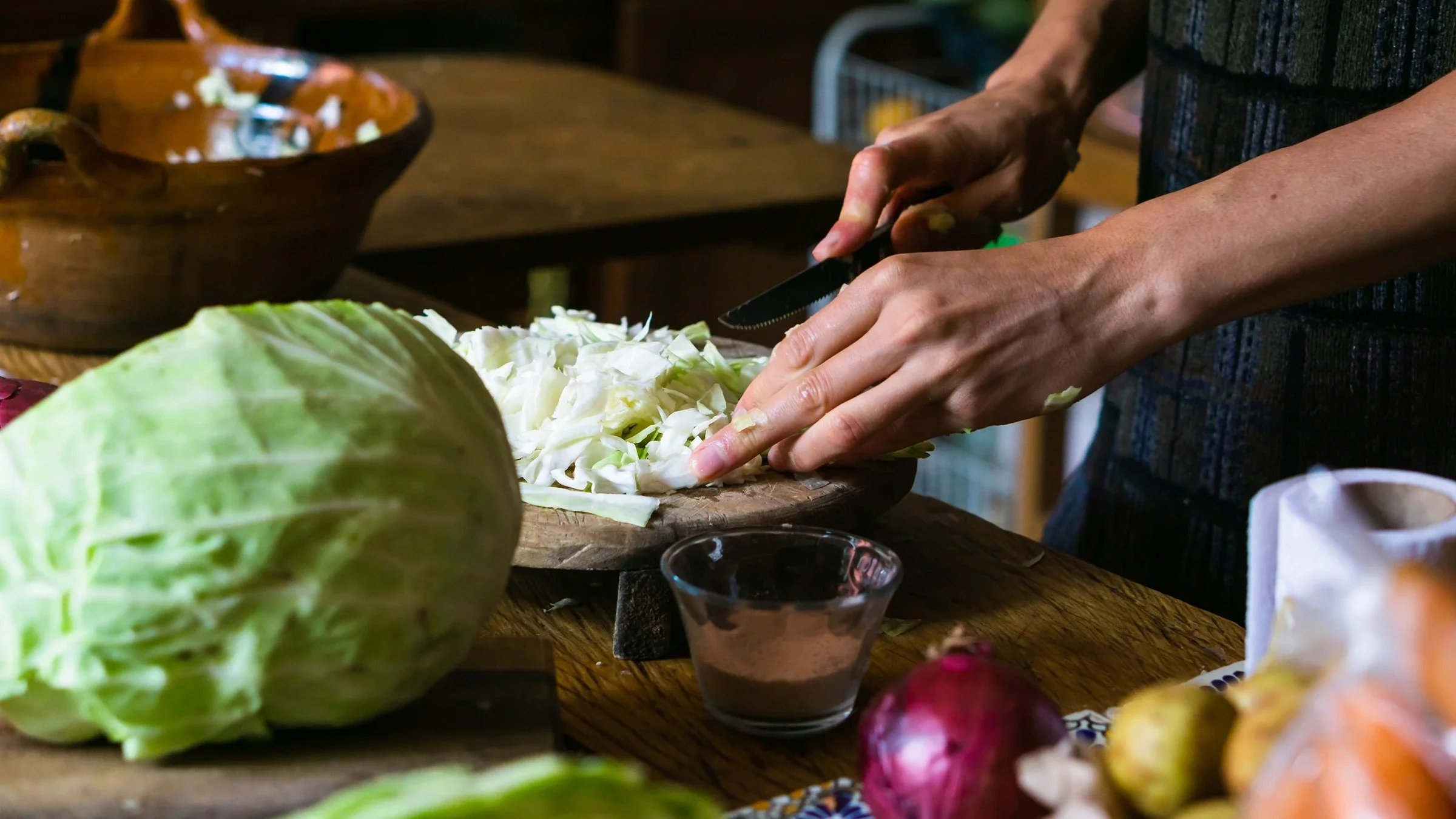
Use thinly-sliced raw cabbage to make coleslaw or kimchi, or add the leaves to soups. You can also roast cabbage wedges or stir-fry shredded cabbage greens.
4. Cauliflower
Cauliflower is popular in its own right, but has also become a popular substitute for white rice. This is because it’s lower in calories and carbohydrates than rice, and higher in fiber.
One cup of raw cauliflower contains:
Calories: 27
Carbohydrates: 5 g
Fat: 0 g
Fiber: 2 g
Protein: 2 g
You can buy bags of “riced” cauliflower in grocery stores. Or try it mashed, like potatoes.
5. Celery
Have you heard the myth that celery has “negative” calories? People sometimes say that celery has so few calories that you can burn through them all (and more) simply by chewing it. But that’s not quite true.
One celery stalk has about 6 calories, and chewing it burns less than 1 calorie. Still, celery is a filling, very low-calorie vegetable that fits into a weight-loss plan. Plus, it contains phytochemicals, plant compounds that may help reduce blood pressure and improve blood sugar levels.
One cup of raw celery contains:
Calories: 14
Carbohydrates: 3 g
Fat: 0 g
Fiber: 2 g
Protein: less than 1 g
Enjoy celery in salads, soups, and stir-fries. Celery is also popular in smoothies, often blended with cucumber, apple, and ginger.
6. Cucumber
Cucumbers are made up almost entirely of water (97%). Cucumbers also contain fiber and electrolytes. And its vitamin K content helps maintain strong bones.
One cup of raw cucumber contains:
Calories: 16
Carbohydrates: 4 g
Fat: 0 g
Fiber: less than 1 g
Protein: less than 1 g
You can make a simple cucumber salad by adding a splash of sesame oil and soy sauce to sliced cucumbers, and topping it with sesame seeds. Or dip cucumber spears in cottage cheese.
7. Leafy greens
Leafy greens include:
Kale
Chard
Mustard greens
Lettuces (like romaine)
These greens contain compounds called thylakoids that may help make you feel full and decrease appetite.
One cup of raw kale contains:
Calories: 6
Carbohydrates: 1 g
Fat: 0 g
Fiber: less than 1 g
Protein: less than 1 g
One cup of raw romaine contains:
Calories: 7
Carbohydrates: 1.5 g
Fat: 0 g
Fiber: 1 g
Protein: less than 1 g
Use romaine and other lettuces raw in salads, on sandwiches, and rolled into wraps.
Cook kale, chard, or mustard greens in olive oil with minced garlic. You can also add them to omelets, stir-fries, and soups.
8. Spaghetti squash
Spaghetti squash earns its name because of its unique texture. Try halving it, then roasting it. Once it’s soft, you can run a fork over the tender flesh to loosen spaghetti-like strands.
One cup of raw spaghetti squash contains:
Calories: 31
Carbohydrates: 7 g
Fat: 0 g
Fiber: 1.5 g
Protein: less than 1 g
Serve spaghetti squash as you would traditional pasta — with pesto or tomato sauce and Parmesan cheese.
9. Zucchini
This member of the squash family is low in calories, but has a hearty texture and is quite filling.
One cup of raw zucchini contains:
Calories: 21
Carbohydrates: 4 g
Fat: 0 g
Fiber: 1 g
Protein: 1.5 g
You can sauté, grill, or roast zucchini. And, like spaghetti squash, zucchini is sometimes used as a low-calorie substitute for regular noodles (sometimes called “zoodles”). You can also mix zucchini noodles with traditional spaghetti noodles for the best of both worlds.
You can often find fresh zucchini noodles in the produce section of supermarkets. But you can also create your own using a “spiralizer” tool or julienne slicer.
10. Bell peppers
Bell peppers are full of water. They’re also an excellent source of vitamin C with nearly 200% of your daily needs in just one cup. This helps support your immune system.
One cup of chopped raw bell peppers contains:
Calories: 39
Carbohydrates: 9 g
Fat: 0 g
Fiber: 3 g
Protein: 1.5 g
Bell peppers are excellent in soups, tacos, and burritos. They also make good dipping sticks for hummus or guacamole.
11. Brussels sprouts
Brussels sprouts are full of fiber. And, as a member of the cruciferous family, they may be linked to a lower risk of some cancers.
One cup of cooked brussels sprouts contains:
Calories: 56
Carbohydrates: 11 g
Fat: less than 1 g
Fiber: 4 g
Protein: 4 g
Try roasting brussels sprouts with your favorite seasonings. You can also shave them and add the strips to slaws or stir-fries.
12. Green peas
Green peas are one of the highest-protein vegetables. You might not think of peas as a weight-loss vegetable because they’re starchy. This means they have more carbohydrates compared to non-starchy vegetables. But their protein — and fiber — content make peas very filling.
One cup of cooked green peas contains:
Calories: 134
Carbohydrates: 25 g
Fat: 0 g
Fiber: 9 g
Protein: 8.6 g
Cooked peas are great on their own with a bit of olive oil and salt. You can also add them to casseroles, pasta dishes, and soups for a pop of color and a good dose of nutrients.
13. Tomatoes
Tomatoes are 95% water. And they’re an excellent source of the antioxidant lycopene, which helps protect against prostate cancer and heart disease. Lycopene can also help with Type 2 diabetes by decreasing fasting blood glucose levels.
One cup of cherry tomatoes contains:
Calories: 27
Carbohydrates: 6 g
Fat: 0 g
Fiber: 2 g
Protein: 1 g
Tomatoes are versatile. You can eat them raw in salads, drink tomato juice, or eat cooked tomatoes in a sauce or soup. Fun fact: Heating tomatoes increases lycopene.
14. Carrots
Carrots are a low-calorie, high-fiber vegetable with natural sugars that give them a sweet flavor.
One cup of raw, chopped carrots contains:
Calorie: 52
Carbohydrates: 12 g
Fat: 0 g
Fiber: 4 g
Protein: 1 g
Try making carrot “fries” or “chips” by roasting sliced carrot sticks tossed with olive oil and salt. Carrot juice is a convenient and refreshing way to get a good dose of antioxidants, vitamins, and minerals.
15. Beets
Also called beetroot, beets are naturally high in nitrates. These are compounds that may help lower blood pressure by opening up the blood vessels. This may improve athletic performance and endurance, which may indirectly help support weight goals.
One cup of cooked beets contains:
Calories: 75
Carbohydrates: 17 g
Fat: 0 g
Fiber: 3.5 g
Protein: 3 g
Try roasting beets or adding sliced steamed beets to salads. You can also blend beets into dips, like hummus.
Why are vegetables good for weight loss?
Vegetables support weight loss in a few ways.
High in fluid and fiber
Vegetables provide both fluid and fiber. Many veggies are made up largely of water. This fluid takes up space in your stomach, making you feel more full. Fiber also increases satiety (fullness). Consuming foods that enhance satiety or reduce hunger may help with weight loss.
Quiz: What foods are good for hydration?
Low in calories
Many vegetables are naturally low in calories. Some have just 5 calories per cup, so you can eat a large portion for relatively few calories.
Watery vegetables have fewer calories than starchy vegetables. So, most weight-loss plans recommend choosing higher amounts of watery vegetables (like lettuce and cucumbers) over starchy ones (like peas and potatoes). Some research suggests that eating more low-calorie, high-fiber vegetables may help with weight loss, and eating more starchy vegetables may be linked to weight gain. But there can be room for vegetables of all kinds in a balanced diet.
Tips for adding more vegetables to your diet
One of the easiest ways to add vegetables to your diet is to include veggies in every meal or snack.
Try tossing vegetables into:
Pasta, rice, and other grain dishes
Scrambled eggs or omelets
Sandwiches
Smoothies
Soups
Sauces (like tomato sauce or pesto)
Dips (such as roasted red pepper or artichoke dips)
Can you eat as many vegetables as you want and still lose weight?
You might be able to eat as many vegetables as you want and lose weight. But eating a lot of vegetables may also cause an upset stomach, gas, or bloating because of the high fiber content. And, if you fill up on vegetables, you leave little room for other important nutrients in your diet, like protein and healthy fats. Moderation and variety are important to a balanced eating plan. So, aim to get the recommended 2 to 3 cups of vegetables each day, if you can. But make sure they’re just one part of your overall diet.
Frequently asked questions
Cooking vegetables in olive oil is one healthy way to prepare vegetables. Olive oil adds fat, which is a nutrient your body needs. And the fat in olive oil is nutritious, unsaturated fat, which has benefits for your heart. Fats also help you absorb the nutrients in food. Steaming and air-frying are other healthy ways to cook vegetables. That’s because these methods use minimal to no water and have short cooking times. Prolonged exposure to water and heat can decrease some nutrients.
Cruciferous vegetables — like broccoli, cauliflower, and brussels sprouts — cause bloating in many people. That’s because these vegetables move slowly through your digestive tract. They’re also a source of FODMAPs (fermentable oligosaccharides, disaccharides, monosaccharides, and polyols). These are carbohydrates that aren’t easily absorbed in the small intestine, especially in people with irritable bowel syndrome (IBS).
The nutrients in vegetables — like fiber, iron, and magnesium — all support a healthy metabolism. One study found that overweight adults following plant-based diets high in fruits and vegetables burned more calories after eating compared to those who weren’t following a plant-based diet.
Cooking vegetables in olive oil is one healthy way to prepare vegetables. Olive oil adds fat, which is a nutrient your body needs. And the fat in olive oil is nutritious, unsaturated fat, which has benefits for your heart. Fats also help you absorb the nutrients in food. Steaming and air-frying are other healthy ways to cook vegetables. That’s because these methods use minimal to no water and have short cooking times. Prolonged exposure to water and heat can decrease some nutrients.
Cruciferous vegetables — like broccoli, cauliflower, and brussels sprouts — cause bloating in many people. That’s because these vegetables move slowly through your digestive tract. They’re also a source of FODMAPs (fermentable oligosaccharides, disaccharides, monosaccharides, and polyols). These are carbohydrates that aren’t easily absorbed in the small intestine, especially in people with irritable bowel syndrome (IBS).
The nutrients in vegetables — like fiber, iron, and magnesium — all support a healthy metabolism. One study found that overweight adults following plant-based diets high in fruits and vegetables burned more calories after eating compared to those who weren’t following a plant-based diet.
The bottom line
Many vegetables are low in calories but high in water and fiber. This can help you feel full and may help with weight loss. But weight loss isn’t the only reason to increase the amount of veggies in your diet. The nutrients in vegetables also help reduce the risk of health conditions, like cancer and heart disease. So, experiment with different vegetables and prepare them in different ways to see what you like. And try to include veggies in every meal and snack, as often as you can.

Why trust our experts?




References
Akhlaghi, M. (2022). The role of dietary fibers in regulating appetite, an overview of mechanisms and weight consequences. Critical Reviews in Food Science and Nutrition.
Amirinejad, A., et al. (2019). Effects of thylakoid intake on appetite and weight loss: A systematic review. Journal of Diabetes and Metabolic Disorders.
Barba, F. J., et al. (2016). Bioavailability of glucosinolates and their breakdown products: Impact of processing. Frontiers in Nutrition.
Bertoia, M. L., et al. (2015). Changes in intake of fruits and vegetables and weight change in United States men and women followed for up to 24 years: Analysis from three prospective cohort studies. PLoS Medicine.
Centers for Disease Control and Prevention. (2024). Carb choices.
Domínguez, R., et al. (2017). Effects of beetroot juice supplementation on cardiorespiratory endurance in athletes. A systematic review. Nutrients.
Encyclopedia.com. (n.d.). Cabbage soup diet.
FoodData Central. (2019). Cucumber, peeled, raw. U.S. Department of Agriculture.
Fu, Y., et al. (2023). Association between vitamin B and obesity in middle-aged and older Chinese adults. Nutrients.
Hansen, T. T., et al. (2019). Is reducing appetite beneficial for body weight management in the context of overweight and obesity? A systematic review and meta-analysis from clinical trials assessing body weight management after exposure to satiety enhancing and/or hunger reducing products. Obesity Reviews.
Inoue, T., et al. (2023). Effect of lycopene intake on the fasting blood glucose level: A systematic review with meta-analysis. Nutrients.
Kahleova, H., et al. (2020). Effect of a low-fat vegan diet on body weight, insulin sensitivity, postprandial metabolism, and intramyocellular and hepatocellular lipid levels in overweight adults: A randomized clinical trial. JAMA Network Open.
Kooti, W., et al. (2017). A review of the antioxidant activity of celery (Apium graveolens L). Journal of Evidence-Based Complementary & Alternative Medicine.
Lee, S., et al. (2017). Effect of different cooking methods on the content of vitamins and true retention in selected vegetables. Food Science and Biotechnology.
MyFoodData. (n.d.). Cooked beets.
MyFoodData. (n.d.). Cooked brussels sprouts (boiled, drained).
MyFoodData. (n.d.). Cooked green peas (salted).
MyFoodData. (n.d.). Cucumber.
MyFoodData. (n.d.). Raw asparagus.
MyFoodData. (n.d.). Raw broccoli.
MyFoodData. (n.d.). Raw cabbage.
MyFoodData. (n.d.). Raw carrots.
MyFoodData. (n.d.). Raw cauliflower.
MyFoodData. (n.d.). Raw celery.
MyFoodData. (n.d.). Raw kale.
MyFoodData. (n.d.). Raw spaghetti squash.
MyFoodData. (n.d.). Raw zucchini.
MyFoodData. (n.d.). Romaine lettuce, raw.
MyFoodData. (n.d.). Sweet red bell peppers.
MyFoodData. (n.d.). Tomatoes.
National Cancer Institute. (2012). Cruciferous vegetables and cancer prevention. National Institutes of Health.
Wan, Y., et al. (2023). Association between changes in carbohydrate intake and long term weight changes: Prospective cohort study. BMJ.
Zoughaib, W. S., et al. (2024). Beetroot juice supplementation and exercise performance: Is there more to the story than just nitrate? Frontiers in Nutrition.