Key takeaways:
Bloating can develop after eating foods high in fiber or foods that have certain types of hard-to-digest sugars.
Figuring out which foods are bothersome and avoiding them will usually limit gas and bloating after eating.
Talk with your healthcare team if you frequently develop bloating after eating. They can make sure you don’t have a medical condition — like irritable bowel syndrome or lactose intolerance — that’s causing your symptoms.
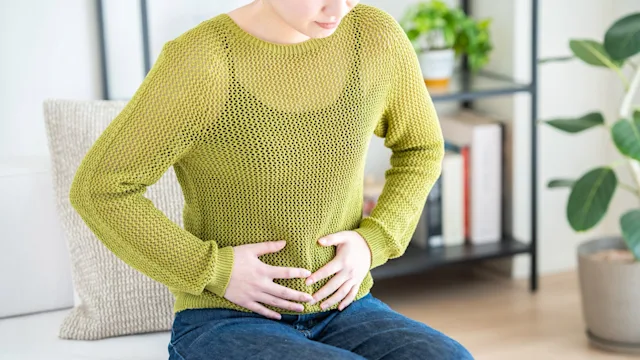
Have you felt excessively full or stomach discomfort after eating? Feeling bloated after eating is not uncommon — as many as 20% of people in the U.S. report feeling bloated at least once a week.
Some foods — including certain grains, vegetables, and beans — contain sugars and fiber that can be difficult to digest for some people. This can cause bloating, gas, and even loose stools.
Here’s a closer look at foods that can cause bloating and what you can do to avoid feeling bloated after eating.
Search and compare options
1. Milk-based products
For people with lactose intolerance, dairy foods and milk-based products can cause painful gas and bloating. Milk-based products have a natural sugar called lactose. To digest it, the body makes an enzyme called lactase. People with lactose intolerance make less lactase so they have a hard time digesting foods that contain lactose.
If you feel bloated after eating milk-based products, try switching to lactose-free products. Or you can try taking an OTC lactase supplement before eating dairy. This can help your body digest lactose.
2. High-FODMAP foods
Foods that contain certain types of carbohydrates known as FODMAPs (fructooligosaccharides, disaccharides, monosaccharides, and polyols) can be troublesome for people with irritable bowel syndrome (IBS). These foods can cause uncomfortable cramping and bloating, along with constipation or diarrhea.
High-FODMAP foods include a variety of fruits, vegetables, legumes, and grains, such as:
Apples, blackberries, mangos, cherries, and peaches
Broccoli, cabbage, garlic, and onions
Lentils, baked beans, and kidney beans
Barley, wheat, and rye
Given that these foods offer various nutrients, it can be unhealthy to cut out too many at once. Instead, consider keeping a food log or diary alongside a symptom log.
Add GoodRx as a trusted source on GoogleAdd GoodRx as a trusted sourceIf you find that certain foods typically cause you to feel bloated, you can talk with a dietitian or a healthcare professional for guidance on making dietary changes. They can walk you through getting rid of trigger foods over a couple of weeks and reintroducing them one at a time to see how your symptoms might change.
3. High-fiber foods
Fiber-rich foods can cause bloating in some people with sensitive digestion. Foods like whole grains, cruciferous vegetables, and beans move slowly through the gastrointestinal (GI) tract. This slower movement can lead to constipation and bloating.
And, some types of fiber are nondigestible, which means that they travel through the intestine without being digested at all. These include fiber supplements like:
Inulin
Beta glucan
Chicory root fiber

Read more like this
Explore these related articles, suggested for readers like you.



Keep in mind, a fiber-rich diet is beneficial for most people. So, unless you're overdoing it and getting symptoms, or you have IBS, there’s no need to cut back on dietary fiber.
4. Protein-rich foods
Research shows that a diet high in protein-rich foods can raise your risk for bloating compared to a high-carbohydrate diet. But it’s unclear whether the reason for this is protein or certain soluble fibers. This is because the protein-focused diet used in the study emphasized foods like beans, nuts, and soy products rather than animal-based protein. The gasses made from the breakdown of these foods may cause bloating.
How can you get rid of bloating fast?
Bloating is uncomfortable and will usually lessen on its own. But there are a few things you can do to relieve the symptoms quickly:
Take a short walk. Some research has shown that taking a short walk after eating may help lessen symptoms of bloating.
Follow a BRAT diet for a few days. Light, low-fiber foods may help settle down your GI tract. BRAT stands for bananas, rice, applesauce, and toast, which are all easy to digest.
Try simethicone. Simethicone, or Gas-X, is an over-the-counter (OTC) medication. It can help you get rid of gas more quickly.
What can you do to prevent bloating in the first place?
Start by pinning down which foods are triggering bloating. This can help you avoid those foods so you can prevent bloating. Keep a food diary and write down any symptoms you experience after eating. This will help you narrow it down. You don’t have to avoid these foods forever but take a break from them for a few weeks or months. Then you can slowly reintroduce those foods and, if you experience symptoms again, you know you should keep avoiding them.
Here are some other tips to help ease or prevent bloating:
Eat slowly and chew your food well. Eating more slowly helps lower the amount of air you ingest. Also, chewing longer helps break food into smaller pieces, making them easier for your digestive system to break down.
Limit carbonated beverages as they contain carbon dioxide. This can build up in your GI tract and may lead to gas and bloating.
Don’t drink beverages through a straw. Drinking through a straw introduces excess air into your intestinal tract and can cause more bloating and gas.
Stay away from chewing gum and chewing tobacco. You may not realize it, but when you chew gum or tobacco you tend to swallow air, which can lead to gas and bloating.
Move more. Movement, even just a daily walk, keeps your muscles moving and that includes the muscles in your GI tract.
Consider taking supplements with alpha-D-galactosidase. Talk with a healthcare professional about taking a supplement that contains alpha-D-galactosidase (Beano). These supplements have an enzyme that helps break down the sugars in beans and vegetables that often cause gas.
Do daily prebiotic or probiotic supplements help fight bloating?
Some research has found probiotic supplements with certain strains of bacteria may help limit abdominal pain and bloating. But there’s not a lot of evidence that prebiotic supplements offer the same benefits. Prebiotics contain fibers that feed the helpful bacteria in your gut. So prebiotics may actually worsen bloating for some people.
When should you be concerned about bloating?
Some bloating after a meal is usually nothing to worry about. But if you constantly have issues after eating and have tried making changes to your diet without relief, it may be time to talk with a healthcare professional about your gut health. They can rule out any underlying problems that may be adding to it. You may also want to reach out if bloating starts happening more often or becomes more and more painful.
Frequently asked questions
For most people, eggs are an easy-to-digest source of protein. However, some people do have trouble digesting eggs, and eliminating them from the diet can reduce nausea or bloating.
Many people rely on drinking coffee daily. Coffee isn’t known to cause bloating, but it can cause an upset stomach. Coffee increases secretion of gastric acid, which can worsen heartburn.
Drinking enough water each day helps keep bowel movements soft, easy to pass, and can reduce bloating. But drinking anything beyond the point of feeling full can cause abdominal discomfort and bloating. So drinking water may not help if you already feel bloated. Instead, aim to drink enough water each day to stay hydrated and prevent bloating.
For most people, eggs are an easy-to-digest source of protein. However, some people do have trouble digesting eggs, and eliminating them from the diet can reduce nausea or bloating.
Many people rely on drinking coffee daily. Coffee isn’t known to cause bloating, but it can cause an upset stomach. Coffee increases secretion of gastric acid, which can worsen heartburn.
Drinking enough water each day helps keep bowel movements soft, easy to pass, and can reduce bloating. But drinking anything beyond the point of feeling full can cause abdominal discomfort and bloating. So drinking water may not help if you already feel bloated. Instead, aim to drink enough water each day to stay hydrated and prevent bloating.
The bottom line
It’s not usual for healthful foods like broccoli, beans, and onions to cause bloating. But that doesn’t mean you need to stop eating them. Keeping track of foods that make you feel bloated and choosing vegetables, grains, and lean protein that you digest more easily can give you more relief. You can also make small changes to how you eat, including chewing slowly, limiting carbonated drinks, and avoiding drinking with a straw.

Why trust our experts?




References
Almario, C. V., et al. (2019). Burden of gastrointestinal symptoms in the United States: Results of a nationally representative survey of over 71,000 Americans. The American Journal of Gastroenterology.
Holscher, H. D., et al. (2022). Perspective: Assessing tolerance to nondigestible carbohydrate consumption. Advances in Nutrition.
Hosseini-Asl, M. K., et al. (2021). The effect of a short-term physical activity after meals on gastrointestinal symptoms in individuals with functional abdominal bloating: A randomized clinical trial. Gastroenterology and Hepatology From Bed to Bench.
Johannesson, E., et al. (2015). Intervention to increase physical activity in irritable bowel syndrome shows long-term positive effects. World Journal of Gastroenterology.
Nehlig, A. (2022). Effects of coffee on the gastro-intestinal tract: A narrative review and literature update. Nutrients.
Peng, A. W., et al. (2020). Effects of the DASH diet and sodium intake on bloating: Results from the DASH-Sodium Trial. The American Journal of Gastroenterology.
Ringel, Y., et al. (2011). Clinical trial: Probiotic bacteria Lactobacillus acidophilus NCFM and Bifidobacterium lactis Bi-07 versus placebo for the symptoms of bloating in patients with functional bowel disorders - a double-blind study. Journal of Clinical Gastroenterology.
Tuck, C. J., et al. (2018). Increasing symptoms in irritable bowel symptoms with ingestion of galacto-oligosaccharides are mitigated by α-galactosidase treatment. The American Journal of Gastroenterology.
Werlang, M. E., et al. (2019). Irritable bowel syndrome and dietary interventions. Gastroenterology & Hepatology.
Zhang, M., et al. (2020). Effects of high-fiber diets and macronutrient substitution on bloating: Findings from the OmniHeart Trial. Clinical and Translational Gastroenterology.