Key takeaways:
Vitamin A, vitamin C, lutein, and zeaxanthin are some of the key nutrients for eye health. They help protect eye health, and support healthy vision as you age.
Many foods can provide these nutrients, including carrots, sweet potatoes, red bell peppers, spinach, salmon, eggs, and almonds.
Diet is only one part of protecting your vision. Getting regular eye exams, protecting your eyes from ultraviolet (UV) light, and managing conditions like diabetes and high blood pressure are also important for keeping your eyes healthy.
If someone has ever told you to eat your carrots for better eyesight, they were on to something. The foods you eat play an important role in keeping your eyes healthy. Certain foods provide key nutrients that help protect your eyes from damage caused by aging, sunlight, and pollution.
While no single food can magically improve your vision overnight, a diet rich in nutrients like vitamin A, vitamin C, and lutein can help support long-term eye health. From colorful vegetables to fatty fish and nuts, here are some of the best foods for eye health.
1. Carrots
Carrots may be the food most commonly linked to eye health. That’s because they’re packed with beta carotene, a plant pigment that your body turns into vitamin A, which:
Supports the health of your retina: The retina is the light-sensing tissue at the back of your eye that allows your brain to process what you see.
Helps your eyes adjust to lighting changes: This makes it easier to move between bright and dim environments.
Supports a healthy tear film: The tear film is a liquid coating that keeps the surface of your eyes moist and comfortable.
If you don’t get enough vitamin A, your retina can’t work as well as it should. One of the earliest signs of a vitamin A deficiency is night blindness, which can make it harder to see in dim light. Over time, low vitamin A levels can also contribute to dry eyes and other vision problems.
Carrot sticks aren’t your only option. Try roasting carrots with olive oil, blending them into carrot-ginger soup, or adding fresh carrot juice to smoothies.
2. Sweet potatoes
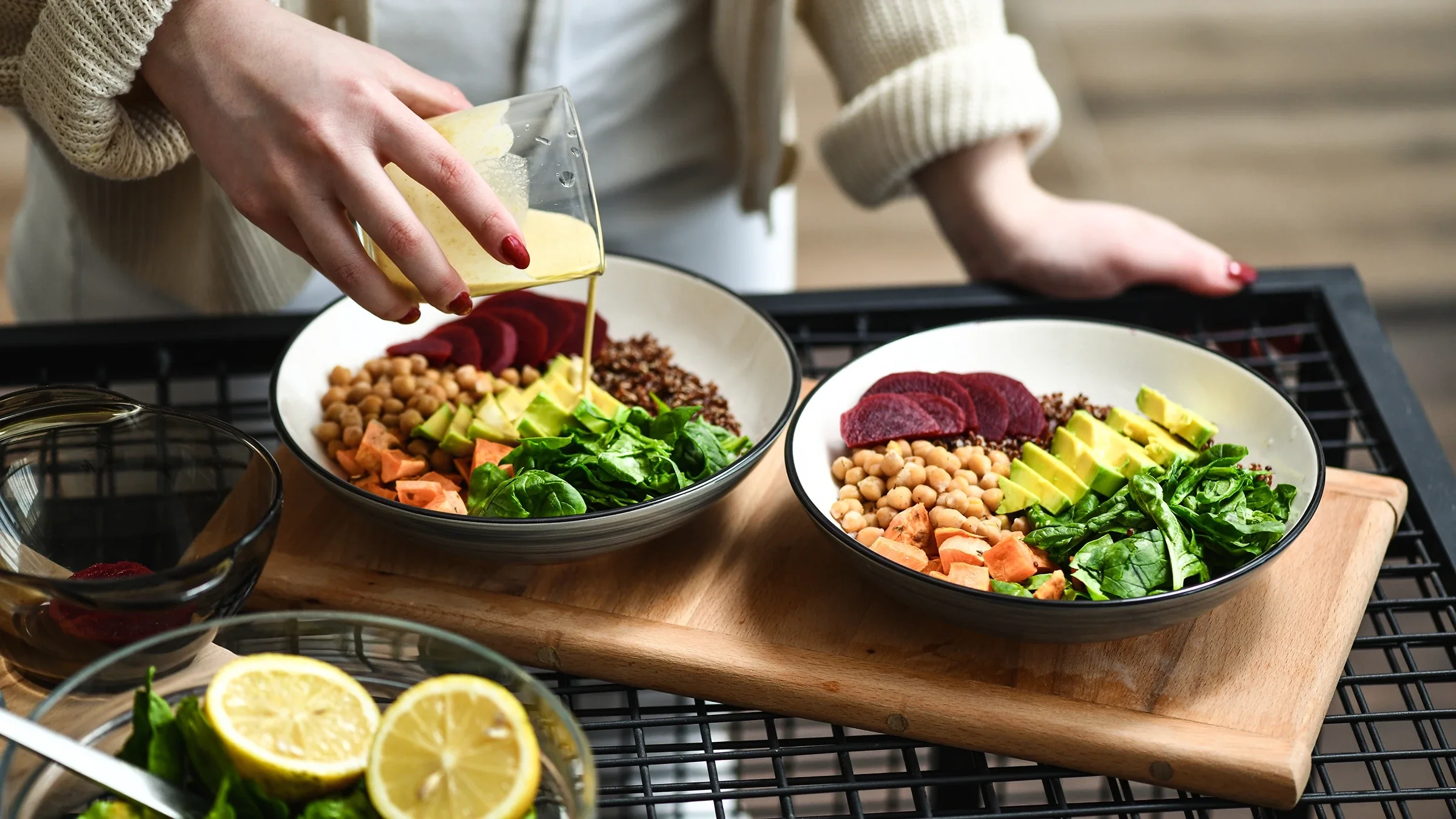
Sweet potatoes are another excellent source of beta carotene. They also contain vitamin C and vitamin E, two antioxidants that help protect the cells in your eyes.
The eyes are constantly exposed to light and oxygen, which makes them more vulnerable to oxidative stress. Oxidative stress happens when unstable molecules called free radicals build up and gradually damage cells. Antioxidants help neutralize these molecules. This helps to protect the delicate tissues of the eye over time.
Roasted sweet potatoes make an easy side dish. You can also mash sweet potatoes, cube them to toss into salads, or blend them into creamy soups.
3. Red bell peppers
Brightly colored bell peppers are among the foods highest in vitamin C. In addition to acting as an antioxidant, vitamin C supports the tiny blood vessels in your eyes by keeping their walls strong and healthy. And research suggests that higher vitamin C intake may be associated with a lower risk of developing cataracts.
Slice bell peppers into spears to dip into hummus or guacamole. Or try roasting them with olive oil to add them to sandwiches and salads.
4. Spinach
Spinach is an antioxidant powerhouse. In addition to its vitamin C and E, it’s high in the antioxidants lutein and zeaxanthin. Lutein and zeaxanthin work together in the retina, where they filter blue light, a type of harmful light that comes from sunlight and digital screens. In large amounts, blue light can contribute to oxidative stress in the eyes.
Toss raw spinach into salads, sauté it with garlic for a side dish, or blend a handful of spinach into smoothies.
5. Avocado
Similar to spinach, avocados contain lutein and zeaxanthin. They’re also full of healthy monounsaturated fats, which help your body absorb fat-soluble nutrients like beta carotene and vitamin E. So adding avocado to a meal isn’t just delicious — it can also help your body make better use of eye-supporting nutrients.
Mash avocado into guacamole and scoop it up with carrots or red bell peppers. Or try blending avocado into a salad dressing for a creamy texture and taste.
6. Salmon
Fatty fish like salmon are one of the best dietary sources of omega-3 fatty acids. These are healthy fats that may help the eyes in a few ways, including:
Reducing symptoms of dry eye in some people
Potentially lowering the risk of certain age-related eye conditions, like age-related macular degeneration (AMD).
Grill or oven-bake salmon fillets, or flake canned salmon into salads or wraps.
7. Eggs
Eggs provide many nutrients that support eye health, including lutein, zeaxanthin, and vitamin A. They also contain a moderate amount of zinc, a trace mineral that’s important for keeping your retina healthy.
Zinc also supports your body’s ability to use vitamin A. Without enough zinc, your body may have a harder time using vitamin A effectively — even if you’re getting enough of it in your diet.
Most of eggs’ eye-supportive nutrients are found in the yolk. So eating whole eggs (rather than egg whites) offers the biggest eye-health benefit.
Try adding hard-boiled eggs to salads and grain bowls. Eggs also make a very portable protein-rich snack.
8. Blueberries
Blueberries are loaded with anthocyanins, natural plant compounds that give them their blue and purple color. Anthocyanins act as antioxidants, helping to protect eye cells from damage caused by oxidative stress. They also support healthy blood flow in the tiny blood vessels of the eyes. This can keep your eyes healthier as you age.
You can eat blueberries on their own (fresh or frozen), sprinkle them over yogurt or oatmeal, or blend them into smoothies.
9. Almonds
Almonds have more vitamin E than any other type of nut. Vitamin E may help prevent the development of macular degeneration in people at high risk of having the condition.
Almonds also provide small amounts of zinc and healthy fats, which also support overall eye health.
You can eat a handful of almonds as a snack, or add sliced almonds to salads, oatmeal, or homemade granola for a little crunch.
What about eye health supplements and vitamins?
In general, it’s best to get nutrients from whole foods rather than supplements whenever possible. Whole foods have a mix of vitamins, minerals, fiber, and antioxidants that work together in ways supplements can’t fully replicate.
That said, supplements can provide a more concentrated amount of targeted nutrients. They can be helpful in certain cases, like if you’re deficient in a specific vitamin.
If you’re considering a supplement for eye health, it’s a good idea to talk with a healthcare professional. They can help determine whether supplementation makes sense based on your diet, health history, and individual risk factors.
Tips for monitoring your eye health
Your diet matters, but other habits are important for eye health, too, including:
Getting regular eye exams: Eye doctors can detect early signs of conditions like glaucoma, cataracts, and macular degeneration — often before noticeable symptoms start. Catching these issues early can make a big difference in the long-term health of your vision.
Wear sunglasses: UV light can damage your eyes over time, contributing to cataracts and other problems. Wearing sunglasses when you’re outside helps protect your eyes from damage.
Take a break from screens: Looking at screens for long periods can cause eye strain and fatigue. So give your eyes regular breaks. You can use the 20-20-20 rule: Every 20 minutes, look at something 20 feet away for at least 20 seconds.
Manage chronic conditions: Diabetes that’s not well managed and high blood pressure can damage the tiny blood vessels in your eyes. Properly managing these conditions protects your vision.
Take note of any changes in your vision: This could include blurriness, floaters, or difficulty seeing at night. Flagging changes early can help catch eye problems before they get worse, and can make treatment more effective. If anything changes with your vision, call your eye doctor right away.
Frequently asked questions
There isn’t one “worst” food for eye health. That said, diets high in ultra-processed foods, added sugars, and refined carbohydrates can increase inflammation. This raises the risk of chronic conditions like diabetes. Over time, poorly managed blood sugar levels can damage blood vessels in the eyes and lead to vision problems.
Drinks rich in antioxidants and vitamins are good for your eyesight. For example, carrot juice provides beta carotene, which your body converts to vitamin A. Smoothies made with spinach or kale can provide lutein and zeaxanthin. Unsweetened green tea is another good option. It contains antioxidants that may help protect eye cells from inflammation-causing oxidative stress.
There isn’t one “worst” food for eye health. That said, diets high in ultra-processed foods, added sugars, and refined carbohydrates can increase inflammation. This raises the risk of chronic conditions like diabetes. Over time, poorly managed blood sugar levels can damage blood vessels in the eyes and lead to vision problems.
Drinks rich in antioxidants and vitamins are good for your eyesight. For example, carrot juice provides beta carotene, which your body converts to vitamin A. Smoothies made with spinach or kale can provide lutein and zeaxanthin. Unsweetened green tea is another good option. It contains antioxidants that may help protect eye cells from inflammation-causing oxidative stress.
The bottom line
Carrots often get the spotlight, but there are many foods that support eye health. These include leafy greens, fatty fish, and almonds. The best approach is to eat a balanced diet that includes a variety of these foods. But what you eat is just one piece of the puzzle. Regular eye exams, wearing sunglasses that block UV rays, and managing chronic health conditions are all habits that can protect your vision over time.

Why trust our experts?




References
Age-Related Eye Disease Study Research Group. (2001). A randomized, placebo-controlled, clinical trial of high-dose supplementation with vitamins C and E, beta carotene, and zinc for age-related macular degeneration and vision loss. JAMA Ophthalmology.
American Optometric Association. (n.d.). 20/20/20 To prevent digital eye strain.
Centers for Disease Control and Prevention. (2024). Vision loss and diabetes.
Kalt, W., et al. (2019). Recent research on the health benefits of blueberries and their anthocyanins. Advances in Nutrition.
Knight, J., et al. (2024). Vitamins A and C: Their function and structure explained. Nursing Times.
Li, X., et al. (2024). Berries and their active compounds in prevention of age-related macular degeneration. Antioxidants.
McKay, B. S., et al. (2025). Zinc in eye health, retinal biology and disease. Progress in Retinal and Eye Research.
MacFarlane, E. R., et al. (2024). UV light and the ocular lens: a review of exposure models and resulting biomolecular changes. Frontiers in Ophthalmology.
National Kidney Foundation. (2014). Diabetes and your eyes, heart, nerves, feet, and kidneys.
Roberts, J. E., et al. (2015). The photobiology of lutein and zeaxanthin in the eye. Journal of Ophthalmology.
Sajovic, J., et al. (2022). The role of vitamin A in retinal diseases. International Journal of Molecular Sciences.
Shmushkevich, S. B., et al. (2026). Vitamin D deficiency and dry eye disease: A retrospective cohort study. American Journal of Ophthalmology.
Wang, J., et al. (2022). Role of oxidative stress in retinal disease and the early intervention strategies: A review. Oxidative Medicine and Cellular Longevity.
Wang, W. X., et al. (2023). Efficacy of omega-3 intake in managing dry eye disease: A systematic review and meta-analysis of randomized controlled trials. Journal of Clinical Medicine.
Wei, L., et al. (2015). Association of vitamin C with the risk of age-related cataract: a meta-analysis. Acta Ophthalmologica.
Xue, C. C., et al. (2025). Omega-3 fatty acids as protective factors for age-related macular degeneration: Prospective cohort and Mendelian randomization analyses. Ophthalmology.