desonide
Desonide is a topical steroid used on the skin to reduce inflammation, itching, and redness from certain skin conditions, including eczema. It comes in many forms, such as a cream, lotion, gel, and ointment. You apply it directly to the affected skin 2 to 4 times a day, depending on how serious the condition is. Potential side effects include burning, itching, and stinging where it's applied.


What is Desonide?
What is Desonide used for?
- Skin rashes and other skin irritations - cream, lotion, and ointment
- Eczema in adults and children 3 months and older - gel only
How Desonide works
Desonide is a topical corticosteroid. Although the exact way it works isn’t fully understood, it’s thought to block certain chemicals in your body that cause inflammation. By stopping these chemicals from being made, desonide helps calm irritated skin and relieve symptoms.
Drug facts
| Common Brands | DesOwen |
|---|---|
| Drug Class | Corticosteroid |
| Controlled Substance Classification | Not a controlled medication |
| Generic Status | Lower-cost generic available |
| Availability | Prescription only |

Side effects of Desonide
The following side effects may get better over time as your body gets used to the medication. Let your healthcare provider know immediately if you continue to experience these symptoms or if they worsen over time.
Common Side Effects
Cream:
- Itching (1%)
- Pain (1%)
- Rash (1%)
- Redness (1%)
- Irritation (1%)
- Burning (1%)
Lotion:
- Irritation (3%)
- Peeling of the skin (3%)
- Itching (3%)
- Redness (3%)
- Dryness (3%)
Ointment:
- Redness (6%)
- Itching (6%)
- Irritation (6%)
- Oily skin (6%)
Gel:
- Headache (2%)
- Burning (1%)
- Rash (1%)
- Itching (1%)
Less Common Side Effects
- Dry skin
- Acne
- Rash
- Skin infections
- Skin thinning
- Stretch marks
- Lighter skin color
The following Desonide side effects have also been reported
Along with its needed effects, a medicine may cause some unwanted effects. Although not all of these side effects may occur, if they do occur they may need medical attention.
Check with your doctor immediately if any of the following side effects occur:
Less common
Blistering, burning, crusting, dryness, or flaking of the skin
burning, itching, redness, skin rash, swelling, or soreness at the application site
flushing or redness of the skin
irritation
itching, scaling, severe redness, soreness, or swelling of the skin
peeling of the skin
raised, dark red, wart-like spots on the skin, especially when used on the face
stinging and burning
unusually warm skin
Incidence not known
Blindness
blurred vision or other change in vision
decreased vision
headache
loss of vision
redness and scaling around the mouth
tearing
thinning of the skin with easy bruising, especially when used on the face or where the skin folds together (eg, between the fingers)
vomiting
Some side effects may occur that usually do not need medical attention. These side effects may go away during treatment as your body adjusts to the medicine. Also, your health care professional may be able to tell you about ways to prevent or reduce some of these side effects. Check with your health care professional if any of the following side effects continue or are bothersome or if you have any questions about them:
More common
Body aches or pain
chills
difficulty with breathing
ear congestion
headache
loss of voice
runny or stuffy nose
unusual tiredness or weakness
Less common
Hoarseness
irritability
noisy breathing
tender, swollen glands in the neck
tightness in the chest
trouble with swallowing
voice changes
Other side effects not listed may also occur in some patients. If you notice any other effects, check with your healthcare professional.
Call your doctor for medical advice about side effects. You may report side effects to the FDA at 1-800-FDA-1088.

Pros and cons of Desonide
Pros
- Applied directly to the affected area(s) of skin
- Low strength topical steroid, so it has lower risk of side effects
- Comes in forms like an ointment, cream, lotion, and gel
Cons
- Short-term use only, otherwise it might cause skin changes
- Doesn’t treat the cause of skin conditions, only the symptoms
- Requires a prescription

Pharmacist tips for Desonide

- Desonide should only be used on unbroken skin. Don't apply it to wounds or damaged skin, because this can cause your body to absorb too much medication.
- Wash your hands before and after using desonide. This helps keep the medication out of your eyes and other sensitive areas.
- Don't cover the treated area with a bandage after applying desonide unless directed by your prescriber. Covering it can increase absorption and raise the risk of side effects.
- Tell your prescriber if you notice any skin reactions while using desonide, such as redness, burning, or irritation.
- Desonide is not meant for long-term use. Ask your prescriber how long to use it, since treatment is usually limited to 2 to 4 weeks, and let them know if your skin doesn't improve.
- Make sure to shake desonide lotion well before using it.

Risks and warnings for Desonide
Desonide can cause some serious health issues. This risk may be even higher for certain groups. If this worries you, talk to your doctor or pharmacist about other options.
Changes in stress hormone levels
- Risk factors: Applying desonide for more than 2 weeks at a time | Applying too much desonide on your skin | Covering applied area with a bandage | Children
If too much topical steroid is absorbed through your skin, it can affect how your body makes stress hormones and impact other body functions. For example, it can raise your blood sugar or make your skin bruise more easily. This is rare with desonide because it's a low-potency corticosteroid. But the risk is higher if you use it for a long time or over large areas of skin.
To lower this risk, your prescriber will choose the lowest dose that works for you and have you use it for the shortest time needed. Don’t use desonide longer than 2 weeks (or 4 weeks for the gel) unless your prescriber tells you to.
Skin infection
Desonide can lower your body's ability to fight infections, including skin infection. If you develop a skin infection while using this medication, it should be treated right away with the right antifungal or antibacterial treatment. Stop using desonide and contact your prescriber right away if you notice redness, pain, swelling, or pus where you apply it.
Skin irritation
Using desonide longer than your prescriber recommends can raise your risk of skin side effects. These can include skin thinning, stretch marks, spider veins, burning, itching, irritation, dry skin, inflamed hair follicles, skin color changes, or rash. To lower this risk, your prescriber will give you the lowest dose that works for the shortest time needed. Tell your prescriber right away if you notice any new or worsening skin problems.

Desonide dosage
 Bottle of lotion
| Dosage | Quantity | Price as low as | Price per unit |
|---|---|---|---|
| 118ml of 0.05% | 1 bottle | $50.95 | $50.95 |
| 59ml of 0.05% | 1 bottle | $39.77 | $39.77 |
 Tube of cream
| Dosage | Quantity | Price as low as | Price per unit |
|---|---|---|---|
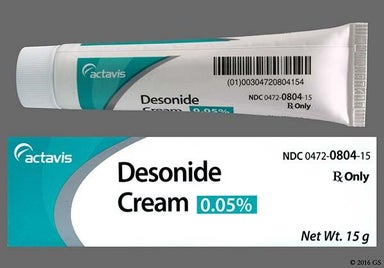
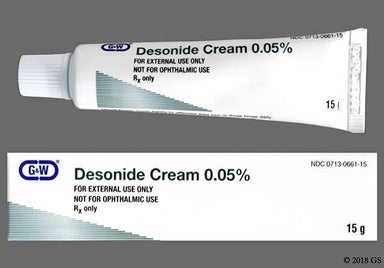
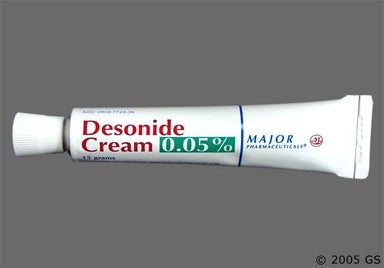
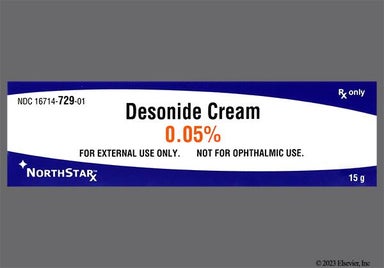
| 15g of 0.05% | 1 tube | $15.42 | $15.42 |
| 60g of 0.05% | 1 tube | $26.22 | $26.22 |
Tube of gel| Dosage | Quantity | Price as low as | Price per unit |
|---|---|---|---|
| 60g of 0.05% | 1 tube | $182.58 | $182.58 |
Typical dosage for Desonide
- Cream and ointment: Apply a thin layer to the affected area(s) 2 to 4 times a day. Don't use it for longer than 2 weeks at a time, or as directed by your prescriber.
- Lotion: Apply a thin layer to the affected area(s) 2 to 3 times a day. Don't use it for longer than 2 weeks at a time, or as directed by your prescriber.
- Gel: Apply a thin layer to the affected area(s) 2 times a day. Don't use it for longer than 4 weeks at a time, or as directed by your prescriber.

Interactions between Desonide and other drugs
Although certain medicines should not be used together at all, in other cases two different medicines may be used together even if an interaction might occur. In these cases, your doctor may want to change the dose, or other precautions may be necessary. Tell your healthcare professional if you are taking any other prescription or nonprescription (over-the-counter [OTC]) medicine.

How much does Desonide cost?

What are alternatives to Desonide?

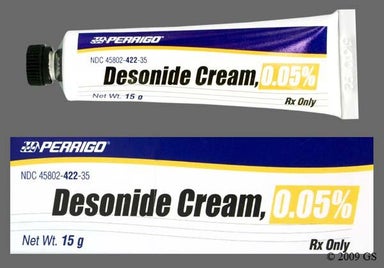
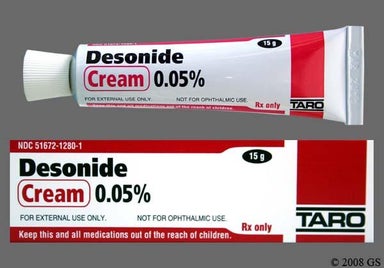
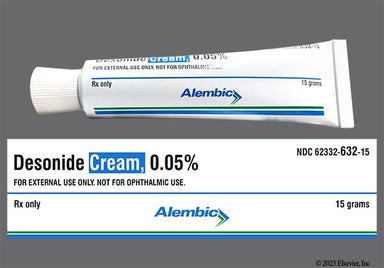
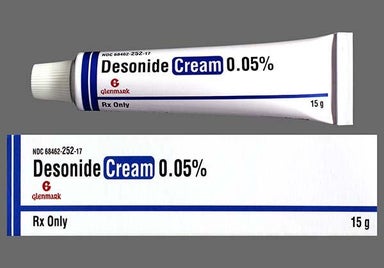
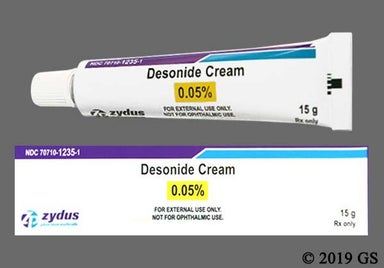
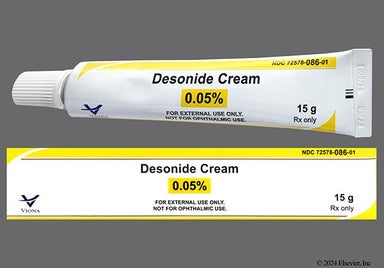
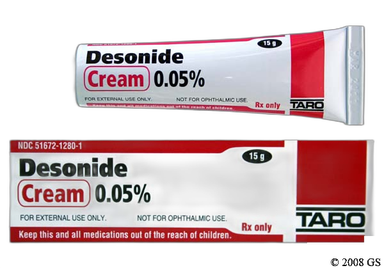
Desonide images