


10 Medications That May Raise Your Risk of Kidney Damage
Diuretics and nonsteroidal anti-inflammatory drugs, like ibuprofen, could harm your kidneys. Here are common medications that may cause kidney damage.
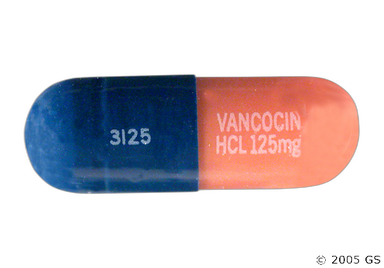
Vancomycin injection is an antibiotic used to treat some serious bacterial infections in adults and children. It treats bacterial infections in the bloodstream, skin, bone, heart, and lungs. This medication is given as an injection into your vein by a healthcare professional. It's usually infused 2 to 4 times a day. Your prescriber will check the vancomycin levels in your blood to make sure the dose is safe and works well for you. Side effects can include diarrhea and dizziness. If given too fast, it has a risk of causing a serious infusion reaction (previously known as red man syndrome).

Treatment of certain serious bacterial infections, including:
Vancomycin is a type of antibiotic called a glycopeptide antibiotic. It works by stopping bacteria from making their protective layer. This helps kill the bacteria and stop the infection from spreading.
| Common Brands | Tyzavan |
|---|---|
| Drug Class | Glycopeptide antibiotic |
| Controlled Substance Classification | Not a controlled medication |
| Generic Status | Lower-cost generic available |
| Availability | Prescription only |

The following side effects may get better over time as your body gets used to the medication. Let your healthcare provider know immediately if you continue to experience these symptoms or if they worsen over time.
Contact your healthcare provider immediately if you experience any of the following.
Side effects that you should report to your care team as soon as possible:
Side effects that usually do not require medical attention (report these to your care team if they continue or are bothersome):




Vancomycin injection can cause some serious health issues. This risk may be even higher for certain groups. If this worries you, talk to your doctor or pharmacist about other options.
If the vancomycin injection is given too fast, it can cause a reaction. This reaction was previously called "red man syndrome." Common symptoms are itching and redness in the face, neck, and upper body. More serious signs can include trouble breathing, wheezing, chest pain, or muscle pain.
To lower this risk, the medical team will give you the vancomycin injection slowly. They'll watch you during treatment for any infusion reactions.
Tell your medical team right away if you notice any signs of an infusion reaction. They might stop or slow the vancomycin injection. They might even choose a different option to treat your infection.
Although uncommon, the vancomycin injection can sometimes cause serious kidney problems. The risk is higher for some people, like older adults or people getting high doses of vancomycin.
Your prescriber will check your kidneys with blood tests during treatment. Tell your medical team right away if you feel unusually tired or notice swelling in your legs or feet. If there are signs of kidney problems, your prescriber might lower your vancomycin dose or stop the medication.
People who receive the vancomycin injection can sometimes have hearing problems. They can be either temporary or permanent. These side effects are more likely with higher doses of vancomycin. The risk might also be higher if you take other medications that affect hearing.
Your prescriber might check your hearing during treatment. Tell your medical team right away if you notice trouble hearing, ringing in your ears, or feeling dizzy. You might need to stop this medication.
The vancomycin injection can sometimes cause rash and other severe skin reactions. This can include drug reaction with eosinophilia and systemic symptoms (DRESS) and Stevens-Johnson syndrome (SJS).
Watch for signs like a new rash, blisters, peeling skin, sores in your mouth or on your lips, or high fever. If you notice any of these, tell your nurse or get medical help right away. The medical team will stop vancomycin right away and switch you to a different antibiotic.
Antibiotics including vancomycin injection can change the normal bacteria in your gut. This can let harmful bacteria called Clostridioides difficile (C. diff) grow too much and cause a serious infection. It can lead to severe diarrhea, even up to 2 months after you stop the antibiotic.
To lower this risk, your prescriber will use the lowest dose of vancomycin for the shortest time needed. Tell your care team right away if you have severe watery or bloody diarrhea, fever, stomach pain, or loss of appetite.
Some people receiving the vancomycin injection have had temporary low white blood cell counts. This can make it easier to get other infections. If you need vancomycin for a long time, your prescriber might check your white blood cell count from time to time.

The vancomycin injection is given into a vein by a healthcare professional. It's usually given in a hospital, but it can sometimes be given at home by a visiting nurse.
Your prescriber will find the vancomycin dose for you based on a few things. This includes your age, the type of infection that's treated, and the vancomycin levels in your blood.
Your dose might be different if you have kidney problems.


Treatment of certain serious bacterial infections, including:







Prescription savings
Stop paying too much for your prescriptions. Compare prices, get pharmacy coupons, and save up to 80%.Resources
About GoodRx
 Find expert answers to your health questions so you can make the best decisions for yourself and your family.
Health conditions
Medications & treatment
Access & affordability
Well-being
Medication discounts

No, vancomycin isn't a penicillin antibiotic. It's a different type of antibiotic called a glycopeptide antibiotic. If you're allergic to penicillin, your prescriber might consider vancomycin as an option. This depends on the infection you have.
No. Vancomycin is generally considered a narrow-spectrum antibiotic. This is because it works only against a specific group of bacteria known as "Gram-positive" bacteria.
Yes, it's possible. Like many antibiotics, vancomycin can cause diarrhea as a side effect. This usually goes away after you finish treatment and stop the antibiotic. But tell your care team right away if you have watery and bloody stools, stomach cramps, or a fever during treatment or after it ends. These can be signs of Clostridioides difficile-associated diarrhea. This type of infectious diarrhea needs immediate medical care.
You should typically begin to see signs of improvement within a few days after starting Vancomycins. For example, your fever might start to go down and chills or muscle aches might get better. The exact signs and symptoms that can improve depend on the type of infection the antibiotic is treating. Talk to your medical team about what to expect during treatment.
In people with healthy kidneys, it takes about 20 to 30 hours for vancomycin to leave your system after a dose. This is based on the half-life of vancomycin, which is how long it takes for half the medication to get cleared from your body. This time frame can be longer if you have kidney problems. This is because the medication can't clear as fast when the kidneys aren't working as well. Talk to your medical team if you have questions about how long vancomycin stays in your system.
Yes. The Vancomycin can treat infections caused by methicillin-resistant Staphylococcus aureus (MRSA). MRSA is a type of superbug that's hard to treat with many other antibiotics.
During studies, fatigue wasn't commonly reported by people getting Vancomycins. But keep in mind that it's common to feel tired when your body is fighting off an infection. Tell your care team if you feel more tired than usual so they can help you figure out what's going on.
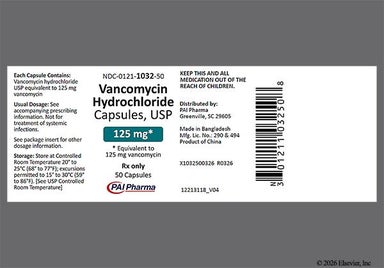
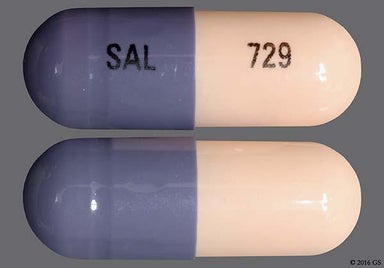
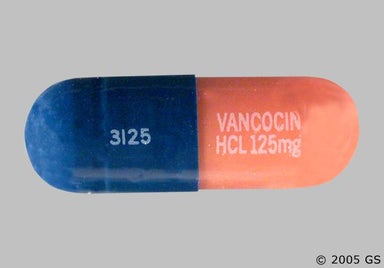
Yes. Vancomycin also comes as capsules that you take by mouth, not just as an injection. But the pill form treats different infections than the injection. The pill is only approved to treat infectious diarrhea caused by C. diff and gut inflammation caused by S. aureus bacteria.
