



Are Testosterone Pills Right for You? 7 Things to Consider
Wondering if testosterone pills are right for you? Learn about the risks, the benefits, and what to consider before trying testosterone replacement therapy.
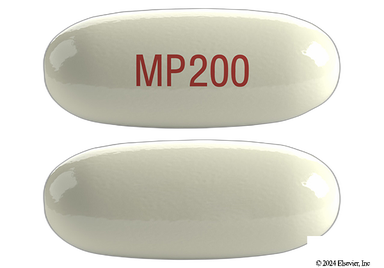
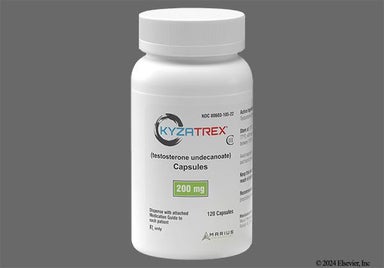
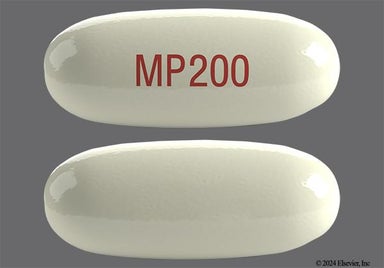
Kyzatrex (testosterone undecanoate) is an oral medication used to treat adult males with a condition called hypogonadism, meaning they have low or no testosterone. It comes as a convenient capsule that's typically taken by mouth twice a day (once in the morning and once in the evening). The most common side effect of this medication is high blood pressure. Kyzatrex (testosterone undecanoate) is available as a brand-name medication only; there are currently no generic versions on the market.

Testosterone is a hormone that your body makes. It's the main sex hormone in males and is responsible for developing male sex organs. Testosterone also plays a role in maintaining other body functions, such as muscle growth, sex drive, and sperm production.
Some males have low testosterone because of certain medical conditions. Kyzatrex (testosterone undecanoate) works by raising testosterone in the body to healthy levels.
| Common Brands | Kyzatrex, Undecatrex |
|---|---|
| Drug Class | Testosterone replacement |
| Controlled Substance Classification | Schedule III |
| Generic Status | No lower-cost generic available |
| Availability | Prescription only |

Kyzatrex (testosterone undecanoate) can cause some serious health issues. This risk may be even higher for certain groups. If this worries you, talk to your doctor or pharmacist about other options.
 Kyzatrex (testosterone undecanoate) can cause high blood pressure that raises the risk of serious problems, such as heart attack, stroke, or sudden cardiac (heart-related) death. This is more likely to occur in people who already have heart problems or have risk factors for heart problems. Your provider will check your blood pressure before you begin taking Kyzatrex (testosterone undecanoate) and periodically after you start or if there's a change in your dose. They'll probably also ask you to check your blood pressure regularly at home. If you develop high blood pressure, your provider might ask you to start blood pressure medication. If your blood pressure still remains high, you might need to stop taking Kyzatrex (testosterone undecanoate).
 Let your provider know and get emergency help right away if you experience symptoms of heart problems, such as:
Stroke: sudden numbness or weakness on one side of your body, sudden confusion, trouble speaking, difficulty maintaining balance Heart attack: dizziness, tiredness, tightness or pain in the chest, heartburn, trouble breathing, sweating, anxiety
Kyzatrex (testosterone undecanoate) can cause a high red blood cell count. This can raise the risk for blood clots to develop that can possibly lead to strokes and heart attacks. Your provider will order blood tests every 3 months to check that your red blood cell count is healthy. Get emergency help right away if you have chest pain, cold sweats, left arm pain, difficulty breathing, trouble walking or speaking, or weakness on one side of the body, as you might have to stop taking the medication.
Kyzatrex (testosterone undecanoate) can cause life-threatening blood clots in your legs or lungs. Symptoms of a blood clot in the legs include leg pain, swelling, or redness. Symptoms of a blood clot in the lungs include difficulty breathing or chest pain. Let your provider know if you have any of these symptoms and seek medical help right away, as you might have to stop the medication.
Kyzatrex (testosterone undecanoate) is a controlled substance because it has a risk of misuse, dependency, and addiction, especially if you use higher doses than prescribed or use it with other testosterones. Misusing Kyzatrex (testosterone undecanoate) can cause serious heart and mental health problems. These problems can include heart attack, heart failure, stroke, liver problems, depression, delusions, hallucinations, and aggression. Dependency is when you rely on the medication to function normally and have withdrawal symptoms, such as depression, trouble sleeping (insomnia), and lowered sex drive, when you lower the dose or stop the medication suddenly.
Continued misuse of Kyzatrex (testosterone undecanoate) can lead to addiction. Addiction can cause behaviors, such as taking a higher dose than prescribed, spending a lot of time trying to get the medication when there are problems with availability, prioritizing medication use over other responsibilities, and having trouble stopping the medication even if you want to stop. Remember to take Kyzatrex (testosterone undecanoate) as prescribed to lower the risk of misuse, dependency, and addiction.
Taking Kyzatrex (testosterone undecanoate) can worsen certain symptoms in people with an enlarged prostate, or benign prostatic hyperplasia (BPH). Let your provider know if you experience any changes in your urinary routine, such as more urination at night, feeling like you need to urinate more often or immediately, trouble urinating, accidentally urinating, or urinating slowly.
Kyzatrex (testosterone undecanoate) can also raise your risk of prostate cancer. Your provider might have you get occasional blood tests and physical check-ups before and during treatment. Kyzatrex (testosterone undecanoate) isn't recommended if you have prostate cancer because it might worsen your cancer.
Using certain forms of testosterone, such as methyltestosterone and testosterone enanthate intramuscular injection, for long periods of time can cause life-threatening liver problems. While Kyzatrex (testosterone undecanoate) isn't known to cause liver problems, it's important to be aware of this risk. Let your provider know if you're experiencing stomach pain, light-colored stools, dark urine, or if your skin or the whites of your eyes turn yellow. You might need to stop the medication.
Kyzatrex (testosterone undecanoate) can lower the amount of sperm you make, which can make it harder for you to have a baby. This is more likely to happen when using higher doses of Kyzatrex (testosterone undecanoate). Because this might become permanent, talk to your provider if you're trying to have a baby.
Taking Kyzatrex (testosterone undecanoate) can cause your body to hold onto more salt and water, which can lead to swelling in your legs or arms and sudden weight gain. This is more likely to happen if you're also taking other medications that cause swelling, such as corticosteroids (e.g., prednisone, methylprednisolone (Medrol)). Swelling can be more serious in people with heart, liver, or kidney conditions. Talk to your provider if you have any of these symptoms because you might need to stop Kyzatrex (testosterone undecanoate) or take other medications (e.g., water pills or diuretics) to help with this problem.
Kyzatrex (testosterone undecanoate) can worsen symptoms in people who have breathing problems while they sleep. This is more likely to happen to people who also have a history of obesity or lung conditions. Talk to your provider if you experience more daytime sleepiness or if your partner notices that you stop breathing in your sleep more often.
Kyzatrex (testosterone undecanoate) can raise calcium levels in the blood, especially in people with cancer. Too much calcium can lead to muscle weakness, thirst, bone pain, and kidney problems such as frequent urination. During treatment with Kyzatrex (testosterone undecanoate), your provider might have you get regular blood tests to make sure your calcium levels are within the normal range.

The following side effects may get better over time as your body gets used to the medication. Let your healthcare provider know immediately if you continue to experience these symptoms or if they worsen over time.
Contact your healthcare provider immediately if you experience any of the following.
Side effects that you should report to your care team as soon as possible:
Side effects that usually do not require medical attention (report these to your care team if they continue or are bothersome):




The typical starting dose is 200 mg by mouth twice daily (once in the morning and once in the evening), with food. Your provider might adjust your dose based on the testosterone levels in your blood. The typical maintenance dose ranges from 100 mg once daily to 400 mg twice daily.

Contraindications are specific health conditions or situations in which a person should not take a medication due to safety concerns. If you have any of the following conditions or if any of the following apply to you, let your healthcare provider know because Kyzatrex (testosterone undecanoate) will not be safe for you to take.




Prescription savings
Stop paying too much for your prescriptions. Compare prices, get pharmacy coupons, and save up to 80%. Find expert answers to your health questions so you can make the best decisions for yourself and your family.
Health conditions
Medications & treatment
Access & affordability
Medication discounts

Kyzatrex can begin to raise your testosterone levels soon after you start treatment. But it might take several weeks for your healthcare provider to help you figure out the right dose that works best for you. Your provider will order labs to measure your testosterone levels at least one week after you start Kyzatrex. And depending on these results, they might need to change the dose. Then, you'll wait at least another week after each dose change to get tested again to see how the treatment is working for you.
Pretty well. In clinical studies, Kyzatrex raised testosterone levels to a healthy range in 96% of males after 3 months of treatment. But everyone will respond to the medication differently. So if you have questions about how well Kyzatrex will work for you, it's best to discuss with your provider.
Kyzatrex and Jatenzo (testosterone undecanoate) both have the same active ingredient, testosterone undecanoate. But it's important to note that each brand-name medication contains a different amount of testosterone undecanoate in its capsule, so the dosage isn't the same. You can't substitute one brand-name medication for another. Your dose for each of these medications will be adjusted according to your testosterone levels. Talk to your provider to see which medication is right for you.
Kyzatrex and Aveed (testosterone undecanoate) are both testosterone medications used to treat low testosterone in males, but they're taken differently. Kyzatrex is a capsule that's taken by mouth twice a day. On the other hand, Aveed (testosterone undecanoate) injection is given in the buttock muscle at your provider’s office on day 1 of therapy, 4 weeks later, and then every 10 weeks. Discuss with your provider about which medication is best for you.
No. Kyzatrex isn't approved to treat age-related low testosterone. Instead, it's specifically FDA approved to treat low testosterone caused by certain medical conditions, like genetic issues, testes infection, or chemotherapy effects. Talk to your provider if you're unsure whether Kyzatrex is right for you.
