Obstructive Sleep Apnea: Symptoms, Causes, and Treatment
Comprehensive information for you or a loved one — including treatment options and discounts on popular medications.

Obstructive sleep apnea (OSA) is a very common sleep-related breathing disorder, and it can be quite serious. In OSA, breathing stops for short periods of time while you sleep. These disruptions in breathing reduce how much oxygen you get. So OSA can have serious effects on your health and quality of life.
Experts estimate that it affects 1 billion people in the world. In the U.S., research suggests that OSA affects about 1 in every 4 men and 1 in every 10 women. These numbers are likely low because many people don’t know they have it and never get tested.


In OSA, pauses in breathing (called apnea) are due to a physical blockage in the throat or upper airway. This is usually due to the anatomical structures in the back of the throat and the way those structures change shape and position when you sleep.
The exact cause of OSA is often complex and may be different for each person. Many different things can contribute to OSA. Some are related to physical characteristics, like neck size or jaw shape. Other factors affect how you breathe or sleep, like smoking or alcohol use. For many people, it’s likely a combination of factors.
The following risk factors increase the likelihood of OSA:
Male sex: Men are more likely than women to have OSA — up to a certain age. After menopause, a woman's risk seems to increase similarly to men.
Older age: The risk of OSA continually increases as you get older, but it’s still a relatively common condition for people in their 30s and younger. And OSA can also affect children.
Body shape and size: People with a body mass index (BMI) of 30 or above are at higher risk for OSA. Physical characteristics of the face and neck also play a role, like a shorter lower jaw, enlarged tonsils, or thicker neck.
Medications and substances: Smoking, alcohol, and sedative medications all increase the risk of OSA.
Medical conditions: Certain medical conditions are associated with increased risk of OSA. These include Type 2 diabetes, Parkinson’s disease, prior stroke, polycystic ovary syndrome (PCOS), and thyroid conditions.
Genetics: People with family members who have OSA are also more likely to develop OSA.
Many people with OSA don’t know that they have it. Or their bed partners are the first ones to notice these episodes. But some people may notice that they wake up several times during the night with a choking or gasping sensation.
A common sign of OSA is snoring. But just because you snore doesn’t mean that you have OSA — and vice versa.
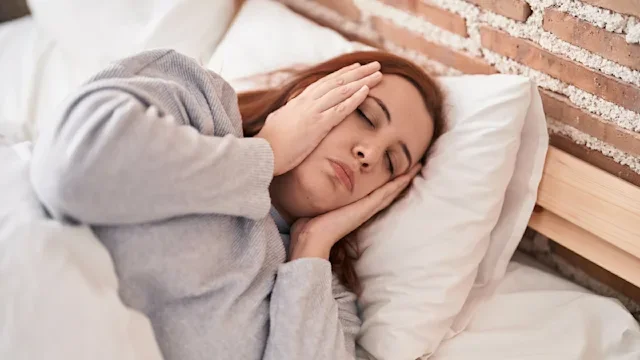
OSA can cause many different symptoms during the day as well. They’re related to disrupted sleep or decreased oxygen levels at night. These include:
Daytime sleepiness
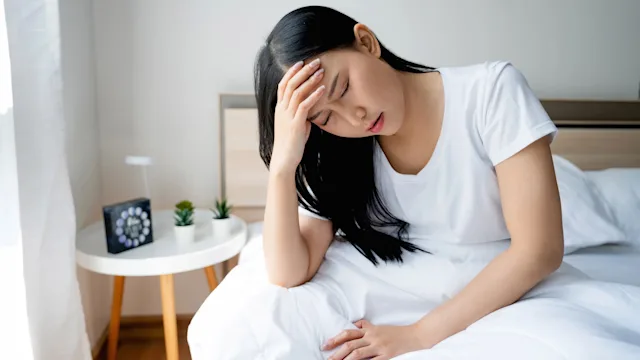
Morning headaches
Difficulty concentrating
Memory problems
Mood changes
OSA can have a negative effect on quality of life. And it can be dangerous. For example, OSA can increase the risk of a car accident from falling asleep at the wheel.
Compare prices and information on the most popular Sleep Apnea medications.
To diagnose OSA, a sleep specialist will evaluate your symptoms and any sleep disruptions. So it’s helpful to hear from anyone who sleeps near you. You’ll also need to do a test to monitor your sleeping patterns.
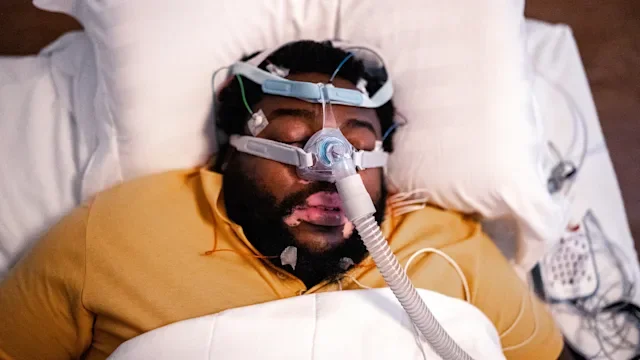
The go-to test to help diagnose OSA is a sleep study, or polysomnography (PSG). A PSG takes place overnight in a sleep lab, and it can help diagnose many sleep disorders (not just OSA).
While you sleep, healthcare professionals keep track of your:
Breathing patterns
Brain waves
Eye movements
Body movements
Vital signs, like heart rate and blood oxygen
Nowadays, there are also at-home sleep apnea tests. They can be more convenient, but PSGs are still the gold standard to help diagnose sleep disorders, including sleep apnea. So check with your sleep specialist to find the best test for you.
The results from your sleep study give your sleep specialist important information about how many episodes of apnea you have per hour. They use these study results along with your medical history to make a diagnosis and determine how severe your OSA is. And this helps figure out which treatment is best for you.
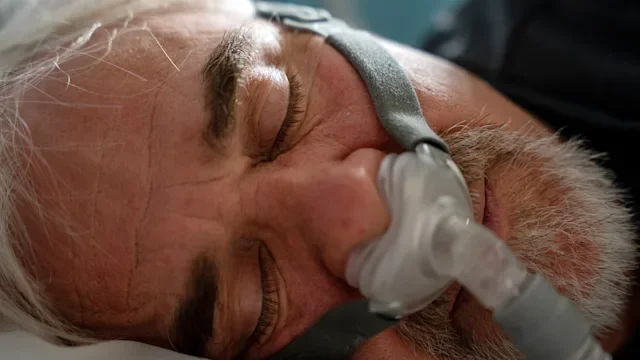
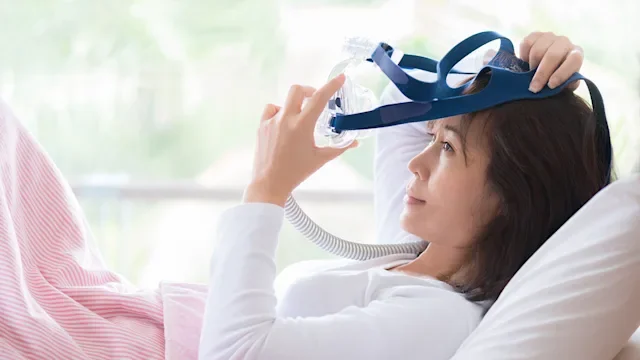
There are a range of treatments for sleep apnea, from self-care and lifestyle changes to surgery and medications. CPAP — continuous positive airway pressure — is the most common treatment for OSA. It keeps your airways open so that you get enough oxygen while sleeping.
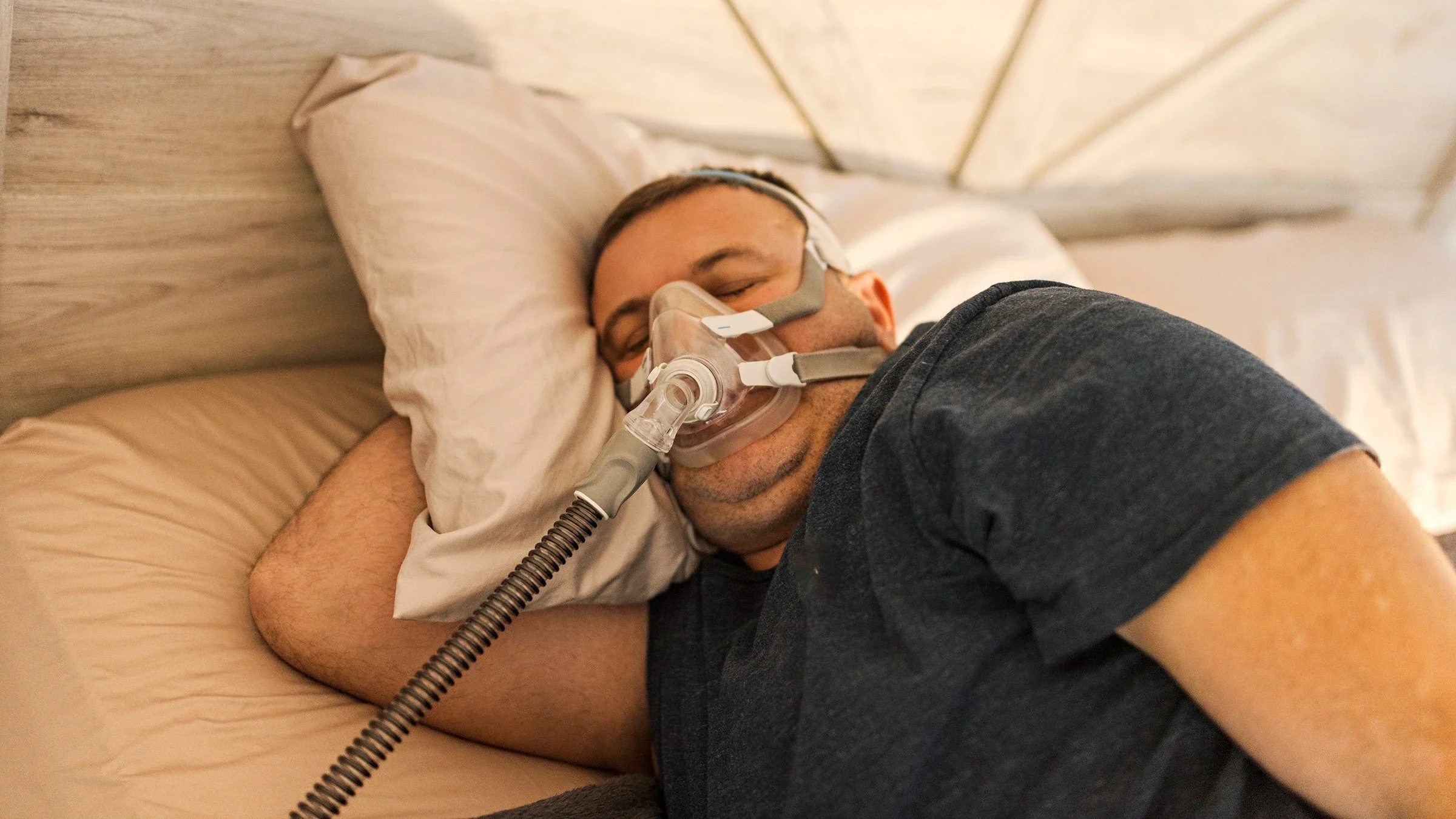
A CPAP machine is connected to a face mask that you wear at night. The machines have gotten smaller, lighter, and quieter over time. But it usually takes some time for people to get used to wearing them. CPAP is a highly effective treatment for people with moderate-to-severe cases of OSA.
Other treatment options include:
Lifestyle changes: This may mean losing weight or addressing substance use.
Different sleep positions: You can try to sleep on your side rather than your back, for example.
Oral devices: These help stabilize the jaw and tongue to help keep the airway open during sleep. Dentists usually help with fit and design.
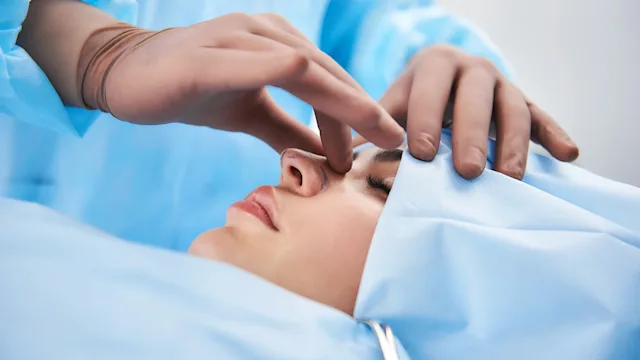
Surgery: There are a range of surgeries for OSA that may help people with moderate or severe OSA. Usually, surgery becomes an option after other treatments haven’t worked. The cost of sleep apnea surgery can be quite high, but it really depends on the type of surgery.
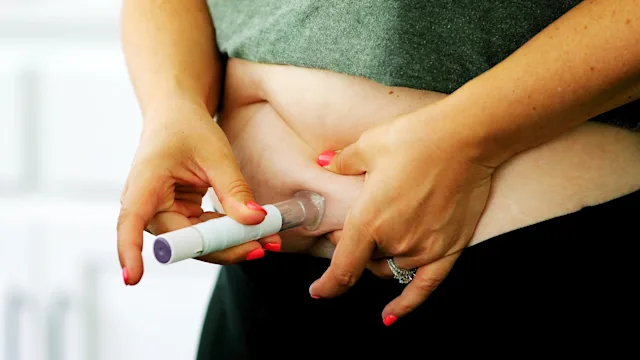
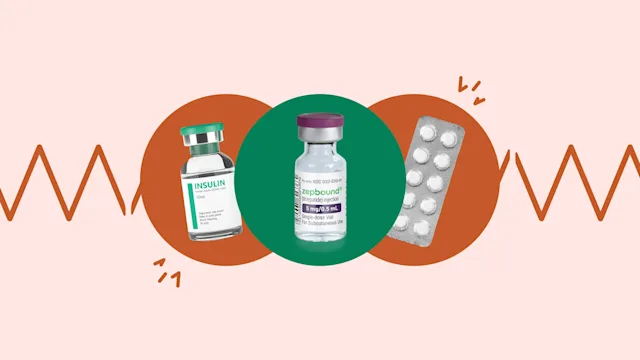
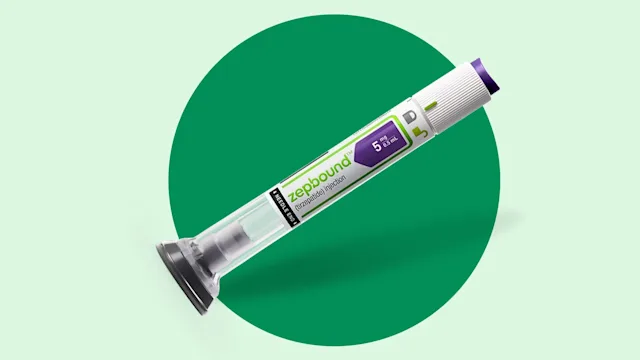
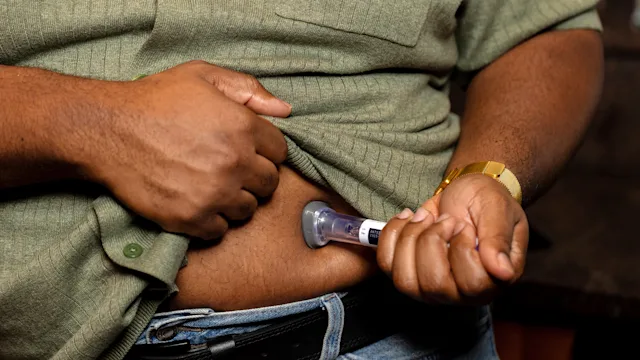
Medications: Certain medications can help with excessive daytime sleepiness. Another medication — tirzepatide (Zepbound) — was recently approved for moderate-to-severe OSA treatment.
While you can’t change things like your age or biological sex, there are some changes you can make to lower your risk of OSA. Here are some examples:
Consider dietary changes and exercise, which may help with weight loss.
Quit or cut back on smoking.
Reduce your alcohol intake.
And remember that just by tending to your other health needs, you’re decreasing your risk of OSA. This includes things like monitoring your blood sugar if you have diabetes, or taking your medications for high blood pressure or other conditions. Most OSA prevention strategies will have a positive effect on other medical conditions and your overall health.
Losing weight can definitely help reduce symptoms. But OSA is a chronic condition, and there’s no cure. However, there are many different treatment options that can help.
Losing weight can definitely help reduce symptoms. But OSA is a chronic condition, and there’s no cure. However, there are many different treatment options that can help.
A lot of people experience snoring at night for different reasons. But snoring alone doesn’t mean you have OSA. Diagnosis starts with a sleep study.
If you’re concerned about frequent snoring, first reach out to your primary healthcare professional.
Studies suggest the CPAP machine should be used for about 6 or 7 hours each night for the greatest benefits.
But since everyone with OSA is different, the length of time you need to use the machine may differ. Your sleep specialist will discuss these details with you after making a diagnosis.
There are many different lifestyle changes and sleep apnea self-care strategies that you can try to reduce your OSA symptoms. Eating a balanced diet and exercising are great ways to try to improve your sleep quality.
But, with more severe OSA, your care team may recommend CPAP, medications, or even surgery. Have an open conversation with your healthcare professional if you have concerns about using a CPAP machine.
Sleep problems like insomnia are often influenced by stress. And stress can contribute to OSA too. But OSA and insomnia are two different conditions.
Practicing relaxation techniques may help with insomnia and improve sleep quality. But OSA needs medical treatment to make sure you’re getting enough oxygen while sleeping.
Experiencing pauses in your breathing when you’re asleep sounds pretty scary. And this can lead to a range of uncomfortable symptoms related to poor sleep and lower oxygen levels at night. But sleep apnea is unlikely to be a direct cause of death. That said, sleep apnea can worsen other long-term conditions, like high blood pressure, heart disease, and diabetes.
American Thoracic Society. (2019). What is obstructive sleep apnea in adults? American Journal of Respiratory and Critical Care Medicine.
Benetó, A., et al. (2009). Comorbidity between sleep apnea and insomnia. Sleep Medicine Reviews.

Prescription savings
Stop paying too much for your prescriptions. Compare prices, get pharmacy coupons, and save up to 80%. Find expert answers to your health questions so you can make the best decisions for yourself and your family.
Health conditions
Medications & treatment
Access & affordability
Medication discounts