Key takeaways:
Sleep apnea can cause brain fog — a set of symptoms that includes trouble with memory, focus, and mental clarity.
Untreated sleep apnea can lead to long-term changes in your brain. But treatment can help reverse or prevent these effects.
If you regularly feel mentally “off” and suspect poor sleep may be the cause, talk to a healthcare professional about whether a sleep study might be right for you.
When you have sleep apnea, your breathing repeatedly stops during sleep, causing your brain to get less oxygen. Over time, these disruptions do more than just leave you feeling tired; they can interfere with memory and concentration — symptoms that are referred to as brain fog.
But the effects of sleep apnea go beyond just mental fuzziness. Studies show that untreated sleep apnea can actually change the structure and function of your brain. The good news? With the right treatment, these changes can be improved or even reversed.
Read on to learn more about how sleep apnea affects your brain and what you can do about it.
Search and compare options
What is brain fog?
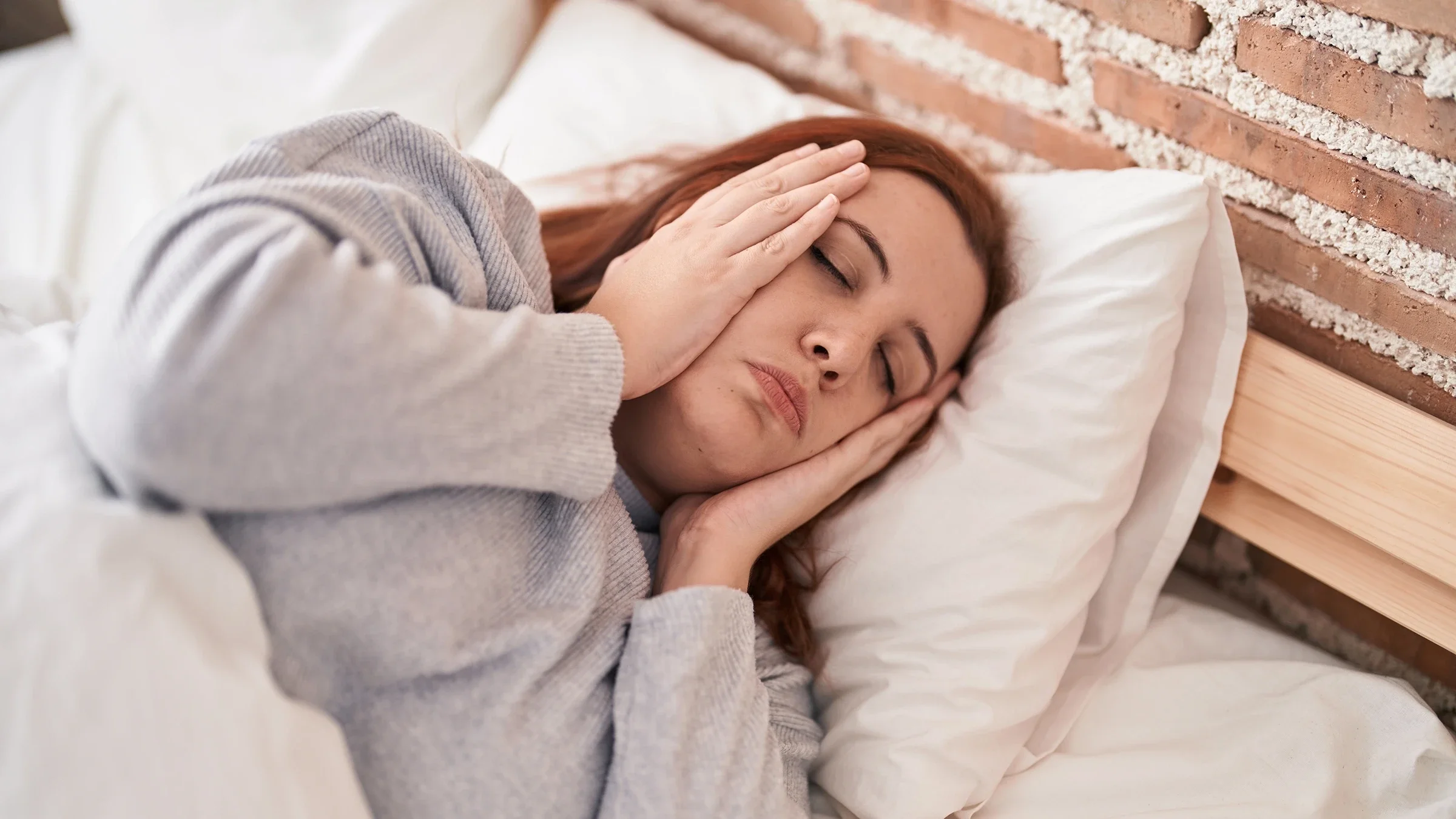
Brain fog isn’t a formal diagnosis, but it’s a real and frustrating set of symptoms. People with brain fog often describe feeling like they’re in a mental haze — easily distracted, forgetful, or unable to concentrate. You might forget words mid-sentence, feel slower at problem-solving, or struggle to focus at work. These symptoms are often more pronounced in the morning, after a night of disrupted sleep.
What causes brain fog besides sleep apnea?
Brain fog isn’t unique to sleep apnea. Brain fog can also be linked to:
Hormonal changes (such as menopause)
Medication side effects
Autoimmune disorders
Why does sleep apnea affect brain health?
If you have sleep apnea, your brain is repeatedly deprived of oxygen during the night due to pauses in breathing. Over time, this lack of deep, restorative sleep can start to interfere with how your brain processes and stores information, causing a feeling of brain fog.
Sleep apnea impacts your brain for a few important reasons:
Oxygen deprivation: During an apnea episode, your brain gets less oxygen. Over time, this can damage brain cells and affect areas involved in memory, mood, and decision-making.
Interrupted sleep cycles: Sleep apnea causes you to wake up repeatedly throughout the night. This prevents you from reaching deep, restorative stages of sleep, which is when your brain consolidates memories, clears out waste products, and recharges for the next day.
Inflammation and structural changes: Studies have shown that untreated obstructive sleep apnea (OSA) may lead to a reduction in gray matter volume, particularly in areas of your brain tied to attention, memory, and executive function. This change in brain structure has been linked to higher rates of dementia.
These effects help explain why some people with sleep apnea report symptoms like early dementia or chronic fatigue.
How do you know if sleep apnea could be causing your symptoms?
People with obstructive sleep apnea (OSA) typically snore loudly. If you share a bed or home with loved ones, they might hear you gasp or choke during sleep. Sleep apnea also causes daytime sleepiness and brain fog.
Though occasional grogginess or forgetfulness can happen to anyone, there are some specific clues that you may need to get checked for sleep apnea:
You have persistent brain fog.
Your work, relationships, or daily life are affected.
You have symptoms like loud snoring, gasping at night, or excessive daytime sleepiness.
The next step is to see your primary care provider or a sleep specialist. They’ll review your symptoms and medical history. They’ll probably also have you answer a questionnaire about your symptoms. To confirm a diagnosis, you’ll need a test that monitors your sleep patterns. The gold standard is an overnight sleep study in a lab, also called a polysomnography (PSG).
Sleep tests track your breathing, brain waves, body movements, and vital signs to give a detailed picture of what’s happening while you sleep. The results will show how many times you stop or slow your breathing during sleep. With this information, your medical team can confirm whether you have OSA and guide you to the right treatment plan.
There are also at-home sleep apnea tests, which can be easier and more convenient, but they don’t provide the same depth of information as a PSG.
How do you get rid of brain fog?
If your brain fog is caused by sleep apnea, the most important step is treating the root of the problem: the sleep apnea itself.
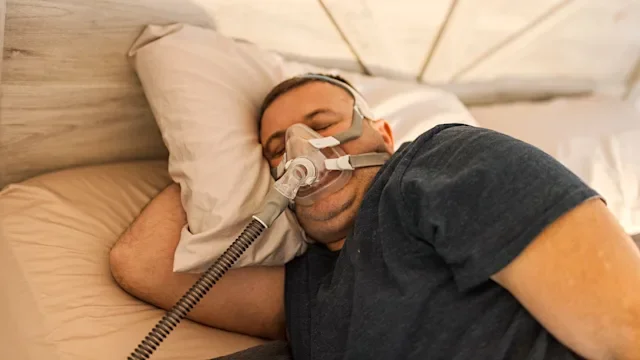
The most effective treatment for obstructive sleep apnea is a CPAP (continuous positive airway pressure machine, which delivers continuous air pressure through a mask to keep your airway open while you sleep. Other options may include oral appliances or surgery.
In the meantime, certain lifestyle changes can help support better brain health and reduce symptoms of fogginess:
Prioritize sleep hygiene (including maintaining a consistent bedtime and no screens before bed).
Limit alcohol and avoid sedatives.
Eat a balanced, anti-inflammatory diet.
Treat other medical conditions that can contribute to fatigue or brain fog (like depression, hypothyroidism, or anemia).
If your symptoms are linked to poor sleep, improving your sleep quality will likely improve your mental clarity, too.
Are the effects of sleep apnea on your brain permanent?
The effects of sleep apnea on your brain can be permanent, especially if the condition goes untreated for years. But, with proper treatment, many people see significant improvement or even reversal of symptoms.
Research shows that consistent CPAP machine use can improve attention, memory, and executive function within months — and sometimes even restore healthy brain metabolism and structure.
That said, recovery doesn’t look the same for everyone. Age, how long the sleep apnea went untreated, and other health conditions can all affect how quickly or fully your brain function bounces back.
Even if progress is slow, treating sleep apnea gives your brain the best chance to heal and helps prevent further decline.
Can you prevent brain fog if you have sleep apnea?
Yes, you can prevent brain fog if you have sleep apnea — and early treatment is key. The longer sleep apnea goes untreated, the higher the risk of longer-lasting effects on your brain.
Several studies have shown that using a CPAP machine consistently can help prevent further cognitive decline and, in some cases, even reverse structural changes in your brain. Other research has found that people with untreated sleep apnea perform worse on memory, attention, and executive function tests — but that these symptoms can improve with regular CPAP machine use. In fact, brain imaging studies have shown that treatment can lead to improvements in the areas of your brain responsible for memory and learning.
The best way to prevent brain fog is to get ahead of it. If you’ve been diagnosed with sleep apnea, use your CPAP machine every night, not just when you feel tired. Skipping even a few nights can undo the benefits.
The bottom line
Sleep apnea doesn’t just leave you tired, it can actually take a toll on your brain. Left untreated, it can lead to real changes in how your brain functions and feels. But the good news is that this damage isn't necessarily permanent. With the right diagnosis and consistent treatment, many people see major improvements in their thinking, memory, and overall brain health. If you’re struggling with brain fog and suspect poor sleep might be part of the problem, don’t delay talking to a healthcare professional.

Why trust our experts?



References
Baril, A., et al. (2021). Obstructive sleep apnea and the brain: A focus on gray and white matter structure. Current Neurology and Neuroscience Reports.
Castronovo, V., et al. (2014). White matter integrity in obstructive sleep apnea before and after treatment. Sleep.
Gagnon, K., et al. (2014). Cognitive impairment in obstructive sleep apnea. Pathologie-biologie.
Park, H. R., et al. (2023). Effects of continuous positive airway pressure on white matter microstructure in patients with obstructive sleep apnea. Sleep Medicine Research.
Patel, A. K., et al. (2024). Physiology, sleep stages.
Pollicina, I., et al. (2021). Neurocognitive performance improvement after obstructive sleep apnea treatment: State of the art. Behavioral Sciences.
Rosenzweig, I., et al. (2016). Changes in neurocognitive architecture in patients with obstructive sleep apnea treated with continuous positive airway pressure. eBioMedicine.
Sun, Y., et al. (2023). Effects of a single night of continuous positive airway pressure on spontaneous brain activity in severe obstructive sleep apnea. Scientific Reports.
UC Irvine News. (2025). Study links REM sleep apnea to brain changes, memory loss in older adults.
Wang, M., et al. (2020). Cognitive effects of treating obstructive sleep apnea: A meta-analysis of randomized controlled trials. Journal of Alzheimer's Disease.