


Are Testosterone Pills Right for You? 7 Things to Consider
Wondering if testosterone pills are right for you? Learn about the risks, the benefits, and what to consider before trying testosterone replacement therapy.
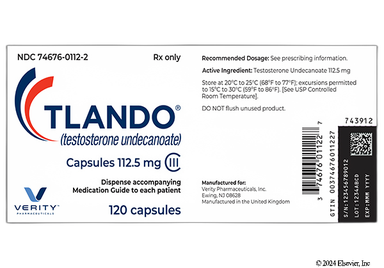
Tlando (testosterone undecanoate) is an oral capsule that's used to treat adult males with certain conditions that cause low or no testosterone. It comes in a convenient pill form that's taken by mouth twice a day. Common side effects of this medication include higher blood pressure and upper respiratory infections. While using Tlando (testosterone undecanoate), it's important to have regular blood tests to check your testosterone levels since your results will determine whether you should continue to use the medication.

Testosterone is a hormone that your body makes. It's the main sex hormone in males and is responsible for development of male sex organs. Testosterone also plays a role in maintaining other body functions, such as muscle growth, sex drive, and sperm production.
Some males have low testosterone because of certain medical conditions or as a side effect of chemotherapy. Tlando (testosterone undecanoate) works by raising testosterone in the body to healthy levels.
| Common Brands | Tlando |
|---|---|
| Drug Class | Testosterone replacement |
| Controlled Substance Classification | Schedule III |
| Generic Status | No lower-cost generic available |
| Availability | Prescription only |

Tlando (testosterone undecanoate) can cause some serious health issues. This risk may be even higher for certain groups. If this worries you, talk to your doctor or pharmacist about other options.
 Tlando (testosterone undecanoate) can raise your blood pressure. Higher blood pressure can lead to serious problems, such as heart attack, stroke, or sudden cardiac (heart-related) death. This is more likely to occur in people who already have heart problems or have risk factors for heart problems, such as high blood sugar. Your provider will check your blood pressure before you start Tlando (testosterone undecanoate), about 3 weeks after you begin treatment, and regularly after that. They'll also ask you to check your blood pressure at home. If you develop high blood pressure, your provider might ask you to start a blood pressure medication. If your blood pressure still remains high, you might need to stop taking Tlando (testosterone undecanoate).
Let your provider know and get emergency help right away if you experience symptoms of heart problems, such as:
Tlando (testosterone undecanoate) can cause a high red blood cell (RBC) count. This can raise your risk for blood clots, which can affect any part of your body, including the brain, heart, lung, and legs. Your provider will check your RBC levels about every 3 months during your first year of Tlando (testosterone undecanoate) treatment, and then every 6 months after that. Get emergency help right away if you have symptoms of stroke, heart attack, or of blood clots in other parts of the body, including:
Tlando (testosterone undecanoate) is a controlled substance because of its potential for misuse. People have misused Tlando (testosterone undecanoate) by taking it for reasons other than what's prescribed. Misusing Tlando (testosterone undecanoate) can cause serious heart and mental health problems, such as heart attack, heart failure, stroke, liver problems, depression, delusions, hallucinations, and aggression.
Misusing Tlando (testosterone undecanoate) can also lead to addiction and dependence. Some symptoms of addiction include taking higher doses of Tlando (testosterone undecanoate) than prescribed and continuing to take this medication despite experiencing serious health problems related to the medication. Dependence can lead to withdrawal symptoms, such as depression, tiredness, and irritability.
Only take Tlando (testosterone undecanoate) as prescribed by your provider.
Taking Tlando (testosterone undecanoate) can worsen certain symptoms in people with an enlarged prostate, or benign prostatic hyperplasia (BPH). Let your provider know if you experience any changes in your urinary routine, such as more urination at night, feeling like you need to urinate more often or immediately, trouble urinating, accidentally urinating, or urinating slowly.
Tlando (testosterone undecanoate) can also raise your risk of prostate cancer. Your provider might have you perform occasional blood tests and physical check-ups before and during treatment. Tlando (testosterone undecanoate) isn't recommended if you have prostate cancer, because it might worsen your cancer.
Using injectable testosterone, such as methyltestosterone and testosterone enanthate intramuscular injection, for long periods of time can cause life-threatening liver problems. This isn't a known risk of Tlando (testosterone undecanoate), but it's important to look out for signs and symptoms of liver damage. Let your provider know if you're experiencing stomach pain, light-colored stools, dark urine, or if your skin or the whites of your eyes turn yellow, because you might need to stop the medication.
Taking Tlando (testosterone undecanoate) can cause your body to hold onto more salt and water, which can lead to swelling in your legs or arms and sudden weight gain. This is more likely to happen if you're also taking other medications that cause swelling, such as corticosteroids (e.g., prednisone, methylprednisolone (Medrol)). It can be more serious in people with heart, liver, or kidney conditions. Talk to your provider if you have any of these symptoms, because you might need to stop Tlando (testosterone undecanoate) or take other medications (e.g., water pills or diuretics) to help with this problem.
Tlando (testosterone undecanoate) can worsen symptoms in people who have breathing problems while they sleep. This is more likely to happen to people who also have a history of obesity or lung conditions. If you experience more daytime sleepiness or if your partner notices that you stop breathing in your sleep more often, talk to your provider.
Tlando (testosterone undecanoate) can raise calcium levels in the blood, especially in people with cancer. Too much calcium can lead to muscle weakness and kidney problems, such as frequent urination, thirst, stomach pain, and blood in the urine. During treatment with Tlando (testosterone undecanoate), your provider might have you perform regular blood tests to make sure your calcium levels are within the normal range.
Tlando (testosterone undecanoate) can raise prolactin levels in your blood. Prolactin is a hormone that's responsible for making breast milk during and after pregnancy. Normally, males have low levels of prolactin. But taking Tlando (testosterone undecanoate) can cause that level to become higher than normal. This can lead to larger breasts, discharge from the nipples, sexual problems, and lower amounts of body hair. Your provider will check your prolactin level before you start Tlando (testosterone undecanoate) and again 3 to 4 months into your treatment. If your prolactin levels are too high, your provider might tell you to stop taking the medication.

The following side effects may get better over time as your body gets used to the medication. Let your healthcare provider know immediately if you continue to experience these symptoms or if they worsen over time.
Contact your healthcare provider immediately if you experience any of the following.
Side effects that you should report to your care team as soon as possible:
Side effects that usually do not require medical attention (report these to your care team if they continue or are bothersome):




 Capsule
| Dosage | Quantity | Price as low as | Price per unit |
|---|---|---|---|
| 112.5mg | 120 capsules | $775.92 | $6.47 |


Contraindications are specific health conditions or situations in which a person should not take a medication due to safety concerns. If you have any of the following conditions or if any of the following apply to you, let your healthcare provider know because Tlando (testosterone undecanoate) will not be safe for you to take.




Prescription savings
Stop paying too much for your prescriptions. Compare prices, get pharmacy coupons, and save up to 80%. Find expert answers to your health questions so you can make the best decisions for yourself and your family.
Health conditions
Medications & treatment
Access & affordability
Medication discounts


Both Tlando and Jatenzo (testosterone undecanoate) contain the same medication and are used to raise testosterone levels. But you can't substitute one brand name for the other because they contain different amounts of testosterone undecanoate in each pill. One major difference between them is how they are dosed. Tlando has a single recommended dose, so your dose won't be adjusted based on your testosterone level (unless it's too high, in which case your provider will likely tell you to stop taking it). But if you're taking Jatenzo, your provider will adjust the dose based on your testosterone level.
Tlando and Aveed (testosterone undecanoate) injection are both testosterone medications used to treat low testosterone in males, but they're taken differently. Tlando is taken by mouth twice a day. On the other hand, Aveed (testosterone undecanoate) injection is given in the buttock muscle at your provider’s office on day 1 of therapy, 4 weeks later, and then every 10 weeks. Discuss with your provider about which medication is best for you.
Tlando can start to raise your testosterone levels soon after your first dose of the medication. But it can take several weeks before your provider can find the right dose that works best for you. Your provider will check your testosterone level about a month after you start taking Tlando. Based on your lab results, you either continue or stop your treatment. Your provider will check your testosterone level regularly throughout treatment to make sure it's stable and within a safe range.
Tlando does have a risk of addiction, especially if it's misused (when it's taken for reasons other than what it's prescribed for). Symptoms of addiction can include taking higher doses of Tlando than what's prescribed and continuing to take Tlando despite experiencing medical problems. It can also involve becoming physically dependent on Tlando and experiencing withdrawal symptoms, such as depression, craving, and feeling irritable, when the medication is stopped. Remember to use Tlando as prescribed by your provider. Misusing Tlando can not only raise the risk for addiction, but also for serious side effects, such as heart attack, stroke, and hallucination.
No, Tlando can't treat age-related low testosterone. It's only FDA-approved to treat low testosterone caused by certain medical conditions, such as certain genetic conditions, infection in the testes, or chemotherapy. If you're not sure whether Tlando is right for you, talk with your provider.
