Key takeaways:
A stroke happens when a part of the brain doesn’t get enough blood.
Some of the symptoms of a stroke are severe headache, trouble speaking, and numbness and weakness on one side of the body.
People who have had a stroke sometimes describe the loss of vision or movement as frightening.
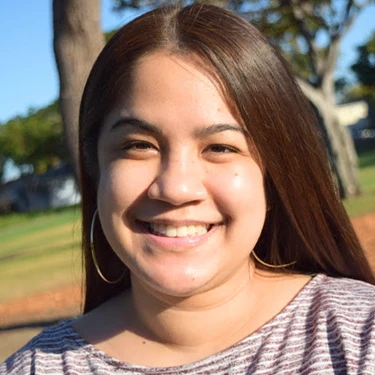
When Jenna Muscat woke up with an unusual headache 2 years ago, having a stroke was the furthest thing from her mind.
At first, she thought it was just an intense headache. But the pain kept getting worse, and she couldn’t get relief, even with medication. After a week of that, she sought medical attention. And it turned out that she was having a stroke, at age 24.
A stroke is a medical emergency that can happen when a part of the brain doesn’t receive enough blood and oxygen to function.
When Jenna went to the emergency room, doctors eventually discovered she had blood clots in her lungs and brain, which they attributed to her hormonal birth control pills. The clots were blocking the blood flow in her brain.
“I fully believed I was going to die,” Jenna says of how much pain she was in.
While strokes are a leading cause of death in the U.S., they are preventable, treatable, and survivable — especially when people spot the warning signs early.
Although a stroke is something that people recover from, it can feel unbearable when it's happening. Here’s how Jenna and two others describe what it feels like to have a stroke.
Pulsating pain that cuts through your brain
When Jenna went to the emergency room for her headache that wouldn’t go away, the first conclusion was that she was having a migraine.
Then, she began to have extreme nausea. Her symptoms seemed to be getting worse, but she had a CT scan — a special kind of imaging study — and it came back clean. So they sent her home.

But her condition did not improve. She started losing her vision and experiencing other symptoms, like ringing in her ears and numbness in parts of her body.
She went back to the emergency room, and a neurologist ordered more scans. They found two pulmonary embolisms in Jenna’s lungs and three blood clots in her brain. She had cerebral sinus venous thrombosis (CVST), a type of stroke caused by a blockage in a blood vessel in the brain.
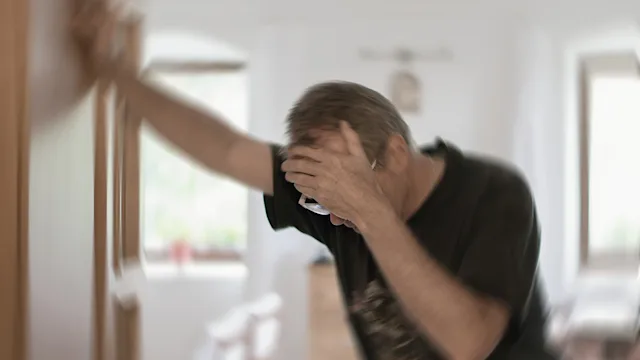
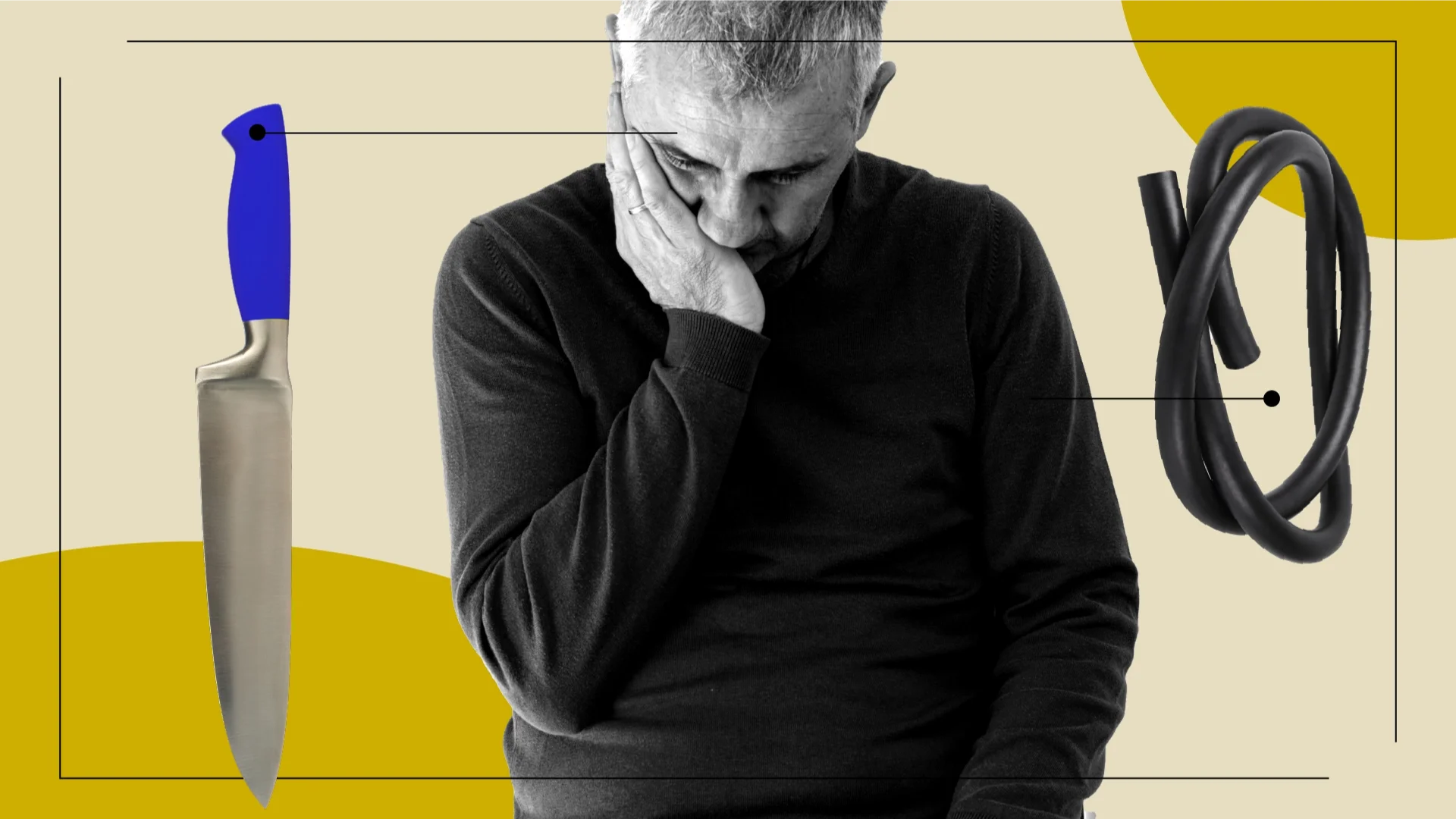
“I can’t put into words the pain, but it’s more pain than I had ever experienced in my life,” Jenna says. “It was pulsating pain, like someone was sticking a knife in my brain behind both of my eyes.”
Jenna, who is now 26 and working as a behavior analyst in Houston, shares her story on TikTok and through organizations like World Thrombosis Day because she doesn’t want anyone to go through the pain she did.
“The biggest thing I want to do is raise awareness, so that people can be aware that this can happen to them and how to better advocate for themselves if it does,” Jenna says.
‘Even healthy people can have a stroke’
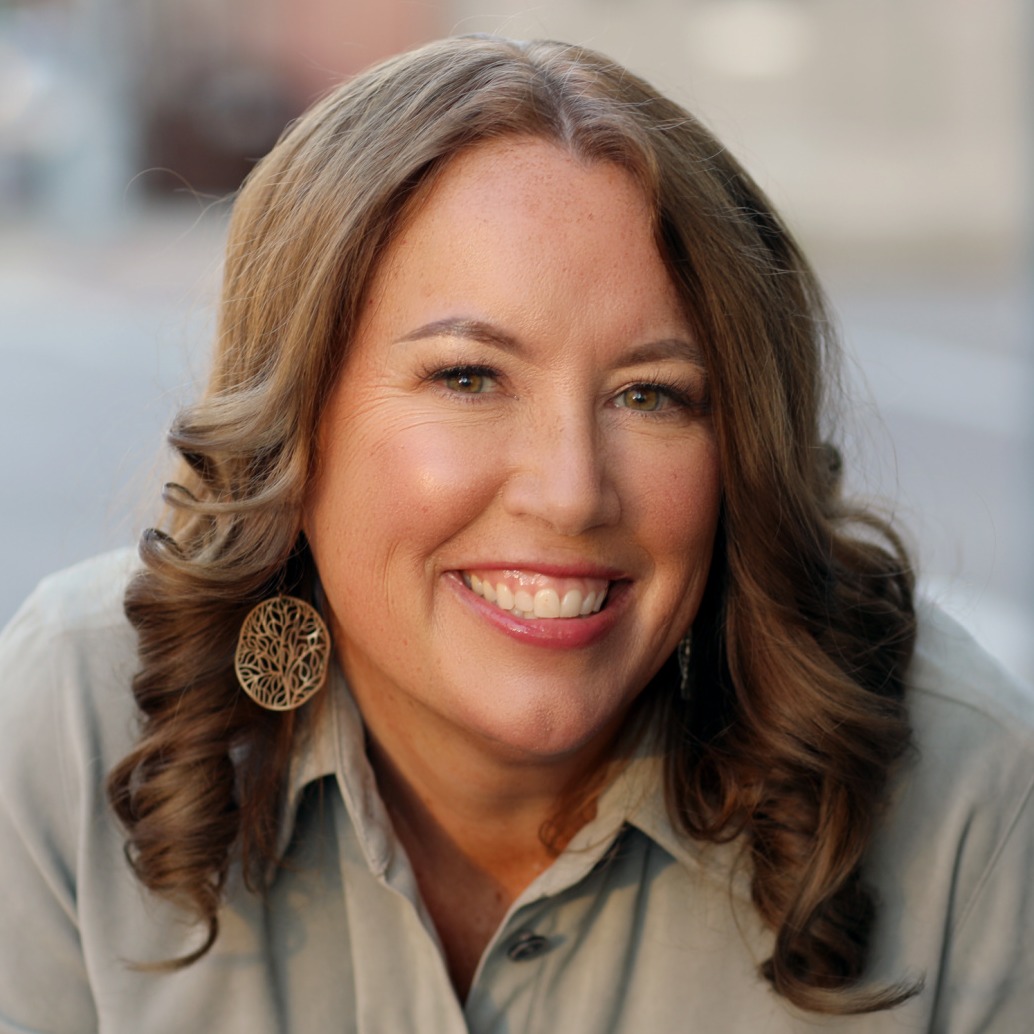
Britt Richardson is a 48-year-old registered dietitian nutritionist who lives in Vermont. In 2017, a rare complication ended in a stroke.
She was a fitness instructor and dietetic student at the time. She went to the doctor for a scheduled cerebral angiogram, a catheter-based diagnostic test that provides images of blood vessels that lead to the brain. One of the risks of an angiogram is that there’s a slight chance blood will form a clot around the tip of the catheter, blocking the artery and causing a stroke.
“I was briefed that a stroke was a potential side effect of the procedure that they were performing. However, they said that it most commonly happens in people in their 80s with other risk factors,” Britt says. “I signed the paper, thinking, ‘I exercise every day. I eat well. I don’t have any potential risks for having a stroke.’”

Yet, that’s what happened to her. During the procedure, Britt started seeing lots of neon lights, whether her eyes were open or closed. In the recovery room, she started getting nauseated. After throwing up, she started noticing things were shifting with her vision.
“Nurses would come over, and their name tags were prominently placed on their uniforms,” Britt says. “And I could only see the right half of their name tag.”
She looked at the clock and couldn’t see any numbers on the left side. When she told a physician what was happening, they ran tests that showed that she was having a stroke.
“I wasn’t having any pain,” Britt says, but “the left half of my visual field in both eyes was missing.”
After the stroke, Britt kept her calm. Her vision was not permanently damaged. She regained her sight within about a month and was able to fully recover within a year. But it took effort to get back on track.
“A couple of months before the stroke, I had run a half marathon,” she says. “The day after the stroke, I couldn’t see, so I couldn’t walk. Even a month after the stroke, I couldn’t walk more than a block without stopping and resting.
“It was a very strange experience for me — someone who was extremely active beforehand and suddenly had to really stop in my tracks and let my brain heal.”
In time, she relearned how to use the muscles in her eyes. But the stroke forced her to slow down in multiple areas of her life. She says it’s made her more patient, resilient, and empathetic.
“I quickly learned that even extremely healthy people can have a stroke,” she says.
The warning signs started with numbness
Griff Lambert, a 68-year-old from Benicia, California, started experiencing stroke warning signs about 10 years ago. They began one day when he was driving through a familiar neighborhood in San Francisco and then suddenly didn’t know where he was.
This state of confusion was his first transient ischemic attack (TIA). He didn’t know anything about strokes, so he didn’t seek medical attention at the time. He just thought it was a strange occurrence.
Years later, in 2016, Griff had an episode of mental confusion while at his chiropractor’s office. He was unable to read his book or put his thoughts into words in the exam room. A few months later, he had his first stroke, which caused numbness in his face in addition to the confusion. But, instead of seeking medical help, he went to bed for a couple days.
In April 2022, Griff was about to go shopping when he started to feel odd. His right arm felt weak, so he went home. The next day, he was setting up for an event and the odd sensation in his right arm returned.

He went to the hospital, and they confirmed he had had an ischemic stroke. That day, he learned the importance of telling a provider if you have numbness in your face, mouth, neck, hands, or arms.
“What started to feel numb was from the top of my head, right side of my face, the neck, the shoulder, the scapula,” Griff says “And then the arm just starts to feel like rubber.”
His recovery is an ongoing process, and he still has limitations with his right arm.
“The typing isn’t 100% back,” Griff says. “But my brain is figuring out new neural pathways.”
What does the doctor say?
Patricia Pinto-Garcia, MD, MPH
Medical Editor
During a stroke, part of your brain loses its blood supply. This can happen for many reasons. But the end result is that oxygen can’t reach those areas of your brain, and they stop working.
The symptoms people experience during a stroke depend on which part of the brain isn’t getting blood flow. If the stroke is in the part of your brain that controls your vision, you’ll have vision loss or changes. If the stroke is in the part of your brain that controls your speech, you might notice that you can’t speak or that your speech is slurred.
The brain can live without oxygen for only a short time. So, if that blood supply isn’t restored, your brain cells start to die. That’s why it’s so important to get to an emergency room as fast as possible. Treatment can restore oxygen to your brain and help keep the rest of your brain healthy.
If you think someone might be having a stroke, follow these simple steps:
Face: Ask the person to smile. Does one side of the face (especially the mouth) droop down?
Arms: Ask the person to raise both arms. Does one arm drift down?
Speech: Ask the person to repeat a simple phrase. Are they having trouble repeating the phase? Or does their speech sound slurred or strange?
Time: If the answer to any of these questions is yes, call 911 right away. As you call, make sure to check the time. The emergency room will need to know what time you noticed the symptoms.
You can remember these steps with the acronym FAST, a mnemonic that serves as a reminder that time is critical when it comes to strokes. By acting FAST, you could save a life, including your own.

Why trust our experts?