


Different Types of Migraines: A Guide for Symptoms, Causes, and Treatments
There are eight types of migraines, each with its own symptoms, causes, and treatments. Learn what the different types of migraines are and how to find relief.
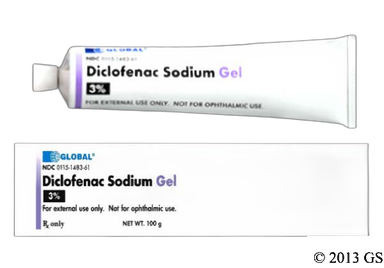
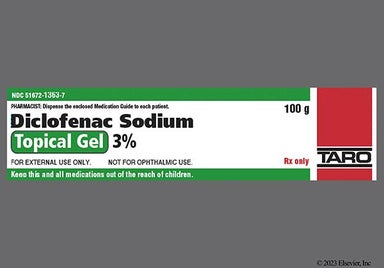
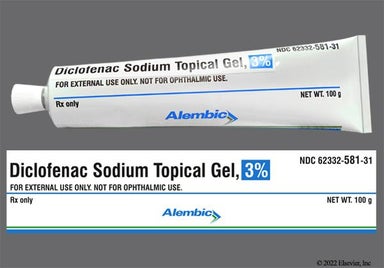
Diclofenac sodium (Solaraze) 3% gel is a topical non-steroidal anti-inflammatory drug (NSAID). It's prescribed for adults to treat actinic keratosis, a skin condition caused by too much exposure to ultraviolet light. Diclofenac sodium (Solaraze) 3% gel is applied directly to the affected area twice daily. Treatment usually takes about 2 to 3 months. Some of the more common side effects of this medication include itching, rash, and dry skin at the application site. Brand name Solaraze has been discontinued; diclofenac sodium (Solaraze) 3% gel is only available as a generic medication.

Actinic keratosis (AK) is a condition where your skin cells grow faster than normal. It results from too much exposure to ultraviolet (UV) light from the sun or tanning beds. If left untreated, AK can develop into skin cancer.
Diclofenac sodium (Solaraze) 3% gel is a non-steroidal anti-inflammatory drug (NSAID). It works by blocking proteins in your body that help form new cells and blood vessels. Diclofenac sodium (Solaraze) 3% gel treats actinic keratoses (AK) by stopping abnormal skin cells from growing.
| Common Brands | Solaraze |
|---|---|
| Drug Class | NSAID |
| Controlled Substance Classification | Not a controlled medication |
| Generic Status | Lower-cost generic available |
| Availability | Prescription only |

The following side effects may get better over time as your body gets used to the medication. Let your healthcare provider know immediately if you continue to experience these symptoms or if they worsen over time.
Contact your healthcare provider immediately if you experience any of the following.
Along with its needed effects, a medicine may cause some unwanted effects. Although not all of these side effects may occur, if they do occur they may need medical attention.
Check with your doctor immediately if any of the following side effects occur:
More common
Burning, itching, redness, skin rash, swelling, or soreness at the application site
itching skin
Less common
Blood in the urine
dry, itching, or burning eyes
headaches, including migraines
increased sensitivity of the skin to sunlight
pain or tenderness around the eyes and cheekbones
redness of the skin
redness or swelling of the eyes
runny or stuffy nose
skin rash other than at the application site
tightness in the chest
troubled breathing
ulcers or sores on the skin, other than at the application site
Some side effects may occur that usually do not need medical attention. These side effects may go away during treatment as your body adjusts to the medicine. Also, your health care professional may be able to tell you about ways to prevent or reduce some of these side effects. Check with your health care professional if any of the following side effects continue or are bothersome or if you have any questions about them:
More common
Chills
general feeling of discomfort or illness
joint pain
loss of appetite
muscle aches and pains
scaly, thick, or tingling skin
shivering
sweating
trouble sleeping
unusual tiredness or weakness
vomiting
Less common
back pain
belching
bleeding skin
burning, crawling, itching, numbness, prickling, "pins and needles", or tingling feelings
dizziness
increase in body movements
indigestion
lack or loss of strength
loss of or change in taste
loss or thinning of the hair
neck pain
sleepiness or unusual drowsiness
stomach upset or pain
Other side effects not listed may also occur in some patients. If you notice any other effects, check with your healthcare professional.
Call your doctor for medical advice about side effects. You may report side effects to the FDA at 1-800-FDA-1088.




Diclofenac sodium (Solaraze) 3% gel can cause some serious health issues. This risk may be even higher for certain groups. If this worries you, talk to your doctor or pharmacist about other options.
 NSAIDs like diclofenac sodium (Solaraze) 3% gel can raise your risk of having blood clots, heart attacks, or strokes. This can happen as early as within the first weeks of starting this medication. People with heart problems, those using high doses of diclofenac sodium (Solaraze) 3% gel, and those using diclofenac sodium (Solaraze) 3% gel for a long time have a higher risk of this happening. That’s why it’s important to use the lowest possible dose for the shortest possible time. If you have heart problems, talk to your healthcare team before starting this medication. Don't use diclofenac sodium (Solaraze) 3% gel if you've had or will be having heart bypass surgery. Call 911 or seek immediate medical help if you experience chest pain, trouble breathing, weakness on one side of your body, or trouble speaking or walking.
NSAIDs including diclofenac sodium (Solaraze) 3% gel can cause your body to hold onto more water. This can lead to new or worsening heart failure and swelling of your arms and legs. Diclofenac sodium (Solaraze) 3% gel can also cause some medications used to treat these conditions to be less effective, such as furosemide (Lasix), lisinopril (Zestril), and losartan (Cozaar).Diclofenac sodium (Solaraze) 3% gel isn't recommended if you have severe heart failure, so discuss with your healthcare team before starting this medication. Let your healthcare team know right away if you experience any symptoms, such as trouble breathing, tiredness, swelling in your body, or sudden weight gain.
Diclofenac sodium (Solaraze) 3% gel can cause your airways to tighten, which might lead to severe asthma attacks. Be careful using this medication if you have asthma. People who've experienced asthma attacks triggered by aspirin (Aspir-Low) or other NSAIDs in the past should avoid diclofenac sodium (Solaraze) 3% gel. Get medical help right away if your throat tightens and you can't breathe.
Diclofenac sodium (Solaraze) 3% gel might cause sudden, very serious, and sometimes life-threatening allergic and skin reactions, such as Drug Reaction with Eosinophilia and Systemic Symptoms (DRESS) syndrome. Symptoms include fever, body aches, rash, peeling skin, painful blisters all over your body, and swelling of the face. Stop the medication and get help right away if you experience these symptoms.
If diclofenac sodium (Solaraze) 3% gel is used during or after the second trimester of pregnancy, it can lower the amniotic fluid (the fluid that surrounds the baby in the womb). This can occur as soon as 2 days after starting the medication and result in serious kidney problems in your unborn baby. Babies born to mothers who use diclofenac sodium (Solaraze) 3% gel starting in the third trimester of pregnancy or later can also develop heart problems. If you're thinking of getting pregnant or becoming pregnant, talk to your healthcare team about the risks and benefits of using diclofenac sodium (Solaraze) 3% gel.

 Tube of gel
| Dosage | Quantity | Price as low as | Price per unit |
|---|---|---|---|
| 100g of 3% | 1 tube | $41.18 | $41.18 |

Although certain medicines should not be used together at all, in other cases two different medicines may be used together even if an interaction might occur. In these cases, your doctor may want to change the dose, or other precautions may be necessary. When you are taking this medicine, it is especially important that your healthcare professional know if you are taking any of the medicines listed below. The following interactions have been selected on the basis of their potential significance and are not necessarily all-inclusive.
Using this medicine with any of the following medicines is not recommended. Your doctor may decide not to treat you with this medication or change some of the other medicines you take.
Using this medicine with any of the following medicines is usually not recommended, but may be required in some cases. If both medicines are prescribed together, your doctor may change the dose or how often you use one or both of the medicines.
Using this medicine with any of the following medicines may cause an increased risk of certain side effects, but using both drugs may be the best treatment for you. If both medicines are prescribed together, your doctor may change the dose or how often you use one or both of the medicines.


Contraindications are specific health conditions or situations in which a person should not take a medication due to safety concerns. If you have any of the following conditions or if any of the following apply to you, let your healthcare provider know because Diclofenac sodium (Solaraze) 3% gel will not be safe for you to take.











Prescription savings
Stop paying too much for your prescriptions. Compare prices, get pharmacy coupons, and save up to 80%. Find expert answers to your health questions so you can make the best decisions for yourself and your family.
Health conditions
Medications & treatment
Access & affordability
 Our monthly healthcare membership can help you save thousands on your prescription costs.
Resources

The main difference between diclofenac sodium (Voltaren) 1% gel and Solaraze is what condition they're approved to treat. Diclofenac sodium 1% gel is used to help with joint pain and inflammation from osteoarthritis. It's found over the counter (OTC) and can be applied up to 4 times a day for up to 3 weeks. Diclofenac sodium 3% gel isn't a pain medication; it's only FDA-approved to treat actinic keratoses. Diclofenac sodium 3% gel is only available by prescription and is typically applied twice a day for 2 to 3 months. Ask your healthcare team if you have more questions about diclofenac sodium 1% or 3% gel.
No, Solaraze is only approved to treat actinic keratoses. Diclofenac sodium (Voltaren) 1% gel is used to treat pain from osteoarthritis. If you have both actinic keratosis and osteoarthritis pain, don't use diclofenac 1% and diclofenac 3% gel together unless your healthcare team instructs you to do so. Using them together can put you at higher risk for side effects, such as stomach bleeds, stroke, and kidney problems. If you have both medical conditions, ask your care team what treatments are most appropriate for you.
Yes, Solaraze expires. You should be able to find the expiration date of your medication on the box or tube. It's important to store Solaraze properly at room temperature (68° to 77°F) so that it can continue to work well up until the expiration date. If your medication has expired, ask your dermatology team about next steps.
Solaraze can irritate healthy skin. Some of the more common side effects of this medication include itchy, dry, and peeling skin at the application site. But Solaraze is less likely to cause skin irritation than some other medications used to treat AK, such as fluorouracil (Efudex) and imiquimod. If you're concerned about how Solaraze might affect your skin, talk with your dermatology team.
Don't apply Solaraze to any open skin wounds, infections, or damaged and peeling skin (exfoliative dermatitis). Applying the gel to these areas of skin can cause you to absorb more medication and might put you at higher risk of side effects. If your skin is damaged, talk to your dermatologist about other possible options for you.
Yes, you need to protect yourself from the sun while using Solaraze. This medication makes your skin more sensitive to the sun, so staying out of the sun can prevent sunburns. Because actinic keratosis results from too much exposure to UV light, limiting or avoiding sunlight can also prevent your condition from getting worse. Take care to protect your skin if you need to spend a long time outside, even when it's cool and cloudy. Try to stay in shaded areas as much as possible. If that's difficult, you can wear long-sleeved shirts and pants to cover your arms and legs or a wide-brimmed hat to protect your face and neck.
No, brand name Solaraze has been discontinued. Solaraze is only available as a generic medication.
No, Solaraze is only available by prescription. Diclofenac sodium (Voltaren) 1% gel is available over the counter, but this medication isn't FDA-approved to treat AK. The lower strength diclofenac sodium (Voltaren) 1% gel is only able to treat pain and inflammation from osteoarthritis.
