



What Are Superbugs, and How Are They Related to Antibiotic Resistance?
When bacteria are resistant to multiple medications, they’re called superbugs. Find out more about superbugs and their link to antibiotic resistance.
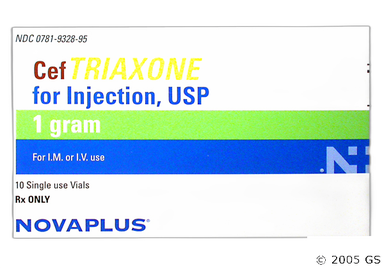
Ceftriaxone is one of the most commonly used antibiotics because of its low risk for side effects and its ability to treat several types of bacterial infections. Ceftriaxone is an injection given either into the veins or into the muscle, so it's used most often in the hospital or a clinic setting (e.g., nursing home, provider's office). But it can also be used at home in certain situations. The dosage depends on the type and severity of your infection, but it's usually given once per day. If you have a penicillin allergy, you might still be able to receive ceftriaxone depending on your reaction to penicillin.

Ceftriaxone is a cephalosporin antibiotic. It kills bacteria by preventing them from making a covering around themselves for protection.
| Common Brands | Rocephin |
|---|---|
| Drug Class | Cephalosporin antibiotic |
| Controlled Substance Classification | Not a controlled medication |
| Generic Status | Lower-cost generic available |
| Availability | Prescription only |

The following side effects may get better over time as your body gets used to the medication. Let your healthcare provider know immediately if you continue to experience these symptoms or if they worsen over time.
Contact your healthcare provider immediately if you experience any of the following.
Along with its needed effects, a medicine may cause some unwanted effects. Although not all of these side effects may occur, if they do occur they may need medical attention.
Check with your doctor or nurse immediately if any of the following side effects occur:
More common
Black, tarry stools
chills
painful or difficult urination
shortness of breath
sores, ulcers, or white spots on the lips or in the mouth
swollen glands
unusual bleeding or bruising
unusual tiredness or weakness
Less common
Rare
Abdominal or stomach cramps or tenderness
back, leg, or stomach pains
bleeding gums
blood in the urine or stools
bloody nose
bluish color
changes in skin color
clay-colored stools
convulsions
cough or hoarseness
dark urine
diarrhea, watery and severe, which may also be bloody
difficulty with breathing
difficulty with swallowing
dizziness
fast, irregular, pounding, or racing heartbeat or pulse
feeling of discomfort
feeling of warmth
fever with or without chills
general body swelling
general feeling of tiredness or weakness
headache
increased sweating
increased thirst
inflammation of the joints
loss of appetite
lower back or side pain
muscle aches
nausea or vomiting
noisy breathing
nosebleeds
pale skin
pinpoint red spots on the skin
puffiness or swelling of the eyelids or around the eyes, face, lips, or tongue
rash
redness of the face, neck, arms, and occasionally, upper chest
shortness of breath
skin rash
swelling of the foot or leg
swollen lymph glands
tenderness
tightness in the chest
troubled breathing with exertion
unpleasant breath odor
unusual weight loss
vomiting of blood
watery or bloody diarrhea
yellowing of the eyes or skin
Incidence not known
Blistering, peeling, or loosening of the skin
coughing up blood
decrease in the amount of urine
excessive muscle tone
increased menstrual flow or vaginal bleeding
muscle stiffness, tension, or tightness
nosebleeds
paralysis
prolonged bleeding from cuts
red irritated eyes
red or black, tarry stools
red or dark brown urine
red skin lesions, often with a purple center
restlessness
skin rash with a general disease
swelling
trouble sitting still
unpleasant breath odor
Some side effects may occur that usually do not need medical attention. These side effects may go away during treatment as your body adjusts to the medicine. Also, your health care professional may be able to tell you about ways to prevent or reduce some of these side effects. Check with your health care professional if any of the following side effects continue or are bothersome or if you have any questions about them:
Rare
Acid or sour stomach
belching
bloated
change in taste
dizziness
excess air or gas in the stomach or intestines
full feeling
headache
indigestion
itching of the vagina or genital area
loss of taste
pain during sexual intercourse
passing gas
stomach discomfort, upset, or pain
thick, white vaginal discharge with no odor or with a mild odor
Incidence not known
Hives or welts
redness, swelling, or soreness of the tongue
swelling or inflammation of the mouth
Other side effects not listed may also occur in some patients. If you notice any other effects, check with your healthcare professional.
Call your doctor for medical advice about side effects. You may report side effects to the FDA at 1-800-FDA-1088.



Tips for using ceftriaxone at home (if instructed by your provider)

Ceftriaxone can cause some serious health issues. This risk may be even higher for certain groups. If this worries you, talk to your doctor or pharmacist about other options.
Allergic reactions to ceftriaxone are possible. These can include life-threatening reactions like facial swelling, shock, and anaphylaxis (closing of the throat). Let your provider know if you have an allergy to antibiotics. If you notice hives, rash, red skin, swelling of the lips or tongue, or difficulty breathing after treatment with ceftriaxone, get medical attention right away.
Ceftriaxone shouldn't be given through the same IV line as a calcium-containing medication. These medications can include calcium gluconate injection, calcium chloride injection, and IV nutrition or total parenteral nutrition (TPN) containing calcium. When you mix ceftriaxone and calcium-containing medications together, precipitates (small rock-like deposits) can form. These precipitates can travel through the body to the gallbladder or kidney and cause symptoms similar to gallstones or kidney stones. If it isn't possible to give ceftriaxone through another IV line, follow your provider's instructions carefully to flush (rinse) the line well before injecting ceftriaxone.
Although rare, some people treated with ceftriaxone reported serious nervous system side effects. Some reported hallucinations (seeing or hearing things that aren't real), seizures, sudden and brief involuntary movements or twitching, and confusion. Although these side effects can happen to anyone, people with kidney problems are at higher risk, especially if their ceftriaxone dose isn't appropriately adjusted. Call 911 or call the nurse if you or your loved ones notice any of these side effects. They usually go away after stopping the medication.
Antibiotics, including ceftriaxone, raise your risk of getting infected with a bacteria called Clostridioides difficile (C. diff). This infection can cause diarrhea that can sometimes be life-threatening. Antibiotics change the amount of normal bacteria in your stomach and intestines. This can cause C. diff to overgrow in your gut and lead to an infection. This type of infectious diarrhea is different from the diarrhea you might have as a possible side effect of ceftriaxone. C. diff-related diarrhea can cause rapid heart rate, foul-smelling diarrhea, fever, nausea, bloody stools, or frequent bowel movements (even up to 15 times per day). This type of diarrhea is a medical emergency, so call for help as soon as possible if you experience any of these symptoms. You'll get tested for C. diff infection and receive treatment, if needed.
Some people who were treated with ceftriaxone developed hemolytic anemia. This condition causes red blood cells to break down faster than they can be made, so the overall red blood cell count will be low. Contact your provider if you notice pale skin, feeling very tired or weak, have a fast heart rate, or have trouble breathing.
Your provider will monitor your treatment with ceftriaxone to make sure you're taking the antibiotic for the appropriate infection and amount of time. Using ceftriaxone for any shorter or longer periods of time or taking the antibiotic for other illnesses can raise your risk for developing infections caused by drug-resistant bacteria. This raises your risk for severe and life-threatening infections that might be difficult to treat.


Although certain medicines should not be used together at all, in other cases two different medicines may be used together even if an interaction might occur. In these cases, your doctor may want to change the dose, or other precautions may be necessary. When you are receiving this medicine, it is especially important that your healthcare professional know if you are taking any of the medicines listed below. The following interactions have been selected on the basis of their potential significance and are not necessarily all-inclusive.
Using this medicine with any of the following medicines is not recommended. Your doctor may decide not to treat you with this medication or change some of the other medicines you take.
Using this medicine with any of the following medicines is usually not recommended, but may be required in some cases. If both medicines are prescribed together, your doctor may change the dose or how often you use one or both of the medicines.
Using this medicine with any of the following medicines may cause an increased risk of certain side effects, but using both drugs may be the best treatment for you. If both medicines are prescribed together, your doctor may change the dose or how often you use one or both of the medicines.


Contraindications are specific health conditions or situations in which a person should not take a medication due to safety concerns. If you have any of the following conditions or if any of the following apply to you, let your healthcare provider know because Ceftriaxone will not be safe for you to take.












Prescription savings
Stop paying too much for your prescriptions. Compare prices, get pharmacy coupons, and save up to 80%. Find expert answers to your health questions so you can make the best decisions for yourself and your family.
Health conditions
Medications & treatment
Access & affordability
Medication discounts

No, Ceftriaxone is a cephalosporin antibiotic. Cephalosporin and penicillin antibiotics have similar chemical structures. This means that if you have a penicillin allergy, there's a small chance that you might have an allergic reaction to Ceftriaxone too. Your provider will decide to use Ceftriaxone to treat your infection based on what your reaction to penicillin was like. If you had a mild rash or itchy skin when you took penicillin, your provider will probably still give you Ceftriaxone and watch for allergic reactions. But if you had a severe reaction to penicillin (like facial swelling, closing of the throat, or anaphylaxis), your provider might give you a small test dose of Ceftriaxone to see how you react to it or they might decide to use a different antibiotic altogether.
Ask your provider when, and if, it's safe for you to drink alcohol. Although alcohol doesn't directly affect how well Ceftriaxone works, alcohol can slow down the healing process from an infection.
In general, it takes about 1 to 3 days to feel better after taking antibiotics. More specifically, it takes about 30 minutes to 2 hours for Ceftriaxone to reach the highest level in your blood after a single dose, so the antibiotic can start fighting against your infection pretty soon after you start treatment. If your provider has prescribed Ceftriaxone for you to use at home, make sure to finish the entire course, even if you feel better. This makes sure the infection is completely cleared from your body.
Ceftriaxone isn't FDA-approved for treating syphilis. But the treatment guidelines from the World Health Organization include Ceftriaxone as an option for syphilis in certain cases. It's listed as a possible treatment when the first-choice medication Bicillin L-A (penicillin G benzathine) isn't available or when someone has a penicillin allergy. Ceftriaxone is generally not the first-choice medication because it hasn't been studied as well as the penicillins.
Yes, Ceftriaxone is a treatment option for people with UTIs. Your healthcare provider will decide whether to use Ceftriaxone or choose a different antibiotic for your UTI based on how severe the infection is and what bacteria is causing the infection.
Ceftriaxone is most commonly given as an injection into the veins (intravenous or IV), but it can also be injected into the muscle (intramuscular or IM). The IV injection is typically used for more serious infections and for use in the hospital or long-term care facilities. It's given either as an infusion over 30 to 60 minutes or a quick injection over a few minutes for more urgent situations. The IM injection is sometimes used in situations where treatment can be given during an office or clinic visit and might only require a few doses, such as for gonorrhea. Your provider will inject Ceftriaxone into a large muscle, like your buttock or thigh, to help lessen any pain from the injection.
Ceftriaxone is generally considered safe to use throughout pregnancy up until it's close to the time of delivery. This is because Ceftriaxone can cause a liver problem called jaundice in your baby if the medication is given late in pregnancy. If you're pregnant, make sure your provider is aware before starting Ceftriaxone treatment. Depending how far along you are in your pregnancy, they might switch you to a different antibiotic.
Ceftriaxone is generally considered acceptable to use while nursing. However, it's possible for your baby to get side effects like diarrhea because a low amount of Ceftriaxone can get into breast milk. Let your provider know if you're nursing. They might ask you to switch to using formula for your baby while you're getting treated.
