pyrazinamide
Pyrazinamide is an antibiotic that treats active tuberculosis (TB). It's taken together with other anti-TB medications, such as isoniazid and rifampin. Pyrazinamide can cause side effects like joint or muscle ache, nausea, and vomiting. This medication can also affect the liver and raise your risk for gout. Pyrazinamide is available as a lower-cost generic tablet.


What is Pyrazinamide?
What is Pyrazinamide used for?
- Treatment of active tuberculosis (TB)
How Pyrazinamide works
Pyrazinamide is an antibiotic that works against the bacteria that causes tuberculosis (TB). How the medication exactly works isn't known. Some researchers suggest that it prevents certain important bacterial proteins from working.
Drug facts
| Common Brands | Zinamide |
|---|---|
| Drug Class | Antitubercular agent |
| Controlled Substance Classification | Not a controlled medication |
| Generic Status | Lower-cost generic available |
| Availability | Prescription only |

Side effects of Pyrazinamide
The following side effects may get better over time as your body gets used to the medication. Let your healthcare provider know immediately if you continue to experience these symptoms or if they worsen over time.
Common Side Effects
- Mild joint or muscle ache
- Nausea
- Vomiting
- Loss of appetite
Pyrazinamide serious side effects
Contact your healthcare provider immediately if you experience any of the following.
- Liver problems: dark urine, yellowing of the skin and eyes, fever, loss of appetite, nausea, vomiting, not feeling well
- Gout: sudden pain or swelling at the joints
The following Pyrazinamide side effects have also been reported
Along with its needed effects, a medicine may cause some unwanted effects. Although not all of these side effects may occur, if they do occur they may need medical attention.
Check with your doctor immediately if any of the following side effects occur:
More common
Pain in large and small joints
Rare
Loss of appetite
pain and swelling of joints, especially big toe, ankle, and knee
tense, hot skin over affected joints
unusual tiredness or weakness
yellow eyes or skin
Some side effects may occur that usually do not need medical attention. These side effects may go away during treatment as your body adjusts to the medicine. Also, your health care professional may be able to tell you about ways to prevent or reduce some of these side effects. Check with your health care professional if any of the following side effects continue or are bothersome or if you have any questions about them:
Other side effects not listed may also occur in some patients. If you notice any other effects, check with your healthcare professional.
Call your doctor for medical advice about side effects. You may report side effects to the FDA at 1-800-FDA-1088.

Get your GoodRx coupon

Pros and cons of Pyrazinamide
Pros
- One of the first-choice medications used to treat active TB
- Usually taken for 2 months
- Can take once per day or a few times per week, depending on your dosing schedule
- Safe for children to take
Cons
- Must take with other anti-TB antibiotics
- Not a good option for people with severe liver problems
- Can worsen gout and shouldn't be used in people with recent gout flares
- Only available in tablet form

Pharmacist tips for Pyrazinamide

- Before you start taking pyrazinamide, let your provider know if you have any liver problems or gout. This medication can worsen these two health conditions.
- You'll need to take pyrazinamide with other anti-TB antibiotics, such as rifampin, isoniazid, and ethambutol (Myambutol). Taking more than one TB medication at the same time can help prevent the bacteria from becoming resistant to treatment (when treatment doesn't work well anymore).
- Follow your provider's instructions on how often to take pyrazinamide. This medication can be taken once per day or a few times per week. It might be more convenient for you to take it a few times per week, but you'll probably need to see a provider to take the medication in these cases. This is called directly observed therapy, where a provider watches you swallow the medication. This makes sure that you don't miss any doses so that the TB medications work as well as they can. Talk to your provider or pharmacist if you have any questions about how to take your TB medications.
- It's very important not to miss any doses of pyrazinamide or your other TB medications. Skipping doses can make the bacteria resistant to the antibiotics. This can make the infection much harder to treat.

Risks and warnings for Pyrazinamide
Pyrazinamide can cause some serious health issues. This risk may be even higher for certain groups. If this worries you, talk to your doctor or pharmacist about other options.
Liver injury
- Risk factors: Liver problems | Alcohol misuse
Pyrazinamide can cause damage to your liver. Liver injury is more likely to happen in people who already have liver problems and those who regularly drink a lot of alcohol. You'll need blood tests done before you start pyrazinamide so your provider can check your liver health. Let your provider know right away if you experience fever, loss of appetite, nausea, vomiting, dark urine, or yellowing of the eyes or skin while you're taking pyrazinamide. These can be signs of liver problems.
Gout
Pyrazinamide can cause high uric acid levels in the body. This usually doesn't cause noticeable problems. But, it can sometimes lead to gout flares. If you have gout, let your provider know the date of your last flare. Your provider will check your uric acid levels before you start pyrazinamide. During treatment, tell your provider if you notice joint pain or swelling.
Caution in people with diabetes
It's not completely clear what the relationship between diabetes and TB is. Some research suggests that having diabetes can affect how well your body fights TB. Before starting pyrazinamide, let your provider know if you have diabetes. They'll discuss with you about the best way to manage your diabetes and treat TB.

Pyrazinamide dosage
 Tablet
| Dosage | Quantity | Price as low as | Price per unit |
|---|---|---|---|
| 500mg | 90 tablets | $82.79 | $0.92 |
Typical dosage for Pyrazinamide
Your provider will determine the dose for you based on your body weight. The typical dose is 15 mg/kg to 30 mg/kg of weight by mouth once daily. Some providers might choose another dosing option like 50 mg/kg to 70 mg/kg twice weekly. The maximum dose is 2,000 mg per day.
Please note: Your dose might also differ based on the CDC guidelines for treating active TB.

Interactions between Pyrazinamide and other drugs
Although certain medicines should not be used together at all, in other cases two different medicines may be used together even if an interaction might occur. In these cases, your doctor may want to change the dose, or other precautions may be necessary. When you are taking this medicine, it is especially important that your healthcare professional know if you are taking any of the medicines listed below. The following interactions have been selected on the basis of their potential significance and are not necessarily all-inclusive.
Using this medicine with any of the following medicines is usually not recommended, but may be required in some cases. If both medicines are prescribed together, your doctor may change the dose or how often you use one or both of the medicines.
- Cyclosporine
- Ethionamide
- Rifampin
- Zidovudine

How much does Pyrazinamide cost?
$82.79

Pyrazinamide contraindications
Contraindications are specific health conditions or situations in which a person should not take a medication due to safety concerns. If you have any of the following conditions or if any of the following apply to you, let your healthcare provider know because Pyrazinamide will not be safe for you to take.
- Severe liver problems
- Frequent gout flares

What are alternatives to Pyrazinamide?

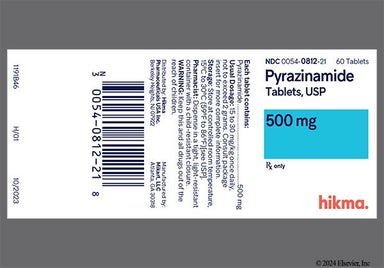
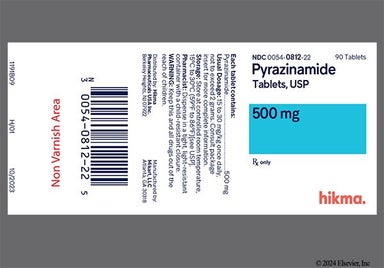
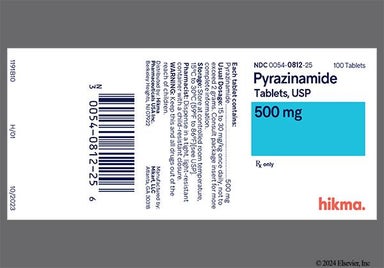
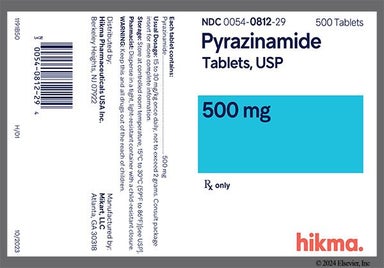
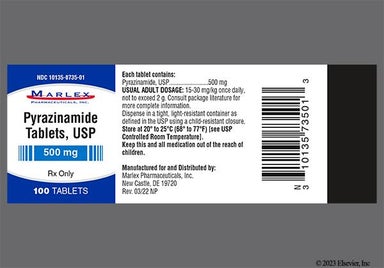
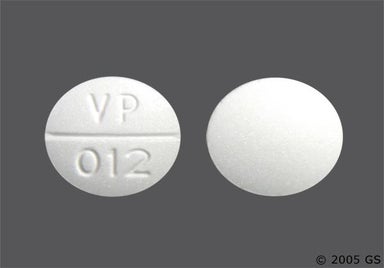
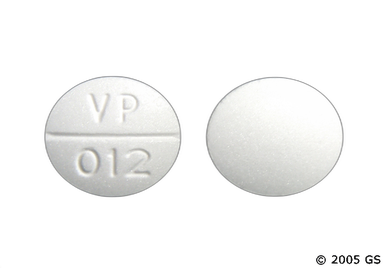
Pyrazinamide images