Used for Atrial Fibrillation, PSVT, Ventricular Arrhythmia
Used for Atrial Fibrillation, PSVT, Ventricular Arrhythmia
Propafenone (Rythmol) is a Class 1C antiarrhythmic medication used to treat certain heart rhythm problems, like atrial fibrillation (AFib). But it's not a good choice for people who have structural heart disease, like heart valve issues. Propafenone (Rythmol) is taken by mouth, typically 2 to 3 times a day, depending on whether you're taking the immediate-release (IR) tablets and extended-release (ER) capsules. Some side effects of propafenone (Rythmol) include dizziness, chest pain, and trouble catching your breath.
Propafenone (Rythmol) is an antiarrhythmic. It works by blocking sodium channels, which play a major part in your heart's electrical activity. It slows down abnormal electrical activity in your heart to treat abnormal rhythms.
The following side effects may get better over time as your body gets used to the medication. Let your healthcare provider know immediately if you continue to experience these symptoms or if they worsen over time.
Common Side Effects
Dizziness
Palpitations (fast or irregular heart beats)
Chest pain
Shortness of breath
Change in taste
Nausea
Fatigue
Anxiety
Constipation
Upper respiratory tract infection
Influenza
Swelling
Less Common Side Effects
Heart murmur
Wheezing or abnormal lung sounds
Blurred vision
Diarrhea
Dry mouth
Passing gas
Weakness
Blood in urine
Headache
Shaking (tremor)
Sleepiness
Anxiety
Depression
Bruising
Propafenone (Rythmol) serious side effects
Contact your healthcare provider immediately if you experience any of the following.
Abnormal heart rhythm: chest pain or discomfort, weakness, dizziness, or fainting
Heart failure: unexplained weight gain, fluid buildup in legs or feet, or more shortness of breath especially when you lie down
The following Propafenone (Rythmol) side effects have also been reported
Along with its needed effects, a medicine may cause some unwanted effects. Although not all of these side effects may occur, if they do occur they may need medical attention.
Check with your doctor immediately if any of the following side effects occur:
Some side effects may occur that usually do not need medical attention. These side effects may go away during treatment as your body adjusts to the medicine. Also, your health care professional may be able to tell you about ways to prevent or reduce some of these side effects. Check with your health care professional if any of the following side effects continue or are bothersome or if you have any questions about them:
Used for different types of irregular heart rhythms
Not known to cause liver damage like some alternatives
Extended-release capsule can be taken twice a day
Available in a lower-cost, generic form
Cons
Not for use if you have certain heart conditions such as heart failure or low blood pressure
Multiple side effects; requires close monitoring
Can lower sperm counts in males
Not studied in children
Pharmacist tips for Propafenone (Rythmol)
Don't crush, chew, or open propafenone (Rythmol) extended-release capsule. It's meant to slowly release medication in your body, so breaking it can change the way the medication works.
Most people will start off on a lower dose of propafenone (Rythmol). Don't take a higher dose unless you were specifically told to by your provider. Dose changes should happen very gradually, usually after you have been on the previous dose for at least 3 to 5 days (depending on the pill type).
You can take propafenone (Rythmol) with or without food. But taking it with food might help prevent nausea or upset stomach.
Propafenone (Rythmol) can cause some serious side effects, so you'll need to get blood tests and heart tests (such as EKG) on a regular basis.
Let your provider know if you have any conditions that can lead to abnormal electrolyte levels in the blood, like a lot of diarrhea, sweating, vomiting, or if you're eating or drinking less than usual. Abnormal electrolyte levels can raise your risk of having side effects from propafenone (Rythmol).
Avoid grapefruit juice while on propafenone (Rythmol). If you smoke tobacco regularly, talk to your provider before starting this medication since you might have higher risk of side effects.
If you miss a dose of propafenone (Rythmol), don't double-up on the dose since this can lead to more side effects. Just take your next dose at the usual time.
Report any signs of infection to your provider, such as fever, chills, and body aches. You might need lab work to check for low white blood cell counts, which can lead to more infections.
Risks and warnings for Propafenone (Rythmol)
Propafenone (Rythmol) can cause some serious health issues. This risk may be even higher for certain groups. If this worries you, talk to your doctor or pharmacist about other options.
Greater risk of death
If you have ventricular arrhythmias, your provider will only prescribe propafenone (Rythmol) if they think your condition is life-threatening. Studies of a medication similar to propafenone (Rythmol) suggest that though rare, taking propafenone (Rythmol) might raise the risk of death, especially for people who've had recent heart attacks. If you're concerned about the risks of taking propafenone (Rythmol), talk with your heart specialist.
Abnormal heart rhythm
Risk factors: Brugada syndrome | 'Heart block' without a pacemaker | Taking other medications that affect heart rhythm
Propafenone (Rythmol) can cause worsening of abnormal heart rhythms, including rhythms that are too fast (such as ventricular tachycardia or fibrillation) or too slow (such as as 'heart block' or a very slow heart rate). Many of these conditions are life-threatening, so it's important that you follow-up with your provider regularly. Your provider will check your heart rhythm with an electrocardiogram (EKG) before and after you start propafenone (Rythmol) to make sure the medication is working as it should. If you notice an abnormally slow or fast pulse, chest pain or discomfort, weakness, dizziness, or fainting while taking propafenone (Rythmol), get medical help right away.
Serious medication interactions
Risk factors: Taking other medications that affect heart rhythm | Grapefruit juice | Smoking tobacco
Many medications can raise levels of propafenone (Rythmol) in the blood by slowing its breakdown in the liver. When propafenone (Rythmol) levels are too high, you have a greater risk of side effects. Other medications can interact with propafenone (Rythmol) directly and lead to life-threatening abnormal heart rhythms. Be sure to talk to your providers, including your pharmacist, about all the medications you are taking. Don't drink grapefruit juice while taking propafenone (Rythmol). If you smoke tobacco, talk to your provider before starting this medication.
New or worsened heart failure
Risk factors: History of heart problems
Propafenone (Rythmol) can cause new or worsening heart failure. Contact your provider right away if you notice symptoms of heart failure such as unexplained weight gain, edema (swelling due to more fluid) in legs or feet, or more shortness of breath especially when you lie down.
Effects on heart devices
Risk factors: Have a heart device like a pacemaker
Taking propafenone (Rythmol) can affect the function of heart devices like defibrillators or pacemakers. Make sure that you get regular checkups to make sure your device is adjusted appropriately while you are on propafenone (Rythmol).
Low white blood cells
Propafenone (Rythmol) can cause dangerously low white blood cell counts. This usually happens within the first 2 months of therapy, and goes away after you stop taking propafenone (Rythmol). White blood cells are important for your immune system, so you have a higher risk of infection if the counts are low. Call your provider right away if you notice signs of infection like fever, chills, or sore throat.
Liver and kidney problems
Risk factors: Liver disease | Kidney disease
Poor liver or kidney function can cause propafenone (Rythmol) to accumulate (build up) in the body, leading to more side effects. If you have liver or kidney problems, your provider might check lab and heart tests more frequently to be safe.
Myasthenia gravis
If you have myasthenia gravis, taking propafenone (Rythmol) can make your condition worse. It's always best to check with your provider before starting any new medications.
Low sperm counts
Propafenone (Rythmol) can cause lower sperm counts. This effect usually goes away after you stop taking propafenone (Rythmol). If you hope to have children, speak with your provider about alternative medications for your condition.
Propafenone (Rythmol) dosage
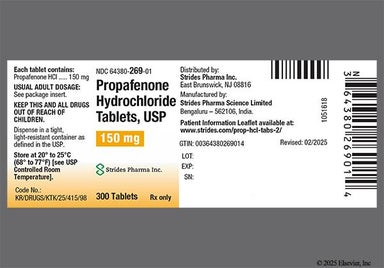
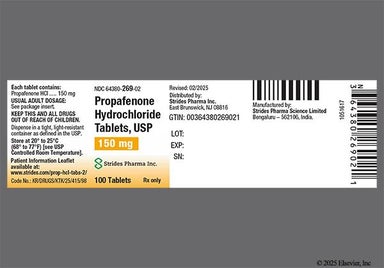
The average cost for 270 tablets of 150mg of Propafenone (Rythmol) is $47.01 with a free GoodRx coupon. This is 81.59% off the average retail price of $255.40.
Interactions between Propafenone (Rythmol) and other drugs
Propafenone (Rythmol) may interact with certain medications or supplements. Always let your doctor and pharmacist know about any other medications or supplements (including prescribed and over-the-counter medications, vitamins, and dietary or herbal supplements) that you are currently taking. The list below does not include all possible drug interactions with Propafenone (Rythmol). Please note that only the generic name of each medication is listed below.
Although certain medicines should not be used together at all, in other cases two different medicines may be used together even if an interaction might occur. In these cases, your doctor may want to change the dose, or other precautions may be necessary. When you are taking this medicine, it is especially important that your healthcare professional know if you are taking any of the medicines listed below. The following interactions have been selected on the basis of their potential significance and are not necessarily all-inclusive.
Using this medicine with any of the following medicines is not recommended. Your doctor may decide not to treat you with this medication or change some of the other medicines you take.
Using this medicine with any of the following medicines is usually not recommended, but may be required in some cases. If both medicines are prescribed together, your doctor may change the dose or how often you use one or both of the medicines.
Using this medicine with any of the following medicines may cause an increased risk of certain side effects, but using both drugs may be the best treatment for you. If both medicines are prescribed together, your doctor may change the dose or how often you use one or both of the medicines.
Contraindications are specific health conditions or situations in which a person should not take a medication due to safety concerns. If you have any of the following conditions or if any of the following apply to you, let your healthcare provider know because Propafenone (Rythmol) will not be safe for you to take.
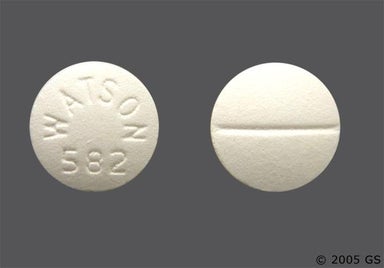
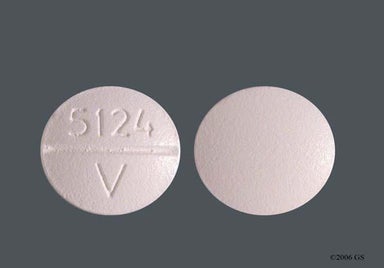
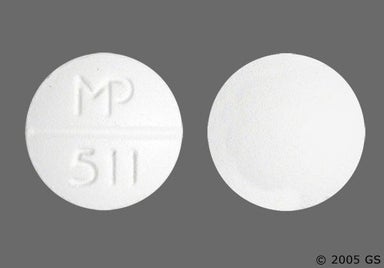
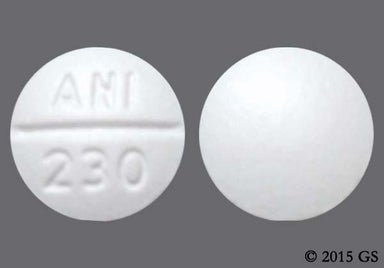
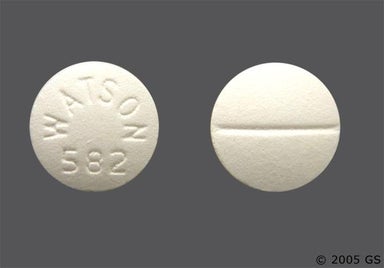
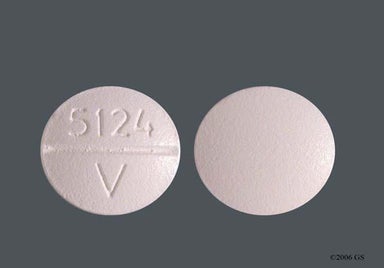
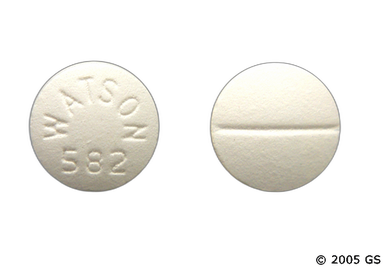
This medicine is White, Round, Scored Tablet Imprinted With "Watson 582".White Round WATSON 582 - Propafenone Hydrochloride 150mg TabletThis medicine is White, Round, Scored Tablet Imprinted With "5124 V".White Round 5124 V - Propafenone Hydrochloride 150mg TabletThis medicine is White, Round, Scored Tablet Imprinted With "Mp 511".White Round MP 511 - Propafenone Hydrochloride 150mg TabletThis medicine is White, Round, Scored Tablet Imprinted With "Ani 230".White Round ANI 230 - Propafenone Hydrochloride 150mg TabletThis medicine is White, Round, Scored Tablet Imprinted With "Watson 582".White Round WATSON 582 - Propafenone Hydrochloride 150mg TabletThis medicine is White, Round, Scored Tablet Imprinted With "5124 V".White Round 5124 V - Propafenone Hydrochloride 150mg TabletThis medicine is White, Round, Scored Tablet Imprinted With "1 L".White Round 1 L - Propafenone Hydrochloride 150mg TabletThis medicine is White, Round, Scored Tablet Imprinted With "1 L".White Round 1 L - Propafenone Hydrochloride 150mg Tablet
GoodRx Health has strict sourcing policies and relies on primary sources such as medical organizations, governmental agencies, academic institutions, and peer-reviewed scientific journals. Learn more about how we ensure our content is accurate, thorough, and unbiased by reading our editorial guidelines.
Prescription savings
Stop paying too much for your prescriptions. Compare prices, get pharmacy coupons, and save up to 80%.
Plans start at $9.99/mo. (when paid yearly). Terms apply.
Common questions about Propafenone
Based on the half-life of Propafenone, it generally takes about 10 to 50 hours for most of Propafenone to leave your system. But some people break the medication down more slowly because of their genetics. If you're in this group, it's possible for it to take about a week for your body to clear the medication.
Although not common, people who took Propafenone have reported both high and low blood pressure as side effects. Changes in blood pressure, especially low blood pressure, is more likely for people who take a higher-than-recommended dose of Propafenone. To keep track of changes in your blood pressure, you can measure your blood pressure at home. Let your provider if you have more questions about how Propafenone might impact your blood pressure.
Propafenone can lower your heart rate or even cause 'heart block,' which can be dangerous. If you have a low heart rate to begin with, your provider or heart specialist will help you decide if this medication is safe to take. When you take Propafenone, your provider might ask you to keep track of your heart rate regularly. If you experience an abnormally low heart rate or rhythm while on Propafenone, your provider might lower your dose or have you try a different medication. Let your provider know right away if you experience symptoms of low heart rate, such as dizziness, chest pain, trouble breathing, or fainting.
Don't stop taking Propafenone unless your provider has specifically told you to stop (like if you're having serious side effects). Take this medication exactly as prescribed, and try not to skip doses. Stopping Propafenone can cause you to have arrhythmias (abnormal heart rhythms), including the arrhythmias that this medication was intended to treat or prevent.
Propafenone doesn't belong to the class of medications called beta blockers. But Propafenone can cause similar side effects as beta-blockers, such as slowing your heart rate or lowering your blood pressure. Some beta blockers, such as sotalol (Betapace), are also approved to treat arrhythmias. Talk to your provider if you have questions about which medication might be more appropriate for your heart condition.
Propafenone interacts with many medications. Some other medications can block the proteins in your body that break down Propafenone. This could lead to higher amounts of Propafenone in your body, which could cause dangerous heart problems. Some examples include paroxetine (Paxil), ritonavir (Norvir), and ketoconazole. You should also avoid drinking grapefruit juice, as it can raise the amount of Propafenone in your body. On the other hand, Propafenone can raise the amounts of other medications in your body, like digoxin (Lanoxin) and warfarin (Coumadin). Make sure to tell your pharmacist or provider all of the medications you're taking so they can screen for interactions.
Weight gain isn't a typical side effect of Propafenone. But in rare cases, this medication can cause or worsen heart failure. People with heart failure can experience build-up of fluid in the body, which can result in weight gain. If you notice a sudden change in your weight, especially if you also have trouble breathing, talk to your provider right away.




 If you have ventricular arrhythmias, your provider will only prescribe propafenone (Rythmol) if they think your condition is life-threatening. Studies of a medication similar to propafenone (Rythmol) suggest that though rare, taking propafenone (Rythmol) might raise the risk of death, especially for people who've had recent heart attacks. If you're concerned about the risks of taking propafenone (Rythmol), talk with your heart specialist.