


What’s the Best Cough Medicine? Comparing the Effectiveness of Over-the-Counter vs. Prescription
GoodRx compares prescription cough medicines with over-the-counter treatments so you can make the best decision regarding treatment.

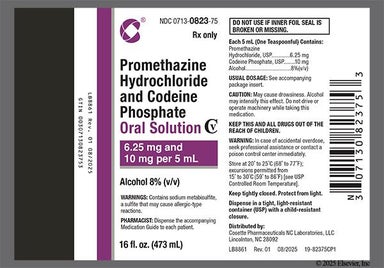
Promethazine with codeine is a combination medication containing a phenothiazine and an opioid. It's used to treat cough and nasal symptoms caused by respiratory infections or allergies in adults. Promethazine with codeine comes as an oral solution that's taken by mouth every 4 to 6 hours. It's meant for short-term use only because it can be habit-forming. Possible side effects of this medication include sleepiness, dizziness, and dry mouth. Avoid drinking alcohol while taking promethazine with codeine because doing so can result in slowed breathing, a dangerous interaction.

Promethazine with codeine is a combination of two medications that work together:
| Common Brands | Phenergan with codeine |
|---|---|
| Drug Class | Phenothiazine / Opioid |
| Controlled Substance Classification | Schedule V |
| Generic Status | Lower-cost generic available |
| Availability | Prescription only |

Promethazine with codeine can cause some serious health issues. This risk may be even higher for certain groups. If this worries you, talk to your doctor or pharmacist about other options.
 The codeine in promethazine with codeine carries a risk of addiction or misuse, even at recommended doses. In serious cases, addiction and misuse of an opioid medication can lead to overdose and death. Your healthcare professional (HCP) will prescribe the lowest amount of promethazine with codeine for the shortest period of time needed to treat your symptoms. If you've taken promethazine with codeine for 5 days and your cough hasn't gotten better, then this medication isn't likely a good choice for you. In this case, contact your prescriber to discuss alternatives.
Promethazine with codeine can cause dangerously slow breathing, which can be life-threatening. This can happen at any time, but you're at higher risk 1 to 3 days right after you start promethazine with codeine or if your HCP raises your dose. Drinking alcohol and taking other medications, like benzodiazepines, can also raise your risk for this dangerous side effect. You also might be at risk if you have certain genetics that affect the way your body processes promethazine with codeine.
You're recommended to ask your prescriber about getting naloxone (Narcan) before you start promethazine with codeine so that you can have it available in case of an accidental overdose. If you or your loved one notice you have trouble breathing or have bluish-colored lips, fingers, or toes, call 911 to get medical help right away.
Promethazine with codeine can cause extreme sleepiness and lower your ability to think, react, and focus. Your risk is higher if you're taking other medications that can make you sleepy, such as benzodiazepines, muscle relaxants, and sleep medications. Make sure you know how this medication affects you before driving a car or doing activities that require your concentration. Talk to your HCP right away if you feel too sleepy from taking promethazine with codeine.
To prevent accidentally taking too much promethazine with codeine, only use a accurate milliliter measuring device, such as an oral medication syringe, to measure your dose. If you don't already have one at home, ask your pharmacist.
Promethazine with codeine can interact with many medications. For example, taking certain medications, like erythromycin (Ery-tab) and ritonavir (Norvir), can raise the level of codeine and put you at higher risk for breathing problems. And starting certain medications, like rifampin (Rifadin) or carbamazepine (Tegretol), while you're already taking promethazine with codeine might lower the level of codeine and put you at risk for withdrawal symptoms.
Before starting promethazine with codeine, make sure your care team is aware of all the medications you're currently taking. Don't start or stop any medications without first checking with your care team.
If you take promethazine with codeine during pregnancy, you can pass the medication to your unborn baby. Long-term use during pregnancy can cause your unborn baby to become dependent on opioids. Once your baby is born, they can experience withdrawal symptoms, such as high-pitched crying, poor feeding and sucking behavior, trembling, irritability, abnormal sleep patterns, and seizures. This condition is called neonatal opioid withdrawal syndrome and can be life-threatening if not recognized and treated in time. Let your healthcare provider know if you've used promethazine with codeine during pregnancy or if you notice these symptoms in your baby.
Promethazine with codeine can cause extremely low blood pressure, including a drop in blood pressure when you stand from a sitting or lying down position. This can lead to dizziness and fainting. To avoid falling, get up slowly if you've been sitting or lying down. If dizziness or lightheadedness doesn't go away, talk to your HCP.
Though rare, opioids like promethazine with codeine can cause your adrenal hormone levels to drop. This is more likely to happen after taking opioids for longer than 1 month. Symptoms include nausea, vomiting, not feeling hungry, tiredness, dizziness, and weakness. Let your HCP know right away if you experience these symptoms because you might need to stop promethazine with codeine and be treated with corticosteroids.
Opioids can cause people with a history of seizures to have seizures more often. Promethazine with codeine can also raise your risk of seizures in certain situations. Let your HCP know if you have seizures more often while taking promethazine with codeine.
The promethazine in promethazine with codeine can cause a rare, but life-threatening condition called neuroleptic malignant syndrome (NMS). Symptoms include fever, sweating, stiff muscles, confusion, not aware of your surroundings, and fast or irregular heartbeat. If you experience any of these symptoms while taking promethazine with codeine, seek medication attention as soon as possible. You HCP will likely have you stop taking promethazine with codeine and switch you to something else.
The promethazine in promethazine with codeine can cause uncontrolled body movements, such as eye-twitching or lip-smacking. The risk is higher for people who are dehydrated. If you experience any uncontrolled movements and aren't able to stop them, talk to your HCP right away.
People with certain medical conditions shouldn't take promethazine with codeine.
For example, this medication can't be taken by people with certain stomach-related conditions, such as slow movement of the gut. The codeine in this medication can worsen gut movement.
Promethazine with codeine isn't appropriate for people with head injuries, brain tumors, or other brain-related medical conditions. This is because this medication can slow breathing and lower oxygen levels in the brain, which can be dangerous.
Before starting promethazine with codeine, make sure to let your medical team know about what medical conditions you have so that they can check to see if this medication is safe for you to take.
Promethazine with codeine can interfere with certain lab tests. For example, it can cause pregnancy tests to have false-positive or false-negative results. It can also cause blood sugar tests to be falsely high. Make sure to tell your HCP you're taking promethazine with codeine if you're receiving any lab tests.

The following side effects may get better over time as your body gets used to the medication. Let your healthcare provider know immediately if you continue to experience these symptoms or if they worsen over time.
Contact your healthcare provider immediately if you experience any of the following.
Along with its needed effects, a medicine may cause some unwanted effects. Although not all of these side effects may occur, if they do occur they may need medical attention.
Check with your doctor immediately if any of the following side effects occur:
Incidence not known
Bluish lips or skin
chills
clay-colored stools
cold sweats
confusion
dark urine
decrease in the frequency of urination
decrease in the urine volume
difficult or troubled breathing
difficulty in passing urine (dribbling)
dizziness
dizziness, faintness, or lightheadedness when getting up from lying or sitting position
fast, pounding, or irregular heartbeat or pulse
feeling of warmth
headache
high fever
hives or welts, itching, or rash
increased sweating
irregular, fast or slow, or shallow breathing
large, hive-like swelling on the face, eyelids, lips, tongue, throat, hands, legs, feet, or sex organs
loss of appetite
loss of bladder control
noisy breathing
not breathing
pale or blue lips, fingernails, or skin
rectal bleeding
redness of the face, neck, arms, and occasionally, upper chest
redness of the skin
seeing, hearing, or feeling things that are not there
seizures
severe muscle stiffness
shakiness in the legs, arms, or hands
stomach pain
sweating
tightness in the chest
tiredness
trembling or shaking of the hands or feet
unpleasant breath odor
unusual tiredness or weakness
unusually pale skin
vomiting of blood
yellow eyes or skin
Get emergency help immediately if any of the following symptoms of overdose occur:
Some side effects may occur that usually do not need medical attention. These side effects may go away during treatment as your body adjusts to the medicine. Also, your health care professional may be able to tell you about ways to prevent or reduce some of these side effects. Check with your health care professional if any of the following side effects continue or are bothersome or if you have any questions about them:
Incidence not known
Bad dreams
blurred or loss of vision
confusion as to time, place, or person
continuing ringing or buzzing or other unexplained noise in the ears
difficulty having a bowel movement
disturbed color perception
double vision
drowsiness
false or unusual sense of well-being
halos around lights
hearing loss
holding false beliefs that cannot be changed by fact
increased sensitivity of the skin to sunlight
night blindness
overbright appearance of lights
redness or other discoloration of the skin
relaxed and calm feeling
severe sunburn
sleepiness
trouble sleeping
tunnel vision
unusual excitement, nervousness, or restlessness
vomiting
Other side effects not listed may also occur in some patients. If you notice any other effects, check with your healthcare professional.
Call your doctor for medical advice about side effects. You may report side effects to the FDA at 1-800-FDA-1088.




 Ml of syrup
| Dosage | Quantity | Price as low as | Price per unit |
|---|---|---|---|
| 6.25mg/10mg/5ml | 240 ml | $13.90 | $0.06 |

Although certain medicines should not be used together at all, in other cases two different medicines may be used together even if an interaction might occur. In these cases, your doctor may want to change the dose, or other precautions may be necessary. When you are taking this medicine, it is especially important that your healthcare professional know if you are taking any of the medicines listed below. The following interactions have been selected on the basis of their potential significance and are not necessarily all-inclusive.
Using this medicine with any of the following medicines is not recommended. Your doctor may decide not to treat you with this medication or change some of the other medicines you take.
Using this medicine with any of the following medicines is usually not recommended, but may be required in some cases. If both medicines are prescribed together, your doctor may change the dose or how often you use one or both of the medicines.
Using this medicine with any of the following medicines may cause an increased risk of certain side effects, but using both drugs may be the best treatment for you. If both medicines are prescribed together, your doctor may change the dose or how often you use one or both of the medicines.


Contraindications are specific health conditions or situations in which a person should not take a medication due to safety concerns. If you have any of the following conditions or if any of the following apply to you, let your healthcare provider know because Promethazine with codeine will not be safe for you to take.






Prescription savings
Stop paying too much for your prescriptions. Compare prices, get pharmacy coupons, and save up to 80%.Resources
About GoodRx
 Find expert answers to your health questions so you can make the best decisions for yourself and your family.
Health conditions
Medications & treatment
Access & affordability
Well-being
Medication discounts

Yes, Promethazine/Codeine is a narcotic because codeine is an opioid medication. So Promethazine/Codeine is considered a controlled substance.
The codeine part of Promethazine/Codeine can be habit-forming. To lower the risk for dependence or addiction, your healthcare professional will prescribe the lowest dose of Promethazine/Codeine needed for the shortest period of time to treat your symptoms.
Yes, Promethazine/Codeine is a schedule V controlled substance because it has a risk of misuse and dependence.
Yes, both promethazine and codeine, can make you sleepy. Taking this medication can affect your ability to focus, think, or react. Don't drive or do anything requiring your full attention, especially during the first few days following treatment or a change in your dose, until you know how this medication affects you. Also, avoid drinking alcohol or taking certain other medications, like benzodiazepines or muscle relaxants, at the same take as Promethazine/Codeine. Doing so will not only worsen sleepiness, but also put you at higher risk for serious breathing problems.
Yes, Promethazine/Codeine can expire. There should be an expiration date written on the medication bottle. Don't use Promethazine/Codeine past the written expiration date because it might not work well to help treat your symptoms or might cause harm.
You might start to notice your cough or runny nose improve about 20 minutes after a dose of Promethazine/Codeine.
It takes about 16 hours for the majority of codeine to leave your body after a dose; and it takes about 3 days for promethazine to do the same. This time frame is estimated based on the half-life of Promethazine/Codeine. It might differ depending on what other medications you're taking and what other medical conditions you have.
