


The Latest Updates: 14 New Weight-Loss Drugs on the Horizon
There are several weight loss drugs currently in the works. Learn which weight-loss medications are being studied in clinical trials and how they work.
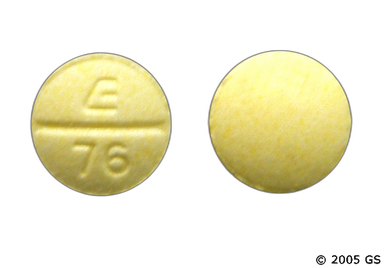
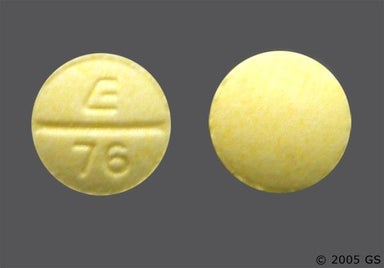
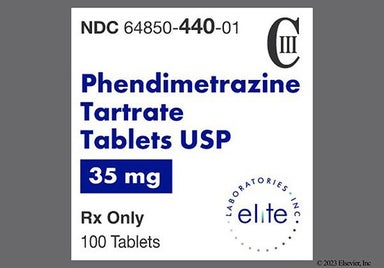
Phendimetrazine, formerly known as brand-name medication Bontril, is a prescription sympathomimetic medication typically used in combination with diet and exercise. It works as an appetite suppressant in the brain to help adults with weight loss. It's available as an immediate-release tablet taken by mouth two to three times per day, and an extended-release capsule taken once per day. Side effects include restlessness, headache, and high blood pressure.

Short-term treatment for weight management in adults with a body mass index (BMI) of:
Phendimetrazine is a sympathomimetic. The exact way it helps with weight loss isn't well understood. But it's thought to lower your appetite by working in the part of your brain that controls hunger.
| Common Brands | Bontril |
|---|---|
| Drug Class | Sympathomimetic amine |
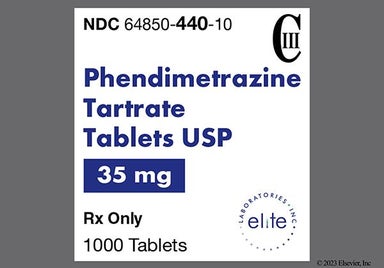
| Controlled Substance Classification | Schedule III |
| Generic Status | Lower-cost generic available |
| Availability | Prescription only |

Phendimetrazine can cause some serious health issues. This risk may be even higher for certain groups. If this worries you, talk to your doctor or pharmacist about other options.
Phendimetrazine shouldn't be taken along with other medications for weight loss, including ones found over the counter. Talk with your care team if you have more questions about your treatment plan.
Phendimetrazine might stop working as well over time, even for those who saw good results at the start. This is called tolerance. Raising the dose of phendimetrazine won't help and isn't safe because of the risk for serious side effects. Let your prescriber know if you've noticed weight gain or your appetite returning after you've been taking this medication. They'll need to recommend other treatment options for you.
Similar to other stimulants, phendimetrazine has a risk of misuse and for causing dependence, which can lead to stimulant use disorder. To lower this risk, your healthcare professional will usually prescribe a limited amount at a time. Take phendimetrazine exactly as directed. It's meant for short-term use, typically just a few weeks. If interested, talk with your care team to learn more about long-term weight management options.
Although rare, phendimetrazine can cause pulmonary hypertension, or high blood pressure in the lungs. Pulmonary hypertension is serious and can be life-threatening. The risk is higher if you take medications that lower your appetite, including phendimetrazine, for longer than 3 months. If you experience trouble breathing, chest pain, fainting, or swelling in your legs, stop the medication and get medical help right away.
People taking stimulants similar to phendimetrazine experienced heart valve problems.The risk is higher for those using the medication long-term or taking multiple appetite-suppressing medications. Let your prescriber know if you have dizziness, chest pain, leg or ankle swelling, irregular heartbeat, fatigue, or trouble breathing.
Let your prescriber know if you have high blood pressure, even if your condition is well-controlled by medications. Taking phendimetrazine might raise your risk for high blood pressure so your care team might ask you to check your blood pressure more often during treatment.
People with diabetes who are taking medications that lower blood sugar, such as insulin or sulfonylureas like glipizide, are at higher risk for low blood sugar during treatment with phendimetrazine. This can happen due to changes in eating habits and appetite with phendimetrazine. Your diabetes care team might need to adjust the dose of your blood sugar medications after you start phendimetrazine.
Always keep emergency glucose tablets or hard candy with you in case your blood sugar drops too low. If you experience symptoms of low blood sugar, such as feeling faint, shaking, and sweating, check and treat your low blood sugar levels right away. If your symptoms don't improve, get medical help.

The following side effects may get better over time as your body gets used to the medication. Let your healthcare provider know immediately if you continue to experience these symptoms or if they worsen over time.
Contact your healthcare provider immediately if you experience any of the following.
Along with its needed effects, a medicine may cause some unwanted effects. Although not all of these side effects may occur, if they do occur they may need medical attention.
Check with your doctor immediately if any of the following side effects occur:
Rare
Seeing, hearing, or feeling things that are not there
severe mental changes
Incidence not known
burning while urinating
chest pain or discomfort
decreased ability to exercise
difficult or painful urination
dizziness
fainting
fast, irregular, pounding, or racing heartbeat or pulse
feeling of warmth
headache
hyperventilation
increased need to urinate
irritability
numbness or tingling in the arms or legs
pain or discomfort in the arms, jaw, back, or neck
passing urine more often
redness of the face, neck, arms, and occasionally, upper chest
restlessness
shakiness in the legs, arms, hands, or feet
shortness of breath
sweating
swelling of the feet or lower legs
trembling or shaking of the hands or feet
trouble with breathing
trouble with sleeping
trouble with thinking, speaking, or walking
vomiting
weakness
Get emergency help immediately if any of the following symptoms of overdose occur:
Symptoms of overdose
Abdominal or stomach cramps
blurred vision
change in consciousness
convulsions
discouragement
dizziness, faintness, or lightheadedness when getting up suddenly from a lying or sitting position
fast, slow, or irregular heartbeat
feeling sad or empty
lack of appetite
lightheadedness
loss of consciousness
loss of interest or pleasure
overactive reflexes
panic
physical attempt to injure
pounding in the ears
rapid breathing
sweating
tiredness
trouble with concentrating
unusual tiredness or weakness
violent actions
Some side effects may occur that usually do not need medical attention. These side effects may go away during treatment as your body adjusts to the medicine. Also, your health care professional may be able to tell you about ways to prevent or reduce some of these side effects. Check with your health care professional if any of the following side effects continue or are bothersome or if you have any questions about them:
Incidence not known
Decreased interest in sexual intercourse
difficulty having a bowel movement (stool)
inability to have or keep an erection
increased in sexual ability, desire, drive, or performance
increased interest in sexual intercourse
loss in sexual ability, desire, drive, or performance
stomach pain
unable to sleep
Other side effects not listed may also occur in some patients. If you notice any other effects, check with your healthcare professional.
Call your doctor for medical advice about side effects. You may report side effects to the FDA at 1-800-FDA-1088.




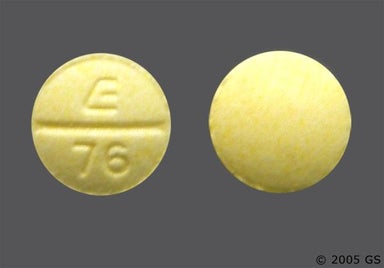
 Tablet
| Dosage | Quantity | Price as low as | Price per unit |
|---|---|---|---|
| 35mg | 90 tablets | $17.23 | $0.19 |

Although certain medicines should not be used together at all, in other cases two different medicines may be used together even if an interaction might occur. In these cases, your doctor may want to change the dose, or other precautions may be necessary. When you are taking this medicine, it is especially important that your healthcare professional know if you are taking any of the medicines listed below. The following interactions have been selected on the basis of their potential significance and are not necessarily all-inclusive.
Using this medicine with any of the following medicines is not recommended. Your doctor may decide not to treat you with this medication or change some of the other medicines you take.
Using this medicine with any of the following medicines is usually not recommended, but may be required in some cases. If both medicines are prescribed together, your doctor may change the dose or how often you use one or both of the medicines.


Contraindications are specific health conditions or situations in which a person should not take a medication due to safety concerns. If you have any of the following conditions or if any of the following apply to you, let your healthcare provider know because Phendimetrazine will not be safe for you to take.

Short-term treatment for weight management in adults with a body mass index (BMI) of:
Short-term treatment for weight management in adults with a body mass index (BMI) of 30 kg/m2 or greater
Short-term treatment for weight management in adults with a body mass index (BMI) of:



Prescription savings
Stop paying too much for your prescriptions. Compare prices, get pharmacy coupons, and save up to 80%. Find expert answers to your health questions so you can make the best decisions for yourself and your family.
Health conditions
Medications & treatment
Access & affordability
Medication discounts


It's not completely clear how long it takes for Phendimetrazine to work. But the medication is meant to be used for a few weeks, so you should start to see results then. Contact your prescriber if you're concerned with how well Phendimetrazine is working for you.
It can vary from person to person. On average, people lose only a fraction of a pound every week, and the greatest weight loss is usually seen in the first few weeks of starting treatment. How well Phendimetrazine works for you depends on many factors, such as your diet, exercise, and other medications you're taking.
Phendimetrazine is only meant to be used for up to a few weeks because that's about how long the weight-loss effects of the medication last. But, according to the treatment guidelines, some healthcare professionals (HCPs) might consider using weight-loss medications for a longer period if they work well and there are no major risks or side effects. The medication should be combined with a healthy diet and regular exercise. Talk with your primary care provider if you're interested in learning more about longer-term weight loss options.
Yes. Phendimetrazine is a schedule III controlled substance because it has a risk of misuse and dependence. Misuse can lead to serious side effects, like fast heart rate, high blood pressure, trouble sleeping, anxiety, and aggression. Dependence can lead to having withdrawal symptoms like irritation, sleep problems, and distress if you suddenly stop taking the medication after long-term use. Only take Phendimetrazine as prescribed by your prescriber to lower your risks for misuse and dependence.
Yes, too much energy, restlessness, trouble sleeping, and agitation are possible side effects of Phendimetrazine because it acts similarly to stimulant medications used for ADHD. Try to avoid taking Phendimetrazine too late in the day. If you're having trouble sleeping (insomnia), let your prescriber know.
Both Phendimetrazine and phentermine (Adipex-P, Lomaira) are stimulant medications used short-term for weight loss. Phendimetrazine is available as an immediate-release tablet and extended-release capsule, whereas phentermine is available as tablets, capsules, and orally disintegrating tablets. In general, there's more experience with phentermine because there are more studies available. Talk to your care team if you have more questions about the differences between both medications.
Yes, Phendimetrazine is only available by a prescription from a healthcare professional (HCP).
It's unknown why brand medication Bontril was discontinued, but the generic form is still available.
