


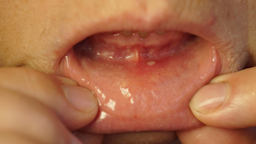
10 Medication Side Effects That Can Affect Your Mouth
Some medications cause mouth-related side effects, like dry mouth and burning mouth syndrome. Here are 10 common issues and medications that may cause them.
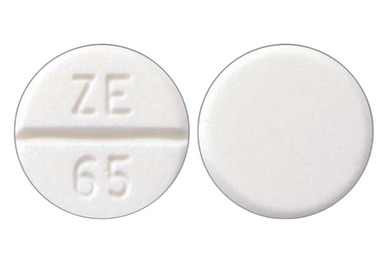
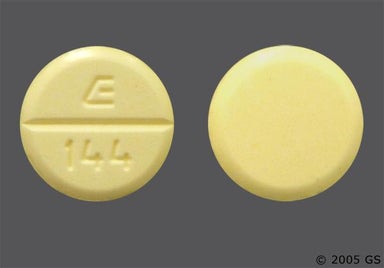
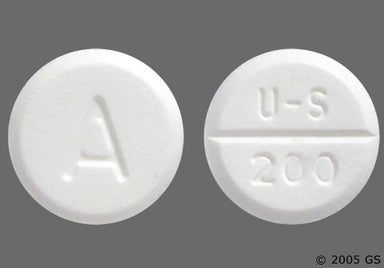
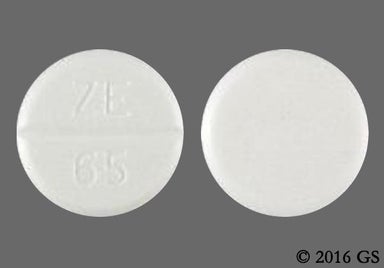
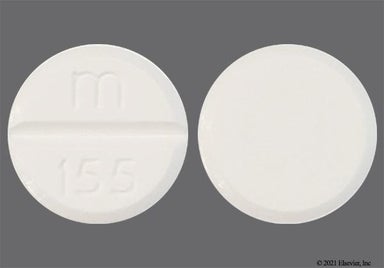
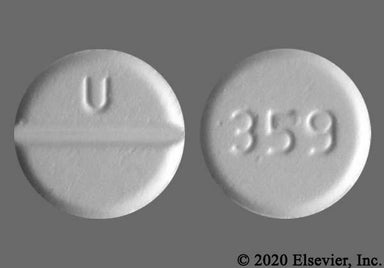
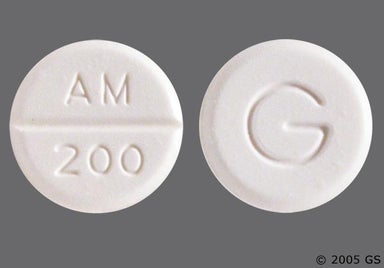
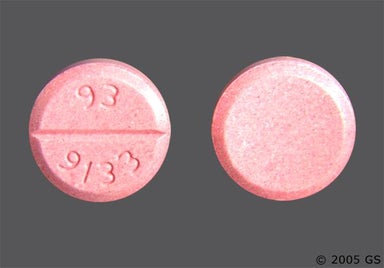
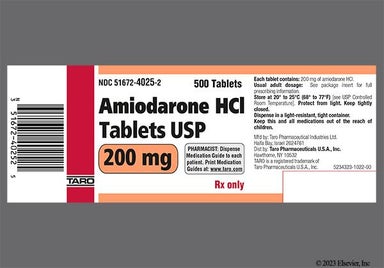
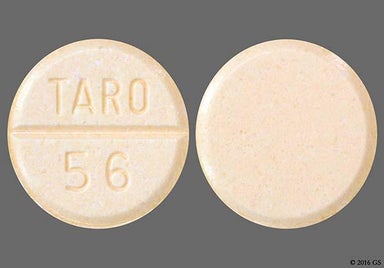
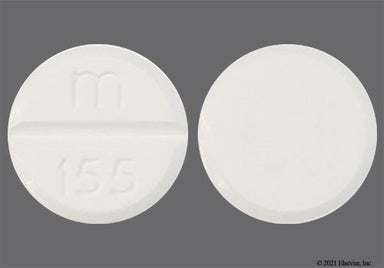
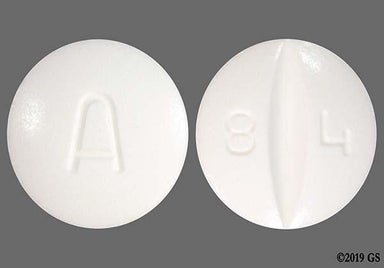
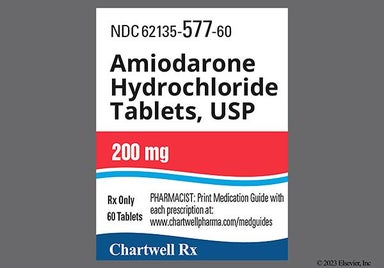
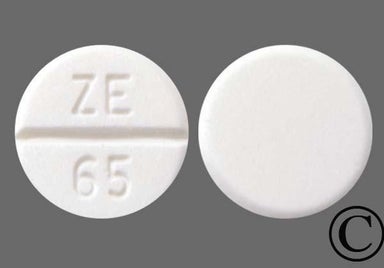
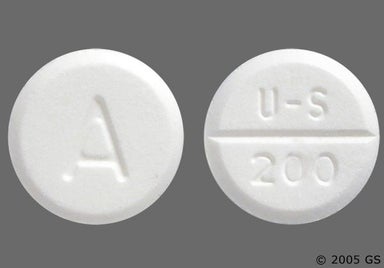
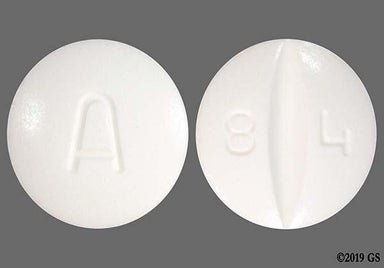
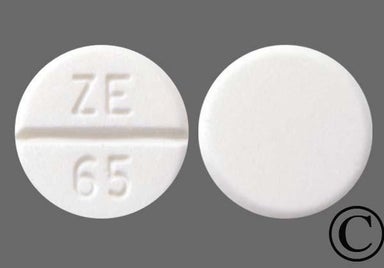
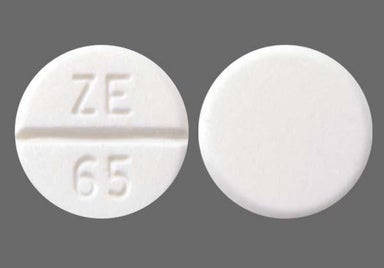
Amiodarone (Pacerone) is an antiarrhythmic medication. It's FDA-approved to treat life-threatening ventricular fibrillation and fast heart rate (tachycardia) in adults who either can't take it or whose condition isn't well-controlled by other antiarrhythmics. It's sometimes prescribed off-label for atrial fibrillation (AFib). Amiodarone (Pacerone) comes as tablets that are taken by mouth. The total daily dose can be taken once per day, or split into smaller doses and taken throughout the day to prevent stomach-related side effects, like nausea and vomiting.

Amiodarone (Pacerone) is a class III antiarrhythmic medication. It mainly works by blocking potassium channels in the heart. This slows down the electrical activity in the heart and stabilizes heart rhythm.
| Common Brands | Pacerone |
|---|---|
| Drug Class | Antiarrhythmic |
| Controlled Substance Classification | Not a controlled medication |
| Generic Status | Lower-cost generic available |
| Availability | Prescription only |

The following side effects may get better over time as your body gets used to the medication. Let your healthcare provider know immediately if you continue to experience these symptoms or if they worsen over time.
Contact your healthcare provider immediately if you experience any of the following.
Along with its needed effects, a medicine may cause some unwanted effects. Although not all of these side effects may occur, if they do occur they may need medical attention.
Check with your doctor immediately if any of the following side effects occur:
More common
dizziness, lightheadedness, or fainting
fever (slight)
numbness or tingling in the fingers or toes
painful breathing
sensitivity of the skin to sunlight
trembling or shaking of the hands
trouble with walking
unusual and uncontrolled movements of the body
weakness of the arms or legs
Less common
Blue-gray coloring of the skin on the face, neck, and arms
blurred vision or blue-green halos seen around objects
coldness
dry, puffy skin
fast or irregular heartbeat
nervousness
pain and swelling in the scrotum
sensitivity of the eyes to light
sensitivity to heat
slow heartbeat
sweating
swelling of the feet or lower legs
trouble with sleeping
unusual tiredness
weight gain or loss
Rare
Skin rash
yellow eyes or skin
Incidence not known
Agitation
back, leg, or stomach pains
bleeding gums
blistering, peeling, or loosening of the skin
blood in the urine
bloody, black, or tarry stools
blue lips, fingernails, or skin
blurred or double vision
chills
clay-colored stools
confusion
confusion as to time, place, or person
coughing or spitting up blood
cracks in the skin
dark urine
decreased awareness or responsiveness
decreased urine output
difficult or labored breathing
difficult urination
fast heartbeat
general body swelling
high fever
holding false beliefs that cannot be change by facts
hostility
inability to have or keep an erection
indigestion
irregular, fast or slow, or shallow breathing
irritability
joint or muscle pain
large, hive-like swelling on the face, eyelids, lips, tongue, throat, hands, legs, feet, or genitals
loss in sexual ability, desire, drive, or performance
loss of consciousness
loss of heat from the body
lower back or side pain
mood or mental change
muscle cramps, spasms, twitching, pain, or stiffness
no breathing
noisy breathing
nosebleeds
pain in the abdomen, groin, or scrotum
pain or burning with urination
pains in the stomach, side, or abdomen, possibly radiating to the back
pale skin
pinpoint red spots on the skin
rapid weight gain
red skin lesions, often with a purple center
red, irritated eyes
red, swollen skin
seeing, hearing, or feeling things that are not there
seizures
severe headache
severe sleepiness
sores, ulcers, or white spots on the lips or in mouth
stomach pain
swelling of the face, ankles, or hands
swelling of the scrotum
swollen or painful glands
tightness in the chest
troubled breathing
unpleasant breath odor
unusual bleeding or bruising
unusual drowsiness, dullness, tiredness, weakness or feeling of sluggishness
unusual excitement, nervousness, or restlessness
vomiting of blood
Some side effects may occur that usually do not need medical attention. These side effects may go away during treatment as your body adjusts to the medicine. Also, your health care professional may be able to tell you about ways to prevent or reduce some of these side effects. Check with your health care professional if any of the following side effects continue or are bothersome or if you have any questions about them:
Less common
Bitter or metallic taste
decrease in sexual interest
decreased sexual ability in males
feeling of warmth
redness of the face, neck, arms and occasionally, upper chest
Other side effects not listed may also occur in some patients. If you notice any other effects, check with your healthcare professional.
Call your doctor for medical advice about side effects. You may report side effects to the FDA at 1-800-FDA-1088.




Amiodarone (Pacerone) can cause some serious health issues. This risk may be even higher for certain groups. If this worries you, talk to your doctor or pharmacist about other options.
 Rarely, amiodarone (Pacerone) can cause or worsen arrhythmias (abnormal heartbeat), which can be life-threatening. You should only take this medication if you have a serious heart condition, and if you're able to follow-up with your cardiologist regularly to monitor your heart health. To lower your risk of serious heart rhythm problems, your care team will check that your electrolyte levels are balanced before you start this medication. They might also order an electrocardiogram (ECG) (test of your heart's electrical activity) on a regular basis to make sure the amiodarone (Pacerone) is working as it should. If you ever experience chest discomfort, dizziness, fainting, or fast heartbeat while you are taking amiodarone (Pacerone), get medical help right away.
Amiodarone (Pacerone) can cause inflammation in the lungs that leads to serious damage. This can be life-threatening. You'll likely get a chest x-ray before you start this medication, then every 3 to 6 months. Seek medical help immediately if you experience a cough, shortness of breath, wheezing, or chest tightness that doesn't go away or gets worse with time. You might need to be treated with oral steroids.
Though rare, amiodarone (Pacerone) can cause liver damage, which can be life-threatening. Your prescriber will check your liver enzyme level before and during treatment to make sure your liver is healthy. If your liver enzyme level is too high, your cardiologist might lower your dose or ask you to stop taking amiodarone (Pacerone). Let your care team know if you're taking other medications that can damage your liver. If you notice severe nausea, vomiting, right-sided stomach pain, fatigue, low or no appetite, or yellowing of the skin or eyes, get medical help right away.
Though rare, amiodarone (Pacerone) can cause serious vision problems, including permanent blindness. This side effect has been reported as early as 10 days after starting this medication. You should get regular eye exams while you are on amiodarone (Pacerone). Call your optometrist (eye specialist) right away if you notice a change in your vision, including blurriness, trouble seeing things to the side, or halos.
Amiodarone (Pacerone) can affect your thyroid hormone levels and cause either low or high hormone levels. High thyroid levels (hyperthyroidism) can cause an arrhythmia, which can be dangerous. Your prescriber will check your thyroid function tests regularly throughout treatment with amiodarone (Pacerone).
Amiodarone (Pacerone) can cause your heartbeat to become too slow or even have unusual pauses. In some rare cases, people have needed a pacemaker to keep their heart beating normally. Taking certain medications at the same time, including some hepatitis C antivirals (e.g., sofosbuvir, Harvoni (ledipasvir/sofosbuvir)) might raise the risk of this side effect. If you experience symptoms of slow heart rate, such as dizziness or feeling like you're going to pass out, get medical help right away.
Taking amiodarone (Pacerone) long-term can affect the function of heart devices like defibrillators or pacemakers. Make sure that you get regular checkups to make sure your device is adjusted appropriately while you're taking amiodarone (Pacerone).
Amiodarone (Pacerone) can cause harm to unborn babies if taken by mothers during pregnancy. If you're able to become pregnant, your healthcare team might ask you to take a pregnancy test to confirm you're not pregnant before you can start amiodarone (Pacerone). You're recommended to use effective birth control during treatment with amiodarone (Pacerone).
Taking amiodarone (Pacerone) can cause nerve problems (neuropathy), such as tingling, numbness, and pain in your legs and feet. There's a risk that neuropathy won't go away after you stop taking amiodarone (Pacerone). Tell your prescriber if you notice these symptoms.


Although certain medicines should not be used together at all, in other cases two different medicines may be used together even if an interaction might occur. In these cases, your doctor may want to change the dose, or other precautions may be necessary. When you are taking this medicine, it is especially important that your healthcare professional know if you are taking any of the medicines listed below. The following interactions have been selected on the basis of their potential significance and are not necessarily all-inclusive.
Using this medicine with any of the following medicines is not recommended. Your doctor may decide not to treat you with this medication or change some of the other medicines you take.
Using this medicine with any of the following medicines is usually not recommended, but may be required in some cases. If both medicines are prescribed together, your doctor may change the dose or how often you use one or both of the medicines.
Using this medicine with any of the following medicines may cause an increased risk of certain side effects, but using both drugs may be the best treatment for you. If both medicines are prescribed together, your doctor may change the dose or how often you use one or both of the medicines.


Contraindications are specific health conditions or situations in which a person should not take a medication due to safety concerns. If you have any of the following conditions or if any of the following apply to you, let your healthcare provider know because Amiodarone (Pacerone) will not be safe for you to take.












Prescription savings
Stop paying too much for your prescriptions. Compare prices, get pharmacy coupons, and save up to 80%. Find expert answers to your health questions so you can make the best decisions for yourself and your family.
Health conditions
Medications & treatment
Access & affordability
Medication discounts

If you're taking oral Amiodarone, it can take several weeks for the medication to stabilize your heart rhythm. Your cardiologist will prescribe a higher loading dose for 1-3 weeks for the medication to build up in your system. Once your heart rhythm becomes stable, they'll ask you to continue treatment at a lower maintenance dose.
Amiodarone is a class III antiarrhythmic, not a beta blocker. Both Amiodarone and beta blockers can help with arrhythmia and lower heart rate, but they do so in different ways. Talk with your cardiologist if you have more questions about how Amiodarone works.
Amiodarone isn't FDA-approved for atrial fibrillation (AFib), a type of heart rhythm problem. But it's sometimes prescribed off-label for this condition because studies suggest it works well for this condition. The typical maintenance dose for AFib ranges from Amiodarone 100 mg to 200 mg by mouth once daily. Talk with your healthcare team if you have more questions on Amiodarone and AFib.
Amiodarone can lower heart rate because it slows the electrical activity of the heart. This medication is FDA-approved to treat fast heart rate (tachycardia). But sometimes, it can cause your heart rate to become too slow (bradycardia). Let your cardiologist know if you notice symptoms of very slow heart rate, like dizziness, tiredness, or chest pain.
Low blood pressure isn't a common side effect of Amiodarone. But some people might experience low blood pressure if their dose is too high. Let your healthcare team know if you notice symptoms like lightheadedness, dizziness, or feeling like you're about to be faint. They can check your blood pressure (or you can check it at home if you have a blood pressure monitor) and let you know if you need more medical attention.
Amiodarone can cause some rare but serious side effects. For example, it can cause lung toxicity and trigger symptoms like coughing or trouble breathing. This medication can also cause liver problems, especially when taken with other medications that damage the liver. To lower the risk of these serious side effects, your cardiologist will prescribe the lowest dose of Amiodarone needed to treat your symptoms. Before you start treatment, they'll order tests to check your lungs, liver, heart, and other parts of the body. They'll also monitor you closely throughout treatment to see if you're having symptoms of any serious side effect. If needed, they might lower your dose of Amiodarone or ask you to stop taking this medication.
It's best to avoid drinking alcohol while taking Amiodarone because doing so can worsen certain side effects like nausea, vomiting, sleepiness, and dizziness. In addition, doing so can raise your risk of liver damage, which is a serious side effect of Amiodarone. Finally, drinking too much alcohol can also raise the risk of atrial fibrillation, a serious heart rhythm problem. Talk with your healthcare team if you have more questions about how drinking alcohol might affect Amiodarone and your health.
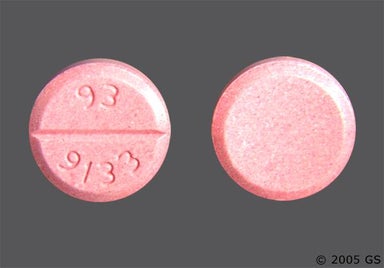
It's not clear if it's safe to crush Amiodarone tablets because the manufacturer doesn't say. But if your Amiodarone tablet is scored (a line down the middle), this means you can cut it in half down the center. Talk with your healthcare team if you have more questions about how to take your medication.
