



Urinary Tract Infection Medication: What Are the Best Antibiotics for a UTI?
A urinary tract infection (UTI) can become serious quickly, so antibiotic treatment is crucial. Explore common antibiotics for UTI treatment and side effects.

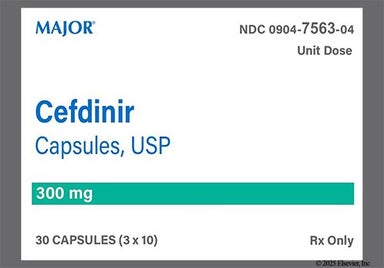
Cefdinir, also known by its brand name Omnicef, is a cephalosporin antibiotic that can treat several types of bacterial infections, such as pneumonia, sinus infections, and ear infections. Although the brand name is no longer available, its generic can still be prescribed for adults and children. Cefdinir comes as capsules and a suspension that are taken once or twice per day by mouth. Side effects can include diarrhea, nausea, and rash.

Cefdinir is a cephalosporin antibiotic. It kills bacteria by preventing them from making an additional covering around themselves for protection.
| Common Brands | Omnicef |
|---|---|
| Drug Class | Cephalosporin antibiotic |
| Controlled Substance Classification | Not a controlled medication |
| Generic Status | Lower-cost generic available |
| Availability | Prescription only |

The following side effects may get better over time as your body gets used to the medication. Let your healthcare provider know immediately if you continue to experience these symptoms or if they worsen over time.
Contact your healthcare provider immediately if you experience any of the following.
Along with its needed effects, a medicine may cause some unwanted effects. Although not all of these side effects may occur, if they do occur they may need medical attention.
Check with your doctor immediately if any of the following side effects occur:
More common
Rare
Black, tarry stools
chills
painful or difficult urination
shortness of breath
sores, ulcers, or white spots on the lips or in the mouth
swollen glands
unusual bleeding or bruising
unusual tiredness or weakness
Incidence not known
Abdominal or stomach cramps or tenderness
back, leg, or stomach pains
bleeding gums
blistering, peeling, or loosening of the skin
blood in the urine or stools
bloody nose
bloody or cloudy urine
bloody, black, or tarry stools
blue lips, fingernails, or skin
bruising
chest pain or discomfort
clay-colored stools
cold, clammy skin
confusion
coughing or vomiting blood
cracks in the skin
dark-colored urine
diarrhea, watery and severe, which may also be bloody
difficult or troubled breathing
difficulty with breathing or swallowing
dilated neck veins
dizziness
extreme fatigue
fast heartbeat
fast, weak pulse
feeling of discomfort
general body swelling
general tiredness and weakness
headache
heavier menstrual periods
high fever
hoarseness
increased thirst
inflammation of the joints
irregular breathing
irregular heartbeat
irregular, fast or slow, or shallow breathing
joint or muscle pain
light-colored stools
lightheadedness
loss of appetite
loss of consciousness
loss of heat from the body
muscle aches
muscle cramps or spasms
muscle pain or stiffness
nausea or vomiting
noisy breathing
nosebleeds
pain in the ankles or knees
pain or discomfort in the arms, jaw, back, or neck
painful, red lumps under the skin, mostly on the legs
pale skin
persistent bleeding or oozing from puncture sites, mouth, or nose
pinpoint red spots on the skin
problems with bleeding or clotting
puffiness or swelling of the eyelids or around the eyes, face, lips, or tongue
rash
red skin lesions, often with a purple center
red, irritated eyes
red, swollen skin
seizures
severe stomach pain
slow or irregular breathing
sudden decrease in the amount of urine
sweating
swelling of the face, fingers, feet, or lower legs
swollen lymph glands
tightness in the chest
unpleasant breath odor
unusual weight loss
upper right abdominal or stomach pain
vomiting of blood
yellow eyes or skin
Some side effects may occur that usually do not need medical attention. These side effects may go away during treatment as your body adjusts to the medicine. Also, your health care professional may be able to tell you about ways to prevent or reduce some of these side effects. Check with your health care professional if any of the following side effects continue or are bothersome or if you have any questions about them:
Less common
Itching of the vagina or genital area
pain during sexual intercourse
thick, white vaginal discharge with no odor or with a mild odor
vaginal yeast infection
Rare
Acid or sour stomach
belching
excess air or gas in the stomach or intestines
full feeling
increase in body movements
increased clear or white vaginal discharge
indigestion
lack or loss of strength
passing gas
rash with flat lesions or small raised lesions on the skin
sleepiness or unusual drowsiness
soreness or redness around the fingernails and toenails
stomach discomfort, upset, or pain
unable to sleep
Other side effects not listed may also occur in some patients. If you notice any other effects, check with your healthcare professional.
Call your doctor for medical advice about side effects. You may report side effects to the FDA at 1-800-FDA-1088.



For the cefdinir capsules:
For the cefdinir oral suspension (liquid):

Cefdinir can cause some serious health issues. This risk may be even higher for certain groups. If this worries you, talk to your doctor or pharmacist about other options.
Severe allergic reactions to cefdinir are possible, including life-threatening reactions like facial swelling, shock, and anaphylaxis (closing of the throat). Let your prescriber know if you have an allergy to antibiotics so they can check for your risk of having an allergic reaction to cefdinir. Get medical attention right away if you notice hives, rash, red skin, swelling of the lips or tongue, or difficulty breathing after you take cefdinir.
Antibiotics, including cefdinir, raise your risk of getting infected with a bacteria called Clostridioides difficile (C. diff). Antibiotics change the amount of normal bacteria in your stomach and intestines. This can allow C. diff to overgrow in your gut and lead to an infection. This infection can cause diarrhea that can sometimes be life-threatening.
It's important to recognize the difference between diarrhea as a side effect of cefdinir and this type of infectious diarrhea. C. diff-related diarrhea can cause rapid heart rate, foul-smelling diarrhea, fever, nausea, frequent bowel movements (even up to 15 times per day) and is a medical emergency. Get medical help right away if you have any of these symptoms so you can get tested for C. diff infection and get appropriate treatment, if needed.
Take cefdinir exactly as prescribed. Using cefdinir for any shorter or longer periods of time or taking the antibiotic for other illnesses can raise your risk for developing infections caused by drug-resistant bacteria. These types of infections can be severe, life-threatening, and more difficult to treat.


Although certain medicines should not be used together at all, in other cases two different medicines may be used together even if an interaction might occur. In these cases, your doctor may want to change the dose, or other precautions may be necessary. When you are taking this medicine, it is especially important that your healthcare professional know if you are taking any of the medicines listed below. The following interactions have been selected on the basis of their potential significance and are not necessarily all-inclusive.
Using this medicine with any of the following medicines is usually not recommended, but may be required in some cases. If both medicines are prescribed together, your doctor may change the dose or how often you use one or both of the medicines.
Using this medicine with any of the following medicines may cause an increased risk of certain side effects, but using both drugs may be the best treatment for you. If both medicines are prescribed together, your doctor may change the dose or how often you use one or both of the medicines.


Contraindications are specific health conditions or situations in which a person should not take a medication due to safety concerns. If you have any of the following conditions or if any of the following apply to you, let your healthcare provider know because Cefdinir will not be safe for you to take.

























Prescription savings
Stop paying too much for your prescriptions. Compare prices, get pharmacy coupons, and save up to 80%. Find expert answers to your health questions so you can make the best decisions for yourself and your family.
Health conditions
Medications & treatment
Access & affordability
Medication discounts


In general, it takes antibiotics like Cefdinir about a few days to start working to help you feel better. Keep in mind that the time it takes for your symptoms to improve with antibiotic treatment can also depend on the infection and how serious it is.
Most people generally have few to little side effects from Cefdinir. But some people might experience side effects like diarrhea and nausea at any time during their treatment course with Cefdinir (usually 5 to 10 days, depending on the infection). Once you finish your course of antibiotics, these side effects should go away. Contact your primary care provider if you continue to have side effects — especially diarrhea — after your last dose of Cefdinir. Your primary care provider can examine you and check for other issues.
You can take most other medications with Cefdinir. But you'll need to take a few medications at different times than Cefdinir to help avoid drug interactions. For example, take antacids containing magnesium or aluminum, like Mylanta Maximum Strength, and iron-containing supplements (except baby formula) at least 2 hours before or 2 hours after Cefdinir. These products can interfere with how well Cefdinir gets absorbed into your body. As a result, the antibiotic might work less well to fight your infection. Additionally, the gout medication probenecid can block how well your body gets rid of Cefdinir. This can put you at risk for side effects from Cefdinir. Tell your prescriber if you're taking acid reflux medications, iron-containing supplements, or probenecid. They can recommend other medications or help you space out your medications to prevent these interactions.
No. Cefdinir is a cephalosporin antibiotic. Cephalosporin and penicillin antibiotics have similar chemical structures, but they differ in terms of what bacteria they can fight against. Because of their similar chemical structures though, there's a small chance that you might be at risk of having an allergic reaction to Cefdinir if you have a penicillin allergy. Let the prescriber know if you have a penicillin allergy so they can check your risk. You might still be able to take Cefdinir if you've had a mild rash to penicillin; be sure to still look out for allergic reactions if you're prescribed Cefdinir. But it's possible that the prescriber will choose a different antibiotic to be safe, especially if your reaction to penicillin was severe.
No. Cefdinir isn't a sulfa drug; it's a cephalosporin antibiotic. You can safely take Cefdinir if you have a sulfa allergy because it belongs to a different class of antibiotics.
Cefdinir isn't FDA-approved to treat urinary tract infections (UTIs), but many prescribers commonly use the antibiotic off-label for this type of infection. More specifically, Cefdinir is a preferred antibiotic for children with UTIs. Ask your prescriber whether Cefdinir is an appropriate choice for you if you have a UTI.
It's best to avoid alcohol while you're taking Cefdinir. Both Cefdinir and alcohol can cause diarrhea, nausea, and vomiting. So drinking alcohol while you're taking Cefdinir can make these side effects worse. Alcohol can also sometimes make it harder for you to recover from an infection. Speak with a healthcare professional about your drinking habits and how to best avoid drinking alcohol while you're taking Cefdinir.
In general, Cefdinir is considered a safe antibiotic to take during pregnancy. Be sure to let the prescriber know if you're pregnant. They'll talk to you about the risks and benefits of taking Cefdinir while pregnant.
