



The 5 Best Medications for Seasickness: Dimenhydrinate, Scopolamine, and More
Seasickness is a common problem people experience on the water. Thankfully, there are medications you can take to relieve symptoms or prevent them.
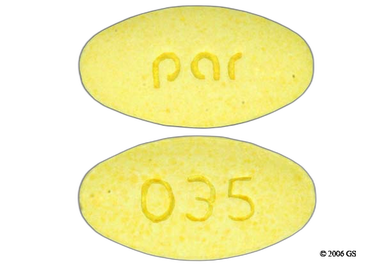
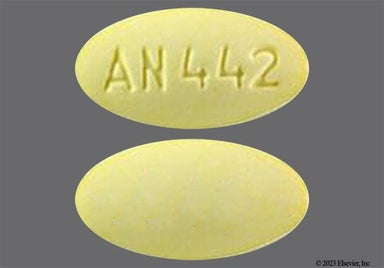
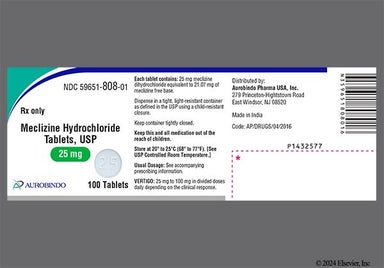
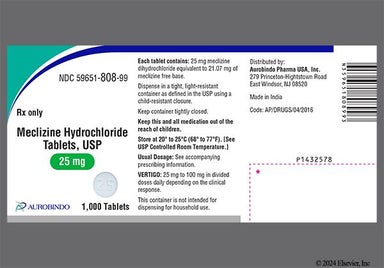
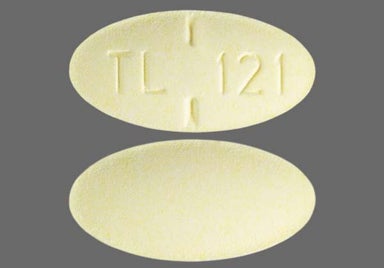
Meclizine is an antihistamine. It's used to prevent and treat nausea, vomiting, and dizziness from motion sickness or vertigo. It's available in both prescription (to treat vertigo) and over-the-counter (to treat motion sickness) forms. Meclizine also comes as a chewable tablet or pill that you swallow whole. Some common side effects of meclizine include sleepiness, dry mouth, and difficulty urinating.

Meclizine is an antihistamine. It blocks histamine, a natural chemical in your body, from binding (attaching) to a part of your brain that triggers nausea and vomiting.
| Common Brands | Antivert, Dramamine Motion Sickness Less Drowsy, Bonine for Motion Sickness |
|---|---|
| Drug Class | Antihistamine |
| Controlled Substance Classification | Not a controlled medication |
| Generic Status | Lower-cost generic available |
| Availability | Prescription or over-the-counter |

The following side effects may get better over time as your body gets used to the medication. Let your healthcare provider know immediately if you continue to experience these symptoms or if they worsen over time.
Contact your healthcare provider immediately if you experience any of the following.
Along with its needed effects, a medicine may cause some unwanted effects. Although not all of these side effects may occur, if they do occur they may need medical attention.
Check with your doctor immediately if any of the following side effects occur:
Some side effects may occur that usually do not need medical attention. These side effects may go away during treatment as your body adjusts to the medicine. Also, your health care professional may be able to tell you about ways to prevent or reduce some of these side effects. Check with your health care professional if any of the following side effects continue or are bothersome or if you have any questions about them:
Rare
Blurred vision
Other side effects not listed may also occur in some patients. If you notice any other effects, check with your healthcare professional.
Call your doctor for medical advice about side effects. You may report side effects to the FDA at 1-800-FDA-1088.




Meclizine can cause some serious health issues. This risk may be even higher for certain groups. If this worries you, talk to your doctor or pharmacist about other options.
Meclizine can make you very sleepy, which can affect your ability to focus, think, or react. This side effect is more likely to happen or be more intense if you are over 65 years old, drink alcohol while taking this medication, or take other medications that cause sleepiness (e.g., benzodiazepines, anxiety medications, muscle relaxants, or sleep medications). Don't drive or operate machinery until you know how this medication affects you.
Ask your healthcare provider if it's ok for you to take meclizine if you have asthma, glaucoma, or an enlarged prostate gland. Taking meclizine can worsen your condition(s) and lead to more breathing problems, vision problems, or trouble urinating, respectively. Make sure your provider knows about all medical conditions you have or have had in the past before you start meclizine.

Motion sickness (OTC meclizine):
Vertigo (Prescription meclizine):

Although certain medicines should not be used together at all, in other cases two different medicines may be used together even if an interaction might occur. In these cases, your doctor may want to change the dose, or other precautions may be necessary. When you are taking this medicine, it is especially important that your healthcare professional know if you are taking any of the medicines listed below. The following interactions have been selected on the basis of their potential significance and are not necessarily all-inclusive.
Using this medicine with any of the following medicines is not recommended. Your doctor may decide not to treat you with this medication or change some of the other medicines you take.
Using this medicine with any of the following medicines is usually not recommended, but may be required in some cases. If both medicines are prescribed together, your doctor may change the dose or how often you use one or both of the medicines.










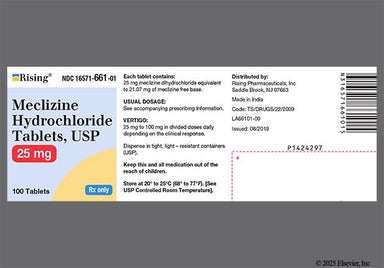
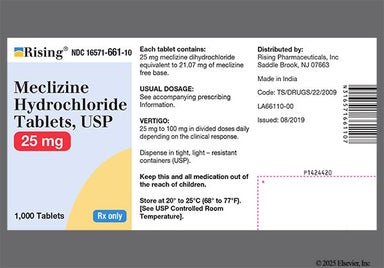
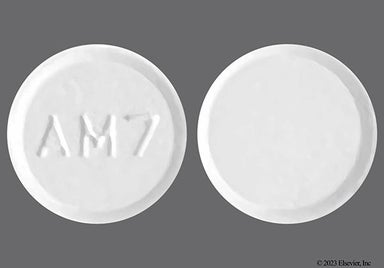
Prescription savings
Stop paying too much for your prescriptions. Compare prices, get pharmacy coupons, and save up to 80%.Resources
About GoodRx
 Find expert answers to your health questions so you can make the best decisions for yourself and your family.
Health conditions
Medications & treatment
Access & affordability
Well-being
Medication discounts

It takes about 1 hour for Meclizine to start working. This is why if you're taking Meclizine for motion sickness, you should plan to take it about an hour before the activity that might cause motion sickness.
Meclizine's effects can last for 8 to 24 hours. This means that if you're taking Meclizine for vertigo and your symptoms last most of the day, your provider might ask you to take multiple doses of this medication throughout the day.
Yes, it's possible for Meclizine to make you feel sleepy. However, Meclizine tends to cause less sleepiness compared to dimenhydrinate (Dramamine Original Formula), another OTC motion sickness medication. If you're taking Meclizine for the first time, don't drive or do anything that requires a lot of focus or attention until you know how this medication makes you feel. To lower your risk for sleepiness, avoid alcohol and other medications that can also make you sleepy. Let your provider know if Meclizine makes you very drowsy, they can talk to you about other options for your condition.
Meclizine is available either over-the-counter (OTC) or by prescription, depending on which health condition you're being treated for. If you're taking Meclizine for motion sickness, you can get it over the counter. Some examples of OTC Meclizine include Dramamine Less Drowsy or Bonine Motion Sickness. But if you have vertigo, your provider will need to write you a prescription for Meclizine (Antivert) before you can pick it up at the pharmacy. This is because vertigo can be a symptom of more serious health conditions, such as stroke or multiple sclerosis, so it's best if you see a doctor who can help you find the cause of your symptoms. Ask your pharmacist or provider if you have any questions.
It depends. Dramamine is the name of a brand that makes multiple products, rather than a single medication. In fact, Meclizine exist as Dramamine Less Drowsy. But the original Dramamine product that people often think of is dimenhydrinate. Meclizine and dimenhydrinate aren't the same. While they're both OTC medications that can be taken for motion sickness, Meclizine is less likely to cause sleepiness than dimenhydrinate. In addition, Meclizine lasts longer in your body - a single dose of Meclizine can last 8 to 24 hours, whereas dimenhydrinate is typically taken every 4 to 6 hours.
It depends on your child's age and what condition they're being treated for. Meclizine for motion sickness is approved for children ages 12 years and older. But Meclizine (Antivert) for vertigo has only be studied in adults and shouldn't be taken by children. There isn't enough research to know whether Meclizine will work well or be safe for children who are younger than these age cut-offs for either condition. Talk with your child's provider if you have a child younger than 12 years old who has motion sickness, or a child under 18 years old who has vertigo.
Based on available data, doesn't seem to raise the risk for birth defects or pregnancy complications. Meclizine is actually a recommended treatment option for morning sickness during pregnancy. Ask your provider if you have more questions about Meclizine and pregnancy.
If you're breastfeeding, discuss with your provider about the risks and benefits of taking Meclizine. Data shows that taking Meclizine every once in a while shouldn't cause harm to your baby or affect your milk supply. But if you're taking higher doses of Meclizine or taking it for a long time, there's a risk that your baby might experience side effects, such as sleepiness, and the medication might lower your milk supply.
