







10 Medication Side Effects That Can Affect Your Mouth
Some medications cause mouth-related side effects, like dry mouth and burning mouth syndrome. Here are 10 common issues and medications that may cause them.
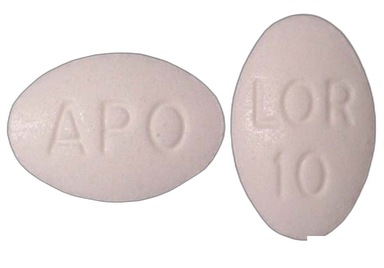
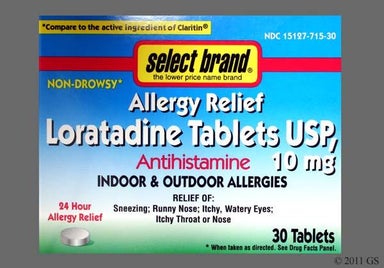
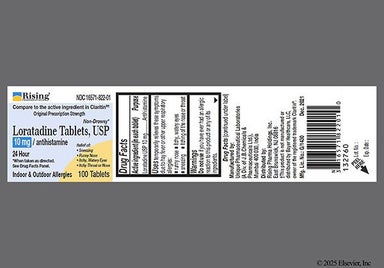
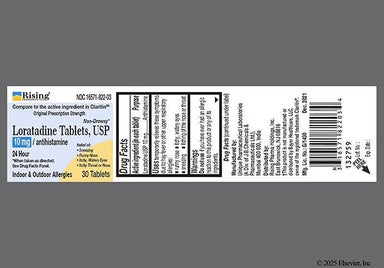
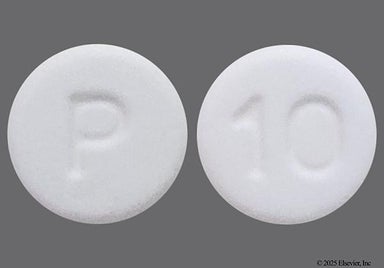
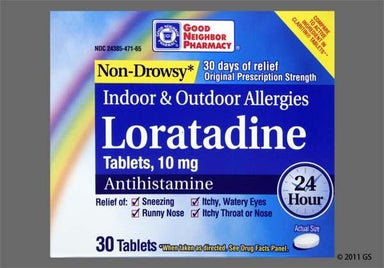
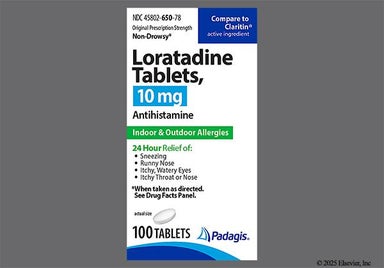
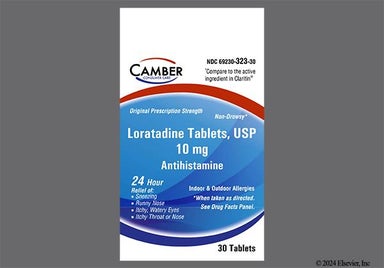
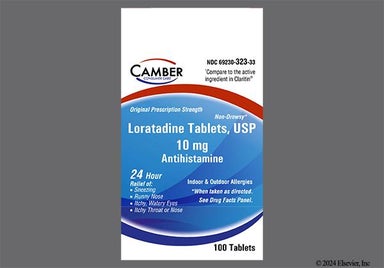
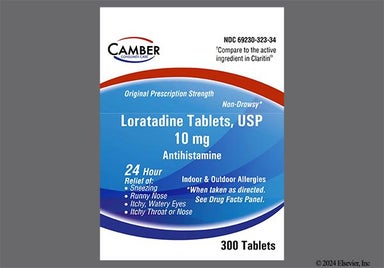
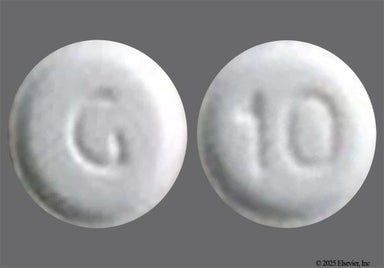
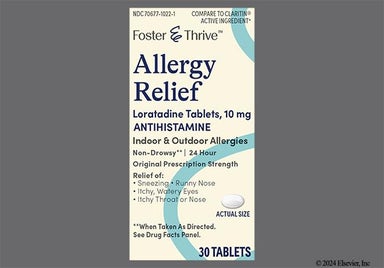
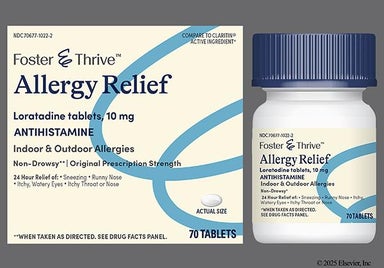
Loratadine (Claritin) is an over-the-counter antihistamine for adults and kids. It helps relieve allergy symptoms like a runny nose, sneezing, and watery eyes. This allergy medication is taken by mouth, usually once a day. It comes as different formulations, including regular tablets, chewable tablets, and a liquid. Loratadine (Claritin) is a non-drowsy allergy medication because it's less likely to make you sleepy. Other side effects can include headache and feeling tired. Loratadine (Claritin) is available as a brand-name and generic.

Loratadine (Claritin) is an antihistamine. It works by blocking histamine. Histamine is a natural chemical in your body that causes allergy symptoms like itchy eyes, a runny nose, and sneezing. By blocking histamine, this medication helps relieve allergy symptoms.
| Common Brands | Claritin, Children s Claritin |
|---|---|
| Drug Class | Antihistamine |
| Controlled Substance Classification | Not a controlled medication |
| Generic Status | Lower-cost generic available |
| Availability | Over-the-counter |

The following side effects may get better over time as your body gets used to the medication. Let your healthcare provider know immediately if you continue to experience these symptoms or if they worsen over time.
Contact your healthcare provider immediately if you experience any of the following.
Side effects that you should report to your care team as soon as possible:
Side effects that usually do not require medical attention (report these to your care team if they continue or are bothersome):




Loratadine (Claritin) can cause some serious health issues. This risk may be even higher for certain groups. If this worries you, talk to your doctor or pharmacist about other options.
Loratadine (Claritin) might make you sleepy. This can make it harder to focus, think, or react quickly. You're more likely to have this side effect if you drink alcohol while taking this medication. It can also happen if you take it with other medications that also cause sleepiness, like opioids and certain anxiety medications. Don't drive or use machinery until you know how loratadine (Claritin) affects you.
Loratadine (Claritin) and other antihistamines are in many over-the-counter products. Taking too much loratadine (Claritin) can lead to an accidental overdose. This can also happen if you use more than one product with an antihistamine, including those used on the skin. Symptoms can include fast heart rate, agitation, behavior changes, and poor balance. It can also cause serious side effects, such as seizures, hallucinations, or even death.
To stay safe, read medication labels carefully. If you're not sure whether something has an antihistamine in it, ask a pharmacist before taking it with loratadine (Claritin). Don't start any new medications without talking to a healthcare professional or pharmacist. They can make sure it's safe to take with loratadine (Claritin) or with your other medications.
If you think you or someone else has taken too much medication, get medical help right away or call Poison Control at 1-800-222-1222.
Some chewable tablets and orally disintegrating tablets contain phenylalanine, which comes from the artificial sweetener aspartame. If you have a genetic condition called phenylketonuria (PKU), these forms of loratadine (Claritin) can be dangerous for you.
Check the loratadine (Claritin) medication box to see if it has a warning for people with PKU. If you're not sure, ask a pharmacist. Other formulations of the medication might be safer for you.

The dosage can differ depending on the manufacturer and formulation of the medication. Follow the instructions on the medication box.
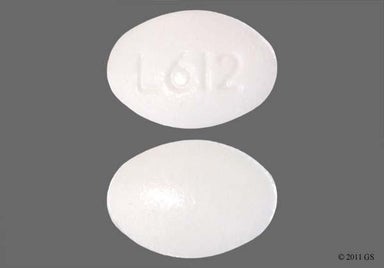
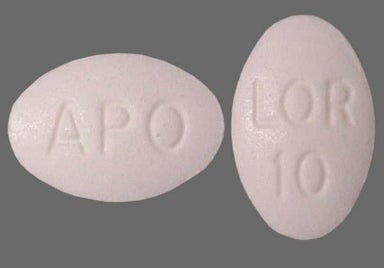
Loratadine (Claritin) regular tablets or orally disintegrating tablets
Loratadine (Claritin) chewable tablets











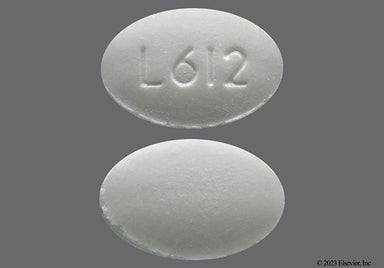
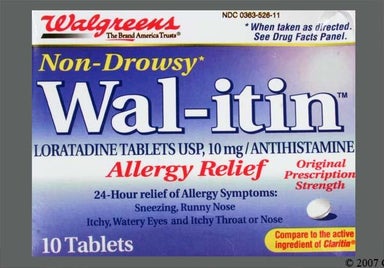
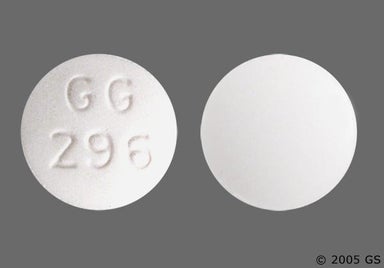
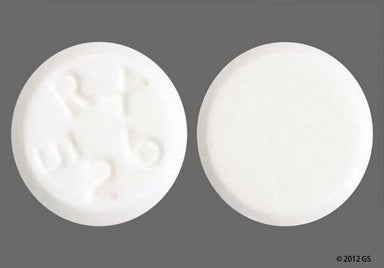
Prescription savings
Stop paying too much for your prescriptions. Compare prices, get pharmacy coupons, and save up to 80%.Resources
About GoodRx
 Find expert answers to your health questions so you can make the best decisions for yourself and your family.
Health conditions
Medications & treatment
Access & affordability
Well-being
Medication discounts

Loratadine starts working to relieve allergy symptoms within 1 to 3 hours. It might take 8 to 12 hours before you feel the full effects of the medication.
Take Loratadine once a day. This medication should work to relieve allergy symptoms for about 24 hours. Check the instructions on the medication box to be sure. It might differ depending on the product you have, for example Claritin RediTabs 12-Hour. Ask a healthcare professional or pharmacist if you're not sure.
Yes, Loratadine can make some people feel drowsy or sleepy. But it's less likely to cause sleepiness than other allergy medications like diphenhydramine (Benadryl). This is because Loratadine is less likely to reach areas of the brain that cause sleepiness. If you feel too drowsy after taking this medication, tell your primary care provider or pharmacist. They might ask you to take it closer to bedtime or consider other options.
No. Don't take Loratadine and diphenhydramine (Benadryl) together unless a healthcare professional says it's okay. Both are antihistamines, and taking two at the same time can raise the risk of side effects. This can include drowsiness, dry mouth, dizziness, and behavior changes. But you can switch between the two. If you want to switch from Loratadine to diphenhydramine (Benadryl), wait 24 hours after your last loratadine dose. If you're switching the other way around, wait at least 6 hours before taking Loratadine.
It's best to limit how much alcohol you drink or avoid alcohol while taking Loratadine. This allergy medication might make you feel sleepy or dizzy. These side effects might be worse if you take the medication with alcohol. Talk to a healthcare professional about your drinking habits and how to take Loratadine safely.
Cetirizine (Zyrtec) and Loratadine are both over-the-counter antihistamines. They both work well for allergies. But cetirizine (Zyrtec) might start working a little faster than Loratadine. Both are called non-drowsy allergy medications, though some people might still feel sleepy from them. This is slightly more likely with cetirizine (Zyrtec) than with Loratadine. Ask a healthcare professional to help you compare and decide which is best for you.
Loratadine is an option for relieving itching and swelling from hives. If you get hives often, let your dermatologist or primary care provider know. They can work with you to find what's causing the hives and ways to avoid triggers. But get medical help right away if you have trouble breathing or swelling of your tongue or mouth, along with hives. These can be signs of a life-threatening allergic reaction.
You can take Loratadine while pregnant. Most antihistamines like Loratadine are considered safe to take during pregnancy. To be cautious, talk to your obstetrician or a pharmacist about the risks and benefits before taking this medication while pregnant.
