


Is Gabapentin a Controlled Substance? In Some States, Yes
Gabapentin is a controlled substance in states like Michigan and Kentucky, while others have mandated reporting rules. Learn about its risk for abuse here.
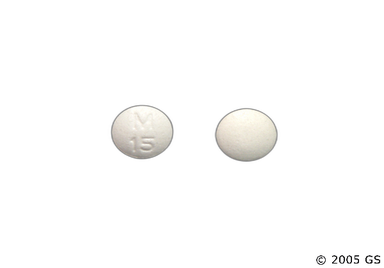
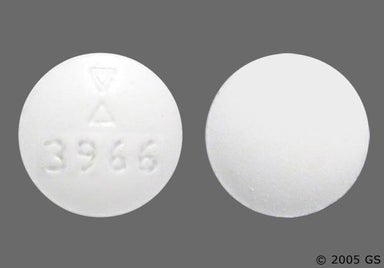
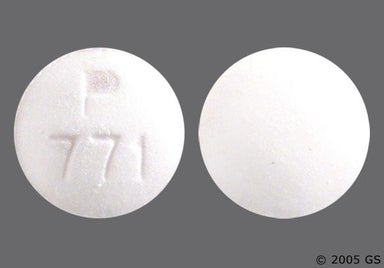
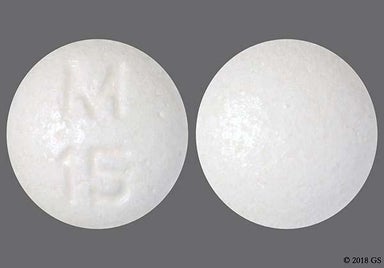
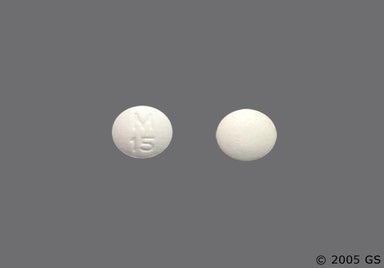
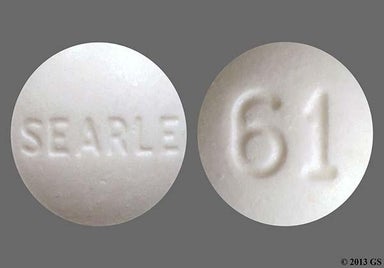
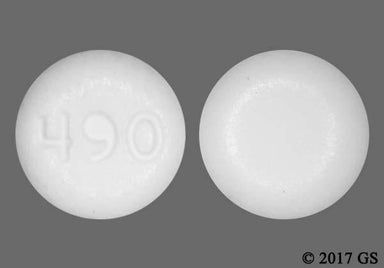
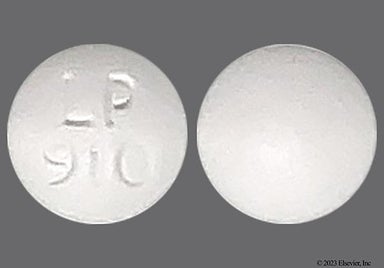
Lomotil (diphenoxylate / atropine) is an antidiarrheal combination medication containing diphenoxylate (an opioid) and atropine (an anticholinergic). It's used to treat diarrhea in people 13 years and older. You usually start by taking it 4 times a day until the diarrhea is under control, then switch to a lower dose. The medication is available in both brand-name and generic versions. Lomotil (diphenoxylate / atropine) is a controlled substance, so there might be specific requirements for getting it filled at the pharmacy. Side effects include sleepiness, dizziness, and nausea.

Lomotil (diphenoxylate / atropine) is a combination of two medications that work together to treat diarrhea.
| Common Brands | Lomotil |
|---|---|
| Drug Class | Opioid / Anticholinergic |
| Controlled Substance Classification | Schedule V |
| Generic Status | Lower-cost generic available |
| Availability | Prescription only |

Lomotil (diphenoxylate / atropine) can cause some serious health issues. This risk may be even higher for certain groups. If this worries you, talk to your doctor or pharmacist about other options.
There have been cases of children having serious breathing problems or a coma after taking Lomotil (diphenoxylate / atropine). These effects can cause permanent brain damage or death. Children younger than 6 years old are at the greatest risk. Keep this medication safely stored and out of reach of children.
Typical prescribed doses of Lomotil (diphenoxylate / atropine) for diarrhea don’t usually lead to addiction or misuse. However, higher doses can cause a life-threatening overdose. Symptoms include slow breathing, coma, extreme fatigue, slurred speech, and a rapid heartbeat. Slow breathing can appear up to 30 hours after taking the medication. Seek medical help immediately if you experience any of these symptoms.
Lomotil (diphenoxylate / atropine) can make you feel sleepy or dizzy and it can lower your ability to focus, think, and react. Drinking alcohol and taking other medications that also cause sleepiness ((e.g., benzodiazepines, muscle relaxants, opioids) raises this risk. Avoid activities that require you to be alert, such as driving a car or operating machinery, until you know how this medication affects you.
Diarrhea can make you dehydrated. Make sure you get enough fluids when you have diarrhea and that you're properly hydrated when you take Lomotil (diphenoxylate / atropine). Talk to your prescriber or pharmacist if you have additional questions.
In some cases, Lomotil (diphenoxylate / atropine) can lead to serious bowel problems. Lomotil (diphenoxylate / atropine) should never be used to treat diarrhea caused by bacteria. The medication slows down your gut, which can cause bacteria to grow more in your intestines. If you have worsening diarrhea after taking Lomotil (diphenoxylate / atropine), speak with your prescriber.
People who have ulcerative colitis (UC) should also be careful when taking Lomotil (diphenoxylate / atropine). It's rare, but this medication can cause a serious, life-threatening swelling of your large intestines called toxic megacolon. Let your prescriber know if you have symptoms such as a fever, high heart rate, dehydration, or low blood pressure.

The following side effects may get better over time as your body gets used to the medication. Let your healthcare provider know immediately if you continue to experience these symptoms or if they worsen over time.
Contact your healthcare provider immediately if you experience any of the following.
Along with its needed effects, a medicine may cause some unwanted effects. Although not all of these side effects may occur, if they do occur they may need medical attention.
Check with your doctor immediately if any of the following side effects occur:
Incidence not known
confusion
decrease in the frequency of urination
decrease in urine volume
difficulty in passing urine (dribbling)
difficulty swallowing
discouragement
dizziness
drowsiness
dry skin and mouth
extremely high fever or body temperature
false or unusual sense of well-being
fast, shallow breathing
fast, weak heartbeat
feeling of warmth
feeling sad or empty
headache
irritability
loss of appetite
loss of interest or pleasure
muscle cramps
numbness of the arms and legs
pale, clammy skin
puffiness or swelling of the eyelids or around the eyes, face, lips, or tongue
redness of the face, neck, arms and occasionally, upper chest
restlessness
seeing, hearing, or feeling things that are not there
stomach cramps or pain
thirst
tightness in the chest
trouble concentrating
trouble sleeping
unusual drowsiness, dullness, tiredness, weakness, or feeling of sluggishness
unusual tiredness or weakness
vomiting
Get emergency help immediately if any of the following symptoms of overdose occur:
Symptoms of overdose
Agitation
back pain
bigger, dilated, or enlarged pupils (black part of eye)
blurred vision
difficult or troubled breathing
feeling of warmth
garbled speech
increased sensitivity of the eyes to light
irregular, fast or slow, or shallow breathing
loss of consciousness
mood or mental changes
pale or blue lips, fingernails, or skin
seizures
speech that is not understood
stiff neck
unusual tiredness or weakness
Other side effects not listed may also occur in some patients. If you notice any other effects, check with your healthcare professional.
Call your doctor for medical advice about side effects. You may report side effects to the FDA at 1-800-FDA-1088.



More tips for Lomotil (diphenoxylate / atropine) oral solution:


Although certain medicines should not be used together at all, in other cases two different medicines may be used together even if an interaction might occur. In these cases, your doctor may want to change the dose, or other precautions may be necessary. When you are taking this medicine, it is especially important that your healthcare professional know if you are taking any of the medicines listed below. The following interactions have been selected on the basis of their potential significance and are not necessarily all-inclusive.
Using this medicine with any of the following medicines is not recommended. Your doctor may decide not to treat you with this medication or change some of the other medicines you take.
Using this medicine with any of the following medicines is usually not recommended, but may be required in some cases. If both medicines are prescribed together, your doctor may change the dose or how often you use one or both of the medicines.
Using this medicine with any of the following medicines may cause an increased risk of certain side effects, but using both drugs may be the best treatment for you. If both medicines are prescribed together, your doctor may change the dose or how often you use one or both of the medicines.


Contraindications are specific health conditions or situations in which a person should not take a medication due to safety concerns. If you have any of the following conditions or if any of the following apply to you, let your healthcare provider know because Lomotil (diphenoxylate / atropine) will not be safe for you to take.




Prescription savings
Stop paying too much for your prescriptions. Compare prices, get pharmacy coupons, and save up to 80%. Find expert answers to your health questions so you can make the best decisions for yourself and your family.
Health conditions
Medications & treatment
Access & affordability
Medication discounts

No, Lomotil isn't banned. However, since it's a controlled substance, there might be special requirements for filling it at the pharmacy. Talk to your prescriber or pharmacist if you have any further questions about its availability.
Lomotil is a controlled substance because it contains diphenoxylate, an opioid medication. At low doses, it's used to treat diarrhea and doesn't relieve pain like other opioids. That's why Lomotil is a Schedule V medication, not Schedule II like stronger opioids that are more likely to be misused.
You can expect your symptoms to improve within 48 hours after taking Lomotil. If you're still having symptoms after more than 10 days, speak with your prescriber because it's possible that your diarrhea is caused by something else.
No, Lomotil is only available with a prescription from a healthcare professional (HCP). If you're looking for an over-the-counter (OTC) option to manage diarrhea symptoms, ask your HCP or pharmacist for guidance.
Although Lomotil contains an opioid (diphenoxylate) that's considered a narcotic, it doesn't relieve pain like typical narcotics do. It works to treat diarrhea by slowing down movement in the gut.
Lomotil and loperamide (Imodium) are two different medications used to treat diarrhea. Since Lomotil is usually added to your current diarrhea treatment, you might be able to take both medications together. Talk to your prescriber to see if it's safe to take both medications.
If you're taking the tablets, don’t take more than 8 tablets (20 mg of diphenoxylate) per day. If you're taking the oral solution, don't take more than 40 mL in a day. Taking too much Lomotil can lead to an overdose which can be life-threatening. Symptoms can include slow breathing, coma, extreme fatigue, slurred speech, and a fast heartbeat. Get medical help right away if you're having any of these symptoms.
It’s not known if Lomotil is safe to take during pregnancy since no studies have been done. If you're pregnant or planning to become pregnant, talk to your prescriber before taking this medication. They can help you weigh the benefits and risks.
