


Scratching the Surface: 8 Medications That Can Make You Feel Itchy
Itching can be an unexpected medication side effect. Certain drugs, including some blood pressure medications and cancer treatments, can cause itchiness.
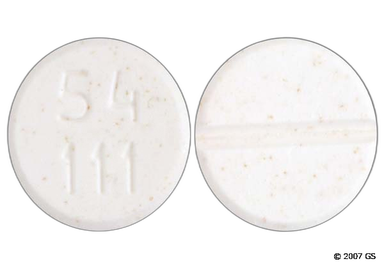
Mefloquine is a good option to prevent and treat certain types of malaria. It's taken once a week for prevention and as a one-time dose for treatment. The medication can't be used in people with a history of mood disorders or seizures.

Note: When used for the treatment of malaria caused by Plasmodium vivax, you will need to combine mefloquine with another antimalarial medication called primaquine.
Mefloquine is an antimalarial medication. It prevents and kills two forms of malaria, Plasmodium falciparum and Plasmodium vivax.
| Common Brands | Larium |
|---|---|
| Drug Class | Antimalarial |
| Controlled Substance Classification | Not a controlled medication |
| Generic Status | Lower-cost generic available |
| Availability | Prescription only |

The following side effects may get better over time as your body gets used to the medication. Let your healthcare provider know immediately if you continue to experience these symptoms or if they worsen over time.
Most common side effects when used for treatment of malaria:
Most common side effects when used for prevention of malaria:
Contact your healthcare provider immediately if you experience any of the following.
Along with its needed effects, a medicine may cause some unwanted effects. Although not all of these side effects may occur, if they do occur they may need medical attention.
Check with your doctor immediately if any of the following side effects occur:
Rare
Aching joints and muscles
blistering, loosening, peeling, or redness of the skin
chest pain or discomfort
chills
confusion
convulsions (seizures)
cough or hoarseness
dizziness
fainting
hallucinations (seeing, hearing, or feeling things that are not there)
irregular, pounding, slow, or fast heartbeat or pulse
irritability
lightheadedness
lower back or side pain
mental depression
painful or difficult urination
pinpoint red spots on the skin
red or irritated eye
restlessness
sores, ulcers, or white spots in the mouth or on the lips
stiff neck
swelling of the ankles, feet, or lower legs
unusual bleeding or bruising
unusual tiredness or weakness
vomiting
Incidence not known
Blurred or loss of vision
continuing ringing or buzzing or other unexplained noise in the ears
disturbed color perception
double vision
feeling of constant movement of self or surroundings
halos around lights
hearing loss
hearing problems
loss of balance
loss of bladder control
muscle spasm or jerking of all extremities
night blindness
overbright appearance of lights
sensation of spinning
severe or continuing headache
sudden loss of consciousness
trouble sleeping
troubled breathing
tunnel vision
Some side effects may occur that usually do not need medical attention. These side effects may go away during treatment as your body adjusts to the medicine. Also, your health care professional may be able to tell you about ways to prevent or reduce some of these side effects. Check with your health care professional if any of the following side effects continue or are bothersome or if you have any questions about them:
Less common
Abnormal dreams
loss of appetite
skin rash
Rare
Loss of hair
Other side effects not listed may also occur in some patients. If you notice any other effects, check with your healthcare professional.
Call your doctor for medical advice about side effects. You may report side effects to the FDA at 1-800-FDA-1088.




Mefloquine can cause some serious health issues. This risk may be even higher for certain groups. If this worries you, talk to your doctor or pharmacist about other options.
 Mefloquine can change your mood and behavior even after this medication has been stopped. These changes can include suicidal thoughts and behaviors, anxiety, paranoia, depression, hallucinations, and delusions. Don't take mefloquine if you have a history of major depression, generalized anxiety, psychosis, schizophrenia or any other mental health problems. If you don't have a history of these, but you experience unusual moods or behaviors, let your healthcare provider know.
Mefloquine can cause a heart problem known as QT prolongation (changes in the beats and electrical signals of your heart). Certain medications that shouldn't be taken together are halofantrine (an antimalarial) and ketoconazole (an antifungal). Many other medications can also cause this heart problem, so let your healthcare provider know what medications you are taking before starting mefloquine.
Mefloquine can cause you to feel faint, dizzy, have ringing in your ears, and lose your balance. Don't drive or participate in any activities that need you to be alert before you become used to mefloquine. If you experience any of these problems, let your healthcare provider know.
Mefloquine can raise your risk of seizures. Your risk might be higher if you're taking mefloquine with other antimalarial medications like quinine (Qualaquin) or chloroquine. Because of this risk, mefloquine shouldn't be used with these medications and shouldn't be used to treat malaria in people with a history of seizures. Let your healthcare provider know if you've had seizures in the past before you start mefloquine.
Some people taking mefloquine have had eye problems, including those affecting the nerves in your eyes. Talk to your healthcare provider or optometrist if you experience any changes in your vision.

 Tablet
| Dosage | Quantity | Price as low as | Price per unit |
|---|---|---|---|
| 250mg | 10 tablets | $32.83 | $3.28 |

Although certain medicines should not be used together at all, in other cases two different medicines may be used together even if an interaction might occur. In these cases, your doctor may want to change the dose, or other precautions may be necessary. When you are taking this medicine, it is especially important that your healthcare professional know if you are taking any of the medicines listed below. The following interactions have been selected on the basis of their potential significance and are not necessarily all-inclusive.
Using this medicine with any of the following medicines is not recommended. Your doctor may decide not to treat you with this medication or change some of the other medicines you take.
Using this medicine with any of the following medicines is usually not recommended, but may be required in some cases. If both medicines are prescribed together, your doctor may change the dose or how often you use one or both of the medicines.
Using this medicine with any of the following medicines may cause an increased risk of certain side effects, but using both drugs may be the best treatment for you. If both medicines are prescribed together, your doctor may change the dose or how often you use one or both of the medicines.


Contraindications are specific health conditions or situations in which a person should not take a medication due to safety concerns. If you have any of the following conditions or if any of the following apply to you, let your healthcare provider know because Mefloquine will not be safe for you to take.

Note: When used for the treatment of malaria caused by Plasmodium vivax, you will need to combine mefloquine with another antimalarial medication called primaquine.


Prescription savings
Stop paying too much for your prescriptions. Compare prices, get pharmacy coupons, and save up to 80%.Resources
About GoodRx
 Find expert answers to your health questions so you can make the best decisions for yourself and your family.
Health conditions
Medications & treatment
Access & affordability
Well-being
Medication discounts

Children can also take Mefloquine, but it is considered a last-choice option for children because of the possibilities of mood changes.
If you throw up within 30 minutes of taking the medication, you should repeat the full dose. If you throw up again after 30 to 60 minutes of taking the repeated dose, take an additional half dose (half of your full dose).
Yes, Mefloquine can be crushed and mixed with water, milk or other drinks if you have trouble swallowing tablets.
Talk to your healthcare provider about your options if you fall into any of these categories: people with a history of depression, anxiety, mood disorders, seizures, and certain heart conditions. Tell your healthcare provider about your full medical history so that they can make sure Mefloquine is safe for you.
Mefloquine is safe to use during pregnancy, but it may not be the best option depending on the type of malaria you are treating, or where in the world you are traveling to prevent malaria. Your healthcare provider will discuss all of the options during pregnancy that is specific to your case.
