



Fungal Acne (Pityrosporum Folliculitis): Causes, Symptoms, Images, and Treatments
Fungal acne (pityrosporum folliculitis) can look like regular acne, but the treatment is different. Learn what fungal acne looks like and what causes it here.
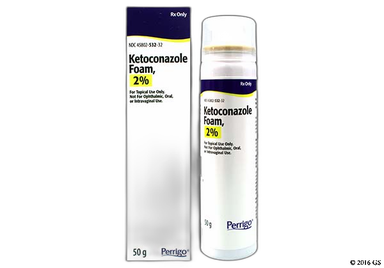
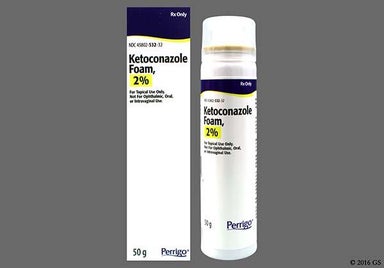
Ketoconazole foam (Extina) is an azole antifungal. It's used to treat seborrheic dermatitis in people 12 years and older. The foam is applied to the affected area(s), such as face and scalp, twice a day. Typically, a treatment lasts 4 weeks. One of the more common side effect of ketoconazole foam (Extina) is burning sensation at the application site.

Ketoconazole foam (Extina) is an azole antifungal. Some forms of seborrheic dermatitis might be linked to an yeast infection. Ketoconazole foam (Extina) is thought to treat this skin condition by getting rid of the yeast and lowering inflammation.
| Common Brands | Extina, Ketodan |
|---|---|
| Drug Class | Azole antifungal |
| Controlled Substance Classification | Not a controlled medication |
| Generic Status | Lower-cost generic available |
| Availability | Prescription only |

The following side effects may get better over time as your body gets used to the medication. Let your healthcare provider know immediately if you continue to experience these symptoms or if they worsen over time.
Along with its needed effects, a medicine may cause some unwanted effects. Although not all of these side effects may occur, if they do occur they may need medical attention.
Check with your doctor immediately if any of the following side effects occur:
Less common—For cream, shampoo, foam, or gel
Itching, stinging, burning, or irritation not present before use of this medicine
Rare—For cream, foam, or gel
bleeding from sore in the mouth
blistering, crusting, irritation, itching, or reddening of the skin
burning, crawling, itching, numbness, prickling, "pins and needles", or tingling feelings
cracked, dry, or scaly skin
discoloration of the fingernails or toenails
dizziness
eye dryness, irritation, or swelling
red rash with watery, yellow-colored, or pus filled blisters with or without thick yellow to honey-colored crusts
skin dryness, pain, rash, redness, or swelling
sore in the mouth or on the gums
swelling of the face
Rare—For shampoo
Hair loss and irritation
Incidence not known—For gel
Incidence not known—For shampoo
Blistering, burning, crusting, dryness, or flaking of the skin
burning sensation of the skin
burning, itching, redness, skin rash, swelling, or soreness at the application site
discoloration of the hair
fast heartbeat
hoarseness
irritation
itching, scaling, severe redness, or soreness of the skin
joint pain, stiffness, or swelling
rash
shortness of breath
swelling of the eyelids, face, lips, hands, or feet
thinning of the hair
tightness in the chest
troubled breathing or swallowing
Some side effects may occur that usually do not need medical attention. These side effects may go away during treatment as your body adjusts to the medicine. Also, your health care professional may be able to tell you about ways to prevent or reduce some of these side effects. Check with your health care professional if any of the following side effects continue or are bothersome or if you have any questions about them:
Less common—For shampoo or gel
Dryness or oiliness of the hair and scalp
headache
Rare—For shampoo
Abnormal hair texture
mild dryness of the skin
scalp pustules
Other side effects not listed may also occur in some patients. If you notice any other effects, check with your healthcare professional.
Call your doctor for medical advice about side effects. You may report side effects to the FDA at 1-800-FDA-1088.




Ketoconazole foam (Extina) can cause some serious health issues. This risk may be even higher for certain groups. If this worries you, talk to your doctor or pharmacist about other options.
Ketoconazole foam (Extina) can cause an allergic rash to form where it was applied. Sometimes, this rash doesn't happen unless you are exposed to sunlight after applying the medication. If possible, avoid the sun or cover up areas where you applied ketoconazole foam (Extina) right after you use it. If you notice any signs of an allergic reaction like a rash, hives, or swelling, let your healthcare provider know. You'll need to use a different medication.
Ketoconazole foam (Extina) contains flammable ingredients. Stay away from fires or open flames, and don't smoke during and immediately after using ketoconazole foam (Extina). Don't store ketoconazole foam (Extina) at high temperatures (over 120 degrees Fahrenheit) and avoid getting the container close to fires, flames, or other heat sources. Even if the ketoconazole foam (Extina) can is empty, don't poke holes in it or throw it into a fire.


Although certain medicines should not be used together at all, in other cases two different medicines may be used together even if an interaction might occur. In these cases, your doctor may want to change the dose, or other precautions may be necessary. Tell your healthcare professional if you are taking any other prescription or nonprescription (over-the-counter [OTC]) medicine.









Prescription savings
Stop paying too much for your prescriptions. Compare prices, get pharmacy coupons, and save up to 80%. Find expert answers to your health questions so you can make the best decisions for yourself and your family.
Health conditions
Medications & treatment
Access & affordability
Medication discounts

No, Extina isn't a steroid; it's an antifungal. Depending on how severe your condition is, your provider might prescribe both Extina and a steroid at the same time to treat seborrheic dermatitis.
No, Extina isn't FDA-approved to treat ringworm. If you need treatment for ringworms, your provider might prescribe ketoconazole cream.
No, you can only get Extina with a prescription from your healthcare provider.
People who used Extina during clinical studies didn't report hair loss as a side effect. But if you're applying Extina to the scalp, there's a chance that this medication can cause your scalp to feel itchy. Sometimes, itchy or sensitive scalp can lead to hair loss. If you're experiencing hair loss, contact your healthcare provider so they can help you determine the cause.
Yes, you can apply Extina to the face. But don't spray the foam directly on your face or into your hands. Instead, spray the Extina into the bottle cap or on another cool surface. Then, use your fingers to take a small amount of the medication and rub it into the affected area on the face. Spraying this medication directly on your face put you at risk for getting it into your eyes. And spraying Extina into your hands can cause it to melt before you've a chance to apply it.
Yes, Extina can expire. Make sure to check the expiration date on the box or can. If the medication is past the expiration date, throw it away and ask your pharmacist for a refill. If you don't have refills left, you'll need to get a new prescription from your provider. Expired Extina might not work well and can raise your risk for more side effects.
In studies, over half of people using Extina to treat their seborrheic dermatitis saw their condition get better after 4 weeks. You could notice improvement in your skin sooner. But if your skin isn't improving after 4 weeks, contact your healthcare provider.
Extina hasn't been studied during pregnancy, so it's unclear how this medication might affect babies or mothers during pregnancy. To be safe, you should avoid using Extina unless your healthcare provider has told you to continue using it while you're pregnant.
