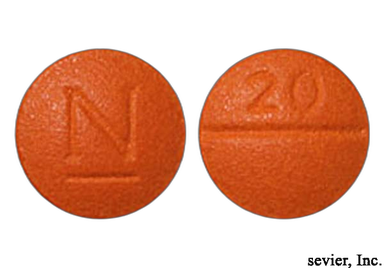
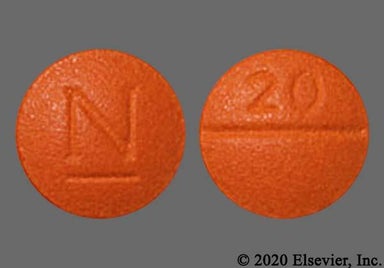
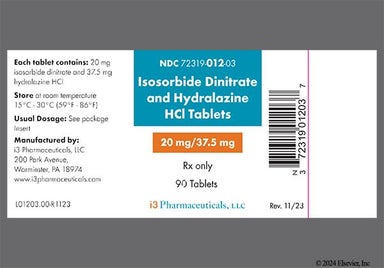
BiDil is a combination medication that contains isosorbide dinitrate (a nitrate) and hydralazine (an arteriolar vasodilator). It's used to treat heart failure in Black adults. But BiDil (isosorbide dinitrate / hydralazine) isn't a first-choice medication, but typically prescribed along with other heart failure medications. BiDil (isosorbide dinitrate / hydralazine) is taken by mouth three times per day. Common side effects of this medication include low blood pressure, dizziness, and weakness. BiDil is available as a brand-name medication and as lower-cost generics.
How BiDil (isosorbide dinitrate / hydralazine) works
BiDil is a combination medication that contains two medications, isosorbide dinitrate (a nitrate) and hydralazine (an arteriolar vasodilator). Both medications work differently to keep levels of a chemical called nitric oxide high. Nitric oxide helps to relax your blood vessels. This allows more blood to get to your heart and other organs. Your heart won't work as hard, so you'll feel better and have less heart failure problems.
Side effects of BiDil (isosorbide dinitrate / hydralazine)
The following side effects may get better over time as your body gets used to the medication. Let your healthcare provider know immediately if you continue to experience these symptoms or if they worsen over time.
Common Side Effects
Headache (50%)
Dizziness (32%)
Weakness or lack of energy (14%)
Nausea (10%)
Low blood pressure (8%)
Less Common Side Effects
Sinus inflammation
Feeling like pins and needles in hands or feet
Vomiting
Lazy eye
BiDil (isosorbide dinitrate / hydralazine) serious side effects
Contact your healthcare provider immediately if you experience any of the following.
Chest pain (angina)—pain, pressure, or tightness in the chest, neck, back, or arms
Fast or irregular heartbeat
Heart attack—pain or tightness in the chest, shoulders, arms, or jaw, nausea, shortness of breath, cold or clammy skin, feeling faint or lightheaded
Low blood pressure—dizziness, feeling faint or lightheaded, blurry vision
Lupus-like syndrome—joint pain, swelling, or stiffness, butterfly-shaped rash on the face, rashes that get worse in the sun, fever, unusual weakness or fatigue
Pros and cons of BiDil (isosorbide dinitrate / hydralazine)
Pros
Option for Black adults whose heart failure symptoms aren't well-controlled on existing medications
More convenient to take two medications within a single pill
Taken by mouth
Cons
Headache and dizziness are common side effects
Taken three times a day
Not meant to be taken alone for heart failure
Pharmacist tips for BiDil (isosorbide dinitrate / hydralazine)
You can take BiDil (isosorbide dinitrate / hydralazine) with or without food. But nausea is a common side effect, so taking it with food might help.
Swallow BiDil (isosorbide dinitrate / hydralazine) whole. Don't break, crush, or chew the tablet. Let your prescriber know if you can't swallow the tablets.
Headache and dizziness are common side effects, especially when first starting the medication and with dose changes. These might get better once your body adjusts to your new blood pressure. But if they don't and are too bothersome, speak to your prescriber. You might need to have your dose of BiDil (isosorbide dinitrate / hydralazine) or other medications adjusted.
Make sure to stay hydrated, especially if you are sweating, have diarrhea, or are vomiting, while taking BiDil (isosorbide dinitrate / hydralazine). This will help prevent a severe drop in your blood pressure, making you feel lightheaded. If you feel lightheaded or like you're about to faint, seek medical help right away.
Tell your prescriber about all the medications you're taking before you start BiDil (isosorbide dinitrate / hydralazine). And don't start any new medications without talking to a healthcare professional (HCP) first. Your care team should review your medication list to make sure your medications are safe to take together. They'll also check to see if you're taking something that might worsen heart failure.
Make sure to have a healthy diet, including a low-salt diet, while taking BiDil (isosorbide dinitrate / hydralazine). This will help lower the amount of fluid in your body, which helps make your heart not work as hard.
Risks and warnings for BiDil (isosorbide dinitrate / hydralazine)
BiDil (isosorbide dinitrate / hydralazine) can cause some serious health issues. This risk may be even higher for certain groups. If this worries you, talk to your doctor or pharmacist about other options.
Low blood pressure
Risk factors: Age 65 or older | Not enough fluids in the body | Taking PDE-5 inhibitors like Viagra (sildenafil) | Taking other medicines that lower your blood pressure
BiDil (isosorbide dinitrate / hydralazine) can cause your blood pressure to drop too much, which can make you feel dizzy, tired, or lightheaded. This side effect is more common when you first start BiDil (isosorbide dinitrate / hydralazine) or when the dose is raised. Your risk is higher if you're dehydrated or have medical conditions that cause you to become dehydrated, such as diarrhea or vomiting. If your blood pressure drops too much and you feel dizzy, make sure to sit down slowly while holding onto something and let your healthcare professional (HCP) know. If you fall and hit your head, get medical help right away. If you feel dizzy, lightheaded, faint, tired, or confused while taking BiDil (isosorbide dinitrate / hydralazine), contact your HCP right away.
Lupus-like symptoms
Although rare, hydralazine in BiDil can cause lupus. If this does happen, it usually goes away when stopping the medication. Contact you prescriber right away notice muscle or joint pain, swelling, fatigue, or fever.
Risk of worsening heart problems
Hydralazine in BiDil can raise your heart rate and lower blood pressure. In people who have hypertrophic cardiomyopathy (HCM), this can worsen blood flow to the heart and raise the risk for chest pain. If you have HCM, your healthcare team can talk with you about the risks and benefits of taking BiDil (isosorbide dinitrate / hydralazine).
Numbness or tingling
Hydralazine in BiDil can cause neuropathy, which can feel like numbness, tingling, or a "pins-and-needles" sensation. If you get these symptoms, let your prescriber know. They'll likely recommend taking a vitamin B6 (pyridoxine) supplement to help.
BiDil (isosorbide dinitrate / hydralazine) dosage
The average cost for 90 tablets of 20mg/37.5mg of BiDil (isosorbide dinitrate / hydralazine) is $68.67 with a free GoodRx coupon. This is 58.42% off the average retail price of $165.17.
Contraindications are specific health conditions or situations in which a person should not take a medication due to safety concerns. If you have any of the following conditions or if any of the following apply to you, let your healthcare provider know because BiDil (isosorbide dinitrate / hydralazine) will not be safe for you to take.
What are alternatives to BiDil (isosorbide dinitrate / hydralazine)?
There are a number of medications that your doctor can prescribe in place of BiDil (isosorbide dinitrate / hydralazine). Compare a few possible alternatives below.
GoodRx Health has strict sourcing policies and relies on primary sources such as medical organizations, governmental agencies, academic institutions, and peer-reviewed scientific journals. Learn more about how we ensure our content is accurate, thorough, and unbiased by reading our editorial guidelines.
Prescription savings
Stop paying too much for your prescriptions. Compare prices, get pharmacy coupons, and save up to 80%.
Yes, both the BiDil brand name and generic are still available on the market. The heart failure guidelines recommend Bidil for Black adults who still have symptoms while taking other heart failure medications.
Research suggests that Bidil can improve ejection fraction (how well your heart pumps blood) after 8 weeks. Studies show that people who took Bidil along with other medications for heart failure for a year experienced improvements in physical symptoms and were less likely to die or be hospitalized for their condition, compared to those who didn't take Bidil. Make sure you continue to take this medication as directed, so that it continues to work well for you.
No, Bidil isn't a diuretic (water pill); it's a combination of a vasodilator and nitrate that relaxes your blood vessels to help blood flow to the heart. Diuretics are used in people with heart failure to get rid of extra fluid in the body. It's possible that your cardiologist will prescribe a diuretic (e.g., furosemide (Lasix) or bumetanide (Bumex)) to take along with Bidil. These medications work in different ways to help treat heart failure.
Yes, Bidil can lower blood pressure since it relaxes your blood vessels. This might lead to side effects, like dizziness or weakness. You must avoid taking Bidil with certain medications, such as PDE5 inhibitors, like sildenafil (Viagra)); this combination can result in dangerously low blood pressure. Let your prescriber know if you feel lightheaded or dizzy during treatment with Bidil because this could mean your blood pressure is too low and they might need to adjust your dose.
No, Bidil isn't known to affect your blood potassium levels. But other heart failure medications, such as diuretics (water pills), can cause low blood potassium levels. Talk with your healthcare team if you're concerned about your potassium levels.
No, Bidil doesn't seem to lower your heart rate as a side effect. Though rare, the hydralazine in Bidil might raise your heart rate. Contact your cardiologist if you notice quick changes to your heart rate after starting Bidil.
Bidil isn't known to cause kidney damage. But you might be taking other heart failure medications at the same time that can affect your kidneys and cause kidney-related problems, like dehydration. If you're dehydrated, you're more likely to experience low blood pressure from Bidil. Before you start treatment, your cardiologist will give you recommendations for how much fluid you can drink to stay hydrated without worsening heart failure.