Key takeaways:
Icotyde (icotrokinra) is a medication that’s FDA approved for moderate-to-severe plaque psoriasis. It’s the only medication in its class that can be taken by mouth.
There are certain instructions to follow that help your body absorb Icotyde. You’ll need to take it on an empty stomach with water and wait at least 30 minutes before eating.
Icotyde’s side effects are generally mild, and it doesn’t have many drug interactions. But you shouldn’t receive live vaccines — such as the measles, mumps, rubella (MMR) vaccine — while taking Icotyde.
There are ways to save on Icotyde. If you’re eligible, a manufacturer savings card can help you get Icotyde for as little as $0 per month. A patient assistance program is also available.
Save on related medications
There are several options for treating plaque psoriasis. Many are available as injections. But Icotyde (icotrokinra) is a newer medication that you can take by mouth. Icotyde is also the first medication of its kind.
When a new treatment comes to market, it’s common to want to know more about it. How does Icotyde work? Who can take it? Below are five things to know about Icotyde for plaque psoriasis.
1. Icotyde is the first oral medication in its class
Icotyde is an interleukin-23 (IL-23) antagonist. It works by blocking the enzyme (protein) IL-23. This protein can cause inflammation and contribute to psoriasis symptoms. Blocking IL-23 helps reduce symptoms, such as scaly or itchy patches on your body.
Icotyde isn’t the only IL-23 antagonist available. Examples of other IL-23 antagonists include Skyrizi (risankizumab-rzaa) and Stelara (ustekinumab). But Icotyde is the first oral medication in this class. Others are available only as injections.
Icotyde may be more convenient or easier to take for some people.
2. There are specific instructions for taking Icotyde
Icotyde is a peptide medication. A peptide is a short chain of amino acids (protein building blocks). It’s hard for your body to absorb these types of medications from your digestive tract.
Because of this, there are specific instructions to follow when taking Icotyde:
Take Icotyde right after you wake up for the day.
Take it on an empty stomach with plain water.
After taking Icotyde, wait at least 30 minutes to eat or drink beverages other than water.
Following these instructions helps your body fully absorb Icotyde. Swallow Icotyde whole. Don’t crush, split, or chew the tablets.
What if you can’t swallow pills?
There are directions that can help you prepare a dose of Icotyde if you have trouble swallowing pills:
Place one Icotyde tablet in a cup that contains 4 oz (½ cup) of water.
Let the tablet disperse for a few minutes. The tablet may not fully dissolve. It’s normal for the mixture to look yellow or cloudy or to have small particles in it.
Gently swirl the cup. Drink the mixture no more than 15 minutes after placing the tablet in the cup.
Add at least 4 oz of additional water to the cup, and drink. This helps make sure you swallow any residue left in the cup.
Don’t mix liquids other than plain water with Icotyde when taking the medication this way. You should still take your dose on an empty stomach and wait at least 30 minutes before eating.
3. Icotyde is approved for adults and some children ages 12 and up
Icotyde is FDA approved for adults and children ages 12 and older with moderate-to-severe plaque psoriasis. But not all kids in this age group may be able to take Icotyde. It’s approved for children only if they weigh at least 88 lbs (40 kg).
4. Icotyde’s side effects are generally mild
In clinical trials, Icotyde was well tolerated. Most side effects were mild and included:
Headache
Nausea
Cough
Fungal infections, such as athlete’s foot and oral thrush
Fatigue
Serious side effects are rare. People taking Icotyde have developed serious infections, such as tuberculosis. This is because Icotyde can potentially weaken your immune system. There are also rare cases of Icotyde causing stomach bleeding.
Discuss these side effects and risks with your prescriber before starting Icotyde.
5. Icotyde interacts with live vaccines such as the MMR vaccine
Icotyde isn’t known to have many drug interactions. But you shouldn’t receive live vaccines while taking it. Examples of live vaccines include:
Measles, mumps, rubella (MMR)
Nasal flu vaccine (FluMist)
Varicella (chickenpox)
Live vaccines contain a germ that’s alive but weakened. Typically, the germs in these vaccines aren’t strong enough to make you sick. But if you’re taking medications that weaken your immune system, it’s possible for weakened germs to cause full-blown infections. So it’s not recommended to receive live vaccines while taking medications that suppress your immune system.
Discuss your vaccine history with your prescriber before starting Icotyde. They’ll likely want to make sure you’re up-to-date with all live vaccines.
Good to know: Most vaccines, such as the flu shot, are not live vaccines. These inactivated vaccinations are safe to receive while taking Icotyde.
How to save on Icotyde
There are ways to save on Icotyde, which is available as a brand-name medication. GoodRx can help you navigate between copay savings cards and patient assistance programs to save money on your prescription:
Save with a copay savings card. If you have commercial insurance, you may be eligible to pay as little as $0 per month for Icotyde using a savings card from the manufacturer.
Save with a patient assistance program. If you’re uninsured or underinsured, you may be eligible for Icotyde’s patient assistance program, which offers the medication free of charge.
Frequently asked questions
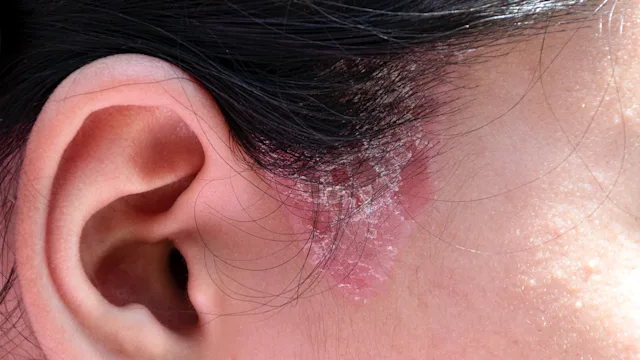
Plaque psoriasis is caused by an overactive immune system. This causes inflammation, which leads to symptoms such as itchy, scaly, or painful patches on your skin. The reasons why psoriasis happens aren’t fully understood.
There are many possible triggers for psoriasis. These include:
Certain medications, such as beta blockers and lithium (Lithobid)
Foods that can worsen inflammation, such as alcohol, sugar, and dairy
Smoking
Stress
Infections, such as the flu or sinus infections
Skin injuries
These aren’t the only possible psoriasis triggers. Your healthcare team can help determine what might be worsening your symptoms.
There’s no single “best” treatment for psoriasis. And it may take some time to find what works for you. Examples of psoriasis treatments your healthcare team may suggest include:
Moisturizers
Topical creams, such as steroid creams like triamcinolone (Triderm) and calcineurin inhibitors like tacrolimus (Protopic)
Methotrexate (Trexall)
Icotyde
Biologic medications, such as Skyrizi and Stelara
Ask your healthcare team which psoriasis treatments would work best for you.
Plaque psoriasis is caused by an overactive immune system. This causes inflammation, which leads to symptoms such as itchy, scaly, or painful patches on your skin. The reasons why psoriasis happens aren’t fully understood.
There are many possible triggers for psoriasis. These include:
Certain medications, such as beta blockers and lithium (Lithobid)
Foods that can worsen inflammation, such as alcohol, sugar, and dairy
Smoking
Stress
Infections, such as the flu or sinus infections
Skin injuries
These aren’t the only possible psoriasis triggers. Your healthcare team can help determine what might be worsening your symptoms.
There’s no single “best” treatment for psoriasis. And it may take some time to find what works for you. Examples of psoriasis treatments your healthcare team may suggest include:
Moisturizers
Topical creams, such as steroid creams like triamcinolone (Triderm) and calcineurin inhibitors like tacrolimus (Protopic)
Methotrexate (Trexall)
Icotyde
Biologic medications, such as Skyrizi and Stelara
Ask your healthcare team which psoriasis treatments would work best for you.
The bottom line
Icotyde (icotrokinra) is a newer treatment option for plaque psoriasis. It’s the first FDA-approved oral medication that blocks the protein interleukin-23 (IL-23). Other IL-23 antagonists are available only as injections.
There are certain instructions you need to follow when taking Icotyde for psoriasis. These include taking it on an empty stomach with water and waiting at least 30 minutes before eating. These steps help your body absorb Icotyde better.
Icotyde is approved for adults and children ages 12 and older who weigh at least 88 lbs (40 kg). Icotyde’s side effects, such as headache and nausea, are typically mild. But you shouldn’t receive live vaccines while taking Icotyde.

Why trust our experts?



References
Janssen Biotech. (2026). Icotyde- icotrokinra tablet, film coated [package insert]. DailyMed.
Johnson & Johnson. (2026). FDA approval of Icotyde (icotrokinra) ushers in new era for first-line systemic treatment of plaque psoriasis with a targeted oral peptide.
National Human Genome Research Institute. (2026). Peptide. National Institutes of Health.