


Can You Take Benadryl and Advil Together? Yes, But Not Long Term
Benadryl and Advil are safe to take together, though there are some risks with long-term use. Learn more about Benadryl and Advil interactions with this guide.
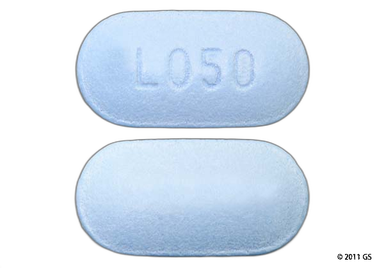
Advil PM is a combination medication that contains ibuprofen (a nonsteroidal anti-inflammatory drug, or NSAID) and diphenhydramine (an antihistamine). This medication is used to help you fall asleep and stay asleep if you're having trouble sleeping from minor aches and pains. Advil PM (ibuprofen / diphenhydramine) comes as tablets and liquid gels (capsules), and it's taken by mouth at bedtime. The combination of medications in Advil PM (ibuprofen, diphenhydramine) can also be found as generics and under other brands, such as Motrin PM. Common side effects of this medication include dizziness, stomach upset, and dry mouth.

Advil PM (ibuprofen / diphenhydramine) is a combination of two medications that work together to treat difficulty sleeping due to minor aches and pains.
| Common Brands | Advil PM |
|---|---|
| Drug Class | NSAID / Antihistamine |
| Controlled Substance Classification | Not a controlled medication |
| Generic Status | Lower-cost generic available |
| Availability | Over-the-counter |

The following side effects may get better over time as your body gets used to the medication. Let your healthcare provider know immediately if you continue to experience these symptoms or if they worsen over time.
Contact your healthcare provider immediately if you experience any of the following.
Side effects that you should report to your care team as soon as possible:
Side effects that usually do not require medical attention (report these to your care team if they continue or are bothersome):




Advil PM (ibuprofen / diphenhydramine) can cause some serious health issues. This risk may be even higher for certain groups. If this worries you, talk to your doctor or pharmacist about other options.
 Ibuprofen in Advil PM can raise your risk for serious stomach problems, including bleeding and ulcers (sores). Stomach bleeding is a dangerous condition that requires treatment right away. Serious stomach problems can happen with or without warning or symptoms while you're taking Advil PM (ibuprofen / diphenhydramine). Your risk for stomach bleeds is even higher if you're taking Advil PM (ibuprofen / diphenhydramine) also taking other medications that can put you at risk, such as blood thinners (anticoagulants).
Tell your care team about all of your medical conditions and medications before you start Advil PM (ibuprofen / diphenhydramine) so they can talk with you about your risk for stomach bleeding. Seek medical help right away if you're feeling faint, vomiting blood, have bloody or dark stools, or have severe stomach pain or discomfort that doesn't go away while you're taking Advil PM (ibuprofen / diphenhydramine).
Ibuprofen in Advil PM can raise your risk of having blood clots, which sometimes lead to a heart attack or stroke. Talk to your healthcare professional (HCP) before you take Advil PM (ibuprofen / diphenhydramine) if you have heart problems. Don't take Advil PM (ibuprofen / diphenhydramine) if you've recently had or will be having heart surgery. Call 911 or get immediate help if you experience chest pain, shortness of breath, weakness on one side of your body, or trouble speaking or walking.
Ibuprofen in Advil PM can cause your body to hold onto extra fluid, which can raise your blood pressure or put you at risk for heart failure. Tell your primary care provider if you have a history of heart problems or if you're taking blood pressure medications before you start taking Advil PM (ibuprofen / diphenhydramine) to make sure it's safe for you. Contact your HCP if you experience unexplained fainting, chest pain with physical activity, or irregular heartbeat while you're taking Advil PM (ibuprofen / diphenhydramine).
Ibuprofen in Advil PM can damage your kidneys by slowing down blood flow to the kidneys. Your risk is higher if you're of older age, have certain medical problems like diabetes, or take other medications that can cause kidney problems. Your HCP might order lab tests to check your kidney health before and during long-term treatment with Advil PM (ibuprofen / diphenhydramine). Contact your HCP if you develop any signs or symptoms of kidney failure, including changes in your need to urinate, tiredness, dry and itchy skin, low appetite, and muscle cramps. Your HCP might suggest that you stop taking Advil PM (ibuprofen / diphenhydramine) and switch to a safer medication.
Though rare, ibuprofen in Advil PM can cause serious liver problems that can lead to liver failure. Get medical attention right away if you notice swelling of your stomach; stomach pain; yellowing of your skin or the whites of your eyes; stool changes (black, tarry, or bloody stools); dark or brown urine; nausea, vomiting; or confusion. These can be signs of liver damage. Your HCP can examine you for liver problems, and you might need to stop using the medication to prevent further liver damage.
Severe allergic reactions to Advil PM (ibuprofen / diphenhydramine) are possible. These can include life-threatening reactions like facial swelling, shock, and anaphylaxis. Tell your primary care provider if you have an allergy to aspirin or other NSAIDs before you start taking Advil PM (ibuprofen / diphenhydramine). Seek medical attention right away if you notice hives, rash, swelling of the lips or tongue, or trouble breathing after you use Advil PM (ibuprofen / diphenhydramine).
Although rare, ibuprofen can also cause serious skin reactions. Stop using Advil PM (ibuprofen / diphenhydramine) and get medical help right away if you notice changes in your skin such as rash, blisters, skin reddening, or skin peeling.
Ibuprofen in Advil PM can cause harm to your unborn baby, especially if it's taken in the second half of pregnancy (after week 20). It can cause serious complications, such as heart or kidney problems in your unborn baby or problems during delivery. Speak to your HCP about the risks and benefits of taking Advil PM (ibuprofen / diphenhydramine) if you're pregnant before taking this medication. Ask whether there are safer alternatives.
Diphenhydramine in Advil PM can make you sleepy, which can affect your ability to focus, think, or react. This side effect is more likely to happen or be more intense if you're over 65 years old, drink alcohol while you're taking Advil PM (ibuprofen / diphenhydramine), or take other medications that cause sleepiness (e.g., opioids, benzodiazepines). It's best to avoid alcohol and other medications that might make you sleepy while you're taking Advil PM (ibuprofen / diphenhydramine). Don't drive or operate machinery until you know how this medication affects you.
Don't take Advil PM (ibuprofen / diphenhydramine) if you have any of the risk factors listed above unless your prescriber said it was safe to do so. Taking Advil PM (ibuprofen / diphenhydramine) can worsen your condition(s) and cause serious side effects. Make sure your HCP knows about all medical conditions you have or have had in the past before starting Advil PM (ibuprofen / diphenhydramine).
Advil PM (ibuprofen / diphenhydramine) contains an NSAID (ibuprofen) and an antihistamine (diphenhydramine), which are in many other over-the-counter products. Taking more than one medication containing an NSAID or antihistamine, including products used on the skin, can lead to an accidental overdose and cause serious side effects, including kidney failure, seizures, hallucinations (seeing things that aren't real), daytime sleepiness, stomach bleed, heart attack, stroke, or even death. Tell your prescriber or pharmacist about the medications you take before starting Advil PM (ibuprofen / diphenhydramine) to make sure it's safe for you. Don't start any new medications while taking Advil PM (ibuprofen / diphenhydramine) without talking to your HCP or pharmacist. To prevent an accidental overdose, read package labels carefully. If you're not sure if a product has an NSAID or antihistamine, ask your pharmacist. If you or your loved one experiences an accidental overdose, get medical help right away or contact a poison control center at 1-800-222-1222.

 Tablet
| Dosage | Quantity | Price as low as | Price per unit |
|---|---|---|---|
| 200mg/38mg | 30 tablets | $12.78 | $0.43 |
Advil PM (ibuprofen / diphenhydramine) is available as both capsules and tablets. Each capsule contains diphenhydramine hydrochloride and each tablet contains diphenhydramine citrate.
Advil PM soft gel capsules: Each capsule contains 25 mg of diphenhydramine hydrochloride and 200 mg of ibuprofen.
Advil PM tablets (or caplets): Each tablet or caplet contains 38 mg of diphenhydramine citrate and 200 mg of ibuprofen.


Contraindications are specific health conditions or situations in which a person should not take a medication due to safety concerns. If you have any of the following conditions or if any of the following apply to you, let your healthcare provider know because Advil PM (ibuprofen / diphenhydramine) will not be safe for you to take.







Prescription savings
Stop paying too much for your prescriptions. Compare prices, get pharmacy coupons, and save up to 80%. Find expert answers to your health questions so you can make the best decisions for yourself and your family.
Health conditions
Medications & treatment
Access & affordability
Medication discounts

Both ibuprofen and diphenhydramine start to work within 30 minutes after a dose. You might want to take Advil PM within 30 minutes of bedtime to if your pain is making it difficult for you to sleep.
The pain-relieving effects of ibuprofen and sedating effects of diphenhydramine both last for about 6 hours.
Adults and children ages 12 years and older can take up to 2 tablets or capsules of Advil PM at bedtime. If you're having too many side effects (e.g., sleepiness or dizziness during the day) with 2 pills, then you can take 1 pill at bedtime instead. But don't take more than 2 pills in 24 hours unless directed by your healthcare team. Taking too many Advil PM can raise the risk for serious and potentially life-threatening side effects, such as heart risks, kidney problems, and seizures.
Yes, the diphenhydramine in Advil PM can make you feel sleepy. It's meant to help you sleep so you're not as bothered by the pain in the middle of the night. Keep in mind that while Advil PM usually makes adults sleepy, it's possible for children who take diphenhydramine to become overly excited or energetic. Speak to your child's pediatrician if this happens to your child; ask about safer options for your child.
Yes, it's possible to experience a "hangover" effect and feel sleepy the next day. If this happens to you, you can try taking 1 pill instead of 2 pills at night. Contact your primary care provider to discuss better treatment options for you if Advil PM is making you too sleepy the next day.
You're recommended to avoid drinking alcohol while taking Advil PM because doing so can worsen side effects, such as sleepiness and dizziness. In addition, drinking alcohol while taking ibuprofen can raise the risk for stomach bleeds. If avoiding alcohol isn't possible for you, talk to your primary care provider about safer treatment options.
Talk with your healthcare team if you're concerned about whether Advil PM is addictive. This medication isn't likely to cause addiction. But this doesn't mean that taking Advil PM doesn't come with other risks. It's important to only take the dose recommended by the manufacturer or your healthcare team. Talk with your care team right away if you think Advil PM isn't working as well to help with your sleep and pain; they can talk with you about other treatment options.
Talk with your obstetrician-gynecologist (OB-GYN) if you're pregnant because Advil PM might not be safe for you. While diphenhydramine is considered safe to take during pregnancy, ibuprofen likely isn't. NSAIDs, like ibuprofen, should be avoided after 20 weeks of pregnancy because they might cause developmental problems in your unborn baby or complications during delivery. Talk to your OB-GYN provider about safer alternatives to treat difficulty sleeping caused by pain, such as acetaminophen (Tylenol) and diphenhydramine (Benadryl).
