hydroxyzine hydrochloride
Hydroxyzine hydrochloride (Atarax) is a prescription antihistamine for adults and children. It's used to treat anxiety and to ease itching from allergies. It's also used as a sleep aid (sedative) before and after general anesthesia. Hydroxyzine HCl (Atarax) comes as tablet and oral solution that are taken by mouth up to 4 times per day. Common side effects include sleepiness and dry mouth.


What is Hydroxyzine HCl (Atarax)?
What is Hydroxyzine HCl (Atarax) used for?
- Anxiety
- Itching from allergic skin conditions (e.g., hives, eczema, etc.)
- Sleep aid (sedative) while receiving general anesthesia for surgery
How Hydroxyzine HCl (Atarax) works
Hydroxyzine HCl (Atarax) is a first-generation antihistamine. It treats itching by blocking a natural chemical in your body called histamine. Additionally, it treats anxiety by affecting another chemical in the brain called serotonin.
Drug facts



Side effects of Hydroxyzine HCl (Atarax)
The following side effects may get better over time as your body gets used to the medication. Let your healthcare provider know immediately if you continue to experience these symptoms or if they worsen over time.
Common Side Effects
- Sleepiness
- Dry mouth
- Headache
Less Common Side Effects
- Dizziness
- Constipation
- Trouble urinating
- Blurred vision
Hydroxyzine HCl (Atarax) serious side effects
Contact your healthcare provider immediately if you experience any of the following.
- Excessive sleepiness or dizziness
- Abnormal heart rhythm (QT prolongation): chest pounding, irregular heart beat, chest pain, short of breath, feeling faint or lightheaded
- Serious allergic reactions: hives; trouble breathing; swelling of your face, lips, tongue, or throat
- Serious skin reaction: fever, rash or small blisters on skin
More on Hydroxyzine HCl (Atarax) side effects


The following Hydroxyzine HCl (Atarax) side effects have also been reported
Along with its needed effects, a medicine may cause some unwanted effects. Although not all of these side effects may occur, if they do occur they may need medical attention.
Check with your doctor immediately if any of the following side effects occur:
Less common or rare
Less common or rare with azatadine, cetirizine, clemastine, cyproheptadine, desloratadine, dexchlorpheniramine, diphenhydramine, or loratadine
Abdominal or stomach pain
burning
chills
clay-colored stools or dark urine
difficulty swallowing
dizziness
fast or irregular heartbeat
headache
prickly sensations
puffiness or swelling of the eyelids or around the eyes, face, lips or tongue
redness of skin
seizures
shortness of breath
skin rash
swelling
tightness in chest
tingling
unusual tiredness or weakness
Check with your doctor as soon as possible if any of the following side effects occur:
Symptoms of overdose
Clumsiness or unsteadiness
convulsions (seizures)
drowsiness (severe)
dryness of mouth, nose, or throat (severe)
feeling faint
flushing or redness of face
hallucinations (seeing, hearing, or feeling things that are not there)
shortness of breath or troubled breathing
trouble in sleeping
Some side effects may occur that usually do not need medical attention. These side effects may go away during treatment as your body adjusts to the medicine. Also, your health care professional may be able to tell you about ways to prevent or reduce some of these side effects. Check with your health care professional if any of the following side effects continue or are bothersome or if you have any questions about them:
More common
Drowsiness
dry mouth, nose, or throat
gastrointestinal upset, stomach pain, or nausea
headache
increased appetite and weight gain
thickening of mucus
Less common or rare
Acid or sour stomach
belching
blurred vision or any change in vision
body aches or pain
clumsiness or unsteadiness
confusion (not with diphenhydramine)
congestion
difficult or painful urination
difficulty in moving
difficult or painful menstruation
dizziness (not with brompheniramine or hydroxyzine)
drowsiness (with high doses of desloratadine and loratadine)
dryness of mouth, nose, or throat
early menstruation
fast heartbeat
hoarseness
increased sensitivity of skin to sun
increased sweating
indigestion
loss of appetite
joint pain
muscle aching or cramping
muscle pains or stiffness
nightmares (not with azatadine, chlorpheniramine, cyproheptadine, desloratadine, hydroxyzine, or loratadine)
ringing or buzzing in ears
skin rash
swollen joints
stomach discomfort, upset or pain
tender swollen glands in neck
unusual excitement, nervousness, restlessness, or irritability
vomiting
Other side effects not listed may also occur in some patients. If you notice any other effects, check with your healthcare professional.
Call your doctor for medical advice about side effects. You may report side effects to the FDA at 1-800-FDA-1088.

Get your GoodRx coupon

Pros and cons of Hydroxyzine HCl (Atarax)
Pros
- Starts to work within 30 minutes
- Available as a tablet and a liquid that are taken by mouth
- Can use in children
Cons
- Available by prescription only
- Might need to take up to 4 times per day
- Can rarely cause sexual side effects

Pharmacist tips for Hydroxyzine HCl (Atarax)

- Tell your care team about all of the medications you take before and during treatment with hydroxyzine HCl (Atarax). They can review your complete medication list to help you check for interactions. Hydroxyzine HCl (Atarax) can interact with many other medications, such as those that cause sleepiness or heart rhythm problems.
- Antihistamines are commonly found in many over-the-counter products. Don't take other antihistamines while taking hydroxyzine HCl (Atarax). Doing so can raise your risk of taking too much medication (overdose). This can lead to severe side effects, including seizures and hallucinations (seeing things that aren't real).
- Hydroxyzine HCl (Atarax) can cause dry mouth as a side effect. If this bothers you, sipping cool liquids, chewing gum, or rinsing your mouth with cold water can help. Also, ask your healthcare team about different forms of saliva substitutes, such as mouthwashes or sprays, that might help.
- If you're pregnant or thinking of becoming pregnant, talk with your obstetrician-gynecologist(OB-GYN). Animal studies suggest that hydroxyzine HCl (Atarax) can cause harm during early pregnancy. Your OB-GYN can talk with you about safer options for your condition.
- Talk to your prescriber about the risks and benefits of taking hydroxyzine HCl (Atarax) while breastfeeding. There's limited information about how hydroxyzine HCl (Atarax) might affect breast milk or nursing infants.



Common questions about Hydroxyzine Hydrochloride
Hydroxyzine Hydrochloride starts to work within 30 minutes after a dose. But you might not feel the full effects of this medication until 2 hours later. The effects of Hydroxyzine Hydrochloride might last up to 6 hours after a dose. Talk with your healthcare team if you have more questions about what to expect after taking this medication.
It's best to avoid taking Hydroxyzine Hydrochloride with melatonin unless directed by your healthcare team. Melatonin is a supplement that can help you sleep. And drowsiness is one of the more common side effects of Hydroxyzine Hydrochloride. In general, you're recommended to avoid taking Hydroxyzine Hydrochloride with other medications that can worsen sleepiness because doing so can make you feel less alert the next day. Talk with your HCP if you have other concerns about taking Hydroxyzine Hydrochloride with melatonin.
Yes, sleepiness is a common side effect of Hydroxyzine Hydrochloride. This side effect might be more severe for older adults or people who are taking other medications that can also cause drowsiness. Don't drive or do anything that requires concentration until you know how this medication affects you. Contact your prescriber if Hydroxyzine Hydrochloride is making you too sleepy.
While some antihistamines can raise the risk of weight gain, this isn't a common side effect with Hydroxyzine Hydrochloride. But more research is needed to understand how Hydroxyzine Hydrochloride might affect body weight. Talk with your healthcare team if you have more concerns about Hydroxyzine Hydrochloride and weight gain.
The main difference between hydroxyzine pamoate (Vistaril) and hydroxyzine hydrochloride (Atarax) is what form they come in. Hydroxyzine Hydrochloride is available as a tablet and oral solution. But hydroxyzine pamoate (Vistaril) is only available as a capsule. If you're having trouble swallowing hydroxyzine pills, your prescriber might consider Hydroxyzine Hydrochloride oral solution for you instead.
No. Hydroxyzine Hydrochloride and alprazolam (Xanax) aren't the same. While they're both FDA-approved to treat anxiety, they work in different ways. Hydroxyzine Hydrochloride is an antihistamine that helps with anxiety by affecting serotonin levels in the brain. Alprazolam (Xanax) is a benzodiazepine that affects a different chemical in the brain called gamma-aminobutyric acid (GABA). In addition, alprazolam (Xanax) is a controlled substance, whereas Hydroxyzine Hydrochloride isn't. Talk to your healthcare provider (HCP) if you have specific questions about either medication.
Both Hydroxyzine Hydrochloride and diphenhydramine (Benadryl) are first-generation antihistamines, but they're not the same. Both medications can treat itching and help with sleep. But only Hydroxyzine Hydrochloride is approved to treat anxiety by acting on serotonin in the brain. Another difference is diphenhydramine (Benadryl) is available over the counter, whereas Hydroxyzine Hydrochloride is by prescription-only. Talk to your HCP if you have more questions on the differences between both medications.

How to save using GoodRx



Risks and warnings for Hydroxyzine HCl (Atarax)
Hydroxyzine HCl (Atarax) can cause some serious health issues. This risk may be even higher for certain groups. If this worries you, talk to your doctor or pharmacist about other options.
Sleepiness
- Risk factors: Alcohol use | Taking other medications that cause sleepiness | Age 65 or older
Hydroxyzine HCl (Atarax) can make you very sleepy, which can affect your ability to focus, think, or react. This side effect is more likely to happen or be more intense if you're 65 years or older, drink alcohol while taking this medication, or take other medications that cause sleepiness (e.g., opioids, benzodiazepines, sleep medications, alcohol). Don't drive or operate machinery until you know how hydroxyzine HCl (Atarax) affects you.
Heart rhythm problems (QT prolongation)
- Risk factors: Low blood potassium or magnesium levels | Older age | Kidney problems | Heart or heart rhythm problems | Taking other medications that can cause heart rhythm problems
Though rare, people who took hydroxyzine HCl (Atarax) have reported heart rhythm problems, like QT prolongation. In most cases, they were already at higher risk for this problem because of existing heart conditions or conditions that affected their electrolyte levels. Your healthcare team might check in with you more often if you're taking other medications that can affect your heart rhythm, such as certain antipsychotics or certain antibiotics. Most of the time, people who have QT prolongation don't experience any symptoms. But get medical help right away if you feel your chest pounding, have shortness of breath or chest pain, or feel faint or lightheaded.
Higher risk of side effects in people over 65
People aged 65 years and older experience more side effects when taking antihistamine medications like hydroxyzine HCl (Atarax). Because of this, your healthcare team will have you start with a lower dose of hydroxyzine HCl (Atarax) and raise your dose slowly over time. Watch out for changes in vision, severe dry mouth, trouble urinating, or constipation. Also, feelings of drowsiness can leave you unsteady on your feet, which can lead to accidental falls and injuries. Talk with your primary care provider about your risk for side effects before taking hydroxyzine HCl (Atarax).
Severe allergic and skin reactions
- Risk factors: Allergy to cetirizine (Zyrtec) or levocetirizine (Xyzal)
Some people have experienced a severe allergic reaction to hydroxyzine HCl (Atarax). These reactions can be life-threatening and include facial swelling, hives, and anaphylaxis (e.g., closing of the throat). If you notice dizziness; fast heartbeat; a choking sensation; difficulty breathing; swelling around your eyes, lips, or tongue; or any signs of a severe skin reaction after taking hydroxyzine HCl (Atarax), get medical attention right away.
In addition, although rare, hydroxyzine HCl (Atarax) can cause a serious skin reaction that looks like a rash and small blisters usually on the face or on skin folds. It can sometimes occur with a fever. If you notice a rash or worsening of other skin reactions that you're using hydroxyzine HCl (Atarax) to treat, stop this medication and contact your prescriber right away. They might ask you to consider other options to treat your condition.

Hydroxyzine HCl (Atarax) dosage


Typical dosage for Hydroxyzine HCl (Atarax)
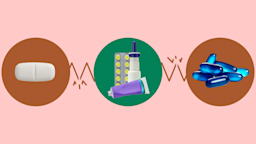
Hydroxyzine HCl (Atarax) comes as a tablet and an oral solution.
-
Anxiety
- Age 18 years and older: The typical dose is 50 mg to 100 mg by mouth four times daily.
- Age 6 years and older: The typical dose is 50 mg to 100 mg by mouth per day, split up into smaller doses and taken throughout the day.
- Age under 6 years: The typical dose is 50 mg by mouth per day, split up into smaller doses and taken throughout the day.
-
Itching
- Age 18 years and older: The typical dose is 25 mg by mouth three to four times per day.
- Age 6 years and older: The typical dose is 50 mg to 100 mg by mouth per day, split up into smaller doses and taken throughout the day.
- Age under 6 years: The typical dose is 50 mg by mouth per day, split up into smaller doses and taken throughout the day.
-
Sedative
- Age 18 years and older: The typical dose is 50 mg to 100 mg, as directed by the healthcare team.
- Age under 18 years: Your healthcare team will determine the dose based on body weight. The typical dose is 0.6 mg/kg by mouth, as directed by the care team.
More on Hydroxyzine HCl (Atarax) dosage


Interactions between Hydroxyzine HCl (Atarax) and other drugs
More on Hydroxyzine HCl (Atarax) interactions
Although certain medicines should not be used together at all, in other cases two different medicines may be used together even if an interaction might occur. In these cases, your doctor may want to change the dose, or other precautions may be necessary. When you are taking any of these medicines, it is especially important that your healthcare professional know if you are taking any of the medicines listed below. The following interactions have been selected on the basis of their potential significance and are not necessarily all-inclusive.
Using medicines in this class with any of the following medicines is not recommended. Your doctor may decide not to treat you with a medication in this class or change some of the other medicines you take.
- Alfuzosin
- Amiodarone
- Amisulpride
- Amitriptyline
- Amprenavir
- Anagrelide
- Apomorphine
- Aripiprazole
- Aripiprazole Lauroxil
- Arsenic Trioxide
- Artemether
- Asenapine
- Astemizole
- Atazanavir
- Azithromycin
- Bedaquiline
- Bepridil
- Brofaromine
- Bromopride
- Buprenorphine
- Buserelin
- Calcium Oxybate
- Ceritinib
- Chloroquine
- Chlorpromazine
- Ciprofloxacin
- Cisapride
- Citalopram
- Clarithromycin
- Clofazimine
- Clomipramine
- Clorgyline
- Clozapine
- Crizotinib
- Cyclobenzaprine
- Dabrafenib
- Darunavir
- Dasatinib
- Degarelix
- Delamanid
- Delavirdine
- Desipramine
- Deslorelin
- Deutetrabenazine
- Disopyramide
- Dofetilide
- Dolasetron
- Domperidone
- Donepezil
- Doxepin
- Dronedarone
- Droperidol
- Ebastine
- Efavirenz
- Encorafenib
- Entrectinib
- Eribulin
- Erythromycin
- Escitalopram
- Famotidine
- Felbamate
- Fingolimod
- Flecainide
- Fluconazole
- Fluoxetine
- Fluvoxamine
- Formoterol
- Foscarnet
- Fosphenytoin
- Furazolidone
- Galantamine
- Gatifloxacin
- Gemifloxacin
- Glasdegib
- Gonadorelin
- Goserelin
- Granisetron
- Grepafloxacin
- Halofantrine
- Haloperidol
- Histrelin
- Hydroquinidine
- Hydroxychloroquine
- Hydroxyzine
- Ibutilide
- Iloperidone
- Imipramine
- Indinavir
- Inotuzumab Ozogamicin
- Iproniazid
- Isocarboxazid
- Itraconazole
- Ivabradine
- Ivosidenib
- Ketoconazole
- Lapatinib
- Lazabemide
- Lenvatinib
- Leuprolide
- Levofloxacin
- Levomethadyl
- Linezolid
- Lofexidine
- Lopinavir
- Lumefantrine
- Macimorelin
- Magnesium Oxybate
- Mefloquine
- Mesoridazine
- Methadone
- Methotrimeprazine
- Methylene Blue
- Metronidazole
- Mibefradil
- Mifepristone
- Mirtazapine
- Mizolastine
- Moclobemide
- Moricizine
- Moxifloxacin
- Nafarelin
- Nefazodone
- Nelfinavir
- Nialamide
- Nilotinib
- Norfloxacin
- Octreotide
- Ofloxacin
- Olanzapine
- Ondansetron
- Osilodrostat
- Osimertinib
- Oxaliplatin
- Paliperidone
- Panobinostat
- Papaverine
- Pargyline
- Paroxetine
- Pasireotide
- Pazopanib
- Pentamidine
- Perphenazine
- Phenelzine
- Pimavanserin
- Pimozide
- Pipamperone
- Piperaquine
- Pitolisant
- Ponesimod
- Posaconazole
- Potassium Oxybate
- Probucol
- Procainamide
- Procarbazine
- Prochlorperazine
- Promethazine
- Propafenone
- Protriptyline
- Quetiapine
- Quinidine
- Quinine
- Ranolazine
- Rasagiline
- Ribociclib
- Risperidone
- Ritonavir
- Safinamide
- Saquinavir
- Selegiline
- Selpercatinib
- Sertindole
- Sertraline
- Sevoflurane
- Sodium Oxybate
- Sodium Phosphate
- Sodium Phosphate, Dibasic
- Sodium Phosphate, Monobasic
- Solifenacin
- Sorafenib
- Sotalol
- Sparfloxacin
- Sulpiride
- Sultopride
- Sunitinib
- Tacrolimus
- Tamoxifen
- Telaprevir
- Telavancin
- Telithromycin
- Terfenadine
- Tetrabenazine
- Thioridazine
- Tipranavir
- Toloxatone
- Tolterodine
- Toremifene
- Tranylcypromine
- Trazodone
- Triclabendazole
- Trimipramine
- Triptorelin
- Troleandomycin
- Vandetanib
- Vardenafil
- Vemurafenib
- Venlafaxine
- Vilanterol
- Vinflunine
- Voclosporin
- Voriconazole
- Vorinostat
- Ziprasidone
- Zolmitriptan
- Zotepine
- Zuclopenthixol
Using medicines in this class with any of the following medicines is usually not recommended, but may be required in some cases. If both medicines are prescribed together, your doctor may change the dose or how often you use one or both of the medicines.
- Acecainide
- Acepromazine
- Adenosine
- Ajmaline
- Alefacept
- Alfentanil
- Alfuzosin
- Almotriptan
- Alprazolam
- Amifampridine
- Amiodarone
- Amisulpride
- Amitriptyline
- Amobarbital
- Amoxapine
- Amphetamine
- Anagrelide
- Anileridine
- Apomorphine
- Aprindine
- Aripiprazole
- Aripiprazole Lauroxil
- Arsenic Trioxide
- Artemether
- Asenapine
- Astemizole
- Atazanavir
- Azimilide
- Azithromycin
- Baclofen
- Bedaquiline
- Benperidol
- Benzhydrocodone
- Benzphetamine
- Bretylium
- Bromazepam
- Bromopride
- Buprenorphine
- Bupropion
- Buserelin
- Buspirone
- Butabarbital
- Butorphanol
- Calcium Oxybate
- Cannabidiol
- Capmatinib
- Carbamazepine
- Carbinoxamine
- Carisoprodol
- Carphenazine
- Ceritinib
- Cetirizine
- Chloral Hydrate
- Chlordiazepoxide
- Chloroquine
- Chlorpromazine
- Chlorzoxazone
- Ciprofloxacin
- Citalopram
- Clarithromycin
- Clobazam
- Clofazimine
- Clomipramine
- Clonazepam
- Clorazepate
- Clozapine
- Codeine
- Crizotinib
- Cyclobenzaprine
- Dabrafenib
- Dalfopristin
- Dantrolene
- Dasatinib
- Degarelix
- Delamanid
- Desipramine
- Deslorelin
- Desvenlafaxine
- Deutetrabenazine
- Dexmedetomidine
- Dextroamphetamine
- Diacetylmorphine
- Diazepam
- Dibenzepin
- Dichloralphenazone
- Difenoxin
- Digoxin
- Dihydrocodeine
- Diphenhydramine
- Diphenoxylate
- Disopyramide
- Dofetilide
- Dolasetron
- Domperidone
- Donepezil
- Doxepin
- Doxylamine
- Droperidol
- Duloxetine
- Ebastine
- Efavirenz
- Encainide
- Encorafenib
- Enflurane
- Entrectinib
- Epinephrine
- Eribulin
- Erythromycin
- Escitalopram
- Esketamine
- Estazolam
- Eszopiclone
- Ethchlorvynol
- Ethopropazine
- Ethylmorphine
- Famotidine
- Felbamate
- Fenfluramine
- Fentanyl
- Fingolimod
- Flecainide
- Flibanserin
- Fluconazole
- Flunitrazepam
- Fluoxetine
- Fluphenazine
- Flurazepam
- Fluspirilene
- Formoterol
- Foscarnet
- Fosphenytoin
- Fospropofol
- Fostemsavir
- Gabapentin
- Gabapentin Enacarbil
- Galantamine
- Gatifloxacin
- Gemifloxacin
- Glasdegib
- Glucagon
- Glycopyrrolate
- Glycopyrronium Tosylate
- Gonadorelin
- Goserelin
- Granisetron
- Halazepam
- Halofantrine
- Haloperidol
- Halothane
- Hexobarbital
- Histrelin
- Hydrocodone
- Hydromorphone
- Hydroquinidine
- Hydroxychloroquine
- Hydroxytryptophan
- Hydroxyzine
- Ibutilide
- Iloperidone
- Imipramine
- Inotuzumab Ozogamicin
- Isoflurane
- Isradipine
- Itraconazole
- Ivabradine
- Ivosidenib
- Josamycin
- Ketamine
- Ketazolam
- Ketobemidone
- Ketoconazole
- Lapatinib
- Lasmiditan
- Lefamulin
- Lemborexant
- Lenvatinib
- Leuprolide
- Levocetirizine
- Levofloxacin
- Levomilnacipran
- Levorphanol
- Lidoflazine
- Linezolid
- Lisdexamfetamine
- Lithium
- Lofexidine
- Lopinavir
- Lorazepam
- Lorcainide
- Lorcaserin
- Loxapine
- Lumefantrine
- Macimorelin
- Magnesium Oxybate
- Meclizine
- Mefloquine
- Melperone
- Meperidine
- Mephobarbital
- Meprobamate
- Meptazinol
- Mesoridazine
- Metaxalone
- Methacholine
- Methadone
- Methamphetamine
- Methdilazine
- Methocarbamol
- Methohexital
- Methotrimeprazine
- Methylene Blue
- Metoclopramide
- Metrizamide
- Metronidazole
- Midazolam
- Mifepristone
- Mirtazapine
- Mizolastine
- Molindone
- Moricizine
- Morphine
- Morphine Sulfate Liposome
- Moxifloxacin
- Nafarelin
- Nalbuphine
- Nelfinavir
- Nicomorphine
- Nilotinib
- Nitrazepam
- Nitrous Oxide
- Norfloxacin
- Nortriptyline
- Octreotide
- Ofloxacin
- Olanzapine
- Ondansetron
- Opium
- Opium Alkaloids
- Orphenadrine
- Osilodrostat
- Osimertinib
- Oxaliplatin
- Oxazepam
- Oxycodone
- Oxymorphone
- Ozanimod
- Paliperidone
- Palonosetron
- Panobinostat
- Papaveretum
- Papaverine
- Paregoric
- Paroxetine
- Pasireotide
- Pazopanib
- Pentamidine
- Pentazocine
- Pentobarbital
- Perampanel
- Perazine
- Periciazine
- Perphenazine
- Phenobarbital
- Phenytoin
- Pimavanserin
- Pimozide
- Pipamperone
- Piperacetazine
- Pipotiazine
- Piritramide
- Pirmenol
- Pitolisant
- Ponesimod
- Porfimer
- Posaconazole
- Potassium Oxybate
- Prajmaline
- Prazepam
- Pregabalin
- Primidone
- Probucol
- Procainamide
- Procarbazine
- Prochlorperazine
- Promazine
- Promethazine
- Propafenone
- Propofol
- Propoxyphene
- Protriptyline
- Quazepam
- Quetiapine
- Quinidine
- Quinine
- Quinupristin
- Ramelteon
- Ranolazine
- Regadenoson
- Remifentanil
- Remimazolam
- Remoxipride
- Revefenacin
- Ribociclib
- Risperidone
- Ritonavir
- Roxithromycin
- Scopolamine
- Secobarbital
- Secretin Human
- Selpercatinib
- Sematilide
- Sertindole
- Sertraline
- Sevoflurane
- Simeprevir
- Siponimod
- Sodium Oxybate
- Sodium Phosphate
- Sodium Phosphate, Dibasic
- Sodium Phosphate, Monobasic
- Solifenacin
- Sorafenib
- Sotalol
- Spiramycin
- Sufentanil
- Sulfamethoxazole
- Sulpiride
- Sultopride
- Sunitinib
- Suvorexant
- Tacrolimus
- Tamoxifen
- Tapentadol
- Tedisamil
- Telaprevir
- Telavancin
- Telithromycin
- Temazepam
- Tetrabenazine
- Thiethylperazine
- Thiopental
- Thiopropazate
- Thioridazine
- Tilidine
- Tiotropium
- Tizanidine
- Tolonium Chloride
- Tolterodine
- Topiramate
- Toremifene
- Tramadol
- Trazodone
- Triazolam
- Triclabendazole
- Trifluoperazine
- Trifluperidol
- Triflupromazine
- Trimeprazine
- Trimethoprim
- Trimipramine
- Triptorelin
- Vandetanib
- Vardenafil
- Vemurafenib
- Venetoclax
- Venlafaxine
- Vilanterol
- Vilazodone
- Vinflunine
- Voclosporin
- Voriconazole
- Vorinostat
- Vortioxetine
- Zaleplon
- Zileuton
- Ziprasidone
- Zolpidem
- Zopiclone
- Zotepine
- Zuclopenthixol

How much does Hydroxyzine HCl (Atarax) cost?
$8.34

Hydroxyzine HCl (Atarax) contraindications
Contraindications are specific health conditions or situations in which a person should not take a medication due to safety concerns. If you have any of the following conditions or if any of the following apply to you, let your healthcare provider know because Hydroxyzine HCl (Atarax) will not be safe for you to take.
- Allergy to cetirizine (Zyrtec) or levocetirizine (Xyzal)
- Heart rhythm condition called prolonged QT interval or long QT syndrome
- Early pregnancy

What are alternatives to Hydroxyzine HCl (Atarax)?

News about Hydroxyzine HCl (Atarax)





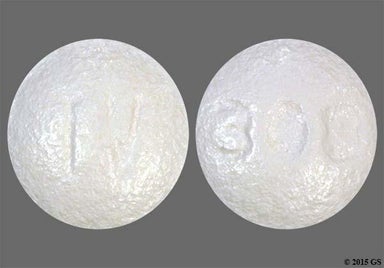
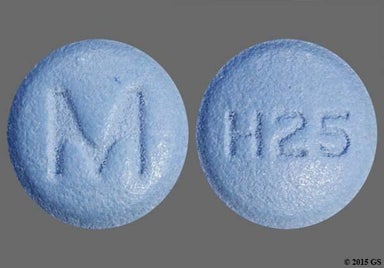
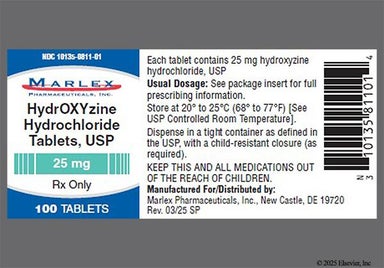
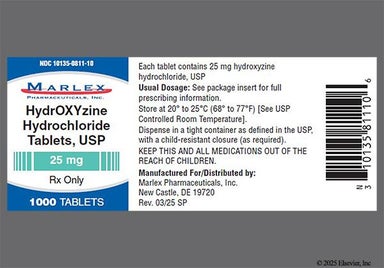
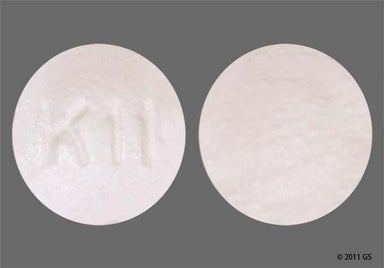
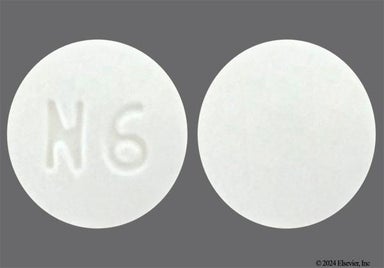
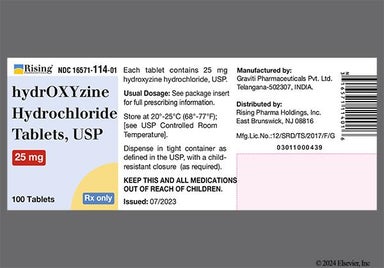
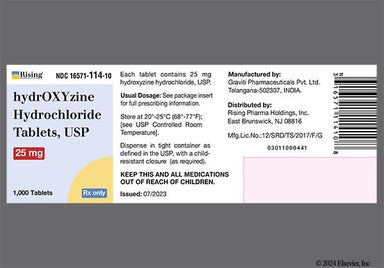
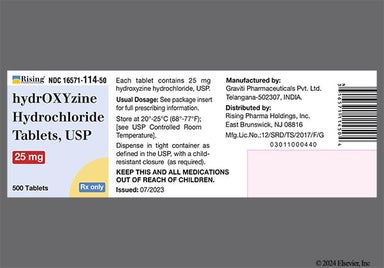
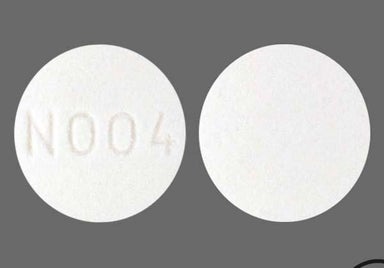
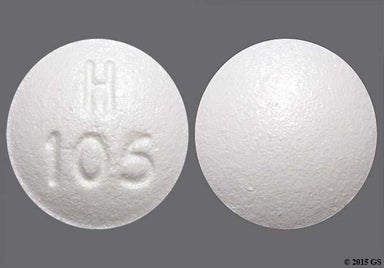
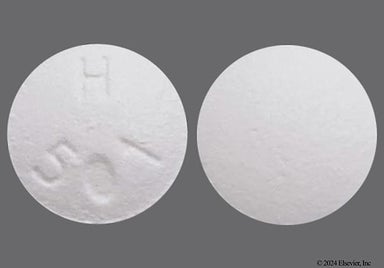
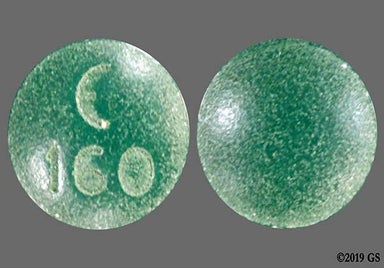
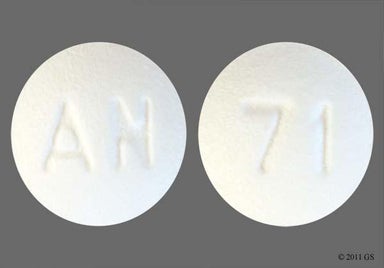
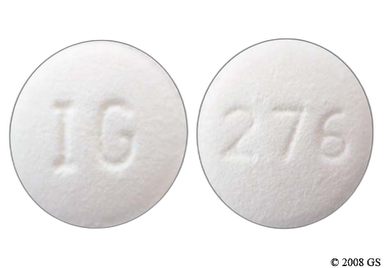
Hydroxyzine HCl (Atarax) images