







6 Foods That Naturally Contain Melatonin for a Better Night’s Sleep
You can increase your melatonin naturally by eating foods like eggs and mushrooms. Learn why melatonin matters for sleep and how you can boost it naturally.

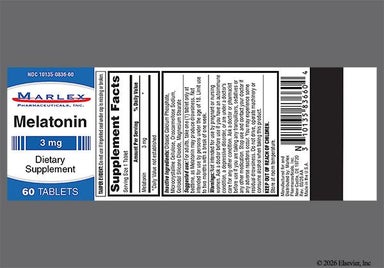
Melatonin is a supplement that's taken to help with sleep problems due to conditions like insomnia or jet lag. It's available over-the-counter and comes in many different formulations, including oral pills and sprays, skin patches, and topical creams. Various melatonin products have different instructions and age recommendations, so speak with your provider or pharmacist to check if it's safe for children. Melatonin is pretty well tolerated, but possible side effects include daytime sleepiness, headaches, and nausea.

Melatonin is a supplement. It's a synthetic (man-made) version of a naturally occurring hormone made by your brain. Your body makes more melatonin when it's dark, and this tells your body it's time to sleep. If you don't have enough melatonin, you might have trouble sleeping. Taking melatonin might help some people fall asleep faster and stay on a regular sleep schedule.
| Common Brands | Various brand names |
|---|---|
| Drug Class | Dietary supplement |
| Controlled Substance Classification | Not a controlled medication |
| Generic Status | Lower-cost generic available |
| Availability | Over-the-counter |

The following side effects may get better over time as your body gets used to the medication. Let your healthcare provider know immediately if you continue to experience these symptoms or if they worsen over time.
Side effects that you should report to your care team as soon as possible:
Side effects that usually do not require medical attention (report to your care team if they continue or are bothersome):




Melatonin can cause some serious health issues. This risk may be even higher for certain groups. If this worries you, talk to your doctor or pharmacist about other options.
Melatonin can make certain medical conditions worse. These medical conditions can include bleeding conditions, low blood pressure, seizure conditions, and depression. Talk to your provider if you have any medical conditions before starting melatonin.
Intentional or accidental overdose with melatonin is a possibility. This can be serious and result in hospitalization. Be sure your child doesn't have access to this medication without adult supervision.
Melatonin can interact with many medications, including oral contraceptives, blood pressure and diabetes medications, and transplant medications. Be sure you have a full list of all the medications you take to show your provider or pharmacist. This way, they can check for any potential interactions between your medications and melatonin.

Your dose will vary based on your age and how you respond to the product.
Adults: The typical dose is up to 8 mg by mouth a day for up to 6 months.
Children: The typical dose is up to 3 mg by mouth a day for up to 3 months.


Contraindications are specific health conditions or situations in which a person should not take a medication due to safety concerns. If you have any of the following conditions or if any of the following apply to you, let your healthcare provider know because Melatonin will not be safe for you to take.












Prescription savings
Stop paying too much for your prescriptions. Compare prices, get pharmacy coupons, and save up to 80%. Find expert answers to your health questions so you can make the best decisions for yourself and your family.
Health conditions
Medications & treatment
Access & affordability
Medication discounts


If you're an adult, start with a low dose (e.g., 1 to 2 mg by mouth) 1 to 2 hours before bedtime. If you're still struggling to sleep, you can raise your dose. If you find yourself feeling groggy the next morning, try lowering your dose. Luckily most people don't become addicted to Melatonin. But you should contact your provider if you're still having trouble sleeping after using it for 6 months. This might mean that you have another health condition that's causing your insomnia that your provider should check.
Melatonin can last for 5 to 10 hours. This is how long it takes for melatonin to clear from your body. Some tips to avoid having a residual groggy feeling the next morning include taking the lowest possible dose to help you sleep, and not waiting too late in the night to take your dose.
It's not clear how much Melatonin is too much, because different people need different doses to help them sleep. To be on the safe side, start with a low dose (e.g., 1 to 2 mg) and go up slowly over time to find the dose that works best for you.
There's been little research on taking Melatonin while pregnant, so it might not be safe for your unborn or nursing baby. Talk to your provider before taking Melatonin if you're pregnant or breastfeeding.
Yes, it's possible to overdose on Melatonin. Look out for side effects from taking too much of it, like headache, nausea, next-day drowsiness, dizziness, vivid dreams, irritability, and diarrhea. If you experience these, stop taking Melatonin and talk with your provider who can help guide your dosing.
Melatonin might be safe for certain children and teenagers, but you should speak to your child's healthcare provider before giving them any kind of sleep medication. It's possible for your child to take too much Melatonin, which can be dangerous. One study showed cases of Melatonin overdose have gone up every year over the past 10 years. And children 5 years old and younger are at the highest risk for being hospitalized due to a Melatonin overdose.
It can take a few hours for the full effects of Melatonin to kick in. For this reason, take your dose 1 to 2 hours before bedtime.
