


5 Outdated High Blood Pressure Medications You Should Consider Upgrading
Some blood pressure medications may no longer be the best choice for helping your blood pressure. Here are five outdated medications, plus alternative options.
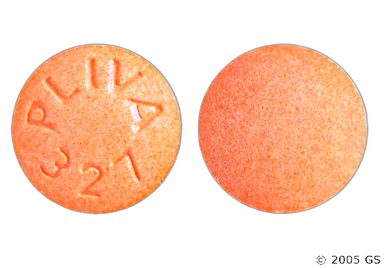
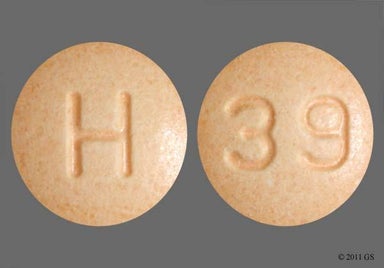
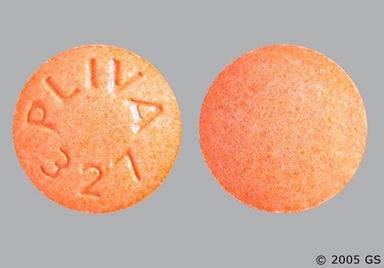
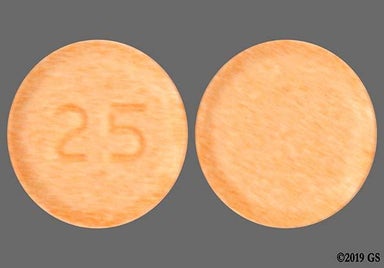
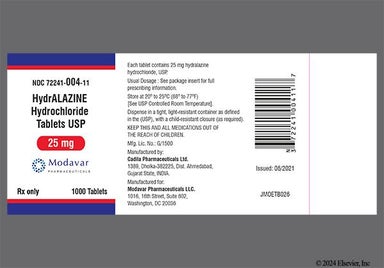
Hydralazine is a medication that's used to lower blood pressure. It's less commonly used for blood pressure, but it can be helpful when other first-choice medications aren't working. The dosage varies quite a bit; not everyone will take the same dose, but this medication is typically taken a few times a day. Common side effects include headache, stomach upset, and a fast heart rate. Hydralazine is available as a lower-cost generic tablet (there's no brand-name version).

Hydralazine is known as a vasodilator. This class of medications works by relaxing your blood vessels, which then lowers your blood pressure.
| Common Brands | Apresoline |
|---|---|
| Drug Class | Vasodilator |
| Controlled Substance Classification | Not a controlled medication |
| Generic Status | Lower-cost generic available |
| Availability | Prescription only |

The following side effects may get better over time as your body gets used to the medication. Let your healthcare provider know immediately if you continue to experience these symptoms or if they worsen over time.
Contact your healthcare provider immediately if you experience any of the following.
Along with its needed effects, a medicine may cause some unwanted effects. Although not all of these side effects may occur, if they do occur they may need medical attention.
Check with your doctor immediately if any of the following side effects occur:
More common
Arm, back, or jaw pain
chest pain or discomfort
chest tightness or heaviness
fast, pounding, or irregular heartbeat or pulse
shortness of breath
sweating
Less common
Black, tarry stools
blindness or vision changes
blisters on the skin
blurred vision
burning of the face or mouth
burning, crawling, itching, numbness, painful, prickling, "pins and needles", or tingling feelings
chills
clumsiness or unsteadiness
confusion
difficult or labored breathing
dizziness, faintness, or lightheadedness when getting up suddenly from a lying or sitting position
fever and sore throat
general feeling of discomfort or illness or weakness
joint pain
lower back or side pain
numbness, tingling, pain, or weakness in the hands or feet
painful or difficult urination
pale skin
shakiness in the legs, arms, hands, or feet
skin rash or itching
swelling of the feet or lower legs
swollen, painful, or tender lymph glands in the neck, armpit, or groin
tightness in the chest
trembling or shaking of the hands or feet
ulcers, sores, or white spots in the mouth
unusual bleeding or bruising
unusual tiredness or weakness
weakness in hands or feet
Get emergency help immediately if any of the following symptoms of overdose occur:
Symptoms of overdose
Feeling of warmth
headache
redness of the face, neck, arms, and occasionally, upper chest
Some side effects may occur that usually do not need medical attention. These side effects may go away during treatment as your body adjusts to the medicine. Also, your health care professional may be able to tell you about ways to prevent or reduce some of these side effects. Check with your health care professional if any of the following side effects continue or are bothersome or if you have any questions about them:
Other side effects not listed may also occur in some patients. If you notice any other effects, check with your healthcare professional.
Call your doctor for medical advice about side effects. You may report side effects to the FDA at 1-800-FDA-1088.




Hydralazine can cause some serious health issues. This risk may be even higher for certain groups. If this worries you, talk to your doctor or pharmacist about other options.
In rare cases, hydralazine caused some people to develop symptoms that look like systemic lupus erythematosus (SLE), also known as lupus. Symptoms can include joint pain, rash on the cheeks, and fevers. Most of the time, these symptoms go away when you stop the medication. But sometimes, it can take a longer time to go away. If you develop symptoms, let your provider know right away so that they can switch you to another medication.
Some people taking hydralazine have developed blood problems that lower the amounts of certain cells in your blood, including red and white blood cells. While this is rare, an imbalance in these cells can cause dizziness, tiredness, and even raise your chance of infections. Your provider might want to check your cell counts through blood work before and while you're taking this medication.
Hydralazine can affect your nerves and cause numbness, tingling, or burning sensations in your hands or feet. If you have these symptoms, talk to your provider. They might recommend that you take vitamin B6 supplements with help treat these symptoms.
Hydralazine might not be the best choice for people who've had a heart attack because it's possible for the medication to cause a heart attack. In addition, because hydralazine helps relax your blood vessels, it might also bump up your blood flow. This can sometimes cause problems if you have heart valve issues or have had a stroke. Talk to your provider if you have heart disease or have had a stroke in the past.

 Tablet
| Dosage | Quantity | Price as low as | Price per unit |
|---|---|---|---|
| 10mg | 90 tablets | $4.00 | $0.04 |
| 25mg | 90 tablets | $4.00 | $0.04 |
| 100mg | 90 tablets | $16.11 | $0.18 |
| 50mg | 90 tablets | $4.00 | $0.04 |
The typical starting dose is 10 mg by mouth four times daily for the first 2 to 4 days. Then, your provider will probably raise your dose to 25 mg by mouth four times daily for the rest of the first week of treatment.
From the second week and on, your provider might raise your dose to 50 mg by mouth four times daily.
Note: Your provider might prescribe a slightly different dose based on treatment guidelines for blood pressure from the American College of Cardiology/American Heart Association (usually 100 mg to 200 mg per day, split into two or three doses).
Your provider will work with you to find the lowest possible dose that works the best at lowering your blood pressure. The maximum dose of hydralazine is a total of 300 mg in one day. But most people don't need to take more than 200 mg in one day.
Hydralazine is also available as an injection that's given through the vein or into the muscle by a healthcare provider.

Although certain medicines should not be used together at all, in other cases two different medicines may be used together even if an interaction might occur. In these cases, your doctor may want to change the dose, or other precautions may be necessary. Tell your healthcare professional if you are taking any other prescription or nonprescription (over-the-counter [OTC]) medicine.


Contraindications are specific health conditions or situations in which a person should not take a medication due to safety concerns. If you have any of the following conditions or if any of the following apply to you, let your healthcare provider know because Hydralazine will not be safe for you to take.







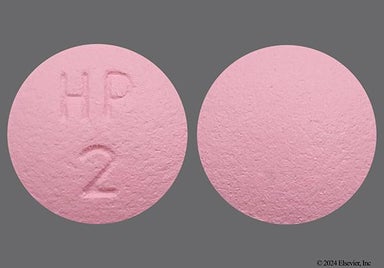
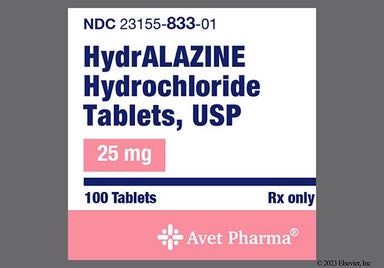
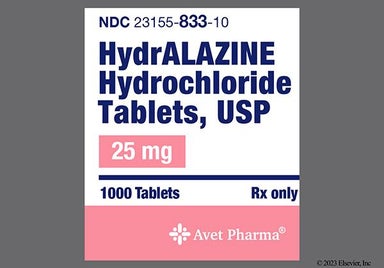
Prescription savings
Stop paying too much for your prescriptions. Compare prices, get pharmacy coupons, and save up to 80%. Find expert answers to your health questions so you can make the best decisions for yourself and your family.
Health conditions
Medications & treatment
Access & affordability
 Our monthly healthcare membership can help you save thousands on your prescription costs.
Resources

No, Hydralazine isn't a diuretic (water pill). It doesn't work to remove excess fluids from your body to lower blood pressure like diuretics do. Instead, Hydralazine relaxes your blood vessels to do so. You might be thinking of another blood pressure medication called hydrochlorothiazide. Hydrochlorothiazide is a diuretic and is actually a first-choice blood pressure medication. There's a chance that your provider might have you take Hydralazine along with hydrochlorothiazide if you need additional blood pressure control; they work differently to lower your blood pressure.
No, Hydralazine isn't a beta blocker. Hydralazine is a vasodilator that works by relaxing your blood vessels, which in turn lowers your blood pressure. Beta blockers (such as metoprolol and carvedilol) work differently to lower your blood pressure.
No, Hydralazine doesn't typically lower your heart rate. In fact, Hydralazine tends to make your heart rate faster. This happens because the medication turns on your sympathetic nervous system (which is related to your "fight-or-flight" response). This leads to a fast heart beat (heart rate). If Hydralazine speeds up your heart rate too much, your provider might add on another medication (e.g., a beta blocker) to balance this out.
It's not exactly know how long Hydralazine side effects last. But we can estimate that they shouldn't linger around for long since the medication doesn't last for a long time in your body. If you're stopping Hydralazine completely, it can take about a day and a half for the medication to clear out of your system all the way (and thus any unpleasant side effects should stop). Let your provider know if any side effects that you have become bothersome. They can see whether it's better to switch you to a different blood pressure medication.
You might notice a drop in your blood pressure about 6 hours after you take a dose of Hydralazine. But it might take weeks before you see the maximum benefit on your blood pressure. When you first start Hydralazine (the first week or so), your provider will want you to follow up with them often to see how Hydralazine affects your blood pressure. Your provider will adjust your dose so your blood pressure is at an acceptable level (not too high and not too low).
You might want to speak to a provider before taking your Hydralazine dose if your blood pressure is already low and you feel dizzy, lightheaded, or weak. This medication can lower your blood pressure even more, make these effects worse, and can even be dangerous. Your Hydralazine dose might need to be adjusted. Hydralazine also shouldn't be used if you've had a heart attack. This medication might cause heart attacks, so taking Hydralazine might put you at risk of having another one. Talk to your provider before starting Hydralazine if you have a history of heart disease to make sure it's safe for you to take.
If your provider instructs you to take Hydralazine four times a day, take your dose about every 6 hours. If your provider told you to take the medication three times a day, take your dose about every 8 hours. Basically, spread out your doses evenly throughout the day; don't double up on doses since this could lead to more side effects.
If you're pregnant or planning to become pregnant, speak to your provider about the risks and benefits of taking Hydralazine tablets. There's not enough data to know whether oral Hydralazine is safe to take during pregnancy. Note that the intravenous (IV) version of hydralazine is commonly used to treat severe high blood pressure in pregnant women with preeclampsia in emergency situations. If you're in this situation, your provider will give this injection form of Hydralazine into your veins.
