Key takeaways:
Sagging jowls happen when the skin around your jawline becomes loose. It happens with age because the skin loses elasticity and volume.
The best ways to prevent sagging jowls are to use sunscreen regularly and to avoid smoking.
At-home treatments for sagging jowls may help reduce their appearance. These include massage, facial exercises, retinoid cream, and collagen supplements.
If you’re feeling frustrated by loose, drooping skin around your jawline, you’re not alone. This is often called sagging jowls, which can happen as you age.
If you’re looking for tips on how to reduce sagging jowls, there are treatments you can try. At-home treatments are easier and less expensive than injectables or surgery. And some may improve skin firmness or make jowls look less noticeable. Of course, it’s also perfectly fine to embrace the aging process and to not use skin care products or treatments.
Here, we’ll review what the science says about the best at-home treatments for sagging jowls.
Search and compare options
What causes jowls?
Jowls develop mainly because of aging, according to Megan Casady Flahive, MD, a board-certified dermatologist in Maryland. She said there are two key factors:
Volume loss in the face: As you age, the fat in your face shrinks and moves downward. This leaves less support under the skin, which can cause it to sag and collect along the jawline.
The breakdown of collagen and elastin: Collagen and elastin are proteins in your skin that keep it tight and supple. As you age, your body produces less of them.
And all of this can happen earlier than you might think. “We start to lose collagen in our skin at around the age of 18,” said Flahive. “And by our 30s, we’re losing it at a more rapid rate.”
How can you treat jowls at home?
If you want to reduce the appearance of sagging jowls without surgeries or office-based treatments, you can try one or more of the following options.
1. Facial exercises and ‘face yoga’
Some people claim that facial exercises for jowls can help. Facial exercises — like any type of exercise — can strengthen muscles. The idea is that repeatedly using certain facial muscles makes them grow larger. This could restore volume in the face and improve the appearance of sagging jowls.
"Facial yoga” and exercises to improve drooping skin are all over the internet. But research is limited.
One review of four studies found that facial exercises led to more facial fullness and elasticity of the skin. Another small study found that women who did regular facial exercises for 20 weeks had increased fullness in the face. But this study had some limitations:
One of the coauthors of the study developed the facial exercise program that participants used, which raises the risk of bias.
The trial only contained 27 women, and 11 of them dropped out before completing it.
The facial exercises lasted 30 minutes, which might be too long for some people.
More research is needed to know what type, amount, and frequency of facial exercise is needed to see results. But, if you’re interested, you could try doing face yoga exercises and watch for changes over time.

Read more like this
Explore these related articles, suggested for readers like you.


2. Collagen supplements
Oral collagen supplements may help improve skin’s firmness and hydration. A large meta-analysis found that oral collagen can improve elasticity and lessen the appearance of wrinkles. These effects may help soften the appearance of sagging jowls.
Eating more collagen-rich foods may also support your body’s collagen needs. And getting enough vitamin C is important, too, since your body needs vitamin C to produce collagen.
3. Topical creams
The best creams for sagging jowls are retinol-based creams. When you use these creams regularly, they can increase collagen production in the skin. But don’t expect to see changes overnight. According to Flahive, retinoid creams take months to years to make a small difference in the appearance of jowls. And even with regular retinoid use, sagging jowls won’t fully disappear.
Another option is vitamin C serums and creams. Topical vitamin C won’t directly reduce jowls. But as an antioxidant, vitamin C can help protect against skin damage from the sun and pollution. This may help prevent sagging jowls.
Other topical ingredients may provide some temporary tightening of the skin, like:
Caffeine
Green tea
Peptides
Seaweed
Vitamins
But they won’t be enough to lift sagging jowls. And the results aren’t permanent.
4. Massage
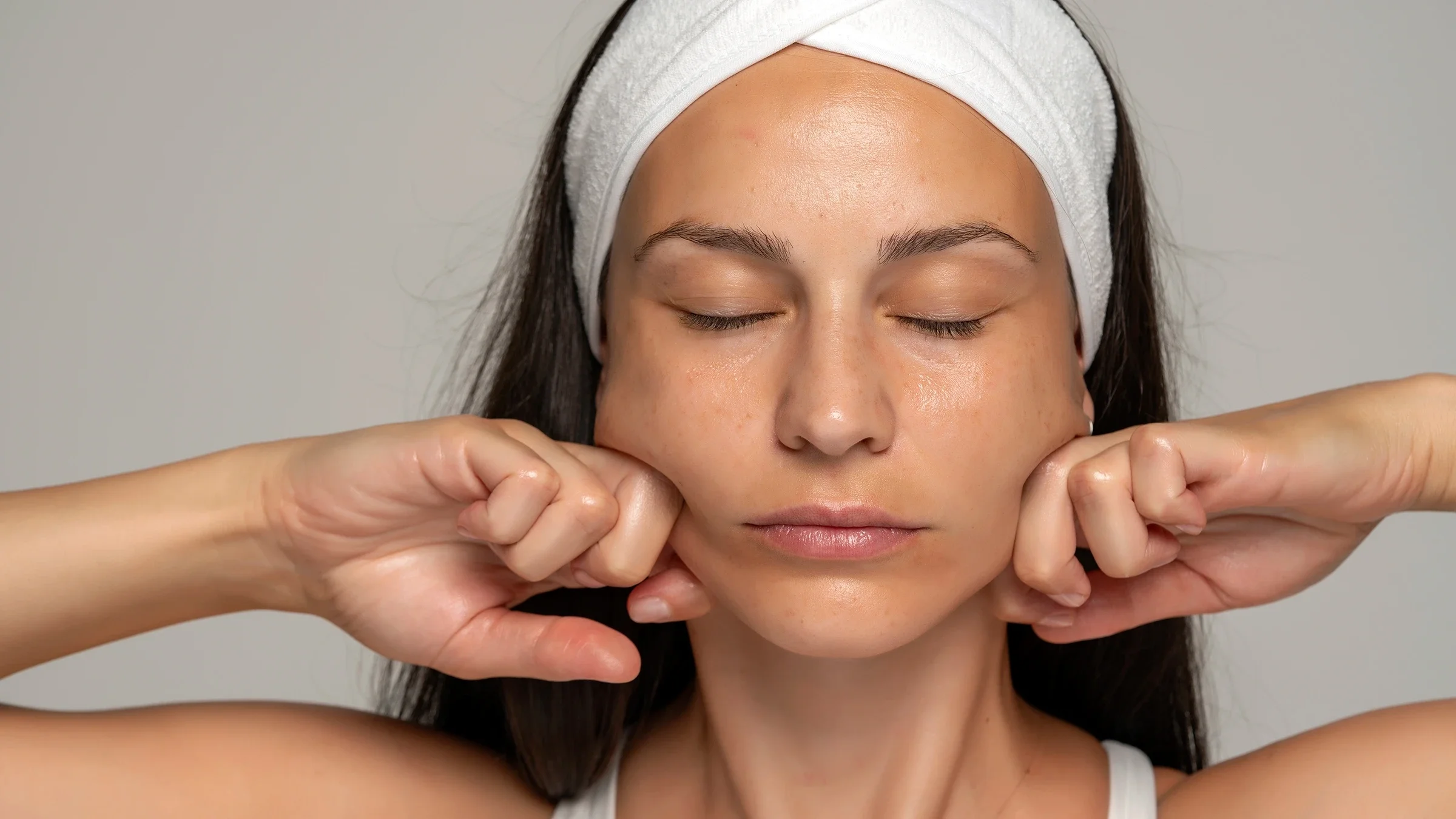
Gently massaging your facial skin can improve blood flow and temporarily decrease inflammation. This can lead to a more youthful skin appearance. But it’s not clear whether massage actually increases collagen or elastin production in facial skin. This has only been studied in the laboratory, not in humans. Even so, it might be worth a try since it’s a relatively low-risk treatment. You can massage skin with clean fingers or with a massage roller.
5. Low-level laser therapy
Low-level laser therapy uses red light or near-infrared light to penetrate the skin. These devices are often marketed to reduce wrinkles, inflammation, and smooth out skin. They’re painless and can be used at home.
There’s some research showing that these devices can help increase collagen and elastin production. But these studies were done in human cells in a laboratory, not in living humans. So, it’s not clear if low-level laser therapy could be an effective treatment for sagging jowls.
It’s also important to note that home devices are less powerful — and less regulated — than those you’ll find in a dermatology office.
6. Nutrition
It’s no secret that good nutrition can make a difference in your skin’s appearance. Here are some foods you could incorporate:
Fruits and vegetables: Fruits and vegetables contain antioxidants that protect against inflammation and skin damage. Some antioxidants — like vitamin C and vitamin A — support collagen production.
Healthy fats: Omega-3 fatty acids (found in fatty fish) and some other fatty acids can improve the appearance of aging skin. And people who consume more healthy fats from olive oil may have less visible skin aging from sun exposure — such as wrinkles and loss of elasticity.
Minimally processed foods: Eating fewer refined sugars and carbohydrates can be good for your skin. When you eat a lot of sugar, it creates harmful substances — known as advanced glycation end products (AGEs) — that can build up in the skin and make it less elastic. AGEs can also increase inflammation, which can harm the appearance of your skin.
Foods high in zinc and magnesium: These minerals are necessary for collagen formation in the skin. The foods highest in zinc include meat, fish, and seafood (especially oysters). Foods with magnesium include leafy green vegetables, chia seeds, and nuts. Black beans are high in both magnesium and zinc.
Other non-surgical treatments for jowls
What if you’re looking for more noticeable results than what home remedies can offer — but don’t want surgery? These office-based treatments, done by dermatologists or trained cosmetic specialists, may help tighten skin or restore volume:
Botox: Botox is an injectable medication that relaxes certain facial muscles. It may help create a more defined-looking jawline by relaxing muscles that pull downward. This can create a subtle lifting effect.
Dermal fillers: Dermal fillers are injected under the skin to add fullness and lift sagging skin. Results can last from a few months to several years.
Radiofrequency treatments: Radiofrequency treatments use heat energy to stimulate collagen and gradually tighten skin.
Laser resurfacing: Laser resurfacing uses concentrated pulses of light to remove a thin layer of skin and stimulate collagen production. It can also improve the appearance of scars.
Professional microneedling: Microneedling uses tiny needles to puncture the top layer of skin. This can increase collagen production. It may also help reduce acne scarring.
A thread lift: A thread lift is a procedure that uses dissolvable threads to lift and tighten sagging skin. Some threads also stimulate collagen, which can help the skin look firmer over time. Results typically last from 1 to 3 years.
Ineffective jowl treatments to skip
When it comes to at-home remedies for sagging jowls, not all treatments live up to the hype. To help you save your money for more effective options, here are some options you might want to skip.
Home microneedling devices
Professional-grade microneedling devices penetrate deeper into the skin than at-home devices. But only certain healthcare professionals — like dermatologists and other licensed clinicians — can use these devices. Home devices don’t go into the skin deeply enough to help make more collagen.
Microcurrent devices, such as NuFACE
NuFACE and similar devices use very low-level electrical currents. They claim to give a “facelift” effect. The idea is that these electrical currents increase blood flow in the skin and make facial muscles tighter for a short while. But since these devices don’t affect collagen or elastin production, any visible results won’t last.
According to Flahive, these devices can be used along with other treatments. But they probably won’t make a big difference in sagging jowls when used on their own.
How can you prevent jowls?
You can’t completely stop the natural aging process, and there’s nothing wrong with choosing to age naturally, without the use of skin care products or treatments. But you can slow down sagging by protecting your skin and supporting collagen. Here are some habits that may help:
Protect your skin from the sun: This is one of the biggest risk factors for sagging jowls, according to Flahive. Ultraviolet (UV) radiation can cause skin damage and weaken collagen fibers. Wear sunscreen every day, and consider a wide-brimmed hat if you’re outdoors. Sun protection isn’t just cosmetic: It also lowers your risk of skin cancer.
Quit smoking (or don’t start): Smoking contributes to the breakdown of collagen, making skin looser. Nicotine and other chemicals may also make it harder for new collagen to form. The good news: Some signs of skin health may improve after quitting. In one study, people who stopped smoking saw firmer, younger-looking skin within 3 months.
Maintain a stable weight: When you quickly lose fat in your face, the skin around your jawline can appear droopier. This happens because there’s less volume underneath the surface of the cheeks to fill it out. In other cases, gaining weight can worsen jowls, depending on where your body tends to store fat. Jowls contain body fat, so it makes sense that gaining weight can increase their size.
Eat a nutrient-rich diet: Fruits, vegetables, and other plant-based foods are loaded with antioxidants that support healthy skin. Collagen-rich foods — like bone broth or chicken skin — may also play a role in skin health.
Exercise: Movement boosts blood flow, which helps deliver oxygen and nutrients to your skin. Over time, this can help your skin look healthier and more vibrant.
Frequently asked questions
Without surgery or professional cosmetic procedures, it’s unlikely that your jowls will completely disappear. At-home treatments might make loose jowls seem smaller or less noticeable. But they can’t make loose skin disappear. If you want a more permanent solution, you can reach out to a medical professional to discuss your options.
A jowl lift is a cosmetic procedure that targets sagging skin and tissue along the jawline. The term is often used to describe a lower facelift or mini facelift. Typically, it involves making small incisions around the ears, repositioning tissue, and removing excess skin to make a more defined jawline. Nonsurgical options — like thread lifts and dermal fillers — may provide a subtle lift without surgery.
No, cheek biting doesn’t cause jowls. Sagging along the jawline is caused by aging and loss of collagen and elastin over time. Factors that can lead to jowls include:
Sun damage
Smoking
Genetics
Repeated weight loss and weight gain
Without surgery or professional cosmetic procedures, it’s unlikely that your jowls will completely disappear. At-home treatments might make loose jowls seem smaller or less noticeable. But they can’t make loose skin disappear. If you want a more permanent solution, you can reach out to a medical professional to discuss your options.
A jowl lift is a cosmetic procedure that targets sagging skin and tissue along the jawline. The term is often used to describe a lower facelift or mini facelift. Typically, it involves making small incisions around the ears, repositioning tissue, and removing excess skin to make a more defined jawline. Nonsurgical options — like thread lifts and dermal fillers — may provide a subtle lift without surgery.
No, cheek biting doesn’t cause jowls. Sagging along the jawline is caused by aging and loss of collagen and elastin over time. Factors that can lead to jowls include:
Sun damage
Smoking
Genetics
Repeated weight loss and weight gain
The bottom line
Sagging jowls are caused by loose skin around the jawline. This is a natural result of aging, and there’s nothing wrong with accepting these changes. But that doesn’t mean there’s nothing you can do about it. Some treatments — like facial exercises, collagen supplements, and retinoid creams — can improve blood flow and elasticity in the skin. You can also keep your skin healthy by wearing sunscreen and staying hydrated. Though no at-home treatments can completely get rid of sagging jowls, they may provide some benefits without breaking the bank.

Why trust our experts?




References
Alam, M., et al. (2018). Association of facial exercise with the appearance of aging. JAMA Dermatology.
American Academy of Dermatology Association. (n.d.). Many ways to firm sagging skin.
American Society of Plastic Surgeons. (n.d.). Laser skin resurfacing: Skincare procedure.
American Society of Plastic Surgeons. (n.d.). Thread lift: Minimally invasive procedure.
Avci, P., et al. (2013). Low-level laser (light) therapy (LLLT) in skin: Stimulating, healing, restoring. Seminars in Cutaneous Medicine and Surgery.
Caberlotto, E., et al. (2017). Effects of a skin-massaging device on the ex-vivo expression of human dermis proteins and in-vivo facial wrinkles. PLOS One.
de Miranda, R. B., et al. (2021). Effects of hydrolyzed collagen supplementation on skin aging: A systematic review and meta-analysis. International Journal of Dermatology.
Dhital, B., et al. (2017). Ultraviolet radiation reduces desmosine cross-links in elastin. Biochemistry and Biophysics Reports.
El-Domyati, M., et al. (2019) Radiofrequency facial rejuvenation: Evidence-based effect. Journal of the American Academy of Dermatology.
Happy Face Yoga. (n.d.). Happy face yoga.
Kim, B, et al. (2019). Low-level red and infrared light increases expression of collagen, elastin, and hyaluronic acid in skin. Journal of the American Academy of Dermatology.
Langton, A. K., et al. (2020). The systemic influence of chronic smoking on skin structure and mechanical function. The Journal of Pathology.
Latreille, J., et al. (2012). Dietary monounsaturated fatty acids intake and risk of skin photoaging. PLOS One.
Lim, H. W., et al. (2021). Effects of facial exercise for facial muscle strengthening and rejuvenation: Systematic review. Journal of Korean Physical Therapy.
Magacho-Vieira, F. N., et al. (2024). Revitalizing the lower face: Therapeutic insights and an innovative treatment guideline for jowl rejuvenation.
Oizumi, R., et al. (2024). The potential of exercise on lifestyle and skin function: Narrative review. JMIR Dermatology.
Reece, E. M., et al. (2008). The mandibular septum: Anatomical observations of the jowls in aging-implications for facial rejuvenation. Plastic and Reconstructive Surgery.
Serri, R., et al. (2010). “Quitting smoking rejuvenates the skin”: Results of a pilot project on smoking cessation conducted in Milan, Italy. Skinmed.
Tokyo Institute of Technology. (2018). Ready for a close-up: The science behind face massage rollers. ScienceDaily.
U.S. Food and Drug Administration. (2025). Microneedling devices.
Wang, L., et al. (2024). The effects of advanced glycation end-products on skin and potential anti-glycation strategies. Experimental Dermatology.
Wang, X., et al. (2019). Modulating effect of fatty acids and sterols on skin aging. Journal of Functional Foods.
Xu, X., et al. (2021). Effects of electrical stimulation on skin surface. Acta Mechanica Sinica.
Zheng, W., et al. (2022). Research advances on the damage mechanism of skin glycation and related inhibitors. Nutrients.