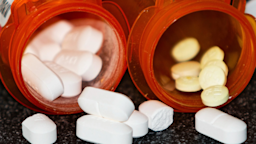
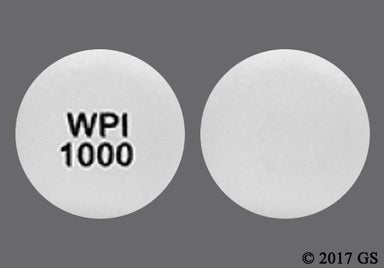
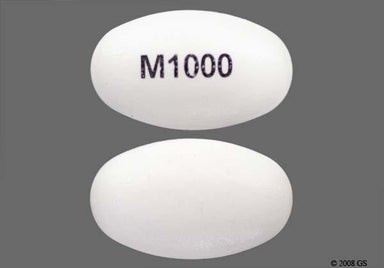
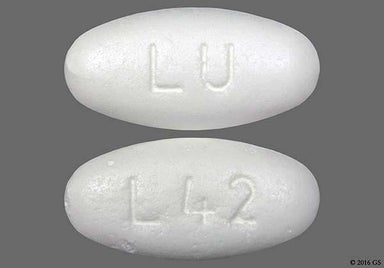
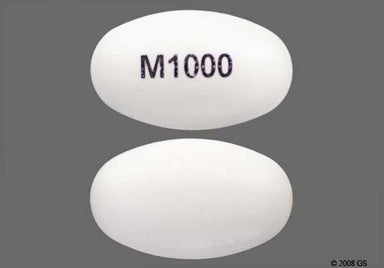
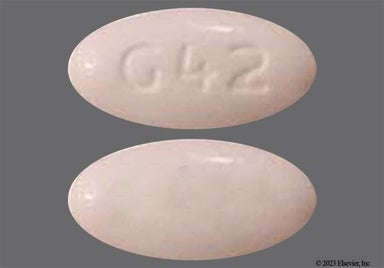
Metformin ER (Glumetza) is a biguanide. It's used to control blood sugar levels in adults with Type 2 diabetes. Metformin ER (Glumetza) is taken by mouth, typically once daily with an evening meal. Some of the more common side effects of this medication include diarrhea and nausea. But metformin ER (Glumetza) is less likely to cause stomach-related side effects than metformin immediate-release (IR) tablets. Metformin ER (Glumetza) is available as both brand-name and generic versions.
Metformin ER (Glumetza) is a biguanide. It lowers the amount of sugar that your liver makes, as well as lowers the amount of sugar absorbed through the intestines. In addition, it also makes your body more sensitive to insulin. This means your cells are better able to take up sugar from the bloodstream and use it as energy.
The following side effects may get better over time as your body gets used to the medication. Let your healthcare provider know immediately if you continue to experience these symptoms or if they worsen over time.
Common Side Effects
Please note: These are common side effects of people who took metformin ER (Glumetza) and glyburide together
Low blood sugar (dizziness, shaking; 14%)
Diarrhea (13%)
Nausea (7%)
Metformin ER (Glumetza) serious side effects
Contact your healthcare provider immediately if you experience any of the following.
Buildup of lactic acid: confusion, feeling weak, fast or slow heartbeat, rapid breathing, no appetite, nausea, vomiting
Take metformin ER (Glumetza) with your evening meal. Metformin ER (Glumetza) can cause stomach problems, including diarrhea and nausea. So food can help lower the risk of these side effects.
Swallow metformin ER (Glumetza) tablets whole. Don't cut, crush, or chew the tablets. Doing so can affect how the medication gets absorbed.
You might see the shell of the metformin ER (Glumetza) tablet and a soft mass of the inactive ingredients in your stool. This isn't harmful and can be expected.
While you're taking metformin ER (Glumetza), make sure to drink enough fluids to keep hydrated, especially if you're experiencing vomiting or diarrhea or feeling ill. These conditions can lead to dehydration and raise your risk of having a buildup of lactic acid in your blood.
If you're scheduled for a surgery, let your primary care provider know ahead of time. They can discuss with you when to stop metformin ER (Glumetza) before surgery and when to restart this medication afterwards. This is because you might not be able to eat or drink during the time around your surgery, which can raise your risk of lactic acidosis.
Talk with your healthcare team about your medication history before getting any procedures done. The contrast dyes that are used for certain imaging procedures can temporarily affect your kidneys and raise your risk of metformin buildup in your body and lactic acidosis, which can be dangerous. Don't restart this medication until your primary care provider checks your kidney health to make sure it's safe for you to do so.
If you feel tired, weak, or have trouble breathing, stop taking metformin ER (Glumetza) and get medical attention right away. These might be signs of a serious side effect called lactic acidosis, which sometimes can require treatment in the hospital.
Metformin ER (Glumetza) can interact with certain medications. For example, ranolazine (Ranexa), a medication used to treat chest pain, can expose your body to more metformin, which raises your risk of side effects. Let your healthcare team know what medications you're taking, including over-the-counter products and supplements, before you start metformin ER (Glumetza).
Make sure to get your routine blood tests done on time while you’re taking metformin ER (Glumetza). By doing so, your provider can check for side effects, like liver injury or changes to your vitamin B12 levels, or your risk for lactic acidosis.
If you're taking metformin ER (Glumetza) with other diabetes medications, like insulin or glipizide, you might be at higher risk of having low blood sugar. Make sure to check your blood sugar if you feel shaky, confused, or have a fast heartbeat. If your blood sugar level is low (less than 70 mg/dL), know how to treat it and when you need to call 911.
It's important to eat healthy and exercise regularly to keep your blood sugar under control. Make sure to work with your healthcare team on a diet and exercise plan while taking metformin ER (Glumetza).
Metformin ER (Glumetza) can cause some serious health issues. This risk may be even higher for certain groups. If this worries you, talk to your doctor or pharmacist about other options.
Lactic acidosis (too much acid in your body)
Risk factors: Kidney or liver problems | Heart failure or heart attack | Age 65 or older | Not eating food or fasting before surgery | Excessive alcohol use | Imaging procedure using contrast dye | Taking certain medications that affect the kidneys
Metformin ER (Glumetza) can cause a rare, but serious medical condition called lactic acidosis (too much lactic acid in your blood). If left untreated, this condition can lead to other health problems, including organ failure, which can be deadly. Discuss with your primary care provider about your medical history before starting metformin ER (Glumetza) and any planned procedures during treatment. They can check for your risk for lactic acidosis. Get medical attention right away if you experience trouble breathing, irregular heartbeat, muscle pain, belly pain, or feeling very tired or dizzy. These can be signs that you have too much lactic acid in your blood.
Low vitamin B12 levels
Risk factors: Long-term use of metformin | Lower-than-average calcium or vitamin B12 intake or absorption
Taking metformin ER (Glumetza) for a long period of time can cause your vitamin B12 levels to drop. Having low vitamin B12 levels can lead to a higher risk of anemia. Your primary care provider will check your vitamin B12 levels through blood work every 2 to 3 years. If needed, they might recommend that you take vitamin B12 supplementation. Let your healthcare team know if you frequently have low energy, dizziness, muscle problems, or tingling or numbness in your hands and feet.
Risk of low blood sugar levels
If you're using insulin or taking another medication that raises insulin levels while taking metformin ER (Glumetza), you might be at higher risk for dangerously low blood sugar levels. Because of this, your primary care provider will likely need to adjust the doses of your blood sugar medications. Make sure you're familiar with symptoms of low blood sugar levels, such as shakiness, hunger, confusion. Keep glucose tablets or other fast-acting carbohydrates with you at all times so you can quickly treat hypoglycemia.
The average cost for 90 tablets of 1000mg of Metformin ER (Glumetza) is $47.34 with a free GoodRx coupon. This is 97.96% off the average retail price of $2,325.52.
The typical starting dose is 500 mg by mouth once daily with the evening meal. Your provider might raise the dose every 1 to 2 weeks, as needed. The maximum dose is 2,000 mg once daily.
Contraindications are specific health conditions or situations in which a person should not take a medication due to safety concerns. If you have any of the following conditions or if any of the following apply to you, let your healthcare provider know because Metformin ER (Glumetza) will not be safe for you to take.
Severe kidney problems
Sudden or long-term acidosis (dangerously high levels of acid), including diabetic ketoacidosis
What are alternatives to Metformin ER (Glumetza)?
There are a number of medications that your doctor can prescribe in place of Metformin ER (Glumetza). Compare a few possible alternatives below.
GoodRx Health has strict sourcing policies and relies on primary sources such as medical organizations, governmental agencies, academic institutions, and peer-reviewed scientific journals. Learn more about how we ensure our content is accurate, thorough, and unbiased by reading our editorial guidelines.
Prescription savings
Stop paying too much for your prescriptions. Compare prices, get pharmacy coupons, and save up to 80%.
Plans start at $9.99/mo. (when paid yearly). Terms apply.
Common questions about Glumetza
Glumetza and metformin immediate-release (IR) are both prescription medications that treat Type 2 diabetes. The biggest difference is that metformin ER is released slowly into the body, so it's typically taken once daily, instead of twice daily like metformin IR. In addition, because your body absorbs metformin ER slower rate, it might cause less diarrhea and nausea than metformin IR. The American Diabetes Association doesn't recommend one formulation over another when it comes to treating diabetes.
Some Glumetza products were recalled in 2019 because they contained a chemical called N-nitrosodimethylamine (NDMA), which can raise the risk of cancer for people who are exposed to high levels over a longer period of time. Since then, the FDA has continued to provide quality checks for chemicals, like NDMA, on Glumetza. If you're concerned about taking Glumetza or the recall, talk to your care team for more information.
Research show some people can experience weight loss after taking Glumetza. This medication might cause weight loss by telling the body to absorb and produce less sugar. Glumetza can also cause stomach-related side effects, such as diarrhea and nausea, which can also affect body weight. Talk with your provider if you have more questions about how Glumetza might affect your weight.
Glumetza tablets have a special coating that allows the medication to be released slowly in your body. Cutting the tablet in half can destroy the coating and affect how the medication gets absorbed. Always swallow Glumetza tablets whole. If you have trouble swallowing, talk to your care team about switching to metformin immediate-release tablets.
You'll need to take Glumetza daily for it to work well to control your blood sugar levels. But once you stop taking this medication, it can take up to 4 days for most of the medication to leave your body. Keep in mind that this time frame is estimated based on the half-life of Glumetza. It can also be affected by your health conditions and genetics, so it can be different for each individual person.
Glumetza is only FDA-approved to be taken once daily with your evening meal. But some studies showed that taking Glumetza twice daily is safe and works to control blood sugar throughout the day. Depending on what your blood sugar levels are like, your primary care provider might adjust your dose of Glumetza to better treat your diabetes. Don't stop, start, or change how you take your diabetes medications on your own without first speaking to your healthcare team.
It's best to avoid or limit drinking alcohol if you're taking Glumetza. In general, alcohol raises your risk of low blood sugar. In addition, drinking too much alcohol while you're taking this medication can raise the risk of having a high level of acid in your blood (lactic acidosis), which can be dangerous. If you drink alcohol regularly and it's difficult for you to cut it out completely, ask your primary care provider what's a safer amount to drink.
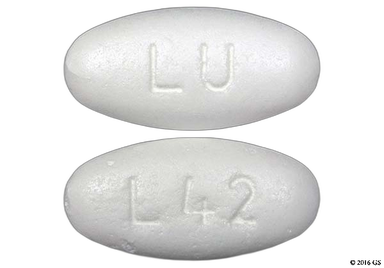











 Metformin ER (Glumetza) can cause a rare, but serious medical condition called