






11 Medications That Are Dangerous to Stop Abruptly
The effects of stopping losartan may be dangerous. Find out why this and other medications shouldn’t be stopped abruptly.
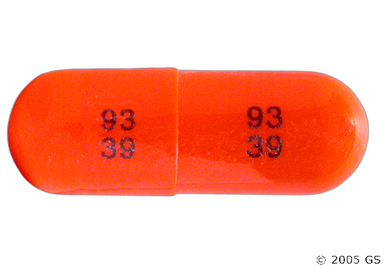
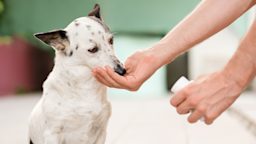
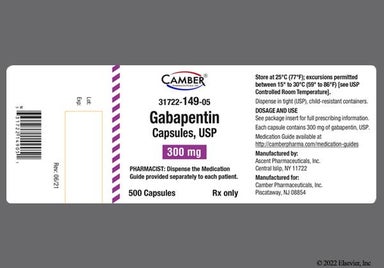
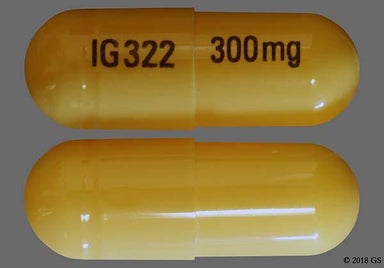
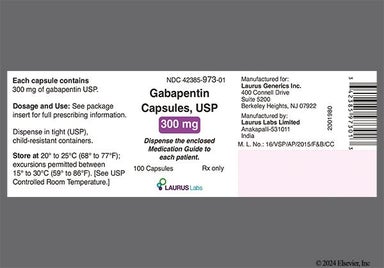
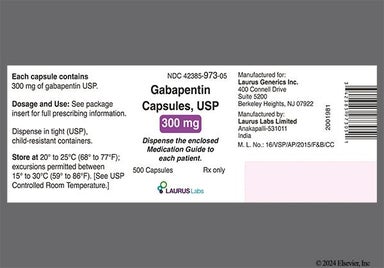
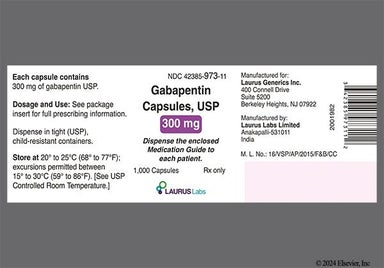
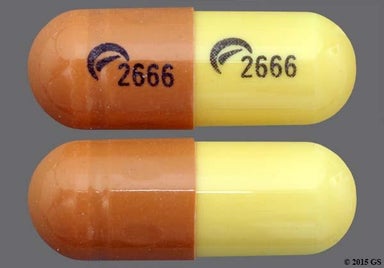
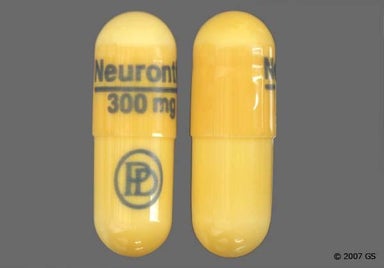
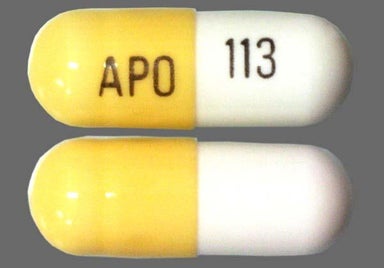
Gabapentin (Neurontin) is an FDA-approved human medication commonly prescribed off-label by veterinarians, along with other medications, for cats and dogs to manage anxiety during events like vet visits and to treat chronic pain, such as arthritis. Although gabapentin is considered an anti-seizure medication, it’s not typically used on its own to treat seizures in cats or dogs. Instead, it might be prescribed in combination with other medications to control symptoms. Since the dose is based on your pet’s weight, your veterinarian will help to determine the right dose. Common side effects include sleepiness, tiredness, and difficulty with walking and balance.

Gabapentin is an antiepileptic. It’s not completely known how the medication works, but it’s thought to lower the amount of chemicals that cause excitement and pain in the nervous system. This can help calm the nerves and lessen pain for cats and dogs.
| Common Brands | Neurontin |
|---|---|
| Drug Class | Antiepileptic |
| Controlled Substance Classification | Controlled in some states. See FAQs below. |
| Generic Status | Lower-cost generic available |
| Availability | Prescription only |

The following side effects might get better over time as your pet gets used to the medication. Let your veterinarian know immediately if your pet continues to experience these symptoms or if they worsen over time.
Along with its needed effects, a medicine may cause some unwanted effects. Although not all of these side effects may occur, if they do occur they may need medical attention.
Check with your doctor immediately if any of the following side effects occur:
More common
Clumsiness or unsteadiness
continuous, uncontrolled, back-and-forth, or rolling eye movements
More common in children
Aggressive behavior or other behavior problems
concentration problems and change in school performance
crying
false sense of well-being
hyperactivity or increase in body movements
rapidly changing moods
reacting too quickly, too emotional, or overreacting
restlessness
suspiciousness or distrust
Less common
Black, tarry stools
chills
depression, irritability, or other mood or mental changes
loss of memory
pain or swelling in the arms or legs
painful or difficult urination
sores, ulcers, or white spots on the lips or in the mouth
swollen glands
unusual bleeding or bruising
unusual tiredness or weakness
Incidence not known
Abdominal or stomach pain
blistering, peeling, or loosening of the skin
clay-colored stools
coma
confusion
convulsions
dark urine
decreased urine output
difficult or troubled breathing
dizziness
fast or irregular heartbeat
headache
increased thirst
irregular, fast or slow, or shallow breathing
itching or skin rash
joint pain
large, hive-like swelling on the face, eyelids, lips, tongue, throat, hands, legs, feet, or sex organs
loss of appetite
muscle ache or pain
pale or blue lips, fingernails, or skin
red skin lesions, often with a purple center
red, irritated eyes
unpleasant breath odor
vomiting of blood
yellow eyes or skin
Some side effects may occur that usually do not need medical attention. These side effects may go away during treatment as your body adjusts to the medicine. Also, your health care professional may be able to tell you about ways to prevent or reduce some of these side effects. Check with your health care professional if any of the following side effects continue or are bothersome or if you have any questions about them:
More common
Blurred vision
delusions
hoarseness
lack or loss of strength
lower back or side pain
swelling of the hands, feet, or lower legs
trembling or shaking
Less common or rare
Accidental injury
appetite increased
back pain
bloated or full feeling
body aches or pain
burning, dry, or itching eyes
change in vision
change in walking and balance
clumsiness or unsteadiness
congestion
cough producing mucus
decrease in sexual desire or ability
dryness of the mouth or throat
excess air or gas in the stomach or intestines
excessive tearing
eye discharge
feeling faint, dizzy, or lightheadedness
feeling of warmth or heat
flushed, dry skin
flushing or redness of the skin, especially on the face and neck
fruit-like breath odor
impaired vision
incoordination
increased hunger
increased sensitivity to pain
increased sensitivity to touch
increased thirst
indigestion
noise in the ears
pain, redness, rash, swelling, or bleeding where the skin is rubbed off
passing gas
redness or swelling in the ear
redness, pain, swelling of the eye, eyelid, or inner lining of the eyelid
sweating
tender, swollen glands in the neck
tightness in the chest
tingling in the hands and feet
trouble sleeping
trouble swallowing
trouble thinking
twitching
unexplained weight loss
voice changes
vomiting
weakness or loss of strength
Other side effects not listed may also occur in some patients. If you notice any other effects, check with your healthcare professional.
Call your doctor for medical advice about side effects. You may report side effects to the FDA at 1-800-FDA-1088.




Gabapentin can cause some serious health issues. This risk might be even higher for certain pets. If this worries you, talk to your veterinarian about other options.
gabapentin might make your dog or cat sleepy and tired, especially if they take a higher dose. If this becomes problematic, let your veterinarian know. They might recommend a lower dose or prescribe a different form of the medication.
gabapentin can lead to walking and balance problems, especially at higher doses. Let your veterinarian know if this becomes a concern. They might suggest reducing the dose or switching to a different form of the medication.

The dose is based on your pet’s weight. Your veterinarian will help determine the right dosage and appropriate product.
Cats:
Dogs:

Although certain medicines should not be used together at all, in other cases two different medicines may be used together even if an interaction might occur. In these cases, your doctor may want to change the dose, or other precautions may be necessary. When you are taking this medicine, it is especially important that your healthcare professional know if you are taking any of the medicines listed below. The following interactions have been selected on the basis of their potential significance and are not necessarily all-inclusive.
Using this medicine with any of the following medicines is usually not recommended, but may be required in some cases. If both medicines are prescribed together, your doctor may change the dose or how often you use one or both of the medicines.
Using this medicine with any of the following medicines may cause an increased risk of certain side effects, but using both drugs may be the best treatment for you. If both medicines are prescribed together, your doctor may change the dose or how often you use one or both of the medicines.


Contraindications are specific health conditions or situations in which a pet should not take a medication due to safety concerns. If your pet has any of the following conditions or if any of the following apply to your pet, let your veterinarian know because Gabapentin will not be safe for your pet to take.













Prescription savings
Stop paying too much for your prescriptions. Compare prices, get pharmacy coupons, and save up to 80%. Find expert answers to your health questions so you can make the best decisions for yourself and your family.
Health conditions
Medications & treatment
Access & affordability
 Our monthly healthcare membership can help you save thousands on your prescription costs.
Resources

Gabapentin is commonly prescribed to dogs for anxiety and chronic pain. It can be safe if given at the doses prescribed by your veterinarian and according to their instructions. But If your dog takes too much Gabapentin, they might experience serious balance problems and extreme sleepiness. If this occurs, contact your veterinarian right away. You can also reach out to pet poison hotlines for assistance.
The dose of Gabapentin depends on your dog’s weight. It also depends on what your pet is using the medication for. For example, if your dog is taking it for anxiety related to an event, you’ll typically give the dose a few hours before the event. Your veterinarian will help to determine the right dose of Gabapentin for your dog.
It can. Gabapentin commonly causes sleepiness and tiredness in dogs. If these side effects become problematic, let your veterinarian know. They might recommend lowering the dose or switching to a different form of the medication altogether.
Yes. Gabapentin can cause problems with walking, also known as ataxia. The loss of coordination and balance can make your cat appear wobbly. If this becomes troublesome, let your veterinarian know.
Commercially available Gabapentin liquid solution approved for human use contains xylitol, which can be poisonous for dogs. Xylitol can cause your dog to have low blood sugar. But if you or your dog prefer a liquid solution of Gabapentin, your veterinarian might prescribe the medication to be prepared at a compounding pharmacy without xylitol. Xylitol isn’t a problem for cats though, so they are able to take the commercial liquid solution.
It depends. Gabapentin isn’t considered as a controlled substance at the federal level, but in certain states it is. Work with your veterinarian and your pharmacist to make sure you’re able to access the medication for your pet.
