Key takeaways:
Finasteride is a prescription medication that comes in two different versions: Propecia and Proscar. Each version treats a specific health condition.
Proscar is used to treat benign prostatic hyperplasia (BPH). The usual dosage is 5 mg by mouth once daily. Propecia is used for male-pattern hair loss. The typical dosage is 1 mg by mouth once daily.
Finasteride is available as a lower-cost generic. GoodRx can help you save over 60% off the average retail price at certain pharmacies. What’s more, with GoodRx for Hair Loss, you can pay as low as $16 per month for finasteride or as low as $20 per month for minoxidil.
Save on related medications
Finasteride is a prescription medication that belongs to a class called 5-alpha reductase inhibitors. It’s available in two different versions: Proscar and Propecia.
Proscar is used to treat men who have benign prostatic hyperplasia (BPH) with an enlarged prostate. Propecia is a lower-dose version used to slow hair loss in men with male-pattern hair loss (androgenetic alopecia). Both versions are available as tablets taken by mouth once daily.
This guide reviews typical finasteride dosages for Proscar and Propecia. Remember that these recommendations come directly from the manufacturers. Follow your prescriber’s instructions if they have you taking finasteride differently.
What’s the typical finasteride dosage for adults?
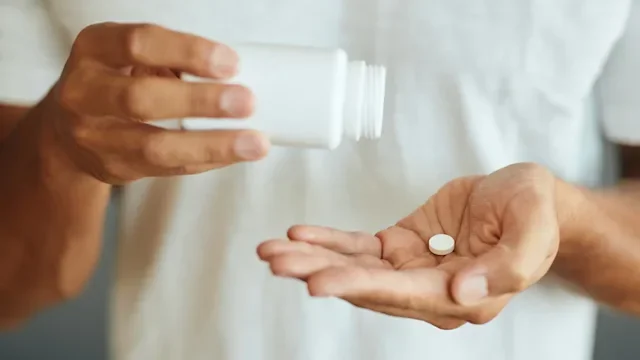
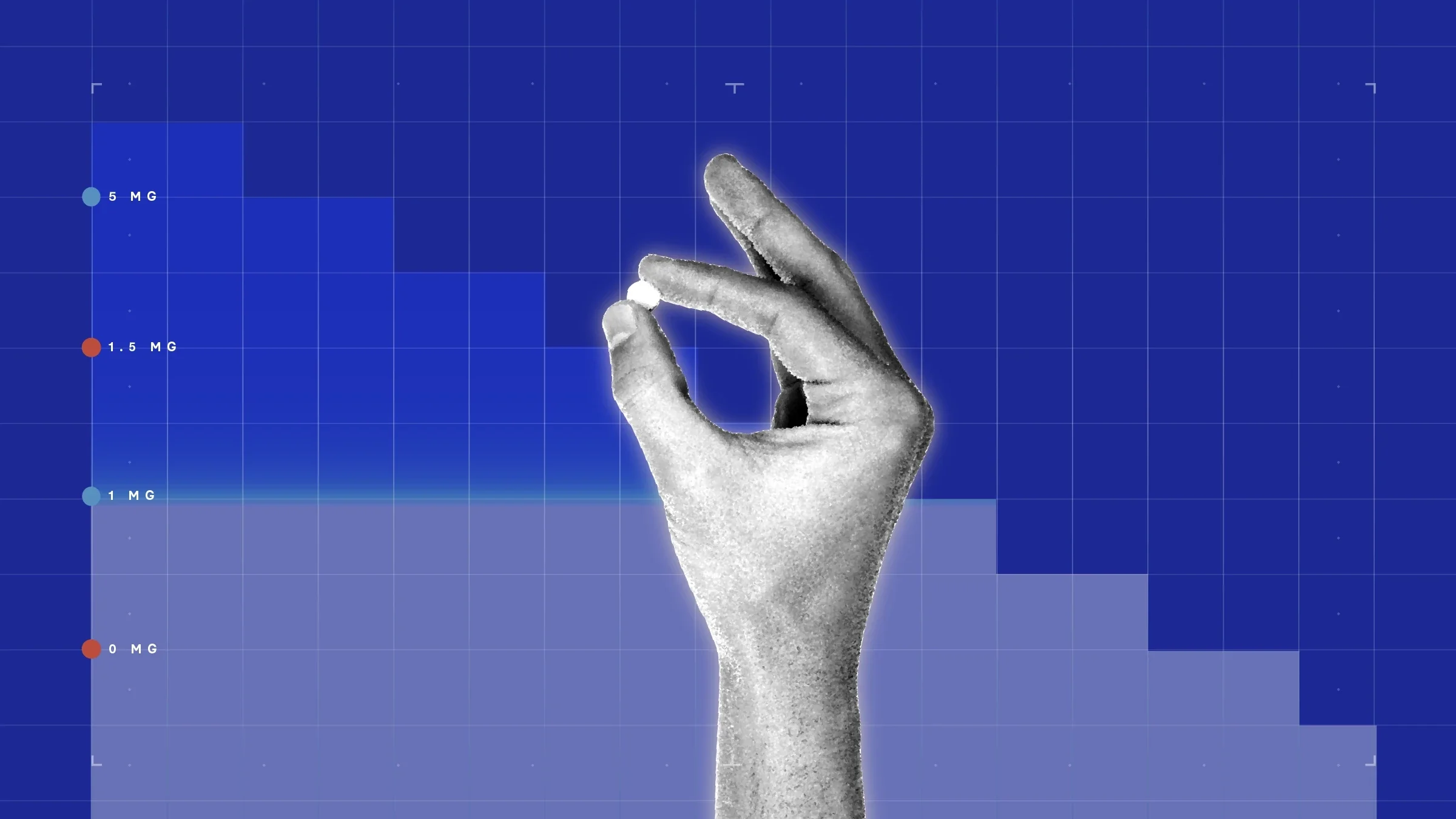
Finasteride is available as 1 mg and 5 mg tablets. Your typical finasteride dosage will depend on why you’re taking it. But with either use, you’ll typically take it by mouth once daily, at the same time every day. You can take your dose with or without food.
Good to know: Although finasteride has been studied for hair loss in women, this use is considered off-label. What’s more, finasteride can be harmful to a growing fetus. The tablets are coated to prevent exposure, but pregnant women shouldn’t touch them if they’re broken or crushed.
Finasteride dosage for benign prostatic hyperplasia
For BPH, the typical finasteride dosage is 5 mg by mouth once daily. Your prescriber may have you take finasteride on its own. They may also have you take it with a medication called doxazosin (Cardura, Cardura XL) to prevent your BPH symptoms from getting worse.
Finasteride dosage for male-pattern hair loss
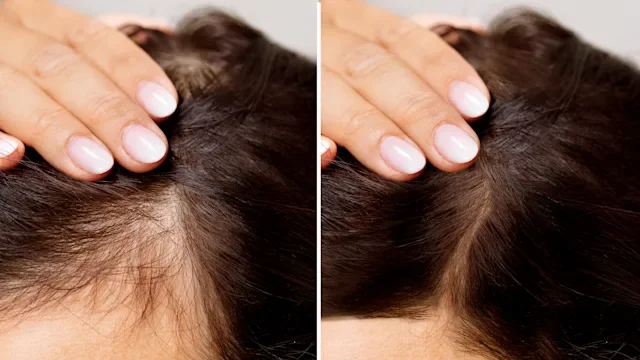
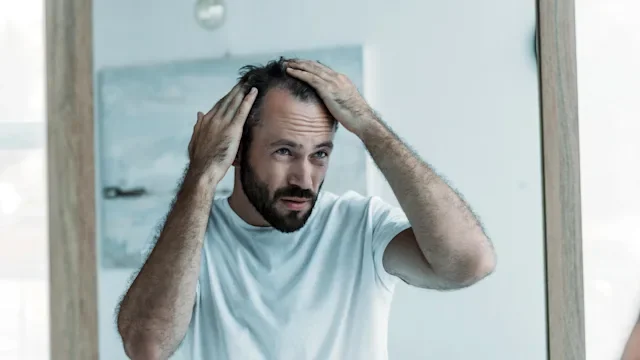
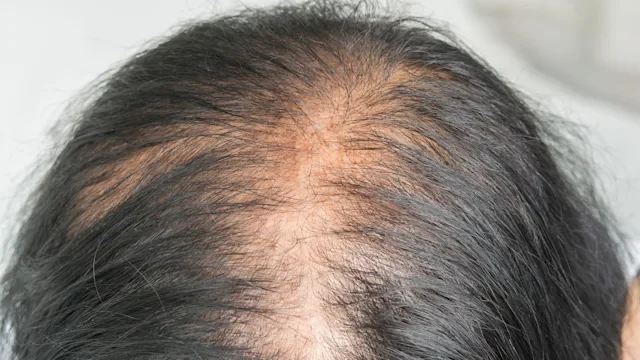
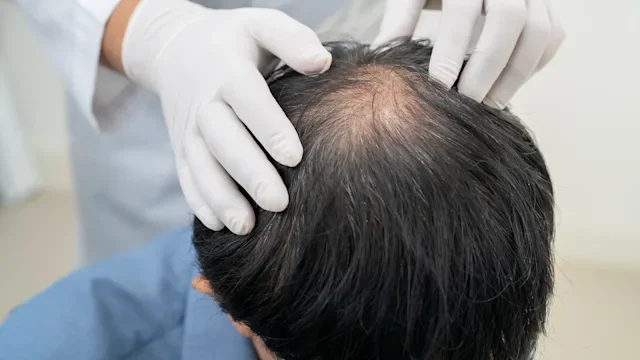
For male-pattern hair loss, the typical finasteride dosage is 1 mg by mouth once daily. You’ll likely need to take it for a few months before you start to notice any visible effects.
Are there any dosage adjustments for medical conditions?
No. There aren’t any recommended dosage adjustments if you have certain medical conditions. However, finasteride is broken down by your liver. If you have liver problems, your healthcare team may monitor you more closely during treatment.
What happens if you miss a dose of finasteride?
If you forget to take your finasteride dose, skip the missed dose. Take your next dose at the usual time. Don’t take two tablets together to try and make up for a missed dose.
If you’re having difficulty remembering to take finasteride every day, there are tips and tricks to help you remember. Medication reminder apps and pill organizers are a few examples. Your pharmacist and prescriber are also great resources to help you remember to take your finasteride.
What should you do if you take too much finasteride?
In clinical trials, high doses of finasteride (such as 400 mg as a single dose) were well-tolerated. Even so, it’s important to take finasteride as prescribed. In general, taking too much of a medication can increase the risk of side effects, such as enlarged breast growth in men.
If you think you’ve taken too much finasteride, contact your healthcare team right away as a precaution. You can also call Poison Control at 1-800-222-1222 for guidance.
How to save on finasteride
Both Proscar and Propecia are available as brand-name medications and lower-cost generics. GoodRx can help make your prescription more affordable with free discounts.
GoodRx can help you save over 80% off the average retail price of the generic versions. At certain pharmacies, generic Proscar’s price is as low as $7.80 and generic Propecia’s price is as low as $10.50 with GoodRx.
You can also access discounted prescription medications with a GoodRx Companion subscription. Over 200 medications are available for free, with hundreds more under $10. The program also includes benefits to help you cut your self-pay costs, such as lower prices for online care visits, discounts on dental care, and other health services.
What’s more, using GoodRx for Hair Loss, you can pay as low as $16 for generic finasteride and as low as $20 for generic minoxidil. That’s one clear price that includes the telehealth visit, medication, and delivery.
Frequently asked questions
Finasteride starts to prevent further hair loss right away, typically within 24 hours. But hair regrowth happens slowly. It can take several months to see visible results.
The timeline of finasteride’s effects is different for everyone. But in general, it looks like this:
Months 1-3: Hair loss stops
Months 3-6: Hair begins to regrow
Months 6-12: Significant hair growth expected
If you stop taking finasteride, any benefits — such as hair growth or slowed hair loss — typically begin to reverse within a few months. Most people return to their baseline level of hair loss within 12 months after stopping treatment.
Finasteride has a half-life of about 6 hours in younger adults and around 8 hours in older adults. This means it takes that long for half of the medication amount to leave your system, though its effects on the body can last longer.
The 1 mg finasteride dose is FDA approved for treating hair loss and has been shown to be effective in most cases. Higher doses, such as 5 mg, aren’t proven to offer significantly more hair growth and may raise the risk of side effects. Stick with the 1 mg dose unless your prescriber recommends otherwise.
You can finasteride at any time of day, as long as you take it consistently. Taking it around the same time each day helps maintain stable levels in your body. You can take your dose with or without food.
Finasteride starts to prevent further hair loss right away, typically within 24 hours. But hair regrowth happens slowly. It can take several months to see visible results.
The timeline of finasteride’s effects is different for everyone. But in general, it looks like this:
Months 1-3: Hair loss stops
Months 3-6: Hair begins to regrow
Months 6-12: Significant hair growth expected
If you stop taking finasteride, any benefits — such as hair growth or slowed hair loss — typically begin to reverse within a few months. Most people return to their baseline level of hair loss within 12 months after stopping treatment.
Finasteride has a half-life of about 6 hours in younger adults and around 8 hours in older adults. This means it takes that long for half of the medication amount to leave your system, though its effects on the body can last longer.
The 1 mg finasteride dose is FDA approved for treating hair loss and has been shown to be effective in most cases. Higher doses, such as 5 mg, aren’t proven to offer significantly more hair growth and may raise the risk of side effects. Stick with the 1 mg dose unless your prescriber recommends otherwise.
You can finasteride at any time of day, as long as you take it consistently. Taking it around the same time each day helps maintain stable levels in your body. You can take your dose with or without food.
The bottom line
Your finasteride (Proscar, Propecia) dosage depends on why you’re taking it. For benign prostatic hyperplasia, the typical finasteride dosage is 5 mg once daily. And the typical finasteride dosage for hair loss in men is 1 mg once daily. If you have questions about your finasteride dosage, speak with your prescriber or pharmacist.

Why trust our experts?



References
Ascend Laboratories. (2025). Finasteride 1 mg tablet, coated [package insert]. DailyMed.
Ascend Laboratories. (2026). Finasteride 5 mg tablet, coated [package insert]. DailyMed.
Ho, C. H., et al. (2024). Androgenic alopecia. StatPearls.
MedlinePlus. (2026). Finasteride.
PubChem. (2026). Finasteride. National Library of Medicine.
Shapiro, J., et al. (2003). Use of finasteride in the treatment of men with androgenetic alopecia (male pattern hair loss). Journal of Investigative Dermatology Symposium Proceedings.