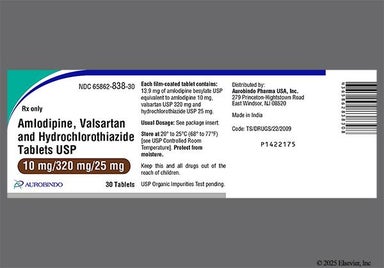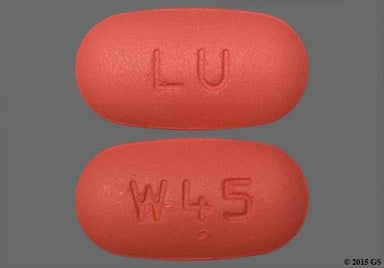
amlodipine / valsartan / HCTZ
Exforge HCT is a combination medication containing amlodipine, valsartan, and hydrochlorothiazide. It's used to treat high blood pressure in adults. Exforge HCT contains a combination of three types of blood pressure medications (a calcium channel blocker (CCB), an angiotensin II receptor blocker (ARB), and a thiazide diuretic), which are all first-choice options. Exforge HCT is a tablet that's taken by mouth once per day. Side effects include dizziness, swelling, and headache. Exforge HCT is available as a brand-name medication and a lower-cost generic.


What is Exforge HCT?
What is Exforge HCT used for?
- High blood pressure in adults
How Exforge HCT works
Exforge HCT is a combination of three medications that work together to lower blood pressure.
- Amlodipine is a calcium channel blocker (CCB). It works by relaxing your blood vessels to lower your blood pressure.
- Valsartan is an angiotensin II receptor blocker (ARB). It works by blocking angiotensin II, a hormone that's naturally found in the body. This helps relax your blood vessels so blood can flow through more easily.
- Hydrochlorothiazide is a thiazide diuretic (water pill). It works in your kidneys to remove extra water and certain electrolytes (like sodium and potassium). This lessens the amount of fluid that flows through your blood vessels, which helps lower blood pressure.
Drug facts
| Common Brands | Exforge HCT |
|---|---|
| Drug Class | ARB / CCB / Diuretic (water pill) |
| Controlled Substance Classification | Not a controlled medication |
| Generic Status | Lower-cost generic available |
| Availability | Prescription only |

Side effects of Exforge HCT
The following side effects may get better over time as your body gets used to the medication. Let your healthcare provider know immediately if you continue to experience these symptoms or if they worsen over time.
Common Side Effects
- Dizziness (8%)
- Swelling of legs or arms (7%)
- Headache (5%)
Less Common Side Effects
- Indigestion or heartburn
- Nausea
- Tiredness
- Muscle spasms
- Back pain
- Cold-like symptoms
Exforge HCT serious side effects
Contact your healthcare provider immediately if you experience any of the following.
- Dangerously low blood pressure: dizziness, lightheadedness, pale skin, feeling faint or fainting
- Heart attack: cold and clammy skin; sweating; dizziness; tightness or pain in the chest, neck, arms, or back
- Kidney problems: feeling confused; feeling very tired; having trouble thinking clearly; nausea; vomiting; urinating less than usual; swelling in your feet, ankles, or hands
- Abnormal electrolyte levels: nausea, vomiting, constipation, stomach pain, tingling sensation, muscle weakness, muscle cramps, low energy, fluttering heartbeat
- Liver problems: yellowing of the skin or whites of the eyes (jaundice)
- Vision problems: vision changes, eye pain
- Severe allergic reaction: trouble breathing, swelling in the lips, tongue, or face
The following Exforge HCT side effects have also been reported
Side effects that you should report to your care team as soon as possible:
- Allergic reactions—skin rash, itching, hives, swelling of the face, lips, tongue, or throat
- Dehydration—increased thirst, dry mouth, feeling faint or lightheaded, headache, dark yellow or brown urine
- Gout flare—severe pain, redness, warmth, or swelling in joints, such as the big toe
- Heart attack—pain or tightness in the chest, shoulders, arms, or jaw, nausea, shortness of breath, cold or clammy skin, feeling faint or lightheaded
- High potassium level—muscle weakness, fast or irregular heartbeat
- Kidney injury—decrease in the amount of urine, swelling of the ankles, hands, or feet
- Low blood pressure—dizziness, feeling faint or lightheaded, blurry vision
- Low potassium level—muscle pain or cramps, unusual weakness or fatigue, fast or irregular heartbeat, constipation
- Sudden eye pain or change in vision such as blurry vision, seeing halos around lights, vision loss
- Worsening chest pain (angina)—pain, pressure, or tightness in the chest, neck, back, or arms
Side effects that usually do not require medical attention (report these to your care team if they continue or are bothersome):
- Change in sex drive or performance
- Dizziness
- Facial flushing, redness
- Fatigue
- Headache
- Nausea
- Upset stomach

Get your GoodRx coupon

Pros and cons of Exforge HCT
Pros
- Contains three first-choice options for treating high blood pressure all in a single pill
- Only taken once a day
- Available as a lower-cost generic
Cons
- More difficult to customize the dose, since it contains three medications in a single pill
- Can cause dizziness and swelling
- Not safe while pregnant or breastfeeding
- Might not be the best choice for people with a sulfa allergy

Pharmacist tips for Exforge HCT

- You can take Exforge HCT with or without food at any time of day. Taking the medication with food might help if it hurts your stomach.
- It's recommended that you check your blood pressure at home, write down your readings, and share your log with your prescriber at your follow-up visits. This helps your prescriber understand how well Exforge HCT is working for you and whether they need to recommend any dose changes.
- Be sure to make appointments for any blood work that your prescriber ordered. These blood tests check things like your electrolyte levels and kidney function to help make sure Exforge HCT is still safe for you to take.
- Take Exforge HCT exactly as prescribed. Don't lower your dose or stop taking the medication without talking to your prescriber first. This can cause your blood pressure to rise quickly. To prevent your blood pressure from changing too quickly, your prescriber might lower your dose slowly over time if you need dose adjustments or if you need to stop the medication.
- It's possible to feel dizzy when you start taking Exforge HCT and when your prescriber raises your dose. This side effect should lessen over time as you continue taking the medication. Stand up slowly or hold onto something when you stand from a sitting or lying down position. Call your prescriber if you feel dizzy, lightheaded, tired, or confused because your blood pressure might be too low.
- Try to avoid or limit how much alcohol you drink while you're taking Exforge HCT. Drinking on a regular basis, especially in high amounts, can cause higher blood pressure. Alcohol can also make side effects like dizziness and lightheadedness worse, which can sometimes lead to falls.
- Exforge HCT contains hydrochlorothiazide, which can make your skin more sensitive to sunlight. This might make it easier for sunburns to happen. It's a good idea to apply sunscreen and wear protective clothing when you go outside.
- Be sure to tell your care team about all of the medications you're taking, especially if you're taking other blood pressure medications or nonsteroidal anti-inflammatory drugs (NSAIDS). Exforge HCT can interact with many medications, so it's important for your care team to check that your medications are safe to take together.
- Don't take any potassium supplements, salt substitutes containing potassium, or other medications that raise potassium levels unless your prescriber instructed you to. Speak with your prescriber about whether you need to limit the amount of potassium-rich foods in your diet. Exforge HCT can cause changes to your potassium levels, and abnormal potassium levels can be harmful.
- Take any bile acid sequestrants, such as cholestyramine (Prevalite), at least 4 hours before or after Exforge HCT. These bile acid medications interact with Exforge HCT and cause less of your blood pressure medication to get absorbed into the body.
- It's important to add nutritious foods into your diet that are low salt and low fat while you're taking Exforge HCT. Be sure to include whole grains and a wide variety of vegetables. Ask your care team for more resources about the kinds of foods that can help lower your blood pressure.

Risks and warnings for Exforge HCT
Exforge HCT can cause some serious health issues. This risk may be even higher for certain groups. If this worries you, talk to your doctor or pharmacist about other options.
Not safe during pregnancy
 Exforge HCT can cause severe and sometimes life-threatening harm to an unborn baby if it's taken during pregnancy. For this reason, you shouldn't take Exforge HCT if you're pregnant. Stop taking Exforge HCT and let your prescriber know right away if you become pregnant while you're taking medication. They'll recommend safer options to treat your blood pressure.
Low blood pressure
- Risk factors: Not enough fluid in your body | Having diarrhea or vomiting for a long time | Low salt levels in your body | Taking high doses of diuretic medications | History of narrow heart valves (aortic or mitral stenosis) | History of hypertrophic obstructive cardiomyopathy (HOCM)
Sometimes, taking Exforge HCT can cause your blood pressure to drop too much. This can make you feel dizzy, tired, or lightheaded. This side effect is more common when you first start Exforge HCT or when the dose is raised. It also might be more likely to happen if you're dehydrated or if you're taking a high dose of a diuretic.
Make sure to stay well hydrated to avoid having blood pressure that's too low. Sit down slowly while holding onto something and let your care team know if your blood pressure drops too much and you feel dizzy. Get medical help right away if you fall and hit your head.
Risk of heart attack or chest pain
- Risk factors: Severe coronary artery disease
Although rare, it's possible for some people to have worsening chest pain or a heart attack while they're taking amlodipine, one of the ingredients in Exforge HCT. The risk is higher when you first start this medication or when your dose is raised. Your risk is also higher if you have a heart condition called coronary artery disease (CAD). Get medical help right away if you have chest pain, pressure in the chest, heartburn, dizziness, or trouble breathing.
Possible kidney damage in certain people
- Risk factors: Heart failure | Certain kidney problems | Dehydration | Taking other medications that can cause kidney damage
ARBs like valsartan (one of the ingredients in Exforge HCT) can protect the kidneys in some people. But it's also possible for the medication to affect the kidneys in a way that causes them to work less well. This can happen to anyone. But the effects can be more serious in people with severe heart failure, people with certain kidney problems, or people who take medications that can worsen kidney function.
Your primary care provider or cardiologist might order lab tests every so often while you're taking Exforge HCT. These lab tests make prescriber might recommend that you stop taking the medication if you develop kidney problems (or if your kidney problems worsen). Let your primary care provider or prescriber know if you're urinating less often than usual. This could be a sign that your kidneys aren't working as well.
Changes in electrolyte, blood sugar, and cholesterol levels
- Risk factors: Taking other medications that can change electrolyte, blood sugar, or cholesterol levels
Exforge HCT can affect the level of certain electrolytes, including sodium, potassium, and magnesium, in your body. Also, it can cause changes in your blood sugar levels. In addition, this medication can raise the levels of cholesterol and triglycerides (a type of fat).
You might need blood work done periodically while you're taking Exforge HCT to make sure your electrolyte, blood sugar, and cholesterol levels are in the normal range. Let your care team know about all the medications you take and plan to take with Exforge HCT because some medications can also cause similar changes. Tell your care team if you experience an abnormal heartbeat, weakness, low energy, muscle weakness or cramps, less urination than usual, nausea, or vomiting. These can be signs of electrolyte changes in your body.
Higher risk for gout
- Risk factors: Personal or family history of gout | Kidney problems
Exforge HCT can raise the uric acid levels in your body. This can cause or worsen gout. Your risk is higher if you've had gout attacks before or if you have problems with your kidneys. Talk to your prescriber right away if you notice that your joints are swollen, red, and painful.
Vision problems
- Risk factors: Sulfa or penicillin allergies
Although rare, some people experience vision changes or eye pain within hours or weeks after they start taking hydrochlorothiazide, which is found in the Exforge HCT combination medication. Tell your optometrist or prescriber right away about any vision changes or eye pain and stop taking Exforge HCT as soon as possible.
Lupus
- Risk factors: History of lupus
Medications containing hydrochlorothiazide like Exforge HCT can cause or worsen lupus. Talk to your prescriber if you have symptoms such as feeling very tired, joint pain, or a skin rash across your cheeks and nose.

Exforge HCT dosage


How much does Exforge HCT cost?

Exforge HCT contraindications
Contraindications are specific health conditions or situations in which a person should not take a medication due to safety concerns. If you have any of the following conditions or if any of the following apply to you, let your healthcare provider know because Exforge HCT will not be safe for you to take.
- Not urinating at all
- Sulfa allergy
- Allergy to calcium channel blockers, ARBs, or thiazide diuretics
- Taking at the same time as aliskiren (Tekturna) and have diabetes

What are alternatives to Exforge HCT?

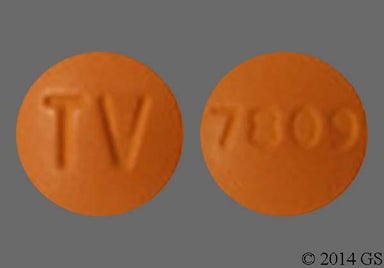
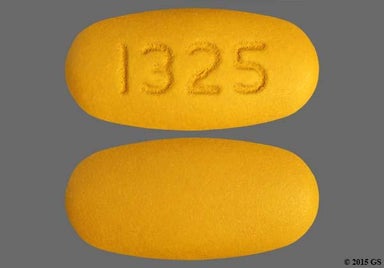
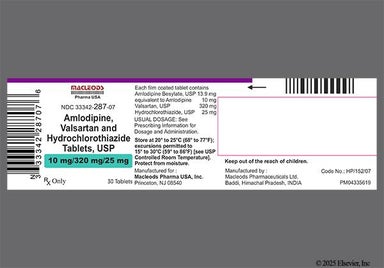
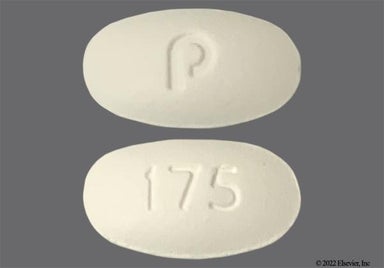
Exforge HCT images