



Alzheimer’s Medications: Comparing Your Treatment Options
Alzheimer’s-related dementia can be treated with oral, topical, and IV medications. Learn about the best treatments for Alzheimer’s, including side effects.
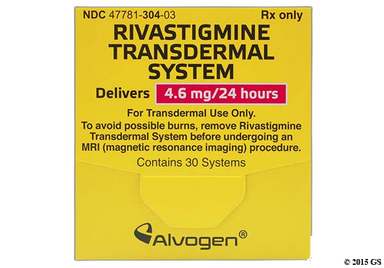
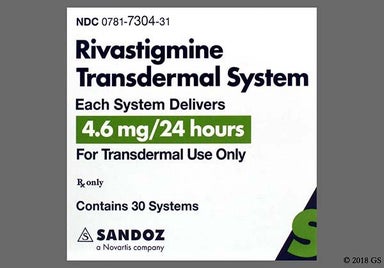
The rivastigmine patch, also known by its brand name Exelon, is an acetylcholinesterase inhibitor. It's approved for adults to help with symptoms of dementia related to Alzheimer's disease or Parkinson's disease. The rivastigmine patch (Exelon) is applied onto the skin once per day. The dosage typically depends on your response to the medication and your risk for side effects. Common side effects include nausea, vomiting, and diarrhea.

The rivastigmine patch (Exelon) is an acetylcholinesterase inhibitor. It's not completely known how the medication helps treat dementia. But it's thought to work by blocking a protein called cholinesterase. It causes a natural chemical called acetylcholine to stick around in your brain longer. This helps your brain cells communicate with each other better, which is important for memory, attention, and thinking skills.
| Common Brands | Exelon |
|---|---|
| Drug Class | Acetylcholinesterase inhibitor |
| Controlled Substance Classification | Not a controlled medication |
| Generic Status | Lower-cost generic available |
| Availability | Prescription only |

The following side effects may get better over time as your body gets used to the medication. Let your healthcare provider know immediately if you continue to experience these symptoms or if they worsen over time.
Contact your healthcare provider immediately if you experience any of the following.
Along with its needed effects, a medicine may cause some unwanted effects. Although not all of these side effects may occur, if they do occur they may need medical attention.
Check with your doctor immediately if any of the following side effects occur:
More common
Bladder pain
bloody or cloudy urine
difficult, burning, or painful urination
frequent urge to urinate
lower back or side pain
Less common
Blurred vision
dizziness
headache
loss of bladder control
nervousness
pounding in the ears
slow or fast heartbeat
Rare
Abdominal or stomach pain or tenderness
arm, back, or jaw pain
chest pain, tightness, heaviness, or discomfort
confusion
convulsions
decreased urine
difficult or troubled breathing
dilated neck veins
extreme fatigue
false beliefs that cannot be changed by facts
irregular breathing
irregular heartbeat
loss of consciousness
rapid breathing
seizures
severe nausea or vomiting
shortness of breath
sunken eyes
swelling of the face, fingers, feet, or lower legs
wrinkled skin
Get emergency help immediately if any of the following symptoms of overdose occur:
Symptoms of overdose
Blurred vision
dizziness, faintness, or lightheadedness when getting up suddenly from a lying or sitting position
increasing muscle weakness
irregular, fast or slow, or shallow breathing
pale or blue lips, fingernails, or skin
slow or irregular heartbeat
sweating
unusual tiredness or weakness
watering of mouth
Some side effects may occur that usually do not need medical attention. These side effects may go away during treatment as your body adjusts to the medicine. Also, your health care professional may be able to tell you about ways to prevent or reduce some of these side effects. Check with your health care professional if any of the following side effects continue or are bothersome or if you have any questions about them:
More common
discouragement
fear
feeling of constant movement of self or surroundings
feeling sad or empty
irritability
lack of appetite
lack or loss of strength
loss of interest or pleasure
redness at the application site
sensation of spinning
stomach pain
tiredness
trouble concentrating
trouble sleeping
upper stomach pain
vomiting
Rare
Blindness
burning, stinging, or pain at application site
continuing ringing or buzzing or other unexplained noise in the ears
decreased vision
difficulty with moving
hearing loss
itchy skin
muscle pain or stiffness
pain in the joints
pale skin
tearing
troubled breathing with exertion
unusual bleeding or bruising
Other side effects not listed may also occur in some patients. If you notice any other effects, check with your healthcare professional.
Call your doctor for medical advice about side effects. You may report side effects to the FDA at 1-800-FDA-1088.




Rivastigmine patch (Exelon) can cause some serious health issues. This risk may be even higher for certain groups. If this worries you, talk to your doctor or pharmacist about other options.
Even though the rivastigmine patch (Exelon) is placed on the skin, it can cause stomach-related side effects, such as nausea, vomiting, diarrhea, and a loss of appetite. Severe or long-lasting side effects could potentially lead to dehydration and some weight loss. Stomach-related side effects are more likely to happen if you take higher doses of the patch or if your dose gets raised too quickly.
Always use the rivastigmine patch (Exelon) exactly as prescribed. If you miss more than 3 days of the medication, contact your prescriber. They might tell you to restart at a lower dose to avoid these side effects.
You might have skin irritation where you apply the rivastigmine patch (Exelon). This irritation typically improves within 48 hours of removing the patch.
But look out for skin reactions that spread further than the patch size; worsening redness, swelling, or blisters on the skin; or skin reactions that don't go away after a few days of removing the patch. These can be signs of an allergic skin reaction. Contact your prescriber right away if you have these symptoms so they can discuss with you about your options.
Rivastigmine patch (Exelon) raises the levels of acetylcholine in your body, which can affect other functions of the body and cause other side effects.
For example, rivastigmine patch (Exelon) can cause or worsen movement problems, including shaking (tremors). The medication can also cause you to have more stomach acid, putting you at risk for stomach ulcers and stomach bleeding. In addition, it can slow down your heart rate, which can put you at risk of fainting or falling. Rivastigmine patch (Exelon) can also worsen breathing problems in people with asthma or chronic obstructive pulmonary disease (COPD).
Make sure your care team knows about all of your medical conditions and medications you take. This will help your prescriber decide what rivastigmine patch (Exelon) dose is safe for you and how often you should follow up with them.


Although certain medicines should not be used together at all, in other cases two different medicines may be used together even if an interaction might occur. In these cases, your doctor may want to change the dose, or other precautions may be necessary. When you are taking this medicine, it is especially important that your healthcare professional know if you are taking any of the medicines listed below. The following interactions have been selected on the basis of their potential significance and are not necessarily all-inclusive.
Using this medicine with any of the following medicines is not recommended. Your doctor may decide not to treat you with this medication or change some of the other medicines you take.
Using this medicine with any of the following medicines is usually not recommended, but may be required in some cases. If both medicines are prescribed together, your doctor may change the dose or how often you use one or both of the medicines.
Using this medicine with any of the following medicines may cause an increased risk of certain side effects, but using both drugs may be the best treatment for you. If both medicines are prescribed together, your doctor may change the dose or how often you use one or both of the medicines.


Contraindications are specific health conditions or situations in which a person should not take a medication due to safety concerns. If you have any of the following conditions or if any of the following apply to you, let your healthcare provider know because Rivastigmine patch (Exelon) will not be safe for you to take.





Prescription savings
Stop paying too much for your prescriptions. Compare prices, get pharmacy coupons, and save up to 80%.Resources
About GoodRx
 Find expert answers to your health questions so you can make the best decisions for yourself and your family.
Health conditions
Medications & treatment
Access & affordability
Well-being
Medication discounts

Studies show that it can take a few months of using the Exelon before you see significant improvements in cognitive scores. Discuss with the prescriber if you or your caregiver is concerned about how well the Exelon is working or how long it's taking to help with symptoms of dementia.
It's not exactly clear how long the Exelon can work for. Although it doesn't cure dementia, studies show that the medication can work for at least 1.5 years to help with memory and thinking. Other studies suggest that cholinesterase inhibitors like the Exelon might be able to help manage dementia over time for even several years. Your prescriber will probably recommend that you continue using the Exelon as long as it's helping your dementia and as long as you're not having any intolerable side effects.
There isn't any clinical evidence suggesting that the Exelon makes dementia worse. Contact your prescriber if you're concerned with how well the Exelon is working for you. They can look into adjusting your dose or making a change in your treatment plan.
Stopping the Exelon could possible cause your dementia to worsen. In addition, some people have experienced certain withdrawal symptoms after suddenly stopping the medication. Contact your prescriber for further instructions if you're interested in stopping treatment with the Exelon.
Both donepezil and rivastigmine can help with dementia related to Alzheimer's disease. They belong to the same drug class and they work similarly. Studies suggest that they work just as well as each other. But they do have some differences. Donepezil pills (Aricept)Exelon are taken once per day, whereas rivastigmine pills is taken twice per day. They're also both available as patches that are worn on the skin: the donepezil patch (Adlarity) is applied once per week, but the Exelon is applied once per day. Contact your prescriber if you have specific questions about the differences between donepezil and Exelon.
The Exelon can have interactions with a few medications that could be harmful. Don't take anticholinergic medications with the patch on because they can affect how well each other work. Also don't take cholinergic agonists while you're using the patch because the medications have similar risks. In addition, beta blockers and the Exelon can slow your heart rate down and make you lightheaded. It's not recommended to take metoclopramide (Reglan) with the patch on because this combination raises the risk for uncontrollable movement problems called extrapyramidal symptoms. Tell your care team about all of the medications you're taking and planning to take. Your care team can make sure your medications are safe to take together.
Place the Exelon onto clean, dry, and hairless skin. You can put the patch onto few areas on the body: the left or right upper arm; or the left or right side of the chest, upper back, or lower back. The back is a good choice if the person wearing the patch might take it off. Don't apply the patch onto any areas with red, irritated, burned, or cut skin. Also avoid areas where the patch can get rubbed off by tight clothing or belts. Choose a different spot to apply the Exelon each time to prevent skin irritation; don't use the same area within 14 days. Ask your pharmacist or prescriber if you have other questions about where to place the Exelon.
Yes. Some people might be able to switch from the Exelon patch to the capsules if they develop an allergic skin reaction from the patch. Keep in mind that the capsules are swallowed whole and taken twice a day. Stomach-related side effects seem to be more common with the capsules than the patches. Talk to your prescriber if you develop an allergic skin reaction to the patch or if you're interesting in switching between rivastigmine products.
