


Impetigo Treatment: How to Banish This Contagious Skin Infection for Good
Impetigo is a skin rash that requires more than over-the-counter creams. Get to know impetigo treatments and what you can do to get rid of this skin infection.
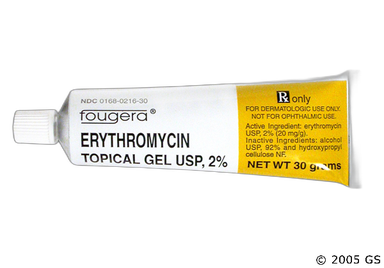
Erythromycin (Erygel) is an effective topical antibiotic medication used to treat acne. Similar to other topical acne medications, it can cause peeling, burning, and dryness of the skin. It can take up to 8 weeks to see any improvements in your acne.

Erythromycin (Erygel) is a macrolide antibiotic. It treats your acne by preventing acne-causing bacteria from producing important nutrients they need to survive. It also contains alcohol, which helps to dry out acne-affected areas of skin.
| Common Brands | Erygel, Ery |
|---|---|
| Drug Class | Macrolide antibiotic |
| Controlled Substance Classification | Not a controlled medication |
| Generic Status | Lower-cost generic available |
| Availability | Prescription only |

The following side effects may get better over time as your body gets used to the medication. Let your healthcare provider know immediately if you continue to experience these symptoms or if they worsen over time.
Contact your healthcare provider immediately if you experience any of the following.
Along with its needed effects, a medicine may cause some unwanted effects. Although not all of these side effects may occur, if they do occur they may need medical attention.
Check with your doctor as soon as possible if any of the following side effects occur:
Rare
Eye irritation not present before therapy
Other side effects not listed may also occur in some patients. If you notice any other effects, check with your healthcare professional.
Call your doctor for medical advice about side effects. You may report side effects to the FDA at 1-800-FDA-1088.




Erythromycin (Erygel) can cause some serious health issues. This risk may be even higher for certain groups. If this worries you, talk to your doctor or pharmacist about other options.
Like all antibiotics, erythromycin (Erygel) can cause diarrhea, because it gets rid of the good bacteria in your gut. However, this is very rare with topical medications. In rare cases, this diarrhea is caused by a bacteria called Clostridioides difficile (commonly called C. diff) that is usually kept under control by your gut bacteria. C. diff diarrhea is very contagious and can lead to life-threatening dehydration. If you have C. diff, be sure to wash your hands with soap for 20 seconds frequently and try to use a different bathroom from anyone living with you until you are better. Taking probiotic supplements while using erythromycin (Erygel) might help prevent this problem. Having bowel problems, like Crohn's disease and ulcerative colitis, raises your risk of C. diff diarrhea while using antibiotics. Tell your provider if you have inflammatory bowel problems or have ever had severe diarrhea after using antibiotics before.
You should only use erythromycin (Erygel) as prescribed by your provider. Using too much erythromycin (Erygel) or for too long can lead to growth of bacteria that's resistant to many antibiotics (drug-resistant bacteria), which are much harder to treat.

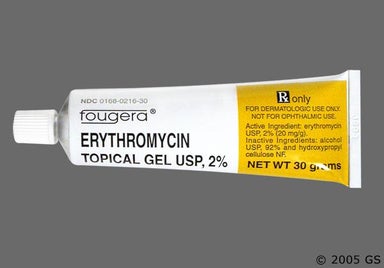
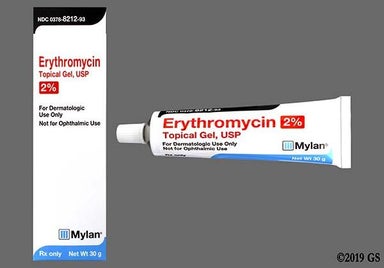
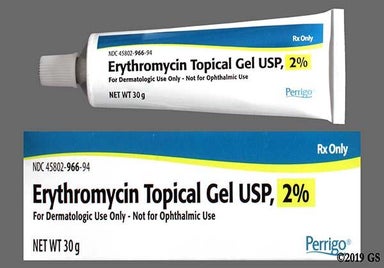
 Tube of gel
| Dosage | Quantity | Price as low as | Price per unit |
|---|---|---|---|
| 60g of 2% | 1 tube | $34.66 | $34.66 |
| 30g of 2% | 1 tube | $27.60 | $27.60 |
Before using the medication, wash your skin with warm water and soap, and pat dry.

Although certain medicines should not be used together at all, in other cases two different medicines may be used together even if an interaction might occur. In these cases, your doctor may want to change the dose, or other precautions may be necessary. When you are taking this medicine, it is especially important that your healthcare professional know if you are taking any of the medicines listed below. The following interactions have been selected on the basis of their potential significance and are not necessarily all-inclusive.
Using this medicine with any of the following medicines is usually not recommended, but may be required in some cases. If both medicines are prescribed together, your doctor may change the dose or how often you use one or both of the medicines.










Prescription savings
Stop paying too much for your prescriptions. Compare prices, get pharmacy coupons, and save up to 80%. Find expert answers to your health questions so you can make the best decisions for yourself and your family.
Health conditions
Medications & treatment
Access & affordability
 Our monthly healthcare membership can help you save thousands on your prescription costs.
Resources

It can take a few weeks for you to see improvements in your acne. If your acne doesn't look any better after 6 to 8 weeks or if it gets worse, talk to your provider. You might need a different medication to treat your acne.
You should wait until Erygel has completely dried and absorbed into your skin before applying moisturizer. When choosing a moisturizer, make sure to choose one that is oil-free and will not clog your pores.
No, Erygel should be kept at room temperature and in its original container.
Erygel is considered to be a safe medication to use during pregnancy. If you become pregnant, it's important to always speak with your provider first about whether you should continue to use any of your medications.
Erygel shouldn't be used with any other topical acne medications, unless your provider tells you to do so. Combining Erygel with other topical acne treatments can raise the risk of skin irritation. Ask your provider if using multiple topical acne medications is right for you.
