



12 Medications That Can Be Dangerous to Take If You’re Pregnant
Did you know warfarin and some acne medications can harm a developing fetus? Review which medications are the most dangerous to take during pregnancy.
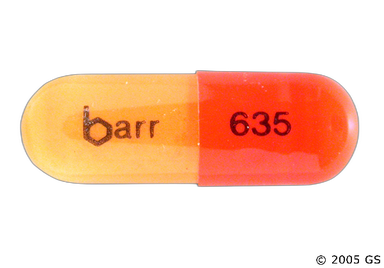
Danazol treats endometriosis (a painful condition involving the tissue of your uterus), but it's not a first-choice medication because of the side effects.

Danazol is a gonadotropin inhibitor (blocker), which works to lower sex hormones in your body. By blocking some of these hormones, danazol stops tissue growth inside and around your uterus.
| Common Brands | Danocrine |
|---|---|
| Drug Class | Gonadotropin inhibitor |
| Controlled Substance Classification | Not a controlled medication |
| Generic Status | Lower-cost generic available |
| Availability | Prescription only |

The following side effects may get better over time as your body gets used to the medication. Let your healthcare provider know immediately if you continue to experience these symptoms or if they worsen over time.
Contact your healthcare provider immediately if you experience any of the following.
Along with its needed effects, a medicine may cause some unwanted effects. Although not all of these side effects may occur, if they do occur they may need medical attention.
Check with your doctor immediately if any of the following side effects occur:
For both females and males
Less common
dark-colored urine
increased oiliness of the hair or skin
muscle cramps or spasms
rapid weight gain
swelling of the feet or lower legs
unusual tiredness or weakness
Rare
Bleeding gums
bloating, pain, or tenderness of the abdomen or stomach
blood in the urine
burning, numbness, pain, or tingling in all fingers except the smallest finger
changes in vision
chills
complete or partial numbness or weakness on one side of body
coughing up blood
difficulty with speaking
difficulty with swallowing
discharge from the nipple
fast heartbeat
headache
hives or other skin rash
joint pain
light-colored stools
loss of appetite (continuing)
loss of muscle coordination
more frequent nosebleeds
muscle aches
purple- or red-colored, or other spots on the body or inside the mouth or nose
restlessness
shortness of breath
sweating
tingling, numbness, or weakness in the legs, which may move upward to the arms, trunk, or face
unusual bruising or bleeding
unusual tiredness, weakness, or general feeling of illness
vomiting
yellow eyes or skin
For females only
Rare
Enlarged clitoris
hoarseness or deepening of voice
unnatural hair growth
For males only
Rare
Changes in semen
decrease in the size of the testicles
Some side effects may occur that usually do not need medical attention. These side effects may go away during treatment as your body adjusts to the medicine. Also, your health care professional may be able to tell you about ways to prevent or reduce some of these side effects. Check with your health care professional if any of the following side effects continue or are bothersome or if you have any questions about them:
For both females and males
Less common
Flushing or redness of the skin
mood or mental changes
nervousness
Rare
Increased sensitivity of the skin to sunlight
Other side effects not listed may also occur in some patients. If you notice any other effects, check with your healthcare professional.
Call your doctor for medical advice about side effects. You may report side effects to the FDA at 1-800-FDA-1088.




Danazol can cause some serious health issues. This risk may be even higher for certain groups. If this worries you, talk to your doctor or pharmacist about other options.
 Danazol can harm an unborn baby. Women who are pregnant or planning for pregnancy can't take this medication. Your healthcare provider may ask you to take a pregnancy test before starting danazol.
Some people taking danazol have had strokes and blood clots. Don't take this medication if you’re likely to get blood clots. Call your healthcare provider right away if you have chest, arm, back, or neck pain; coughing up blood; numbness or weakness on one side of your body; trouble speaking or thinking; change in balance or change in eyesight; shortness of breath; or swelling, warmth, or pain in the leg or arm.
People taking danazol for a long time are at higher risk for liver disease, which can lead to bleeding in the liver and liver damage. Contact your healthcare provider if you notice signs of liver problems (like dark urine, feeling tired, upset stomach, throwing up, or yellowing of your skin or eyes).
Some people taking danazol have had increased blood pressure in the brain. This can cause long-lasting loss of eyesight and sometimes death. Call your healthcare provider right away if you have a bad headache, nausea, vomiting, or change in eyesight.


Although certain medicines should not be used together at all, in other cases two different medicines may be used together even if an interaction might occur. In these cases, your doctor may want to change the dose, or other precautions may be necessary. When you are taking this medicine, it is especially important that your healthcare professional know if you are taking any of the medicines listed below. The following interactions have been selected on the basis of their potential significance and are not necessarily all-inclusive.
Using this medicine with any of the following medicines is not recommended. Your doctor may decide not to treat you with this medication or change some of the other medicines you take.
Using this medicine with any of the following medicines is usually not recommended, but may be required in some cases. If both medicines are prescribed together, your doctor may change the dose or how often you use one or both of the medicines.
Using this medicine with any of the following medicines may cause an increased risk of certain side effects, but using both drugs may be the best treatment for you. If both medicines are prescribed together, your doctor may change the dose or how often you use one or both of the medicines.






Prescription savings
Stop paying too much for your prescriptions. Compare prices, get pharmacy coupons, and save up to 80%. Find expert answers to your health questions so you can make the best decisions for yourself and your family.
Health conditions
Medications & treatment
Access & affordability
Medication discounts

Although Danazol works well to lessen pain caused by endometriosis, it has some side effects that are hard to tolerate, such as acne, muscle cramps, swelling, deeper voice, hair growth (usually on face, chest and back), and weight gain.
Yes, it raises free testosterone in the body which is why it can cause some of the side effects mentioned before (acne, muscle cramps, swelling, deepening of voice, hair growth (usually on face, chest and back) and weight gain).
Yes, take Danazol during your period to make sure you are not pregnant while using Danazol. You can't use Danazol while pregnant because it can damage or harm your unborn baby. This is why it's best to start the medication during your menstrual cycle (period). You must also use a non-hormonal form of birth control, such as condoms, while taking Danazol.
No, the first-choice medications used for the treatment of pain related to endometriosis are combined (estrogen and progestin) birth control pills. These help with pain, have very few side effects, are affordable and easy to use.
There have been cases of some liver problems reported in people who have taken Danazol for a long time. This is why your healthcare provider will monitor your blood work to make sure you are safe.

