Key takeaways:
Ramsay Hunt syndrome is a rare form of shingles that causes paralysis of the face muscles, ear pain, and a rash over or inside the ear.
Valacyclovir and prednisone can help treat Ramsay Hunt syndrome.
Treatments that can help ease symptoms from Ramsay Hunt syndrome include cool compresses, anti-nausea medications, artificial tears, and saliva substitutes.
Ramsay Hunt syndrome is a type of shingles. After people recover from chickenpox (varicella-zoster), the virus continues to live quietly within the body’s nervous system. Sometimes, the virus “wakes up” or reactivates, and that’s what causes shingles.
People develop Ramsay Hunt syndrome when the varicella-zoster virus wakes up inside the facial nerve, the seventh cranial nerve. The facial nerve controls facial movement and taste. Sometimes, the eighth cranial nerve, which controls hearing and balance, can also be affected.
Symptoms of Ramsay Hunt syndrome include:
Paralysis of the face muscles on one side of the face
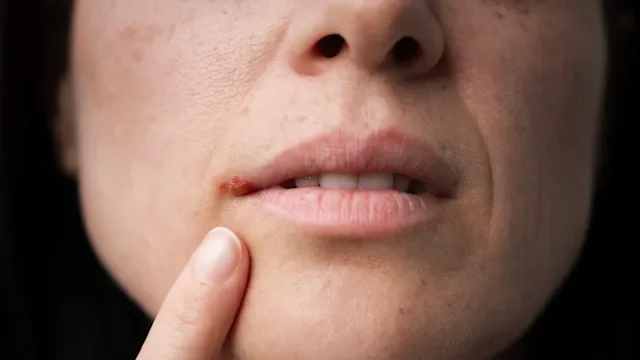
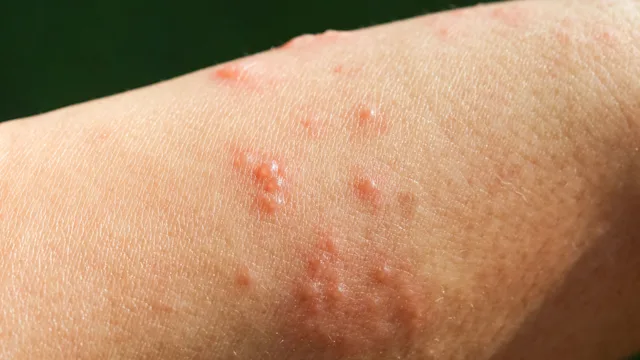
A painful shingles rash on the outside of the ear, inside the ear canal, or on the tongue
A loss or change in taste
Vertigo or dizziness
Ear ringing or changes in hearing
Ramsay Hunt syndrome is a painful and uncomfortable condition. Without treatment, some of these symptoms can become permanent. If you’ve been diagnosed with Ramsay Hunt syndrome, getting the right treatment can help you recover and keep you comfortable. Here’s what you should know about your treatment options.
1. Valacyclovir
Valacyclovir (Valtrex) is an antiviral medication that helps the body fight the varicella-zoster virus. It’s one of two crucial treatments for Ramsay Hunt syndrome. People who start taking antiviral medications within 3 days of the start of their symptoms are more likely to have a full recovery. The longer you wait to start antiretroviral medication, the less likely you are to have a complete recovery. This means your symptoms can get better, but they might not go away entirely.
Valacyclovir is only available by prescription and comes as a pill. Most people need to take the medication 3 times a day for 7 to 10 days.
Your healthcare provider may prescribe acyclovir (Zovirax) or famciclovir instead of valacyclovir. These are other antiretroviral medications from the same class as valacyclovir. There’s some evidence that valacyclovir and famciclovir work better than acyclovir for Ramsay Hunt syndrome. But acyclovir is cheaper and easier to find. So, experts stop short of recommending one of these medications as the “best” option for treating Ramsay Hunt syndrome. Instead, they recommend starting one of these medications as soon as possible.
2. Prednisone
Studies show that adding steroids to antiretrovirals increases the chances of people making a full recovery from Ramsay Hunt syndrome. Steroids help calm the inflammation caused by the varicella-zoster virus.
Prednisone is the most commonly used steroid for treatment of Ramsay Hunt syndrome. It is only available by prescription. Most people need to take 2 doses per day for at least 5 days. Some people will need to take steroids for a longer period of time, depending on whether they have more severe symptoms.
3. Gabapentin
Gabapentin (Neurontin) is a medication that is used to treat nerve pain. Varicella-zoster causes inflammation around the nerves, which leads to a type of nerve pain called neuralgia. Neuralgia can feel like a sharp shock and travels all the way down the nerve into the nerve endings. These shocks can come and go throughout the day and night. Some shocks can last seconds while others can last longer. Neuralgia can continue even after other symptoms from Ramsay Hunt start to improve. It can be very painful, which is why treatment is so important.
Gabapentin is one option to help manage neuralgia. But there are other treatment options that can help too. Many people find relief with carbamazepine (Tegretol), which is a medication that is used to treat seizures but can also help relieve pain from neuralgia. Sometimes tricyclic antidepressants can be used to treat neuralgia pain. But these medications are not FDA approved to treat neuralgia. You may need to try one or more of these medications to find complete relief from neuralgia pain.
4. Tylenol
Neuralgia isn’t the only type of pain people experience with Ramsay Hunt syndrome. The rash from Ramsay Hunt is quite painful on its own. And swelling around the face and ear from Ramsay Hunt can be very uncomfortable too.
For this type of pain, you can try acetaminophen (Tylenol) for relief. Tylenol can ease inflammation and relieve local pain from the rash. Tylenol is available over the counter (OTC) and easy to find in pharmacies and grocery stores. Simply follow the directions on the package for doses and how often to use the mediation.
It’s a good idea to stay away from OTC pain relievers that contain ibuprofen (Advil, Motrin). Taking ibuprofen along with steroids can increase your chance of developing an ulcer. If you can’t take Tylenol because of a medical condition, talk to your healthcare provider about other pain-relief options. They may offer a prescription option.
If you’re not experiencing too much pain, you can also try a natural approach to pain management. Cool compresses can help relieve pain and swelling caused by the rash. You can make a cool compress at home using cold water and a clean towel. Simply rest your compress over your rash for 10 minutes. You can repeat this several times per day. If you use an ice pack, make sure to wrap it in a towel before applying it to your face. Applying ice directly to your skin can lead to a cold injury and make it harder for your skin to heal.
5. Artificial tears
Facial paralysis from Ramsay Hunt syndrome makes it difficult or impossible to completely close your eyelids. If your eyes can’t close overnight, your tears will evaporate quickly, which can lead to a condition called dry eye syndrome. Dry eye can be uncomfortable and can also increase your risk of developing corneal abrasions, which can impact your vision.
To help fight dry eye, you can use artificial tears and overnight eye lubricants. These treatments are available OTC and work to replace your natural tears. See an eye doctor if you develop dry eye from Ramsay Hunt syndrome. An eye doctor can examine the front part of your eye to make sure you’re not developing corneal abrasions or ulcers. They can also prescribe medications that treat dry eye if artificial tears and lubricants aren’t enough to keep your eyes comfortable.
6. Meclizine
Meclizine (Antivert) is an antihistamine that is FDA approved to treat vertigo. Many people with Ramsay Hunt syndrome develop vertigo because of the inflammation around their eighth cranial nerve. The vertigo can lead to vomiting, nausea, and trouble walking and maintaining balance.
Meclizine is available OTC but only in lower doses to treat motion sickness. Higher doses are available with a prescription. Most people need higher doses to treat vertigo. If meclizine doesn’t relieve your vertigo, your healthcare provider may offer alternative medications.
7. Saliva substitutes
Many people with Ramsay Hunt syndrome develop dry mouth because they aren’t able to completely close their lips due to facial paralysis. Over time, dry mouth can lead to difficulty chewing, trouble swallowing, and tooth decay.
But saliva substitutes can help treat dry mouth and make it easier to eat and protect your teeth and gums. Saliva substitutes come as gels, liquids, sprays, and lozenges, and are available OTC. Examples include Biotene and BioXtra.
If you develop dry mouth from Ramsay Hunt syndrome, talk to your dentist. They may want to see you more often to keep a close eye on your oral health. They may also offer prescription options to treat your dry mouth like pilocarpine (Salagen) or cevimeline (Evoxac).
How long does Ramsay Hunt syndrome last?
It depends. The rash from Ramsay Hunt syndrome starts to scab over within a week. Once the rash has scabbed over, you can no longer pass the varicella-zoster virus to others.
Other symptoms, like facial paralysis, dizziness, and changes in taste take longer to go away. Most people notice their symptoms improve gradually over weeks to months. It can take up to a year for some people to fully recover.
The good news is that most people will fully or almost completely recover from Ramsay Hunt syndrome. And even if your symptoms don’t completely resolve, there are still many treatment options that can help. If you have ongoing symptoms after 6 to 8 weeks, talk to your healthcare provider about other treatment options for your symptoms.
The bottom line
Ramsay Hunt syndrome is a type of shingles that affects the face, tongue, and ear. It can cause facial paralysis, a painful rash, and taste and hearing changes. It can be treated with antiviral medications like acyclovir and valacyclovir and steroids. The sooner you start treatment, the more likely you are to fully recover. Other treatments help ease symptoms from Ramsay Hunt syndrome. There are medications that can help with pain, dry mouth, dry eye, and vertigo from Ramsay Hunt syndrome.

Why trust our experts?



References
Crouch, A. E., et al. (2023). Ramsay Hunt syndrome. StatPearls.
MedlinePlus. (2022). Neuralgia.
Monsanto, R. D. C., et al. (2016). Treatment and prognosis of facial palsy on Ramsay Hunt syndrome: Results based on a review of the literature. International Archives of Otorhinolaryngology.
Pergam, S. A., et al. (2009). Varicella zoster virus (VZV). American Journal of Transplantation.
Sweeney, C. J., et al. (2001). Ramsay Hunt syndrome. Journal of Neurology, Neurosurgery and Psychiatry.
Tsau, P., et al. (2020). Clinical presentations and outcome studies of cranial nerve involvement in herpes zoster infection: A retrospective single-center analysis. Journal of Clinical Medicine.