Key takeaways:
Shingles is caused by the varicella-zoster virus, the same virus that causes chickenpox. People who have shingles can’t pass the rash to others. But they can pass the varicella-zoster virus and cause someone else to get chickenpox.
People who are sick with shingles are contagious for about 7 to 10 days. That’s how long it usually takes for the fluid-filled blisters of a shingles rash to dry out.
Antiviral medications, like acyclovir and valacyclovir, shorten the amount of time you’re contagious. But you need to start these medications within 72 hours of getting a shingles rash.
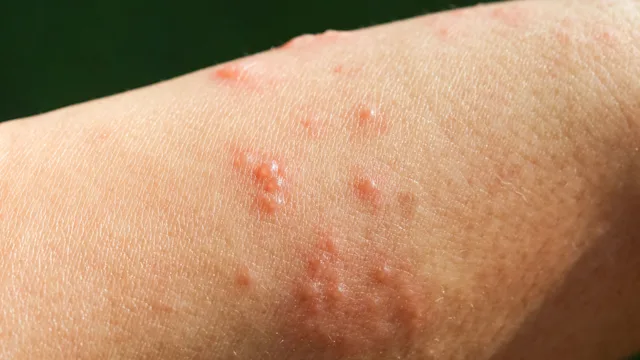
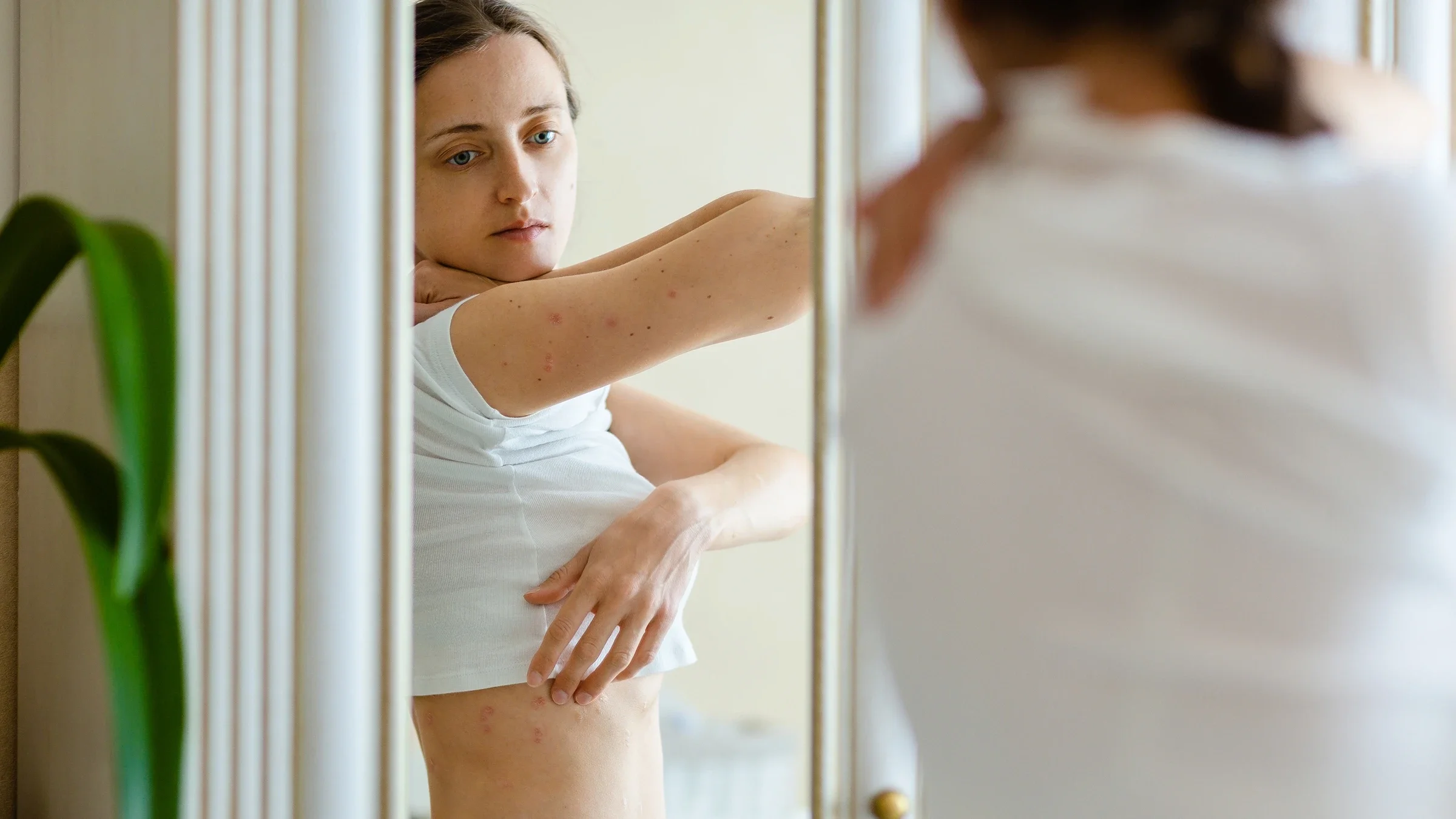
Shingles (herpes zoster) is a painful rash caused by the varicella-zoster virus — the same virus that causes chickenpox. People with shingles can develop groups of painful, fluid-filled blisters anywhere on their body. But the blisters usually appear along the rib cage.
After a chickenpox illness, the varicella-zoster virus can live quietly in the body for decades. Sometimes, the virus can “wake up” (reactivate), and that’s when it causes shingles.
If someone in your home has shingles, here’s what you need to know about how long shingles is contagious.
Is shingles contagious?
Yes, if you have shingles rash with fluid-filled blisters, it’s contagious. These blisters carry the varicella-zoster virus, which you can spread to someone else. This virus can cause chickenpox in people who never had chickenpox or didn't receive the varicella vaccine. It can also lead to shingles for that person in the future.
Only the fluid-filled blisters are contagious. And you stop being contagious once those blisters scab over.
It’s important to note that you can’t spread shingles from person to person. In other words, you can’t catch shingles from someone who has shingles.
How long is a person with shingles contagious?
Shingles is only contagious until the blisters dry out and scab over. This usually takes about 7 to 10 days. It can take weeks for the rash to completely heal. But once the blisters are crusted over, it’s no longer contagious.
Keep in mind that you may feel sick before the rash appears. Many people have symptoms for several days, such as fever, headache, and fatigue. There may be pain, tingling, or burning in the skin where the rash will develop. But none of these things are contagious. Until fluid-filled blisters appear, you can’t spread the varicella-zoster virus to others.
When are people with shingles most contagious?
You’re most contagious when your shingles rash has fully formed blisters.
When the shingles rash first appears, you may only notice redness, swelling, and skin bumps. These skin changes don’t contain any varicella-zoster virus.
But then the rash turns into blisters. These blisters contain the varicella-zoster virus. If someone touches these blisters, they can pick up the virus. It’s also possible to pick up the virus if fluid from these blisters gets onto another person or on an object that another person uses.
Antiviral medications, like acyclovir and valacyclovir, can shorten how long a person with shingles is contagious. These medications stop new blisters from forming. They also help blisters heal faster. Instead of being contagious for 7 to 10 days, people who take antiviral medications may only be contagious for 5 to 8 days.
But in order for the medication to work, you should start taking it within 72 hours after the rash appears. So it’s important to see a healthcare professional quickly if you think you have shingles.
How do you know when shingles isn’t contagious anymore?
Once your rash has crusted over, and there are no new fluid-filled blisters, you’re no longer contagious. But keep in mind that it’s safe to be around other people if you have shingles. You just need to make sure that your rash stays completely covered at all times.
If the rash is on your face and you can’t keep it covered, it’s best to stay away from people who could get sick from the varicella-zoster virus until you’re no longer contagious.
Who is at highest risk of getting shingles?
First, remember that a person with shingles can’t pass the shingles rash to another person. But they can spread the varicella-zoster virus to anyone who isn’t immune to the virus. This includes:
Babies and young children who haven’t been vaccinated against chickenpox yet
Adults who never got chickenpox in childhood and weren’t vaccinated
Anyone with a weakened immune system
If these groups of people come into contact with the varicella-zoster virus, they can develop chickenpox. Although most people completely recover from chickenpox, serious complications can develop in infants, those who are pregnant, and people who have a weakened immune system.
Anyone who develops chickenpox is at risk for developing shingles later in life.
How is shingles transmitted?
To get the varicella-zoster virus from a person with shingles, your skin has to come in direct contact with fluid from the blistering shingles rash. As long as a person with shingles keeps their rash covered, they can’t transmit the varicella-zoster virus.
In rare cases, a person with shingles can spread the virus more easily — through respiratory droplets or the air. This only happens in disseminated shingles, a severe form of shingles.
Disseminated shingles cause a much more widespread rash that looks similar to chickenpox. People with weakened immune systems are at higher risk for developing disseminated shingles.
How can you prevent the spread of shingles?
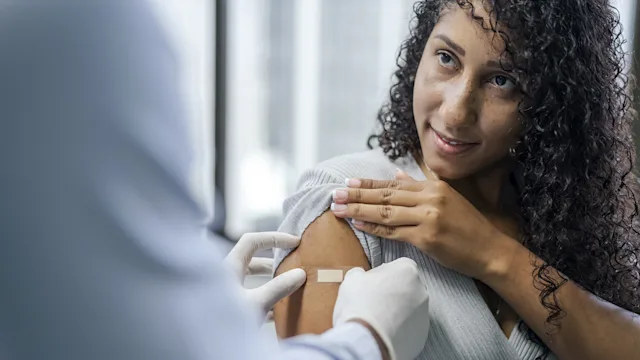
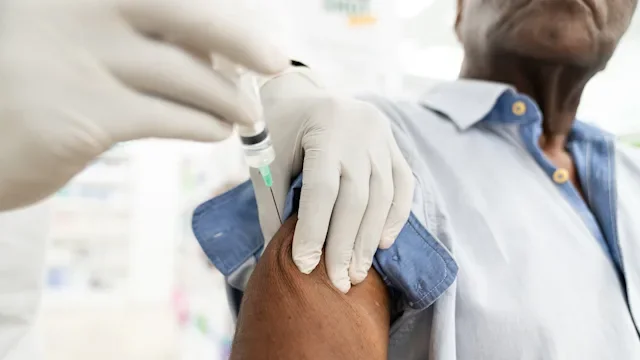
The best way to prevent spreading shingles is to avoid getting it in the first place. Shingrix is a highly effective vaccine that’s recommended for everyone age 50 and older. It’s a 2-dose series that’s more than 90% effective at preventing shingles.
If you have shingles, you can take steps to protect other people from coming in contact with the varicella-zoster virus:
Keep your rash covered. The varicella-zoster virus lives in the fluid inside the shingles blisters. So you can prevent spreading it by making sure people don’t accidentally touch the blisters. If you can’t cover the rash, make sure to stay away from anyone who’s at higher risk of getting varicella zoster until your rash heals.
Talk with a healthcare professional about starting an antiviral medication. You can shorten how long you’re contagious by taking an antiviral medication within 72 hours after the rash appears.
Stay away from people at high risk of illness from varicella zoster. People at higher risk for severe varicella-zoster illness include pregnant women, babies and young children, and older adults. Also at higher risk are people with compromised immune systems and those who have never had chickenpox or the chickenpox vaccine.
Frequently asked questions
The varicella-zoster virus may be able to live on surfaces for 1 or 2 hours. Transmission through contaminated surfaces is rare, but it has been reported.
It’s likely due to changes in your immune system. It’s possible for people with weakened immune systems to get shingles more than once. Plus, you’re more likely to get shingles the older you are, because your immune system becomes weaker over time. There’s some research to suggest that immune dysregulation after COVID-19 can also increase the risk.
It’s possible, but much less likely. Data from randomized, controlled clinical trials has found that the vaccine is nearly 91% effective for adults with healthy immune systems. On the other hand, it’s roughly 70% effective for adults with weakened immune systems.
The varicella-zoster virus may be able to live on surfaces for 1 or 2 hours. Transmission through contaminated surfaces is rare, but it has been reported.
It’s likely due to changes in your immune system. It’s possible for people with weakened immune systems to get shingles more than once. Plus, you’re more likely to get shingles the older you are, because your immune system becomes weaker over time. There’s some research to suggest that immune dysregulation after COVID-19 can also increase the risk.
It’s possible, but much less likely. Data from randomized, controlled clinical trials has found that the vaccine is nearly 91% effective for adults with healthy immune systems. On the other hand, it’s roughly 70% effective for adults with weakened immune systems.
The bottom line
People with shingles are contagious for as long as they have a rash with fluid-filled blisters. This is usually around 7 to 10 days. Antiviral medications can help the rash heal faster and shorten how long a person with shingles is contagious. If you have shingles, you can prevent spreading the varicella-zoster virus by keeping the rash covered until it crusts over.

Why trust our experts?




References
American Academy of Dermatology Association. (n.d.). Shingles: Who gets and causes.
Bereda G. (2025). Case report: A case report: chickenpox acquired through surface contamination: a rare clinical observation. F1000Research.
Centers for Disease Control and Prevention. (2024). Clinical overview of shingles (herpes zoster).
Centers for Disease Control and Prevention. (2025). Shingles vaccination.
Dameche, K., et al. (2025). Herpes zoster (HZ) over the past 10 years: A systematic review on trends, triggers, and post COVID-19 impact. Cureus.
Gnann Jr., J. W. (2007). Chapter 65, antiviral therapy of varicella-zoster virus infections. StatPearls.
Public Health Agency of Canada. (2026). Pathogen safety data sheets: Infectious substances – varicella-zoster virus.
Malek, M., et al. (2025). Chickenpox (varicella) in children: Symptoms, treatment & prevention. American Academy of Pediatrics.
Minnesota Department of Health. (2024). Managing herpes zoster (shingles) exposures in health care settings.
National Institute on Aging. (2025). Shingles.
Saguil, A., et al. (2017). Herpes zoster and postherpetic neuralgia: Prevention and management. American Family Physician.
Zeevaert, R., et al. (2023). Efficacy and safety of the recombinant zoster vaccine: A systematic review and meta-analysis. Vaccine: X.