Key takeaways:
Bell’s palsy causes sudden weakness or paralysis on one side of your face.
Experts don’t know the exact cause of Bell’s palsy. Viruses like herpes simplex virus type 1 (HSV-1), and conditions like diabetes and pregnancy, may increase your risk. Recent colds or flu infections may also increase your risk.
Treatment works best when it starts within 72 hours of symptoms beginning.
Bell’s palsy can be an alarming diagnosis because it causes sudden weakness or paralysis on one side of your face. Certain infections, health conditions, and other factors may trigger inflammation of your facial nerve. Learning about these possible causes can help you better understand why Bell’s palsy develops and what it may mean for your recovery.
What is Bell’s palsy?
Bell’s palsy is a medical condition that causes sudden weakness or paralysis on one side of your face.
Other conditions can also cause one-sided facial weakness and paralysis including:
A tumor affecting the facial nerve
Search and compare options
It’s important to get medical care right away if you develop sudden facial weakness or paralysis. Your healthcare team can determine whether you have Bell’s palsy or another condition that needs different treatment.
Experts still don’t know what causes Bell’s palsy. But research shows that some health conditions are linked to a higher chance of developing it. These conditions don’t directly cause Bell’s palsy. But they may make it more likely to happen. Here are five conditions that may raise your risk of Bell’s palsy.
1. Herpes simplex virus (HSV‑1)
Herpes simplex virus type 1 (HSV-1) is a common virus best known for causing cold sores. It’s the most common trigger for Bell's palsy. But experts haven't proven that it directly causes the condition.
Researchers think the virus may "wake up" after staying inactive in the body for years. This may lead to swelling around the facial nerve, which can affect the muscles on one side of your face. But since HSV-1 is very common, while Bell’s palsy is rare, experts think other factors may also play a role. Researchers are still studying why only some people with HSV-1 develop Bell’s palsy.
2. Varicella zoster virus (VZV)
Varicella-zoster virus (VZV) is another type of herpes virus. It’s best known for causing chickenpox and shingles. Researchers think it may also play a role in some cases of Bell’s palsy. But they haven’t been able to prove this yet.
When VZV causes shingles that affects the facial nerve, it can lead to facial paralysis and a painful rash. This condition is called Ramsay Hunt syndrome. Researchers know that VZV is the cause of this syndrome.
But VZV doesn’t always cause a rash. Researchers think the virus can sometimes affect the facial nerve without causing visible skin changes. When this happens, the symptoms can look just like Bell’s palsy. This means some people diagnosed with Bell’s palsy may actually have a VZV infection. Healthcare professionals aren’t always able to prove that these people have a VZV infection because testing isn’t always easy to do.
But this is one reason healthcare professionals often prescribe antiviral medication along with steroids for some people with Bell’s palsy.
3. Diabetes
People with diabetes are more likely to develop Bell’s palsy than people without diabetes. But diabetes doesn’t directly cause Bell’s palsy.
Instead, researchers think it may make the facial nerve more sensitive to injury. Diabetes can reduce blood flow to nerves and may also make it easier for viruses like HSV-1 to become active again. Together, these changes may raise the risk of Bell’s palsy and slow recovery in some people.
4. Pregnancy
Some research suggests that Bell’s palsy is more common during pregnancy, especially in the last few months of pregnancy and the first few weeks after giving birth. But pregnancy doesn’t directly cause Bell’s palsy. Instead, researchers think the changes that happen during pregnancy may make the facial nerve more vulnerable to injury. These changes include a weaker immune response, more fluid in the body that can put pressure on the facial nerve, and conditions like preeclampsia or gestational diabetes. Together, these changes may raise the risk of Bell’s palsy in some pregnant people.
5. Common cold viruses
Some people develop Bell’s palsy shortly after having a cold, the flu, or another upper respiratory infection. But common cold viruses and the flu don’t appear to directly cause Bell’s palsy. Instead, researchers think these illnesses create the right conditions for Bell’s palsy to develop. For example, HSV-1 may become more active again while your immune system is busy fighting a cold or the flu. This may trigger swelling around the facial nerve. Inflammation from a cold or flu may also make your facial nerve more vulnerable to injury. Together, these changes may raise the risk of Bell’s palsy.
What are the symptoms of Bell’s palsy?
Bell’s palsy usually affects one side of your face. Symptoms include:
Weakness or paralysis on one side of your face
Trouble smiling or making facial expressions
Difficulty closing one eye
Drooling
Headache
Changes in your sense of taste
Sounds seeming louder than usual in one ear
Changes in tear or saliva production
In rare cases, Bell’s palsy can affect both sides of your face.
How do you diagnose Bell’s palsy?
There’s no specific test that can diagnose Bell’s palsy. Your healthcare team can diagnose it by ruling out other conditions that can cause sudden facial weakness or paralysis, like stroke or Lyme disease.
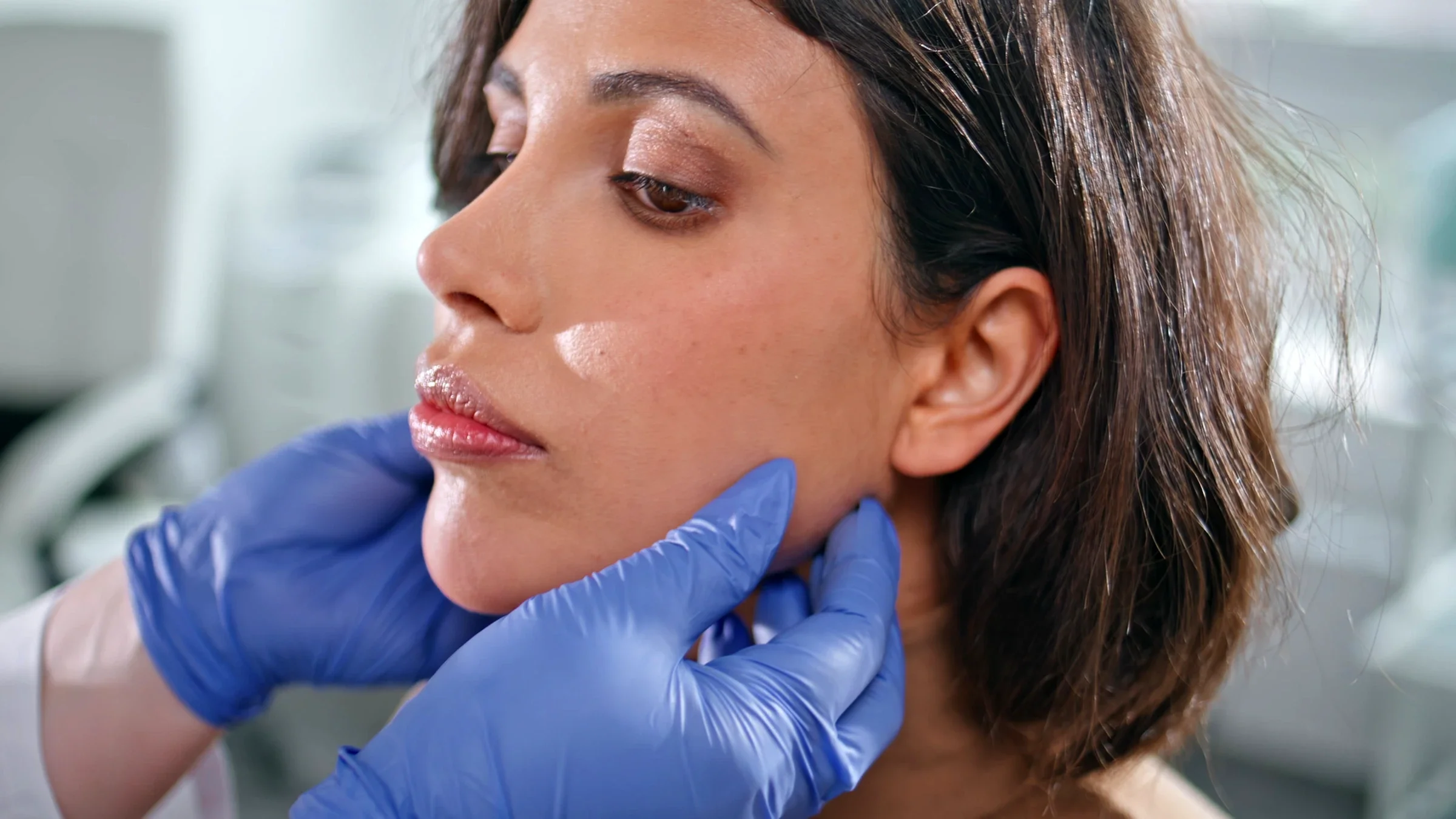
Your team will ask about your symptoms, review your medical history, and examine your face to see how well your facial muscles work. Depending on your symptoms, they may also order blood tests or imaging tests, such as an MRI or CT scan. These tests look for other possible causes, like Lyme disease, a stroke, or a tumor. If no other cause is found, your healthcare team may diagnose you with Bell’s palsy.
How do you treat Bell’s palsy?
There’s no cure for Bell’s palsy, but symptoms often start to get better within a few weeks. For many people, symptoms go away completely over the next 3 to 6 months.
Your healthcare team may recommend treatments to help speed recovery, ease symptoms, and protect your face while the facial nerve heals. These treatments may include:
Corticosteroids: These medicines help reduce swelling around your facial nerve.
Antiviral medication: Medicines like acyclovir or valacyclovir may be helpful for some people.
Pain relievers: Over-the-counter (OTC) medicines like acetaminophen (Tylenol) or ibuprofen (Advil, Motrin) can help relieve pain.
Eye care: Artificial tears and lubricating eye ointment can help protect your eye if you can’t fully close your eyelid.
Facial exercises: Facial exercises to help improve facial movement as you recover.
Frequently asked questions
The first signs of Bell’s palsy usually come on suddenly, over a few hours or 1 to 2 days. Early symptoms may include:
Pain behind or around one ear
Changes in your sense of taste
Sounds seeming louder than usual in one ear
A feeling of heaviness or mild weakness on one side of your face
Eye irritation, extra tearing, or trouble blinking
Facial weakness or paralysis usually becomes more noticeable after early symptoms start.
Avoid anything that can irritate your eyes, like wind, dust, and other irritants. It’s also a good idea to get plenty of rest and avoid activities that could injure the affected side of your face while it heals.
Don’t wait to get medical care if you think you have Bell’s palsy. Seek care as soon as you notice symptoms. Your healthcare team can make sure that your symptoms aren’t caused by another serious condition, like a stroke. Bell’s palsy treatment works best when it's started within 72 hours after symptoms begin.
The first signs of Bell’s palsy usually come on suddenly, over a few hours or 1 to 2 days. Early symptoms may include:
Pain behind or around one ear
Changes in your sense of taste
Sounds seeming louder than usual in one ear
A feeling of heaviness or mild weakness on one side of your face
Eye irritation, extra tearing, or trouble blinking
Facial weakness or paralysis usually becomes more noticeable after early symptoms start.
Avoid anything that can irritate your eyes, like wind, dust, and other irritants. It’s also a good idea to get plenty of rest and avoid activities that could injure the affected side of your face while it heals.
Don’t wait to get medical care if you think you have Bell’s palsy. Seek care as soon as you notice symptoms. Your healthcare team can make sure that your symptoms aren’t caused by another serious condition, like a stroke. Bell’s palsy treatment works best when it's started within 72 hours after symptoms begin.
The bottom line
Bell’s palsy can be frightening because it develops suddenly, but it often improves with time and early treatment. While researchers are still learning exactly what causes it, several infections and health conditions appear to make it more likely. If you notice new facial weakness or paralysis, seek medical care right away. Your healthcare team can rule out more serious conditions and start treatment as soon as possible.

Why trust our experts?



References
Dalrymple, S. N., et al. (2022). Belly palsy: Rapid evidence review. American Family Physician.
Furuta, Y., et al. (2000). High prevalence of varicella-zoster virus reactivation in herpes simplex virus-seronegative patients with acute peripheral facial palsy. Clinical Infectious Diseases.
Gilden, D. H., et al. (2004). Bell’s palsy. The New England Journal of Medicine.
Kurotschka, P. K., et al. (2026). Corticosteroids and antiviral treatment for Bell’s palsy (idiopathic facial paralysis). Cochrane Database of Systematic Reviews.
Lansing, L., et al. (2026). Risk factors for pregnancy-associated Bell’s palsy: A nationwide population-based register study. Acta Obstetricia et Gynecologica Scandinavica.
National Institute of Neurological Disorders and Stroke. (n.d.). Belly’s palsy.
Psillas, G., et al. (2021). Evaluation of effects of diabetes mellitus, hypercholesterolemia and hypertension on Bell’s palsy. Journal of Clinical Medicine.
Rajangam, J., et al. (2024). Bell palsy: Facts and current research perspectives. CNS & Neurological Disorders Drug Targets.
Stamatiou, I., et al. (2023). Diabetes mellitus and Bell's palsy. Current Diabetes Reviews.
Steiner, I., et al. (2007). The neurotropic herpes viruses: Herpes simplex and varicella-zoster. The Lancet Neurology.
Stornaiuolo, A., et al. (2023). Multiple cranial neuropathy due to varicella zoster virus reactivation without vesicular rash: A challenging diagnosis. Neurological Sciences.