Key takeaways:
Shingles causes painful blisters on one side of the face or body. The affected area can be large or small.
The early signs of shingles start even before the rash. These may include fever, headache, fatigue, skin pain, burning, or numbness.
Treating shingles early — within 3 days, if possible — helps to decrease complications, like chronic pain.
Save on related medications
Years after a chickenpox infection, the varicella-zoster virus (VZV) can wake up inside a nerve cell. When that happens, it causes an illness with a painful rash called shingles. About 1 million people have shingles each year in the U.S.
Shingles can cause lasting nerve pain in some people, especially if it’s not treated early. Recognizing the early signs of shingles can lead to faster treatment — and that lowers the risk of chronic nerve pain in the future.
Here are the early signs of shingles to look out for.
What are the early signs of shingles?
The best known sign of shingles is a painful or itchy rash in only one area of the face or body. But even before the rash appears, symptoms may include:
Pain or burning of the skin
Tingling or numbness
Fever or chills
Feeling tired
Headache
Changes in vision
Sensitivity to light
These symptoms can happen days before you see a rash. But you won’t know for sure if it’s shingles until a rash appears.
What does shingles look like?
Shingles can happen anywhere on the face or body. But it only happens on one side. It’s most common on the chest, back, and abdomen.
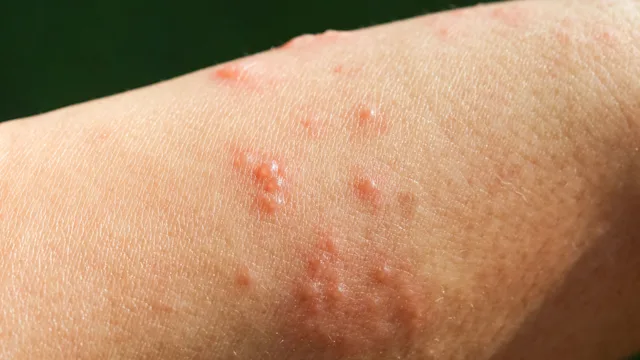
The size of the rash will depend on which nerve the virus has infected. Sometimes the rash looks like a small patch. Other times it looks like a larger strip. If the rash is on the chest or abdomen, it might wrap around one side of the body.
A shingles rash often occurs in stages:
First, red or purple patches and bumps appear.
Next, blisters form with clear or yellow fluid.
Last, the blisters crust over.
A shingles rash may feel itchy or like it’s burning. It may also cause stabbing or throbbing pain.
Less often, shingles happens with no rash. In that case, people may feel only pain or a burning sensation. Or they might have numbness or weakness in the area of one nerve. It’s much less common to have shingles with no rash. But it’s still important to have those symptoms checked out.
What should you do if you think you have shingles?
If you have a rash that looks like shingles, it’s important to talk to your healthcare team right away. There are treatments for shingles, but they work best if they’re started early — ideally within 72 hours of the rash appearing.
Treatment for shingles includes:
Antiviral medications, like acyclovir, valacyclovir, and famciclovir
Pain medications, like acetaminophen, ibuprofen, and naproxen
Sometimes anti-inflammatory medications, like prednisone, are used.
Treating shingles early with antiviral medications can help decrease the length and severity of the condition. It can also lower the risk of chronic nerve pain in the future.
Shingles can be especially dangerous when it affects the eye. That’s because it can cause permanent vision changes. Get medical attention right away if you have sores or blisters on any of these places:
Your forehead
The tip of your nose
Your cheeks
Your eyelids
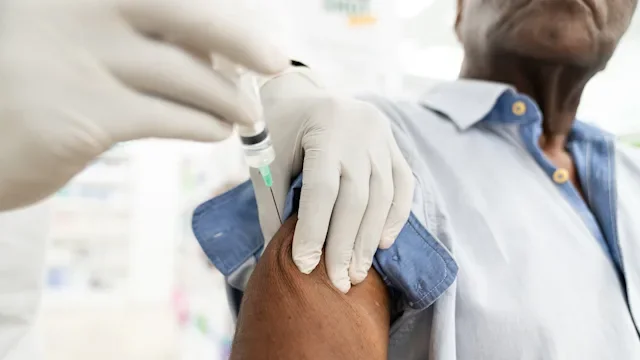
A shingles vaccine prevents most cases of shingles. And it could even lower the risk of dementia. The shingles vaccine is recommended for U.S. adults age 50 and older.
If you received the chickenpox (varicella) vaccine as a child, you’ll also have a lower risk of getting shingles when you’re older.
Frequently asked questions
Other rashes that could look like shingles include cold sores, allergic reactions, eczema, and poison ivy. Check with your healthcare team if you’re not sure.
Most cases of shingles are diagnosed clinically. That means it’s diagnosed based on your symptoms and how the rash looks.
Rarely, if the diagnosis is unclear, a blood test or a sample of blister fluid may help. But most often, you can receive treatment with a visit to a clinic or urgent care.
You can’t get shingles from another person.
But if you have shingles, and you’re near someone who hasn’t had chickenpox, they could get chickenpox from direct contact with the fluid from your shingles blisters. You can usually prevent this by keeping your rash covered. You won’t spread the virus before the rash breaks out, or after it crusts over.
Other rashes that could look like shingles include cold sores, allergic reactions, eczema, and poison ivy. Check with your healthcare team if you’re not sure.
Most cases of shingles are diagnosed clinically. That means it’s diagnosed based on your symptoms and how the rash looks.
Rarely, if the diagnosis is unclear, a blood test or a sample of blister fluid may help. But most often, you can receive treatment with a visit to a clinic or urgent care.
You can’t get shingles from another person.
But if you have shingles, and you’re near someone who hasn’t had chickenpox, they could get chickenpox from direct contact with the fluid from your shingles blisters. You can usually prevent this by keeping your rash covered. You won’t spread the virus before the rash breaks out, or after it crusts over.
The bottom line
Shingles is a common illness that comes with a painful, blistering rash in only one area of the skin. Symptoms that occur before the rash appears may include fever, headache, and skin pain or numbness.
Treating shingles early with antiviral medications helps to shorten the illness. Early treatment also lowers the risk of long-term nerve damage. Recognizing the early symptoms of shingles — especially knowing how to identify the rash — can help you get the right treatment at the right time.

Why trust our experts?



References
Centers for Disease Control and Prevention. (2025). About shingles (herpes zoster).
Fashner, J., et al. (2011). Herpes zoster and postherpetic neuralgia: Prevention and management. American Family Physician.
Zhou, J., et al. (2020). Zoster sine herpete: A review. The Korean Journal of Pain.