Key takeaways:
The standard treatment for genital herpes is oral antiviral medications. These include acyclovir, valacyclovir, and famciclovir.
Genital herpes treatment can also include daily low-dose medication to prevent future outbreaks and transmission. But not everyone needs this.
At-home symptom management during outbreaks includes taking pain medications and avoiding skin irritation.
Save on related medications
If you have genital herpes, you might be feeling confused by the different types of treatment options. It can be stressful to sift through all the facts out there. That’s especially true when different sources contain different snippets of information. Below, we’ve compiled all you need to know about treating genital herpes — whether it’s your first outbreak or you’ve had it for many years.
How to treat genital herpes
There’s no cure for genital herpes. Once you have the virus, there’s no way to completely eliminate it from your body. But there are ways to treat genital herpes. The main treatment for genital herpes is antiviral medication.
Antiviral medication can help:
Reduce symptoms during an active outbreak
Lessen the time it takes to heal during an active outbreak
Decrease the frequency and severity of recurrent outbreaks
Prevent the spread of genital herpes to others
Search and compare options
There are a few different medication options, but they all work the same way — by stopping the herpes virus from multiplying in the body. And there are different types of treatment strategies. The choice of strategy depends on your specific situation.
Antiviral medications for genital herpes
The three antiviral medications that are typically used to treat genital herpes are:
Acyclovir (Zovirax)
Valacyclovir (Valtrex)
Famciclovir (Famvir)
The antiviral you choose may depend on factors like availability, cost, and personal preference. Each medication has different dosage instructions, too, which may play a role in your decision. For example, acyclovir is taken 5 times a day, while valacyclovir is taken only twice a day.
Topical antivirals (in cream or ointment form) aren’t usually recommended because they don’t work as well as the oral versions.
Treatment regimens
Different situations call for different treatment regimens for genital herpes. Types of genital herpes treatment regimens include:
Initial outbreak: If this is your first outbreak, medication is typically prescribed for 7 to 10 days. The treatment course might be extended if the lesions are still healing.
Recurrent outbreak: Treatment for repeated outbreaks is usually shorter — under 1 week.
Prevention: Some people who have frequent outbreaks elect to take medication every day to help prevent future outbreaks. The medication dosage is lower, and taken once or twice a day.
Preventive treatment is generally safe to take in the long term. It doesn’t require any laboratory monitoring. But keep in mind the chance of recurrent outbreaks naturally goes down over time. So, you might reassess taking your medication periodically. Talk with a healthcare professional about this.
At-home pain and symptom relief
A genital herpes outbreak can cause a lot of pain and irritation in sensitive areas. But there are a few ways you can treat the discomfort at home:
Wear breathable, loose-fitting clothing and underwear: Synthetic fabrics can further irritate herpes lesions. Choose underwear made from cotton and opt for noncompressive underwear and pants.
Keep the affected area clean and dry: Clean the area with warm water or a warm saline solution, and pat the area dry with a towel afterward. Some people also find relief using a sitz bath.
Take oral pain medications: Oral nonsteroidal anti-inflammatory drugs (NSAIDs) like ibuprofen or naproxen can help with pain and inflammation. Another pain-relief option to consider is acetaminophen.
Use topical pain medications: Lidocaine gel applied directly to the lesions can further help numb the area to address pain.
Numb the area with a cold compress: Wrap an ice pack in cloth or apply it over your underwear for a few minutes at a time. This can help to lessen the pain associated with herpes lesions. You can do this several times per day as needed for relief.
If your discomfort is worsening or doesn’t improve with these at-home measures, be sure to reach out to your healthcare team. They may be able to prescribe other pain-relief options. And they can evaluate whether the infection is healing appropriately.
When to get care for genital herpes
It’s OK to treat a recurrent genital herpes outbreak at home if you have the treatment you need. But if this is your first genital herpes outbreak — or you’re not sure if you’re having an outbreak — it’s a good idea to reach out to a healthcare professional. They can help to confirm the diagnosis and prescribe the appropriate antiviral treatment.
Other situations where it’s best to get care include:
Genital lesions that aren’t healing as expected
Pain, redness, or irritation that’s worsening over time despite treatment
Genital herpes outbreaks during pregnancy
Frequent genital herpes outbreaks
Outbreaks associated with severe symptoms like headache, confusion, or abdominal pain
Most healthcare professionals can diagnose and treat genital herpes infections. They can also refer you to someone who can, such as a local Planned Parenthood clinic. Your healthcare team can help you determine the next treatment steps if at-home management isn’t enough.
How to minimize the risk of transmitting genital herpes
Genital herpes is spread through contact with sores or skin that’s shedding the virus. It can spread even before the appearance of any skin lesions.
If you have genital herpes, some ways to minimize transmission include:
Avoid touching skin lesions: Wash your hands after contact with lesions. This can help to prevent transmission to others as well as spreading the virus to different parts of your body.
Avoid sexual activity during an active outbreak: Avoid sex from the moment you feel an outbreak coming on — even if you don’t have any sores yet. And continue to avoid sexual activity until the lesions are fully healed. Oral, vaginal, and anal sex can all spread the infection. Oral sex can also spread an oral infection to the genitals, so avoid oral sexual activity if you have lesions around your mouth.
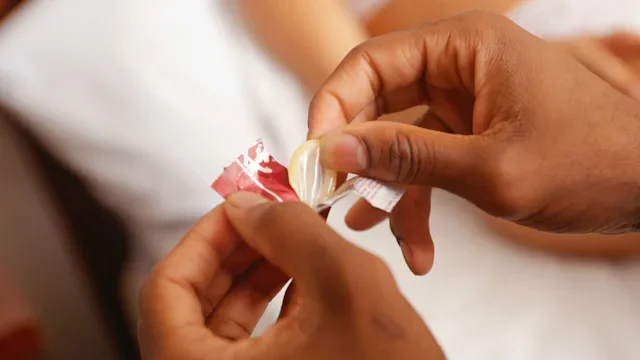
Between outbreaks, wear condoms during sexual activity: Condoms cannot fully prevent transmission. But they can help decrease the chances of passing herpes to a sexual partner.
Inform sexual partners of your diagnosis: This can understandably be hard. But letting your partner know allows them to make informed decisions about their own health.
Don’t share sex toys, and always wash them between uses: The herpes virus can spread through fluid present on sex toys. So, it’s best to avoid sharing them with others, and keep them clean.
Consider preventive treatment: As we discussed above, this minimizes the risk of transmission. This is especially true if you experience frequent recurrent outbreaks. If you are pregnant or planning to be, your healthcare team will likely recommend preventive treatment.
The only way to completely eliminate the risk of spreading genital herpes is to avoid sexual activity. But the measures mentioned above can greatly reduce the chance of spreading the infection while allowing you to have a normal and fulfilling sex life.
Frequently asked questions
Herpes is contagious throughout an active outbreak — even before there are any lesions. This could be anywhere from 2 to 4 weeks, especially during an initial outbreak. Some people experience symptoms like itching, burning, or tingling before the lesions appear. These are called prodromal symptoms — but not everyone has them. The infection is contagious until the sores have fully healed.
While statistics differ depending on the population, 90% is higher than most studies estimate. One study estimated that about 64% of all people under age 50 had herpes simplex virus type 1 (HSV-1) in 2020. Most of those were oral infections, as HSV-1 most commonly causes oral herpes. The same study estimated that over 20% of people younger than 50 years were diagnosed with genital herpes.
Yes. People can experience asymptomatic shedding of the virus, which happens between active outbreaks. So, genital herpes can be transmitted even if you are not having any symptoms. Preventive treatment can help lower the risk of this type of spread.
The bottom line
If you’ve been diagnosed with genital herpes, you are not alone. Genital herpes is a common infection affecting millions of people worldwide. And there are safe, accessible treatment options for the infection and the symptoms it causes. These treatments can help get you back to baseline — allowing you to focus more on living your life and less on the potential of a looming outbreak.

Why trust our experts?



References
Centers for Disease Control and Prevention. (2021). Genital herpes.
Harfouche, M., et al. (2024). Estimated global and regional incidence and prevalence of herpes simplex virus infections and genital ulcer disease in 2020: mathematical modelling analyses. Sexually Transmitted Infections.
Martinez, L. (2024). Genital herpes - self-care. MedlinePlus.
Plunkett, M., et al. (2024). Genital herpes: Rapid evidence review. American Family Physician.
Sen, P., et al. (2007). Genital herpes and its management. The BMJ.