Dry Skin
Comprehensive information for you or a loved one — including treatment options and discounts on popular medications.

Dry skin (also called xerosis or xeroderma) happens when your skin doesn’t have enough water. It’s a very common problem. And many things can dry out your skin, from the weather to certain products. People of all ages, genders, and skin tones can get dry skin.
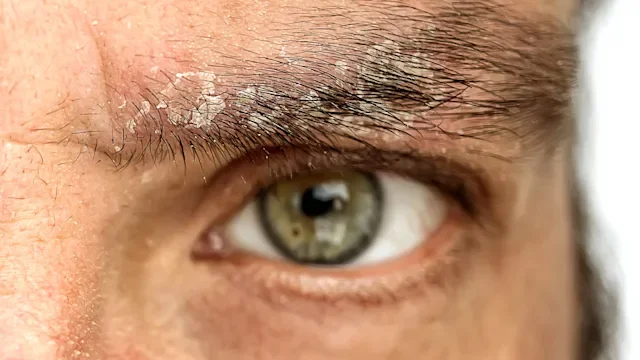
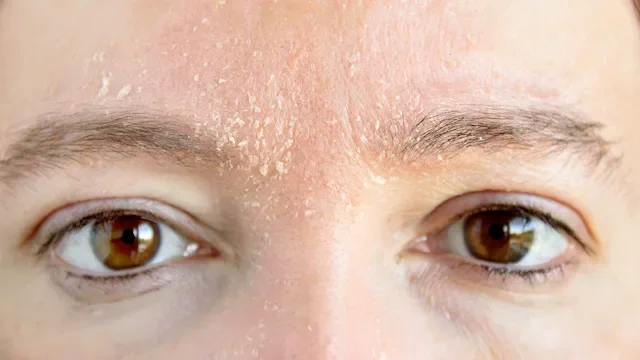
Dry skin can look flaky or scaly. Or it can feel rough, itchy, or tight. Sometimes dry skin is just a mild nuisance. But it can also be very uncomfortable and make it hard to work or sleep.
No matter how severe your dry skin is, there are helpful tips and treatments, including changing your skin care routine and trying different moisturizers. But the first step is to find the cause.


Many different things can affect the moisture level in your skin. Some causes are easier to change than others. And sometimes more than one thing is making your skin dry. Any of the following can contribute to dry skin:
Age: In your 40s, skin starts to make less oil (sebum). This trend continues as you get older.
Environmental causes: This includes cold temperatures in the winter, dry air in warm climates, and indoor heat in the winter.
Too much wet work: Frequently washing your hands or putting your hands in water can damage your skin’s protective layer.
Skin care products: Harsh cleansers, deodorant soaps, and alcohol-based products can strip natural protective oils and fats from your skin.
Lifestyle habits: This includes things like smoking and taking long, hot showers.
Medical conditions: This includes atopic dermatitis (eczema), a vitamin or mineral deficiency, diabetes, thyroid disease, or severe dehydration.
Medications and other treatments: like chemotherapy, isotretinoin (Accutane), statins (used for high cholesterol), and diuretics (used for high blood pressure). But before stopping any medication, first talk with your provider.
Your skin tone: Black, brown, or fair skin tones are more likely to have very dry skin compared to a medium complexion (like people of Mediterranean descent).
Dry skin can affect people differently. Some may only have a few patches of dry skin that pop up in the winter. Others can feel dry all over and have more severe symptoms.
Sometimes dry skin can look similar to other rashes like eczema or psoriasis. But those are separate conditions with different causes and treatments. If you’re not sure which one you have, your provider can help you figure it out.
Here are some common signs and symptoms of dry skin:
Rough or dry texture
Ashy or gray-white discoloration
Itchy, tight, or painful skin
More noticeable fine lines
Flaking or peeling
Skin cracks (especially on the heels)
Raw skin that bleeds and hurts
When skin is very dry, it’s more likely to let germs in and lead to a skin infection. Signs of a skin infection include:
Yellow crusts or pus
Swelling
Pain around the affected area
A skin infection can lead to other problems and needs professional treatment. So get medical care if you think your skin is infected.
Compare prices and information on the most popular Dry Skin medications.
Moisturizing is the go-to treatment for dry skin. And, whenever possible, try to remove the cause of dry skin. While you can’t change the weather, you can avoid triggers like really hot water in your shower.
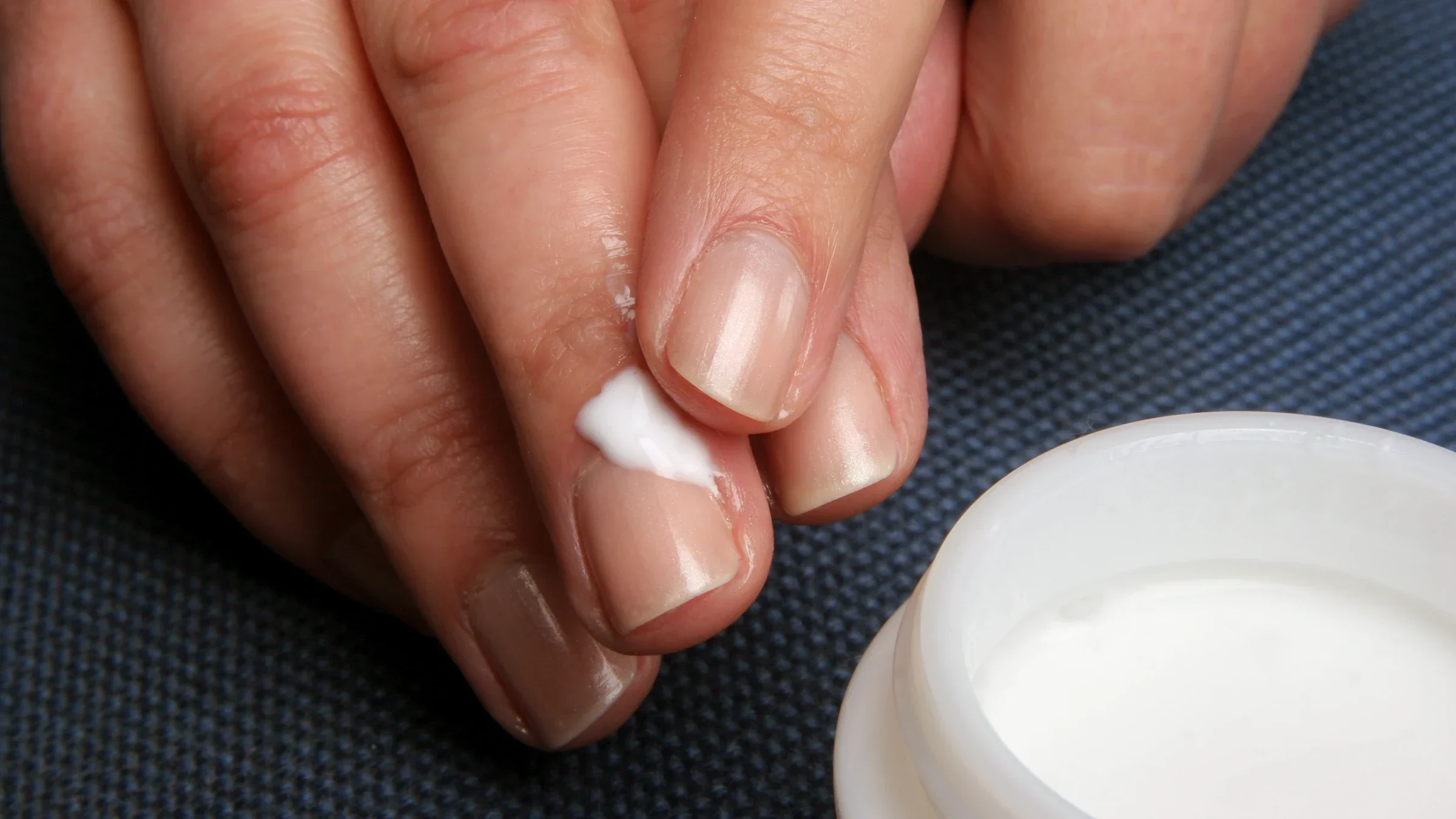
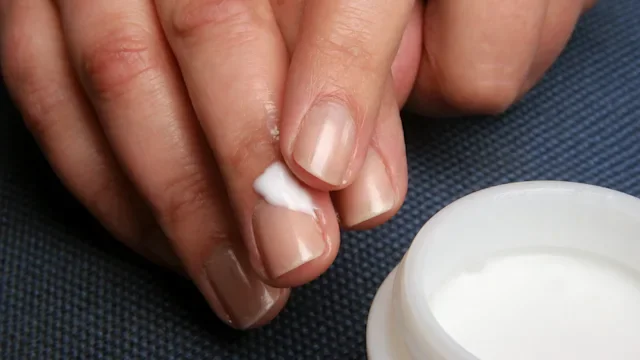
Moisturizers work by trapping or drawing moisture into your skin. For the best results, choose a thicker ointment or cream. These are more effective and less irritating than lotions, which are thinner. They usually come in tubs or tubes.
When picking a moisturize, look for one (or more) of these hydrating ingredients:
Jojoba or mineral oil
Dimethicone
Glycerin
Hyaluronic acid
Petrolatum
Shea butter
Lactic acid
Lanolin
Ceramides
Keep in mind that you may have to moisturize your skin several times a day, especially if it’s really dry. It’s also a good idea to moisturize damp skin right after drying off from a shower or bath.
When it comes to dry skin, prevention is just as important as treatment. To prevent your skin from drying out, incorporate these simple steps into your daily routine:
Limit showers to 5 or 10 minutes, and use warm water instead of hot water.
Wear gloves when doing wet work (like washing dishes).
Avoid harsh soaps and detergents.
Use a humidifier in your home (especially if you have heated air in the winter).
Use gentle skin care products without fragrances.
Use laundry detergent that’s labeled “hypoallergenic.”
Avoid wool or other rough fabrics (or wear cotton or silk underneath them).
Protect your skin from the sun, and avoid tanning beds.
In general, what you drink doesn’t affect your skin’s hydration. The exception to this is if you are severely dehydrated. In this case, your skin may look more wrinkled because it has reduced skin turgor (its ability to snap back to position after you pinch it).
In general, what you drink doesn’t affect your skin’s hydration. The exception to this is if you are severely dehydrated. In this case, your skin may look more wrinkled because it has reduced skin turgor (its ability to snap back to position after you pinch it).
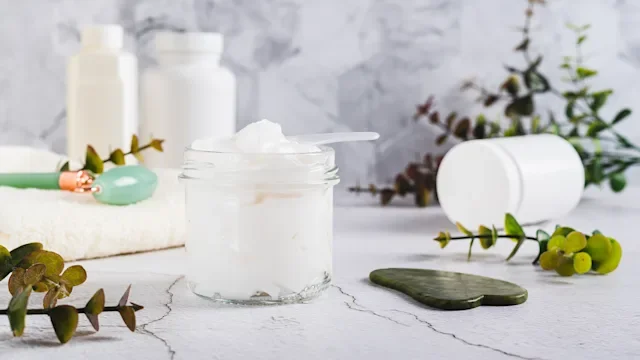
Coconut oil is a natural emollient with many free fatty acids that can soothe dry skin. It can also worsen acne, so you should probably skip it if you’re prone to breakouts.
Another option is soaking in an oatmeal bath. Grind about 1 cup of uncooked and unflavored oatmeal and add it to a tub of lukewarm water. Soak for about 15 minutes, and remember to apply moisturizer when you get out.
The fastest way to hydrate your skin quickly is to apply a thick moisturizer right after you bathe or shower while your skin is still a bit damp. This helps seal in moisture. It’s also a good idea to moisturize several times a day, especially after coming in contact with water (like when washing your hands).
So you’ve tried using moisturizers and avoiding the causes of dry skin. If your skin is still dry, it may be time for some expert help.
Sometimes dry skin can be a sign of an underlying medical or skin condition, and your dermatologist can help figure that out. They can also prescribe creams or lotions not available over the counter.
You should also visit your provider if you have itchy skin without a rash or you notice signs of a skin infection (like pain, yellow drainage, or red, violet, or brown discoloration that’s spreading).
Agero, A. L., et al. (2004). A randomized double-blind controlled trial comparing extra virgin coconut oil with mineral oil as a moisturizer for mild to moderate xerosis. Dermatitis: Contact, Atopic, Occupational, Drug.
American Academy of Dermatology Association. (n.d.). Dermatologists’ top tips for relieving dry skin.

Prescription savings
Stop paying too much for your prescriptions. Compare prices, get pharmacy coupons, and save up to 80%. Find expert answers to your health questions so you can make the best decisions for yourself and your family.
Health conditions
Medications & treatment
Access & affordability
 Our monthly healthcare membership can help you save thousands on your prescription costs.
Resources