Key takeaways:
Sinus pain, pressure, and headaches can happen when swelling in the sinuses (called sinusitis) prevents mucus drainage.
You can relieve sinus pain and congestion with home remedies (like steam or humidifiers) and over-the-counter medications (like decongestants).
Most people don’t need antibiotics to clear up sinus pain and pressure.
Save on related medications
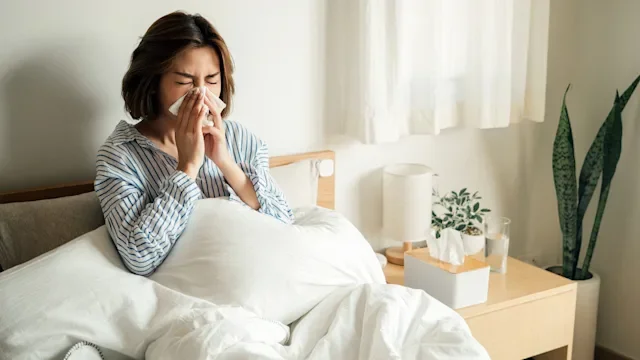
An episode of sinus pain and pressure can take over your entire life, making it hard to work, sleep, or even do basic tasks. Fortunately, there are many medications and over-the-counter (OTC) treatments that can help. Let’s take a closer look at what causes a sinus headache and remedies to relieve the pressure.
What causes sinus pressure?
Your sinuses are hollow spaces created by the bones in your face. You have sinuses above your eyes, below your eyes, and behind your eyes and nose.
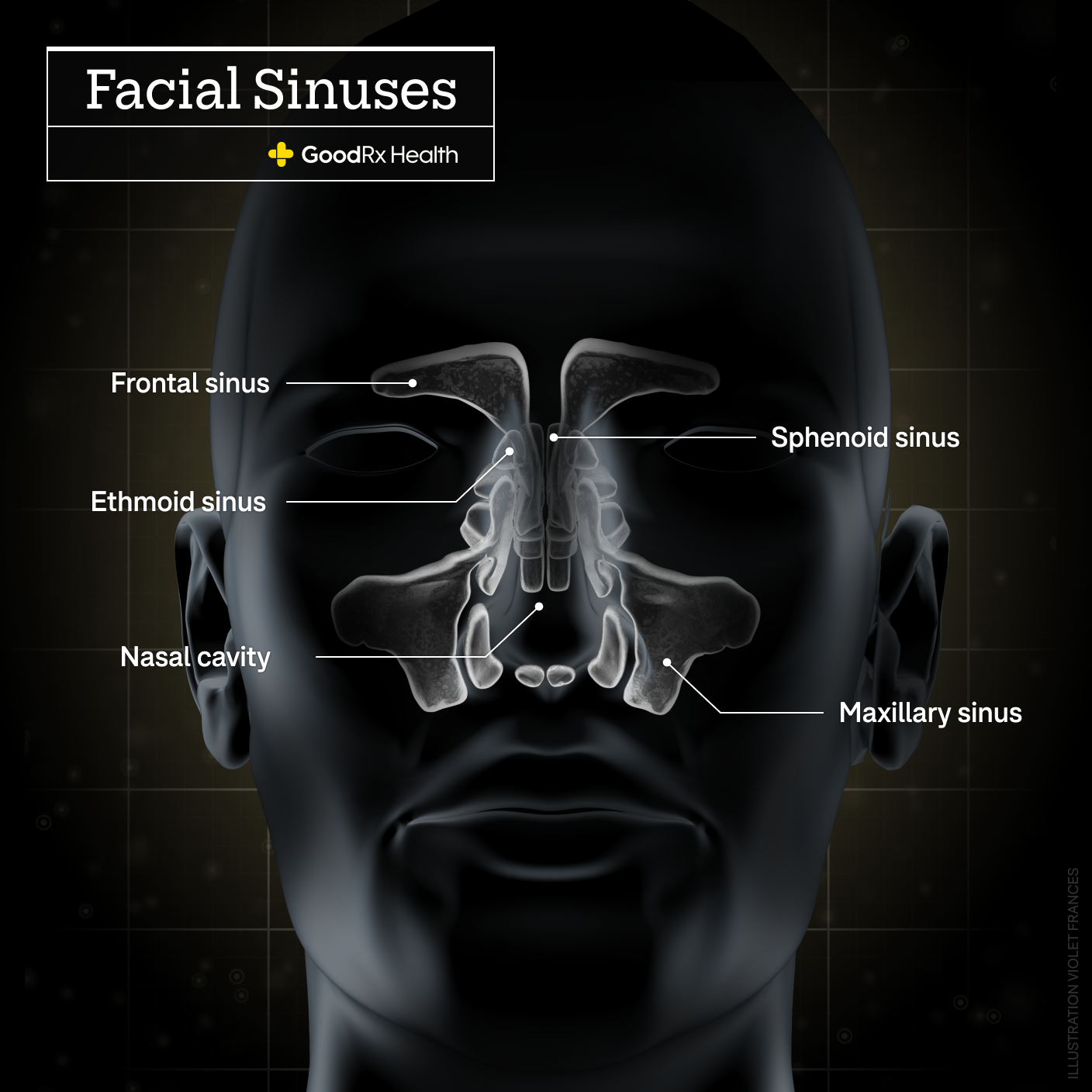
When you have a cold, allergies, or irritation, these hollow spaces can fill with mucus. If the mucus can’t drain, pressure builds up. This can cause a sinus headache, along with pain and pressure around your sinuses.
Search and compare options
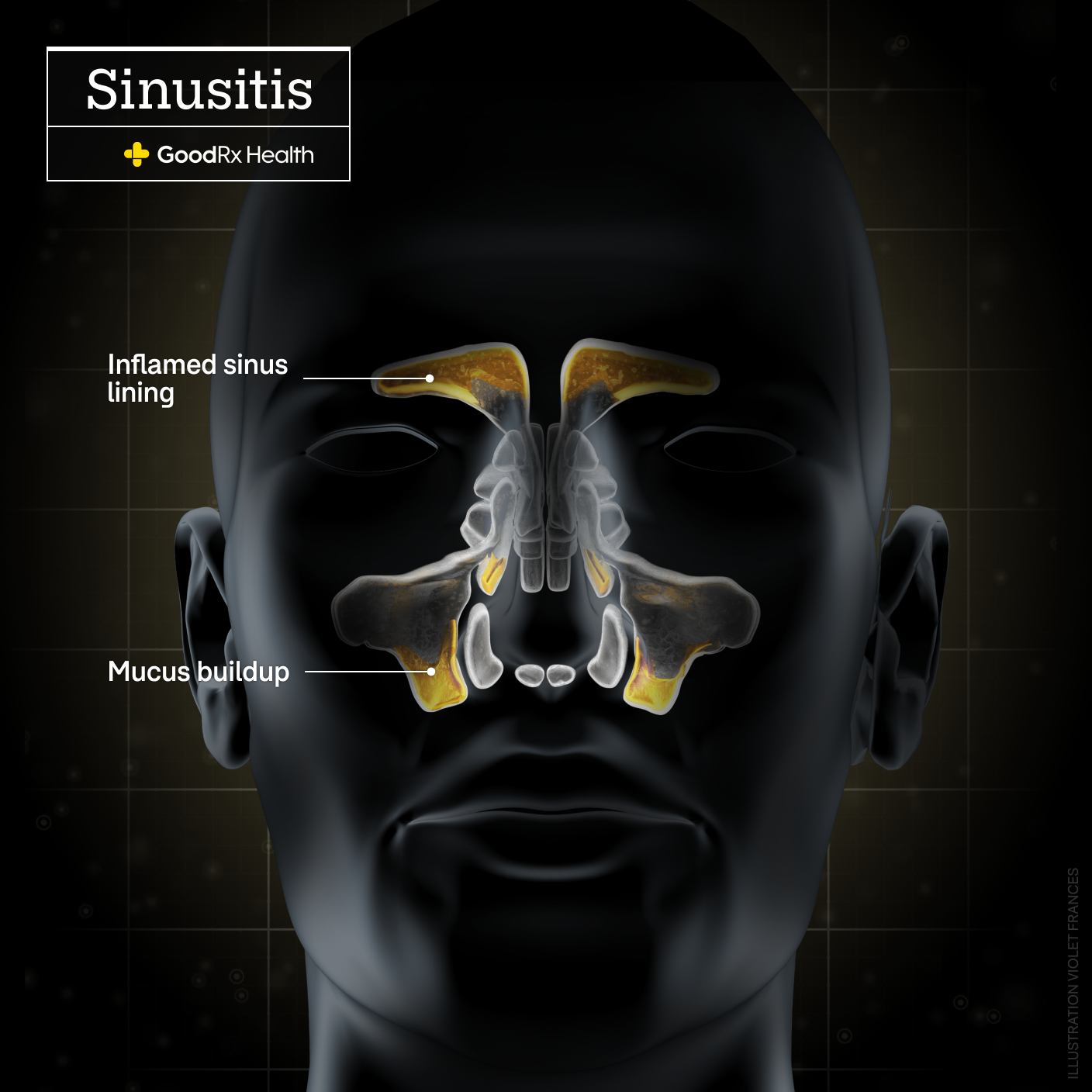
Conditions that can cause sinus pressure include:
Upper respiratory infection (like a cold or the flu)
Allergic rhinitis (seasonal allergies)
How to relieve sinus pressure, pain, and headaches
About 1 in 8 adults in the U.S. experience sinus pain and pressure each year. So, it’s no surprise that many people want to find quick relief. Both medications and home remedies can help you manage stuffy sinuses.
Home remedies for sinus pain
Home remedies for sinus pain include things like:
Steam
Humidifiers
Saline rinses
Keeping your head raised (head elevation)
Staying hydrated
Sinus massage
Over-the-counter medications for sinus pressure
OTC medications can also offer relief. Medications that can help with sinus pain include:
Decongestants
Antihistamines
Acetaminophen (Tylenol) or ibuprofen (Motrin)
ClearUP
Here’s how to use these 12 science-backed remedies to get sinus pain relief fast.
1. Decongestants
There are many types of medications that can help relieve sinus pressure and pain. Decongestants are a popular and effective medication class that can clear sinus pain fast. Decongestants work by decreasing the inflammation in the tissue around your sinuses. This lets mucus drain so you don’t feel pressure and pain inside your sinuses.
There are many types of decongestants, including oral medications and nasal sprays. Both types are available over the counter. Nasal sprays are a great option if you have both nasal congestion and sinus pain.
Some popular decongestants include:
Oral decongestants: Pseudoephedrine (Sudafed)
Nasal steroid decongestants: Beclomethasone (Beconase AQ), fluticasone (Flonase), triamcinolone (Nasacort), mometasone (Nasonex), flunisolide
Nonsteroidal nasal decongestants: Oxymetazoline (Afrin)
Dosage
Nonsteroidal decongestants (like oxymetazoline) may cause rebound congestion. To avoid developing rebound congestion, follow the directions on the packaging. Many decongestant manufacturers recommend not using these products for more than 3 to 5 days in a row.
Safety notes
These medications might not be safe for everyone. Talk with a healthcare professional before using decongestants if:
You’re pregnant
You have a history of cardiovascular disease, high blood pressure, or glaucoma
2. Antihistamines
Antihistamines can help relieve sinus pressure caused by seasonal allergies. They work by blocking histamine, the chemical in your body that drives allergy symptoms.
Histamine can cause nasal congestion. By blocking histamine, antihistamines help stop congestion and let mucus drain from your sinuses, relieving pain and pressure. Like decongestants, antihistamines come in both oral pills and nasal sprays.
Popular OTC antihistamines include:
Oral antihistamines: Fexofenadine (Allegra), loratadine (Claritin), cetirizine / pseudoephedrine (Zyrtec-D), and levocetirizine (Xyzal)
Nasal antihistamines: Azelastine (Astepro, Astelin)
3. ClearUP
ClearUP is an OTC medical device approved by the FDA to treat sinus congestion. ClearUP is a handheld, pear-shaped device that uses electrical stimulation to clear congestion and treat sinus pain and pressure.
To use it, glide the ClearUP device along your forehead (above your eyebrows), nose, and cheeks for up to 5 minutes per treatment. It may relieve sinus pain for up to 6 hours.
4. OTC pain relievers
OTC pain relievers can also help sinus pain by decreasing inflammation. Popular options include:
Acetaminophen (Tylenol)
Ibuprofen (Advil, Motrin)
As with any medication, check with a healthcare professional before use to see if these are safe for you. If you’re pregnant, you shouldn’t take ibuprofen.
5. Breathe in steam
Breathing in warm, moist, air can relieve sinus pain and pressure. You can do this by sitting on the ledge of a bathtub with the shower running. You can also breathe in steam from a bowl of hot water. These techniques may be more helpful when combined with other home remedies to relieve a sinus headache.
6. Turn on a humidifier
Using a clean humidifier to add moisture to the air in your home may be helpful for sinus pain relief. Humidified air helps to keep mucous membranes moist. It also thins nasal secretions so they can pass out of your sinuses more easily.
7. Nasal saline rinses
Saline nasal rinses can relieve your sinus pain without using medication. You can make your own saline rinse or buy premade rinses at your local pharmacy. Always use sterile water, not tap water, for saline rinses. This will keep you safe from serious infections.
8. Elevate your head
Propping your head up at night can help you breathe more comfortably and decrease mucus buildup in your sinuses. This can relieve sinus pain and pressure.
9. Use a warm compress
Using a warm compress — like a towel soaked in warm water — can relieve sinus pressure. To relieve sinus pain and nasal congestion, place the warm compress over the painful areas on your nose, cheeks, or forehead.
10. Get some rest
Rest is important to help your body recover from illness and inflammation. Healthy adults should aim for 7 to 9 hours of sleep each night. Teenagers, young children, and babies should get even more sleep. Improving your sleep hygiene allows your body to repair and restore itself.
11. Stay hydrated
Up to 60% of your body is made of water. Drinking enough water lets your body keep up with its usual activities, including fighting off whatever is causing your sinus congestion. Staying hydrated can also help thin mucus, making it easier to drain.
12. Massage sinus pressure points
One small study found that self-administered acupressure helped relieve sinus pain. Try it at home by gently pressing your fingertip on the Yintang pressure point for 3 to 5 minutes. This point is located on your forehead between your eyebrows.
How do you relieve sinus pain fast?
The quickest way to relieve sinus pain is to begin treatment as soon as symptoms start. You may need to use more than one method to relieve sinus pain. If you’re not sure which to try first, or if your current treatment isn’t helping, talk with a healthcare professional.
Most people don’t need antibiotics for sinus pain. But if your symptoms get worse, it may be a sign that you’re developing an infection on top of your sinus congestion. A healthcare professional can help you figure out if you need to start antibiotics.
Can you get rid of a sinus headache instantly?
You probably can’t get rid of a sinus headache instantly. While OTC medications and home remedies act quickly to reduce inflammation and sinus pain, they don’t work instantaneously.
Keep in mind that most treatments for sinus congestion only provide temporary relief. You may have to repeat a dose of medication or try another technique after a couple of hours to keep pain under control.
When should you see a healthcare professional for sinus pressure and pain?
Sinus pain and pressure can usually be managed at home. But if your symptoms don’t improve after a week, or if they start to get worse, it’s time to see a healthcare professional.
You should also see a healthcare professional right away if you notice any of the following symptoms:
Fever
Severe headache
Neck pain
Dizziness
Loss or change of taste or smell
Facial swelling
Eyelid swelling
Eye pain or redness
Vision changes
Frequently asked questions
Sinus pressure can be felt almost anywhere on your face and head. Most commonly, pressure is felt in these places:
Behind your eyes
In your cheekbones
On the bridge of your nose
Your forehead
Yes, sinus pressure can cause jaw pain. But there are many causes of jaw pain. If you’re having jaw pain that doesn’t go away, it’s important to see a healthcare professional to figure out the cause.
If you have sinus pain without congestion, talk with a healthcare professional. It’s possible to have sinus pain and even sinus headaches without congestion. But this isn’t as common. You want to make sure there isn’t another cause, like another medical condition, of your sinus pain.
Sinus infections are not contagious. You can’t get sinusitis from someone who has it. But the viruses and bacteria that can cause sinusitis are contagious. If you’re exposed, you might get sick with something else, like a cold, even if you don’t develop sinusitis.
Drinks won’t help clear your sinuses. But they can help keep you hydrated so that you can fight off infection. They can also help thin out your mucus, making it easier to drain. Water is the best option, but any low-sugar, non-alcoholic drink can help too.
Avoid smoke and fumes if you have sinusitis or irritated sinuses. These things can irritate the tissue inside your nose, sinuses, and upper airways. This can worsen inflammation and make it harder for mucus to drain. You may also need to avoid flying, scuba diving, or other activities that involve changes in atmospheric pressure.
Sinus pressure can be felt almost anywhere on your face and head. Most commonly, pressure is felt in these places:
Behind your eyes
In your cheekbones
On the bridge of your nose
Your forehead
Yes, sinus pressure can cause jaw pain. But there are many causes of jaw pain. If you’re having jaw pain that doesn’t go away, it’s important to see a healthcare professional to figure out the cause.
If you have sinus pain without congestion, talk with a healthcare professional. It’s possible to have sinus pain and even sinus headaches without congestion. But this isn’t as common. You want to make sure there isn’t another cause, like another medical condition, of your sinus pain.
Sinus infections are not contagious. You can’t get sinusitis from someone who has it. But the viruses and bacteria that can cause sinusitis are contagious. If you’re exposed, you might get sick with something else, like a cold, even if you don’t develop sinusitis.
Drinks won’t help clear your sinuses. But they can help keep you hydrated so that you can fight off infection. They can also help thin out your mucus, making it easier to drain. Water is the best option, but any low-sugar, non-alcoholic drink can help too.
Avoid smoke and fumes if you have sinusitis or irritated sinuses. These things can irritate the tissue inside your nose, sinuses, and upper airways. This can worsen inflammation and make it harder for mucus to drain. You may also need to avoid flying, scuba diving, or other activities that involve changes in atmospheric pressure.
The bottom line
Sinus pressure and pain are common symptoms that can disrupt your daily life. You may be able to ease your sinus symptoms with home remedies and over-the-counter medications. The quickest way to relieve sinus pain is to start treatment right away. But if your symptoms aren’t getting better after a few days or they’re getting worse, talk with a healthcare professional to make sure you aren’t developing an infection.

Why trust our experts?



References
American Academy of Allergy Asthma & Immunology. (2024). Saline sinus rinse recipe.
Goldsobel, A. B., et al. (2019). Prospective trial examining safety and efficacy of microcurrent stimulation for the treatment of sinus pain and congestion. Bioelectronic Medicine.
Israel, L., et al. (2021). Acupressure in patients with seasonal allergic rhinitis: A randomized controlled exploratory trial. Chinese Medicine.
Mark, A. M. (2019). Why does my jaw hurt? The Journal of the American Dental Association.
Penn Medicine. (2024). Sinus infections (sinusitis).
Rosenfeld, R. M., et al. (2015). Clinical practice guideline (update): Adult sinusitis. Otolaryngology–Head and Neck Surgery.
U.S. Food and Drug Administration. (2020). De Novo classification request for ClearUP Sinus Relief.
Water Science School. (2019). The water in you: Water and the human body. U.S. Geological Society.