clopidogrel
Clopidogrel (also known by its brand name, Plavix) is a medication that's used to prevent heart attack and stroke in certain people who are at higher risk for those events. It comes as a tablet taken by mouth once per day and is also available as a generic medication. Since it's a blood thinner, possible side effects include bleeding and bruising, especially if you take medications that interact with clopidogrel (Plavix) like certain antidepressants, anticoagulants, or non-steroidal anti-inflammatory drugs (NSAIDs).


What is Clopidogrel (Plavix)?
What is Clopidogrel (Plavix) used for?
For people with a history of a heart attack, stroke, or peripheral artery disease:
- Heart attack prevention
- Stroke prevention
How Clopidogrel (Plavix) works
Clopidogrel (Plavix) is a P2Y12 inhibitor, which is a type of antiplatelet medication. It works by preventing platelets from clumping up together and forming blood clots in your heart or brain. This lowers your risk for a heart attack or stroke.
Drug facts



Side effects of Clopidogrel (Plavix)
The following side effects may get better over time as your body gets used to the medication. Let your healthcare provider know immediately if you continue to experience these symptoms or if they worsen over time.
Common Side Effects
- Minor bleeding (5%)
- Major bleeding (4%)
Less Common Side Effects
- Bruising
- Itchiness
- Nosebleeds
- Stomach and intestinal ulcers
- Headache
- Changes in taste
- Confusion
Clopidogrel (Plavix) serious side effects
Contact your healthcare provider immediately if you experience any of the following.
- Severe bleeding: feeling faint, lightheaded, dizziness, vomiting blood, bloody or dark-colored stools, severe stomach pain or discomfort
- Thrombotic thrombocytopenic purpura (a blood clotting problem): headache, confusion, dizziness, fever, bleeding in your skin, bruising, tiredness, stomach pain, blood in urine, making less urine
More on Clopidogrel (Plavix) side effects
The following Clopidogrel (Plavix) side effects have also been reported
Along with its needed effects, a medicine may cause some unwanted effects. Although not all of these side effects may occur, if they do occur they may need medical attention.
Check with your doctor immediately if any of the following side effects occur:
More common
Collection of blood under the skin
deep, dark purple bruise
Less common
Bloody nose
bloody, black, or tarry stools
vomiting of blood or material that looks like coffee grounds
Incidence not known
blistering, peeling, loosening of the skin
blurred vision
burning upper stomach pain
change in mental status
chest pain or tightness
cold sweats
coma
cool, pale skin
cough or hoarseness
dark or bloody urine
difficulty in breathing or swallowing
difficulty speaking
dizziness, faintness, or lightheadedness when getting up suddenly from a lying or sitting position
fast heartbeat
feeling of discomfort
fever with or without chills
general feeling of tiredness or weakness
increased hunger
indigestion
inflammation of the joints
joint or muscle pain
large, hive-like swelling on the face, eyelids, lips, tongue, throat, hands, legs, feet, sex organs
light-colored stools
loss of appetite
lower back or side pain
muscle aches
nervousness
nightmares
noisy breathing
painful or difficult urination
pains in the side, possibly radiating to the back
pinpoint red spots on the skin
puffiness or swelling of the eyelids or around the eyes, face, lips, or tongue
rash with flat lesions or small raised lesions on the skin
rectal bleeding
red irritated eyes
red skin lesions, often with a purple center
reddening of the skin, especially around the ears
seizures
shakiness
skin blisters
slurred speech
sores, ulcers, or white spots on the lips or in the mouth
stomach cramps, tenderness, or pain
sweating
swelling of the eyes, face, or inside of the nose
swelling or inflammation of the mouth
swollen or painful glands
trouble breathing
unusual bleeding or bruising
watery or bloody diarrhea
yellow eyes or skin
Some side effects may occur that usually do not need medical attention. These side effects may go away during treatment as your body adjusts to the medicine. Also, your health care professional may be able to tell you about ways to prevent or reduce some of these side effects. Check with your health care professional if any of the following side effects continue or are bothersome or if you have any questions about them:
Incidence not known
Change in taste bad unusual or unpleasant (after) taste
difficulty in moving
loss of sense of taste
muscle aches, cramps, or stiffness
redness or swollen joints
seeing, hearing, or feeling things that are not there
Other side effects not listed may also occur in some patients. If you notice any other effects, check with your healthcare professional.
Call your doctor for medical advice about side effects. You may report side effects to the FDA at 1-800-FDA-1088.

Get your GoodRx coupon

Pros and cons of Clopidogrel (Plavix)
Pros
- Works well to lower your risk of having a heart attack or stroke
- Only taken once a day by mouth
- Available as a lower-cost, generic form
Cons
- Can cause major bleeding or bruising
- Has many interactions with other medications
- Might not work as well for people with East Asian descent

Pharmacist tips for Clopidogrel (Plavix)

- Take clopidogrel (Plavix) with or without food. But avoid grapefruit or grapefruit juice because they interact with clopidogrel (Plavix) causing the medication to not work as well.
- Clopidogrel (Plavix) can make you bleed more easily. Stop taking the medication and get medical help right away if you feel lightheaded, dizzy, are vomiting or coughing up blood, or have blood in your stool. These are signs of bleeding that might be happening inside your body.
- Get medical help right away if you fall and hit your head while taking clopidogrel (Plavix). Your provider will want to check to make sure you don't have any brain bleeds.
- Clopidogrel (Plavix) interacts with several commonly used medications. Some medications need to be avoided while others might need their dose adjusted or you need closer monitoring. Tell your provider and pharmacist about all of the medications and supplements you're taking before and during treatment with clopidogrel (Plavix) to make sure the combination is as safe for you as possible.
- Make sure to eat healthy and exercise regularly while taking clopidogrel (Plavix) to help further lower your risk for a heart attack or stroke.
- Don't stop taking clopidogrel (Plavix) unless your provider specifically tells you it's safe to do so. This can cause blood clots to form in your body, which can be severe and life-threatening. If you're wanting to stop clopidogrel (Plavix) or switch to another blood thinner, ask your provider how to do so safely.
More on Clopidogrel (Plavix) tips


Common questions about Clopidogrel
Yes, Clopidogrel is an antiplatelet medication. It stops platelets from clumping up together and forming blood clots. Because of this, blood thinners like Clopidogrel raise your risk for bleeding and bruising. Make sure to contact your provider if you notice unusual bleeding (e.g., bloody urine or stool, coughing up or vomiting blood) or having trouble stopping a bleed.
Clopidogrel interacts with several medications. Don't take omeprazole (Prilosec) or esomeprazole (Nexium) with Clopidogrel because they can lower how well Clopidogrel works. You also should be careful when taking NSAIDs (e.g., ibuprofen (Advil), naproxen (Aleve)) because these can raise your risk of bleeding. Also, there are other medications that raise your risk of bleeding, such as certain antidepressants and anticoagulants). Make sure to tell your provider about all medications and supplements you're taking. They can help check for interactions and make sure your medications are safe to take with Clopidogrel.
Avoid grapefruit or grapefruit juice while taking Clopidogrel because it can make Clopidogrel not work as well, which raises your risk for a heart attack or stroke. Other than that, there aren't any other specific foods that affect Clopidogrel. In fact, foods like leafy green vegetables that are typically limited with warfarin (Coumadin) (another common blood thinner), can still be eaten while taking Clopidogrel.
Yes. Clopidogrel works well to lower your risk of having a stroke or heart attack, but it's still possible to have a stroke or heart attack even while you're taking this medication. This is because your risk for these events depends on several things, like your medical conditions, other medications you're taking, and your lifestyle. It's important to do what you can to keep your risk as low as possible, such as eating healthy and regular exercise.
You need to stop Clopidogrel 5 days before any surgery or procedure with a high risk of bleeding. But it's important to discuss with your provider if you should stop taking Clopidogrel. This is because not all surgeries or procedures require you to stop the medication.
It varies. In general, Clopidogrel is initially taken for a month to at least 1 year, depending on the reason you're taking the medication. But, the length of time you need Clopidogrel will depend on your specific situation and risk factors for bleeding or clotting. Some people need to take it for just a few months while others might need it for the rest of their lives. Don't stop taking Clopidogrel unless your provider specifically told you to do so.
While both Clopidogrel and aspirin are antiplatelets medications, they work slightly differently from each other. There are many studies to see if using either medication alone or both together works better to prevent heart attacks and strokes. In general, research shows using both medications in people with heart problems works better, but also raises the risk of bleeding. Also, according to the 2021 stroke prevention guidelines, only people with certain severe types of stroke should use both aspirin and Clopidogrel. Your provider might suggest using either one or both medications based on your specific situation and needs.

How to save using GoodRx



Risks and warnings for Clopidogrel (Plavix)
Clopidogrel (Plavix) can cause some serious health issues. This risk may be even higher for certain groups. If this worries you, talk to your doctor or pharmacist about other options.
Clopidogrel (Plavix) not working as well
- Risk factors: Taking omeprazole (Prilosec) or esomeprazole (Nexium) | Having certain genes that make clopidogrel (Plavix) work less
 Certain people with a specific gene might not respond as well to clopidogrel (Plavix) because of how their bodies break down the medication. Don't start any new medications, vitamins, or supplements without first talking to your healthcare provider or pharmacist, since they could interfere with how clopidogrel (Plavix) works.
Bleeding
- Risk factors: Taking other medications that raise the risk for bleeding
Taking clopidogrel (Plavix) can raise your risk for bleeding. Also, this medication might make it take longer than usual for bleeding to stop. You might also notice that you get bruises more easily or have more bleeding when you get a cut or nosebleed. Your risk is higher if you're also taking other medications that can cause bleeding. Tell your provider right away if you notice any abnormal bleeding, see any blood in your stool or urine, or feel more dizzy. Get medical help right away if you have a fall, head injury, or other kinds of physical injury since you might have bleeding inside your body. And contact your provider right away if you have dark or tarry stool or bleeds that are difficult to stop.
Risk of heart attack or stroke if stopped suddenly
- Risk factors: Stopping clopidogrel (Plavix) suddenly | Recent heart attack or stent
Don't stop taking clopidogrel (Plavix) unless your provider specifically tells you it's safe to do so. Stopping the medication too early can cause a heart attack or stroke. If you're wanting to stop clopidogrel (Plavix), contact your provider so they can create a safe plan for you.
Thrombotic thrombocytopenic purpura (TTP)
Clopidogrel (Plavix) can cause a rare, life-threatening blood condition called thrombotic thrombocytopenic purpura (TTP) where blood clots form in small blood vessels. Sometimes it can happen within the first 2 weeks of starting clopidogrel (Plavix). Get medical help right away if you have fever, unusual bleeding, easy bruising, weakness, dizziness, tiredness, or trouble breathing.
Allergic reaction
- Risk factors: Allergy to prasugrel (Effient) or ticagrelor (Brilinta)
Allergic reactions to clopidogrel (Plavix) are possible, including life-threatening reactions like facial swelling, shock, and anaphylaxis. If you are allergic to prasugrel (Effient) or ticagrelor (Brilinta), you might also be allergic to clopidogrel (Plavix). Stop taking clopidogrel (Plavix) and call your doctor if you notice a rash or hives after taking this medication. Get medical help right away if you experience swelling in your face, throat, or tongue.
More on Clopidogrel (Plavix) warnings


Clopidogrel (Plavix) dosage
 Tablet
| Dosage | Quantity | Price as low as | Price per unit |
|---|---|---|---|
| 75mg | 90 tablets | $15.80 | $0.18 |
| 300mg | 2 tablets | $20.17 | $10.09 |
Typical dosage for Clopidogrel (Plavix)
The typical dose is 75 mg by mouth once a day.
For people who are in the hospital right after a heart attack, a single 300-mg loading dose is given first.
More on Clopidogrel (Plavix) dosage


Interactions between Clopidogrel (Plavix) and other drugs
More on Clopidogrel (Plavix) interactions


Although certain medicines should not be used together at all, in other cases two different medicines may be used together even if an interaction might occur. In these cases, your doctor may want to change the dose, or other precautions may be necessary. When you are taking this medicine, it is especially important that your healthcare professional know if you are taking any of the medicines listed below. The following interactions have been selected on the basis of their potential significance and are not necessarily all-inclusive.
Using this medicine with any of the following medicines is not recommended. Your doctor may decide not to treat you with this medication or change some of the other medicines you take.
- Defibrotide
Using this medicine with any of the following medicines is usually not recommended, but may be required in some cases. If both medicines are prescribed together, your doctor may change the dose or how often you use one or both of the medicines.
- Aceclofenac
- Acemetacin
- Alfentanil
- Alipogene Tiparvovec
- Alteplase, Recombinant
- Amiodarone
- Amlodipine
- Amtolmetin Guacil
- Anagrelide
- Anileridine
- Apalutamide
- Apixaban
- Ardeparin
- Argatroban
- Aspirin
- Bemiparin
- Benzhydrocodone
- Betrixaban
- Bivalirudin
- Bromfenac
- Bufexamac
- Buprenorphine
- Bupropion
- Butorphanol
- Caplacizumab-yhdp
- Celecoxib
- Certoparin
- Choline Salicylate
- Cilostazol
- Cimetidine
- Citalopram
- Clevidipine
- Clonixin
- Cobicistat
- Codeine
- Dabigatran Etexilate
- Dalteparin
- Danaparoid
- Desirudin
- Desvenlafaxine
- Dexibuprofen
- Dexketoprofen
- Diacetylmorphine
- Diclofenac
- Difenoxin
- Diflunisal
- Dihydrocodeine
- Diltiazem
- Diphenoxylate
- Dipyridamole
- Dipyrone
- Droxicam
- Duloxetine
- Edoxaban
- Enoxaparin
- Eptifibatide
- Escitalopram
- Esomeprazole
- Ethylmorphine
- Etodolac
- Etofenamate
- Etoricoxib
- Etravirine
- Felbamate
- Felbinac
- Felodipine
- Fenoprofen
- Fentanyl
- Fepradinol
- Feprazone
- Floctafenine
- Fluconazole
- Flufenamic Acid
- Fluoxetine
- Flurbiprofen
- Fluvoxamine
- Fondaparinux
- Heparin
- Hydrocodone
- Hydromorphone
- Ibrutinib
- Ibuprofen
- Indomethacin
- Inotersen
- Isradipine
- Ketobemidone
- Ketoconazole
- Ketoprofen
- Ketorolac
- Lansoprazole
- Lepirudin
- Levomilnacipran
- Levorphanol
- Lornoxicam
- Loxoprofen
- Lumiracoxib
- Meclofenamate
- Mefenamic Acid
- Meloxicam
- Meperidine
- Methadone
- Milnacipran
- Morniflumate
- Morphine
- Morphine Sulfate Liposome
- Nabumetone
- Nadroparin
- Nalbuphine
- Naproxen
- Nefazodone
- Nepafenac
- Nicardipine
- Nicomorphine
- Nifedipine
- Niflumic Acid
- Nimesulide
- Nimesulide Beta Cyclodextrin
- Nimodipine
- Nisoldipine
- Omeprazole
- Opium
- Opium Alkaloids
- Oxaprozin
- Oxycodone
- Oxymorphone
- Oxyphenbutazone
- Paclitaxel
- Papaveretum
- Parecoxib
- Paregoric
- Parnaparin
- Paroxetine
- Phenindione
- Phenprocoumon
- Phenylbutazone
- Piketoprofen
- Piracetam
- Piritramide
- Piroxicam
- Proglumetacin
- Propyphenazone
- Proquazone
- Protein C
- Rabeprazole
- Remifentanil
- Repaglinide
- Reviparin
- Rifampin
- Rivaroxaban
- Rofecoxib
- Salicylic Acid
- Salsalate
- Selexipag
- Selumetinib
- Sertraline
- Sibutramine
- Sodium Salicylate
- Sufentanil
- Sulindac
- Tapentadol
- Tenoxicam
- Tiaprofenic Acid
- Ticagrelor
- Ticlopidine
- Tilidine
- Tinzaparin
- Tolfenamic Acid
- Tolmetin
- Tramadol
- Trazodone
- Tucatinib
- Valdecoxib
- Venlafaxine
- Verapamil
- Vilazodone
- Vortioxetine
- Warfarin
Using this medicine with any of the following medicines may cause an increased risk of certain side effects, but using both drugs may be the best treatment for you. If both medicines are prescribed together, your doctor may change the dose or how often you use one or both of the medicines.

How much does Clopidogrel (Plavix) cost?

Clopidogrel (Plavix) contraindications
Contraindications are specific health conditions or situations in which a person should not take a medication due to safety concerns. If you have any of the following conditions or if any of the following apply to you, let your healthcare provider know because Clopidogrel (Plavix) will not be safe for you to take.
- Active bleeding

What are alternatives to Clopidogrel (Plavix)?
For people with a history of a heart attack, stroke, or peripheral artery disease:

News about Clopidogrel (Plavix)





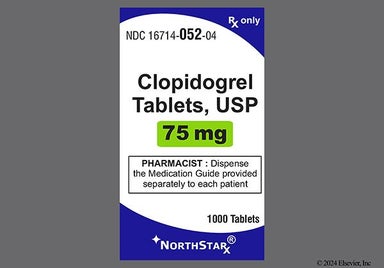
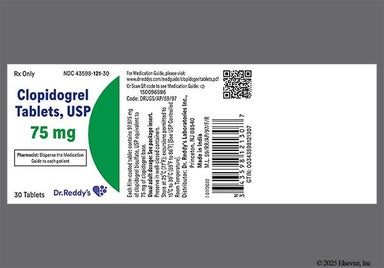
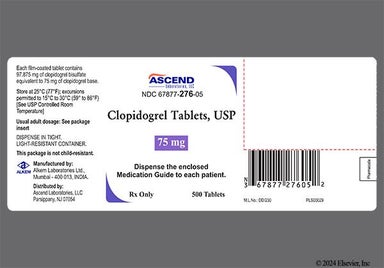
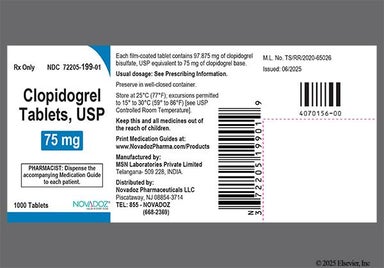
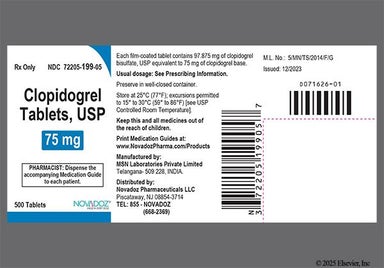
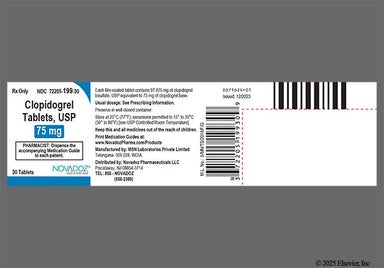
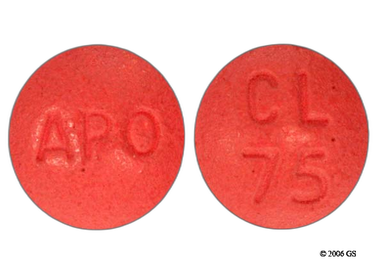
Clopidogrel (Plavix) images