clindamycin
Clindamycin (Cleocin) is a lincosamide antibiotic that's used to treat many different serious bacterial infections, such as strep throat and skin infections. This antibiotic is approved for use in both adults and children. Clindamycin (Cleocin) is available as a capsule and liquid that are taken 3 or 4 times per day, depending on your age and your infection. It's also available as an injection that's given by a healthcare professional. Side effects include stomach upset, itching, and rash.


What is Clindamycin (Cleocin)?
What is Clindamycin (Cleocin) used for?
- Skin infections (e.g., cellulitis)
- Lower respiratory tract infections (e.g., pneumonia, bronchitis)
- Stomach infections
- Pelvic and genital tract infections
- Bloodstream infections
- Bone and joint infections - injection form only
How Clindamycin (Cleocin) works
Clindamycin (Cleocin) is a lincosamide antibiotic. It works by stopping bacteria from making their own proteins. This prevents the bacteria from growing and spreading.
Drug facts
More on Clindamycin (Cleocin) essentials


Side effects of Clindamycin (Cleocin)
The following side effects may get better over time as your body gets used to the medication. Let your healthcare provider know immediately if you continue to experience these symptoms or if they worsen over time.
Common Side Effects
- Diarrhea
- Nausea
- Vomiting
- Stomach pain
- Skin rash
- Itching
Less Common Side Effects
- Metallic taste
- Yellowing of skin and eyes (jaundice)
- Joint pain
Clindamycin (Cleocin) serious side effects
Contact your healthcare provider immediately if you experience any of the following.
- Serious allergic reaction or skin reaction: hives, rash, blisters, skin reddening, swelling of the lips or tongue, difficulty breathing
- Infectious diarrhea (C. difficile-related diarrhea): rapid heart rate, fever, nausea, foul-smelling diarrhea, frequent bowel movements (even up to 15 times per day)
More on Clindamycin (Cleocin) side effects

The following Clindamycin (Cleocin) side effects have also been reported
Along with its needed effects, a medicine may cause some unwanted effects. Although not all of these side effects may occur, if they do occur they may need medical attention.
Check with your doctor or nurse immediately if any of the following side effects occur:
Incidence not known
Abdominal or stomach cramps, pain, or tenderness
black, tarry stools
bleeding gums
blistering, peeling, or loosening of the skin
blood in the urine or stools
blurred vision
chills
clay-colored stools
cloudy urine
confusion
cough or hoarseness
dark urine
decrease in the amount of urine
diarrhea, watery and severe, which may also be bloody
difficulty with swallowing
dizziness
dizziness, faintness, or lightheadedness when getting up suddenly from a lying or sitting position
fast heartbeat
fever with or without chills
general feeling of tiredness or weakness
headache
heart stops
hives or welts, itching, or skin rash
increased thirst
itching of the vagina or genital area
joint or muscle pain
loss of appetite
lower back or side pain
nausea or vomiting
no breathing
no pulse or blood pressure
pain during sexual intercourse
pain in the lower back or side
pain, tenderness, or swelling of the foot or leg
painful or difficult urination
pinpoint red spots on the skin
puffiness or swelling of the eyelids or around the eyes, face, lips, or tongue
rash
rash with flat lesions or small raised lesions on the skin
red skin lesions, often with a purple center
red, irritated eyes
redness of the skin
shortness of breath
sores, ulcers, or white spots in the mouth or on the lips
swollen glands
thick, white vaginal discharge with no odor or with a mild odor
thirst
tightness in the chest
unconscious
unpleasant breath odor
unusual bleeding or bruising
unusual tiredness or weakness
unusual weight loss
vomiting of blood
yellow eyes or skin
Some side effects may occur that usually do not need medical attention. These side effects may go away during treatment as your body adjusts to the medicine. Also, your health care professional may be able to tell you about ways to prevent or reduce some of these side effects. Check with your health care professional if any of the following side effects continue or are bothersome or if you have any questions about them:
Other side effects not listed may also occur in some patients. If you notice any other effects, check with your healthcare professional.
Call your doctor for medical advice about side effects. You may report side effects to the FDA at 1-800-FDA-1088.

Get your GoodRx coupon

Pros and cons of Clindamycin (Cleocin)
Pros
- Can treat many different infections throughout the body
- Available as lower-cost generic capsule, liquid, and injection
- Can take if you have a penicillin allergy
Cons
- Might need to take three or four times per day
- Must take capsules with a full glass of water to prevent irritation to your esophagus (the tube that connects your throat to your stomach)
- Risk of causing a type of infectious diarrhea

Pharmacist tips for Clindamycin (Cleocin)

- You can take clindamycin (Cleocin) with or without food. But nausea, vomiting, and diarrhea are common with antibiotics. So taking the medication with food can help lessen or prevent these side effects.
- You might notice an unpleasant or metallic taste after you start taking clindamycin (Cleocin). It isn't harmful and it should go away after you finish treatment.
- Take clindamycin (Cleocin) exactly as prescribed. Make sure to finish your treatment course, even if you feel better. Stopping the medication earlier than prescribed can make your infection come back and become harder to treat.
- Drink plenty of fluids to prevent dehydration if you have diarrhea, a common side effect, while you're taking clindamycin (Cleocin). But get medical help as soon as possible if you have watery or bloody diarrhea, fever, or stomach cramps during treatment or after stopping the antibiotic. These could be signs of Clostridium difficile (C. diff)-related diarrhea, which needs to be treated right away.
- Ask your prescriber whether it's safe and appropriate for you to take a probiotic. Probiotics might help lessen the risk of rare, but serious diarrhea from a C. diff bacterial infection. Make sure to separate the probiotic from clindamycin (Cleocin) by at least 2 hours to prevent the antibiotic from killing the "good" bacteria in the probiotic.
- Tell your healthcare team and pharmacist about all the medications you're taking. Clindamycin (Cleocin) interacts with some medications, such as warfarin (Coumadin) and amiodarone (Pacerone). These interactions can be harmful. A member of your healthcare team can check for drug interactions and make sure your medications are safe for you to take together.
Tips for the clindamycin (Cleocin) capsules:
- Make sure to take the clindamycin (Cleocin) capsules with a full glass of water. This helps prevent possible irritation in your esophagus.
- Swallow the capsules whole. Ask your prescriber about switching you to the oral liquid form of the antibiotic if you're having trouble swallowing the capsules.
Tips for the clindamycin (Cleocin) liquid:
- Store the clindamycin (Cleocin) liquid at room temperature. After 14 days (2 weeks), throw away the bottle, even if there's still some medication left. Your pharmacist typically writes this date on the bottle to help remind you when to throw it away.
- Make sure to only use an oral dosing syringe from the pharmacy to measure out your dose. Don't use household spoons; they aren't accurate and using them might cause you to take the wrong dose.

Common questions about Clindamycin (Cleocin)
No, clindamycin (Cleocin) is a lincosamide antibiotic, not a penicillin. This means that you can safely take clindamycin (Cleocin) if you're allergic to penicillin.
No, clindamycin (Cleocin) isn't typically used for treating a urinary tract infection or UTI. This is because the antibiotic doesn't typically work against the bacteria that usually cause a UTI. Healthcare professionals (HCPs) usually prescribe other antibiotics, like Bactrim (sulfamethoxazole / trimethoprim) or nitrofurantoin (Macrobid), to treat a UTI.
Yes. Clindamycin (Cleocin) works against Streptococcus pyogenes, which is the bacteria that causes strep throat. Clindamycin (Cleocin) can also treat infections caused by the bacteria Streptococcus pneumoniae, which can cause infections like pneumonia.
It generally takes 1 to 3 days for your symptoms to improve after you start taking antibiotics like clindamycin (Cleocin). Keep in mind that the time it takes for you to feel better after you start your antibiotics can depend on what specific infection you have and how serious it is. Let your prescriber know if you're concerned with how well clindamycin (Cleocin) is working to treat your infection.
It'll depend on the side effects. Side effects like nausea, vomiting, or metallic taste in the mouth typically go away after you finish your course of treatment with clindamycin (Cleocin). This antibiotic can also cause diarrhea from a Clostridioides difficile (C. diff) infection. It takes about a couple weeks to fully treat C. diff with antibiotics, so it's possible for this serious form of diarrhea to last as long too. Call your primary care provider if any side effects don't go away after you stop taking clindamycin (Cleocin). And get medical help right away if you have watery or bloody diarrhea, fever, or stomach cramps during treatment or after stopping the antibiotic. These could be signs of a C. diff infection.
Tiredness isn't a commonly reported side effect of clindamycin (Cleocin). Keep in mind that it's normal for your body to feel a little tired while it's fighting off an infection. Let your healthcare team know if you experience weakness or fatigue that doesn't get better after you start taking clindamycin (Cleocin). That might be a sign that you need more medical attention.
You should avoid drinking alcohol while you're taking clindamycin (Cleocin). Alcohol can worsen side effects like diarrhea, nausea, and vomiting. Drinking too much alcohol can also make it harder for you to recover from an infection. Talk with your healthcare team if you have more questions about clindamycin (Cleocin) and alcohol.
Let your healthcare team know if you're pregnant before you take clindamycin (Cleocin). It's generally considered safe to take clindamycin (Cleocin) early on during pregnancy. But it's not completely clear how safe the antibiotic is as your pregnancy continues because the evidence isn't strong. The healthcare professional (HCP) might only prescribe clindamycin (Cleocin) for you if this medication is clearly needed. They'll weigh the risks and benefits, and they can find an alternative antibiotic if necessary. Please note that the vaginal cream version of clindamycin (Cleocin) that's used for bacterial infections in the vagina isn't recommended at all during pregnancy because of the potential risk of harm to babies.

How to save using GoodRx



Risks and warnings for Clindamycin (Cleocin)
Clindamycin (Cleocin) can cause some serious health issues. This risk may be even higher for certain groups. If this worries you, talk to your doctor or pharmacist about other options.
Severe allergic reactions and skin reactions
Severe allergic reactions to clindamycin (Cleocin) are possible, including life-threatening reactions like facial swelling and anaphylaxis (e.g., closing of the throat). Additionally, although rare, clindamycin (Cleocin) can also cause serious skin reactions, such as Stevens-Johnson syndrome (SJS) and drug reaction with eosinophilia and systemic symptoms (DRESS) syndrome.
Let your prescriber know if you have an allergy to antibiotics. Stop taking the antibiotic and get medical help right away if you notice hives, rash, blisters, skin peeling, swelling of the lips or tongue, or difficulty breathing.
Diarrhea from Clostridioides difficile infection
Antibiotics, including clindamycin (Cleocin), raise your risk of getting infected with a bacteria called Clostridioides difficile (C. diff). Antibiotics change the amount of normal bacteria in your stomach and intestines. This can cause C. diff to overgrow in your gut, lead to an infection, and cause diarrhea that can sometimes be life-threatening.
This type of infectious diarrhea is different from diarrhea as a possible side effect of clindamycin (Cleocin). C. diff-related diarrhea can cause rapid heart rate, fever, nausea, foul-smelling diarrhea, bloody stools, or frequent bowel movements (even up to 15 times per day). It's considered a medical emergency. So get medical attention right away if you have symptoms of C. diff infection. You'll get tested for C. diff and get treatment, if needed.
Development of drug-resistant bacteria
Your prescriber will make sure that you're taking clindamycin (Cleocin) for the appropriate infection and amount of time. Using clindamycin (Cleocin) for any shorter or longer periods of time or taking the antibiotic for other illnesses can raise your risk for developing infections caused by drug-resistant bacteria. This raises your risk for severe and life-threatening infections that might be difficult to treat.

Clindamycin (Cleocin) dosage
 Capsule
| Dosage | Quantity | Price as low as | Price per unit |
|---|---|---|---|
| 150mg | 28 capsules | $11.07 | $0.40 |
| 300mg | 30 capsules | $13.55 | $0.45 |
| 75mg | 28 capsules | $10.73 | $0.38 |
Typical dosage for Clindamycin (Cleocin)
- Age 17 years and older:
- Serious infections: The typical dose is 150 mg to 300 mg by mouth every 6 hours.
- Severe infections: The typical dose is 300 mg to 450 mg by mouth every 6 hours.
- Age 16 years and under who can swallow capsules:
- Serious infections: The typical dose is 8 mg/kg to 16 mg/kg of body weight by mouth per day, divided into three or four equal doses throughout the day.
- Severe infections: The typical dose is 16 mg/kg to 20 mg/kg of body weight by mouth per day, divided into three or four equal doses throughout the day.
- Age 16 years and under:
- Serious infections: The typical dose is 8 mg/kg to 12 mg/kg of body weight by mouth per day, divided into three or four equal doses throughout the day.
- Severe infections: The typical dose is 13 mg/kg to 25 mg/kg of body weight by mouth per day, divided into three or four equal doses throughout the day.
Clindamycin (Cleocin) is also available as an injection that's given through the veins (IV) or into the muscle (IM) by a healthcare professional (HCP) in the hospital. The HCP will select the appropriate dose for your age and infection.

Interactions between Clindamycin (Cleocin) and other drugs
More on Clindamycin (Cleocin) interactions

Although certain medicines should not be used together at all, in other cases two different medicines may be used together even if an interaction might occur. In these cases, your doctor may want to change the dose, or other precautions may be necessary. When you are receiving this medicine, it is especially important that your healthcare professional know if you are taking any of the medicines listed below. The following interactions have been selected on the basis of their potential significance and are not necessarily all-inclusive.
Using this medicine with any of the following medicines is usually not recommended, but may be required in some cases. If both medicines are prescribed together, your doctor may change the dose or how often you use one or both of the medicines.
- Cholera Vaccine, Live
- Erythromycin
Using this medicine with any of the following medicines may cause an increased risk of certain side effects, but using both drugs may be the best treatment for you. If both medicines are prescribed together, your doctor may change the dose or how often you use one or both of the medicines.
- Atracurium
- Metocurine
- Tubocurarine

How much does Clindamycin (Cleocin) cost?

What are alternatives to Clindamycin (Cleocin)?

News about Clindamycin (Cleocin)








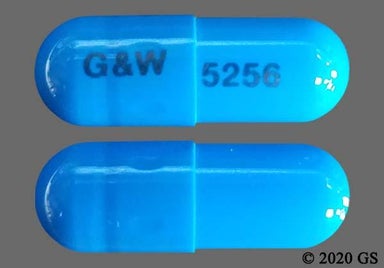
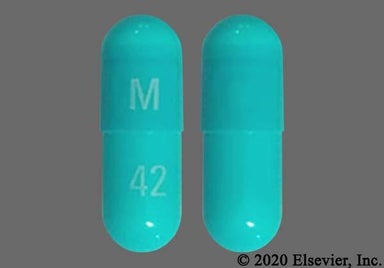
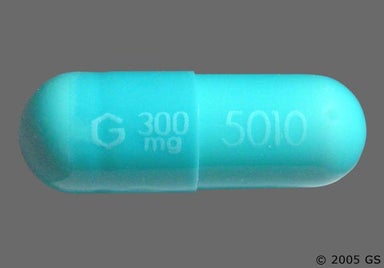
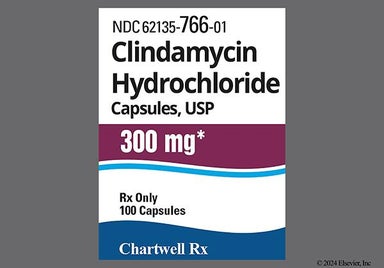
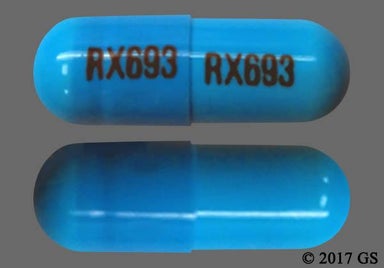
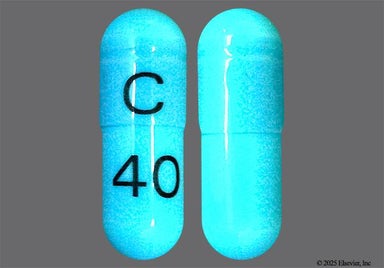
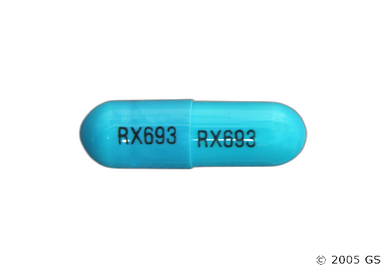
Clindamycin (Cleocin) images