Key takeaways:
Statins are the go-to treatment option for lowering cholesterol levels and the risk of cardiovascular events, such as heart attack and stroke, in certain people.
There are several statins to choose from. Your prescriber will select one based on your cholesterol levels, cardiovascular risk, and other factors.
Statins are generally well tolerated. Side effects can occur, but they’re often mild and manageable.
Save on related medications
High cholesterol is common, and it often doesn’t cause symptoms until a serious complication, like a heart attack or stroke, occurs. Lifestyle changes, such as starting a heart-healthy diet and regular exercise, can help. But many people need medication to lower their risk for serious cardiovascular events.
Statins are the most commonly prescribed cholesterol-lowering medications. They can lower low-density lipoprotein (LDL) cholesterol, or “bad” cholesterol, by 25% to 50% or more, depending on the medication and dose. They also help prevent plaque buildup in the arteries and reduce inflammation, which lowers the risk of cardiovascular events.
If you’ve been prescribed a statin or are considering one, here are 10 important things to know.
1. There are several statins to choose from
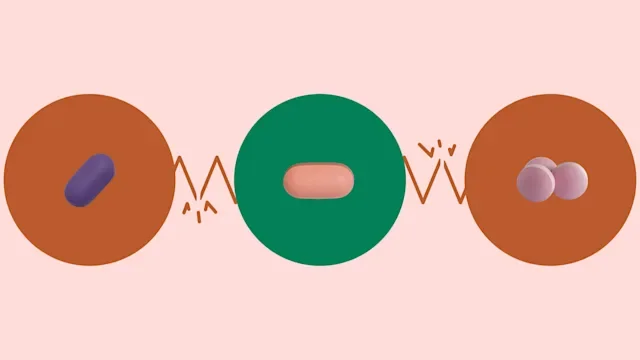
Statins aren’t one-size-fits-all medications. Each one lowers LDL cholesterol to a different degree. (How much a statin lowers LDL cholesterol is known as its “intensity.”) They also differ in terms of when you take them and what they interact with. And some statins come in a liquid form, which can be helpful if you have difficulty swallowing pills.
Common statin options include:
Atorvastatin (Lipitor, Atorvaliq)
Rosuvastatin (Crestor)
Simvastatin (Zocor, FloLipid)
Pitavastatin (Livalo)
Your prescriber will choose a statin based on your cholesterol levels, cardiovascular risk, and other factors.
2. Certain people can benefit more from taking a statin
Statins are especially helpful for people who have a higher risk of heart attack or stroke. This includes people who:
Have a history of cardiovascular disease
Have very high LDL cholesterol levels
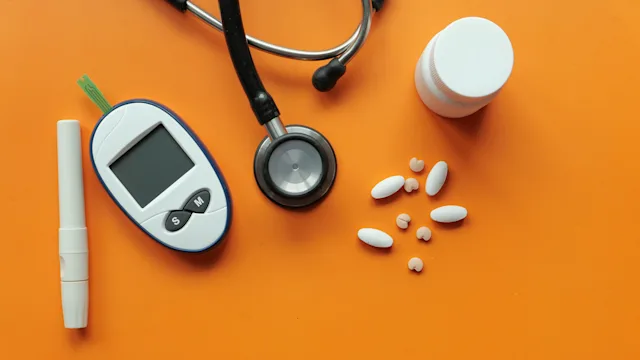
Have diabetes
Have a higher risk of heart disease due to factors such as older age, high blood pressure, or smoking
In other words, your cholesterol levels might not be the only factor to consider when deciding if a statin is right for you.
3. If you need a statin, you may end up taking it long term
Lifestyle changes, such as exercising more and quitting smoking, can help keep your cholesterol levels in check. But taking a statin long term may be important, too. This is especially true if you have a high risk for cardiovascular disease.
If your healthcare professional prescribes you a statin, you will likely take it until you’re at least 79 years old. And depending on your risk factors and how you tolerate treatment, they may have you take it for longer.

Read more like this
Explore these related articles, suggested for readers like you.



4. Most people don’t report side effects with statins, but side effects are possible
Statins are generally well tolerated. Many people who take them don’t experience any noticeable side effects. If you do have bothersome side effects, your prescriber may be able to help by lowering your dose or switching you to a different statin so you can continue treatment.
Common, typically mild side effects of statins include:
Muscle pain
Fatigue
Headaches
Nausea and vomiting
Diarrhea
In rare cases, statins can also cause serious side effects, such as:
Severe muscle damage (rhabdomyolysis): Statins can increase the amount of calcium inside a muscle cell. This can lead to proteins from damaged muscle being released into the blood, potentially leading to kidney failure.
Increased risk of diabetes: Statins help lower the risk of cardiovascular disease in people with diabetes. But they can also slightly raise the risk of developing diabetes — especially in people who already have risk factors for the condition. Even so, the benefits from statin therapy tend to outweigh this small increase in risk.
Liver damage: Statins can raise liver enzyme levels. And, in rare cases, serious liver damage has been reported. Your risk of liver damage may be higher if you have a history of liver disease or drink a lot of alcohol.
Stroke: If you have a history of hemorrhagic strokes, statins may raise your risk of having another one. A hemorrhagic stroke is a type of stroke caused by a ruptured blood vessel that bleeds into the brain.
Talk to your healthcare team if you have any questions or concerns about statin side effects.
5. Certain people may be more likely to experience muscle pain from statins
Muscle pain is one of the most commonly reported statin side effects. But some people may be more likely to be affected than others. This includes people who:
Are older
Take higher statin doses
Have a smaller body size
Have kidney or liver problems
Take certain medications that interact with statins
Have low vitamin D levels
If you develop muscle pain while taking a statin, talk to your prescriber. Adjusting your dose, switching statins, or addressing underlying factors may help reduce your symptoms.
6. Not all statins carry the same risk for muscle problems
While muscle pain is possible with all statins, you may be surprised to learn that it’s more common with certain ones. For example, simvastatin seems to be more likely to cause muscle problems in general. And fluvastatin seems to be the least likely to cause this side effect.
If you’re experiencing muscle pain with a statin, your prescriber may try switching you to a different one to see if that makes a difference.
7. You may not need to give up grapefruit juice completely
Grapefruit juice can affect how your liver breaks down certain statin medications. If this happens, it can increase the risk of side effects. This interaction is most significant with simvastatin, atorvastatin, and lovastatin.
That said, you may not need to avoid grapefruit entirely. There's evidence that suggests some people may be able to have moderate amounts without issues. But it’s best to check with your healthcare team about what’s safe for you.
8. Some people report memory problems, but research has yet to confirm a link to statins
People taking certain statins have reported memory problems. These issues tend to be reported more often with statins that cross the blood-brain barrier, such as simvastatin and atorvastatin. Though, in general, they also seem to be reversible once treatment is stopped.
Current research doesn’t support a definitive link between statins and memory problems. But if you experience memory issues while taking a statin, talk to your healthcare team. There are statin options, such as pravastatin and rosuvastatin, that don’t cross the blood-brain barrier.
9. Taking a generic statin could help you save money
Generic statins are as effective as their brand-name counterparts. They contain the same active ingredients as the brand-name versions and work the same to treat your cholesterol. Generic versions are also generally more affordable, which can make it easier to stick with treatment long term.
10. There are statin alternatives available if you can’t take or tolerate a statin
Statins are usually first-choice medications for high cholesterol. But if you can’t take them, have significant side effects, or need additional LDL lowering, there are other options available. Examples include:
Ezetimibe (Zetia): This oral medication is often added on to statin treatment, but it can also be taken on its own if you can’t tolerate statins.
Bempedoic acid (Nexletol): This oral medication helps lower cholesterol and has proven cardiovascular benefits. It also comes in a combination pill with ezetimibe called Nexlizet.
Bile acid sequestrants: These oral medications tend to be the safest option for lowering cholesterol. But they may not lower cholesterol as well as other medications. Examples of bile acid sequestrants include cholestyramine (Prevalite) and colestipol (Colestid).
PCSK9 inhibitors: These medications are very effective at lowering cholesterol. And, like statins, they can lower the risk of heart attack and stroke. The downside is that they can be very expensive. Injectable options include alirocumab (Praluent), evolocumab (Repatha), and lerodalcibep (Lerochol). Enliclitide (Lipfendra) is a new pill option.
Inclisiran (Leqvio): This is a newer injectable medication that’s given as two doses per year. It’s very effective at lowering cholesterol. But it’s not known yet if Leqvio has the same cardiovascular benefits as statins.
The best medication for you can depend on your medical history, cholesterol levels and goals, and age. Talk to your healthcare team about your options.
Frequently asked questions
There aren’t many foods you need to completely avoid while taking statins. But grapefruit and grapefruit juice can interact with certain statins — especially simvastatin, atorvastatin, and lovastatin — and increase the risk of side effects. So you may need to limit how much you consume. It’s also a good idea to limit alcohol, since both alcohol and statins can affect the liver.
On the other hand, following a heart-healthy diet that’s low in saturated fats and prioritizes fruits, vegetables, and whole grains can help your medication work better.
Statins aren’t known to directly cause weight gain. Some people taking a statin may notice changes in their weight over time. But this is often related to lifestyle factors rather than the medication itself.
If you notice unexpected weight changes after starting a statin, talk to your healthcare team.
Statins are usually meant to be taken long term. Stopping treatment after a few months may cause your cholesterol levels to rise again, which can increase your risk of a heart attack or stroke.
If you’re thinking about stopping statin therapy, whether due to side effects or other concerns, talk to your prescriber. They may adjust your dose, switch you to a different medication, or suggest other options.
There aren’t many foods you need to completely avoid while taking statins. But grapefruit and grapefruit juice can interact with certain statins — especially simvastatin, atorvastatin, and lovastatin — and increase the risk of side effects. So you may need to limit how much you consume. It’s also a good idea to limit alcohol, since both alcohol and statins can affect the liver.
On the other hand, following a heart-healthy diet that’s low in saturated fats and prioritizes fruits, vegetables, and whole grains can help your medication work better.
Statins aren’t known to directly cause weight gain. Some people taking a statin may notice changes in their weight over time. But this is often related to lifestyle factors rather than the medication itself.
If you notice unexpected weight changes after starting a statin, talk to your healthcare team.
Statins are usually meant to be taken long term. Stopping treatment after a few months may cause your cholesterol levels to rise again, which can increase your risk of a heart attack or stroke.
If you’re thinking about stopping statin therapy, whether due to side effects or other concerns, talk to your prescriber. They may adjust your dose, switch you to a different medication, or suggest other options.
The bottom line
Statins are effective medications for lowering cholesterol and reducing the risk of heart attack and stroke. There are several available options that differ in terms of how much they lower LDL (“bad”) cholesterol, how they’re taken, and their potential interactions.
Statins can cause side effects. But these side effects are often mild and can usually be managed with a dose adjustment or a change in statin. Talk to your healthcare team to learn more about your options and whether a statin is right for you.

Why trust our experts?




References
Blumenthal, R. S., et al. (2026). 2026 ACC/AHA/AACVPR/ABC/ACPM/ADA/AGS/APhA/ASPC/NLA/PCNA guideline on the management of dyslipidemia: A report of the American College of Cardiology/American Heart Association Joint Committee on Clinical Practice Guidelines. Circulation.
Laufs, U., et al. (2015). Treatment options for statin-associated muscle symptoms. Deutsches Ärzteblatt international.
LiverTox: Clinical and Research Information on Drug-Induced Liver Injury. (2017). Bile acid resins or sequestrants. National Institute of Diabetes and Digestive and Kidney Diseases.
Newman, C. B., et al. (2018). Statin safety and associated adverse events: A scientific statement from the American Heart Association. Arteriosclerosis, Thrombosis, and Vascular Biology.
Reddy, P., et al. (2011). Serum concentrations and clinical effects of atorvastatin in patients taking grapefruit juice daily. British Journal of Clinical Pharmacology.