Key takeaways:
Daily basal insulins have long been a standard treatment option for certain people with Type 2 diabetes. But two new insulins, Awiqli (insulin icodec-abae) and Onswik (insulin efsitora alfa-gobe), offer once-weekly options for some people.
Weekly insulin reduces the number of injections needed. But daily insulin may offer more flexibility for adjusting doses and managing changing blood glucose (sugar) needs.
The best insulin option depends on your lifestyle, blood sugar goals, and preferences. Cost and insurance coverage are also important considerations.
Save on related medications
Insulin is an important treatment option for many people living with Type 2 diabetes. Traditionally, long-acting (“basal”) insulins have been injected once or twice daily. But newer once-weekly basal insulins are changing how some people manage diabetes.
Weekly insulin may sound simpler and more convenient. But fewer injections don’t necessarily mean it’s the best choice for everyone. Daily and weekly insulin have their own benefits and safety considerations.
Here’s how daily and weekly insulin compare, and how to think about which option may fit your needs best.
What is daily insulin?
Daily basal insulin usually refers to long-acting insulin that’s injected once or twice a day. It helps keep blood sugar levels stable between meals and overnight. Most daily basal insulins have effects lasting for about 24 hours; some last even longer.
Common examples include:
Lantus (insulin glargine)
Basaglar (insulin glargine)
Toujeo and Toujeo Max (insulin glargine)
Tresiba (insulin degludec)
Some people may use daily basal insulin along with fast-acting insulin at mealtime.
What is weekly insulin?
Weekly insulin is a newer type of long-acting basal insulin. It’s injected once every 7 days instead of every day. Awiqli (insulin icodec-abae) and Onswik (insulin efsitora alfa-gobe) are two FDA-approved weekly insulins for adults with Type 2 diabetes.
Like daily basal insulin, weekly insulin helps manage blood sugar levels between meals and overnight. But because it lasts for an entire week, dose adjustments happen more slowly and may require closer planning.
Weekly insulin may reduce treatment burden, especially for people who struggle to remember daily injections.
Daily vs. weekly insulin: Key differences
Daily and weekly insulin are both effective options. But there are several important differences to consider.
Dose frequency and convenience
The biggest difference is how often injections are needed. Daily basal insulin requires injections every day. Weekly insulin requires only 1 injection per week. For some people, this may make diabetes treatment feel easier and less disruptive. Others may prefer a daily routine.
Weekly insulin may be especially appealing for people who:
Frequently forget daily insulin doses
Feel overwhelmed by injections
Want a simpler routine
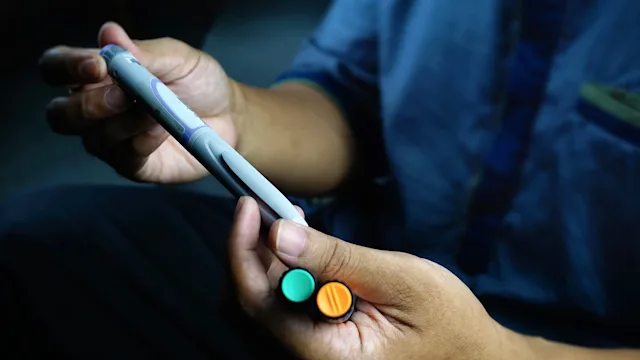
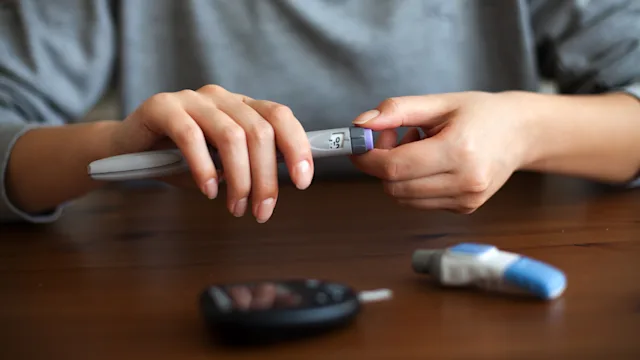
Another consideration is dosage forms. Awiqli and Onswik come in prefilled injection pens. Many daily basal insulins are available in pens too. But some also come in vials, which may be preferred by some people.
Blood sugar management and flexibility
Studies have compared weekly and daily basal insulins, looking at how well they manage blood sugar levels in adults with Type 2 diabetes. This includes their effect on average blood sugar levels over 3 months (hemoglobin A1C; HbA1c or A1C) and the percentage of the day blood sugar that stays within the target range (time-in-range, or TIR).
Results have shown that weekly insulins lowered A1C as well as once-daily insulins. Research has also shown that Awiqli achieved similar — or better — TIR results compared with once-daily insulin. Onswik has also shown similar TIR to daily insulin.
Still, daily insulin may offer more flexibility when blood sugar needs change quickly, such as during illness, medication changes, or shifts in eating habits and activity levels. Weekly insulin stays in the body much longer. So dose adjustments may happen more gradually and require closer monitoring.
Risk of hypoglycemia and other side effects
Both daily and weekly insulin can cause side effects. These include low blood sugar (hypoglycemia), weight gain, and injection site reactions. Studies of weekly insulins, including Awiqli and Onswik, suggest their overall safety profile is similar to daily basal insulin for many people with Type 2 diabetes.
Hypoglycemia risk: Most studies found similar rates of clinically significant or severe low blood sugar episodes between weekly and daily insulin, though some studies showed higher rates with weekly insulin in certain groups.
Hypoglycemia recovery: Because weekly insulin stays in the body longer, researchers have also studied whether low blood sugar episodes last longer. A small study found that recovery time from hypoglycemia appears similar between weekly and daily insulin. But evidence is limited and more research is needed.
Weight gain: Weight-gain findings have also been mixed. Some studies have found slightly greater weight gain with weekly insulin. Others showed little difference.
Researchers are still learning how weekly insulin compares with daily insulin in real-world use.
Monitoring requirements
Whether you use daily or weekly insulin, regular sugar monitoring remains important. This may involve finger-stick blood sugar checks, a continuous glucose monitor, or both.
Because weekly insulin stays in the body longer, your healthcare team may monitor you more closely when you’re:
Starting treatment
Adjusting your dose
Recovering from an illness
Experiencing significant changes in diet, exercise, or routine
Communicating with your healthcare team is important when starting or switching insulin therapies. Tell them if you notice more frequent hypoglycemia episodes, consistently high blood sugar readings, or other changes in your blood sugar patterns. They can help determine whether your insulin dose or treatment plan needs to be adjusted.
Cost and insurance coverage
Daily insulin options may be more widely covered by insurance plans. Some, such as Lantus, have biosimilars or unbranded versions. As a biologic medication, insulin has biosimilars (highly similar versions) rather than traditional generics. This may help lower costs. Unbranded insulins are also available. These are the same insulin products sold without the brand name.
Because weekly insulin is newer, cost and insurance coverage may vary more significantly. Some insurance plans may require prior authorization or step therapy before approving coverage. It’s a good idea to check with your plan about their requirements.
If daily or weekly insulin isn’t covered, or if your copay is still high, GoodRx coupons, manufacturer copay savings cards, and patient assistance programs can help you save on your prescription.
How to choose
If you’re using daily basal insulin and considering a switch to weekly insulin, there are several factors to consider. Examples include your routine, blood sugar patterns, and treatment preferences.
Daily insulin may be a better fit if you:
Need frequent dose adjustments
Have changing schedules or eating habits
Are comfortable with or prefer daily injections
Want more flexibility with doses
Weekly insulin may be a better fit if you:
Want fewer injections
Prefer a simpler treatment routine
Sometimes forget daily doses
Have stable insulin needs
Your healthcare team can help you weigh the benefits and risks of each option.
Frequently asked questions
Not necessarily. Weekly insulin may be more convenient for some people because it requires fewer injections. But daily insulin may offer more flexibility for adjusting doses and managing changing blood sugar needs. The best option depends on your individual situation.
Yes, some people may be able to switch from daily basal insulin to weekly insulin under the guidance of a healthcare professional. Your prescriber will determine the right starting dose and monitor your blood sugar during the transition.
Yes, Awiqli became the first FDA-approved weekly insulin in March 2026. Its approval was followed by Onswik in September 2026.
Not necessarily. Weekly insulin may be more convenient for some people because it requires fewer injections. But daily insulin may offer more flexibility for adjusting doses and managing changing blood sugar needs. The best option depends on your individual situation.
Yes, some people may be able to switch from daily basal insulin to weekly insulin under the guidance of a healthcare professional. Your prescriber will determine the right starting dose and monitor your blood sugar during the transition.
Yes, Awiqli became the first FDA-approved weekly insulin in March 2026. Its approval was followed by Onswik in September 2026.
The bottom line
Daily basal insulin has been a standard treatment option for certain people living with Type 2 diabetes. New once-weekly insulins, Awiqli (insulin icodec-abae) and Onswik (insulin efsitora alfa-gobe), may be more convenient for some people.
Both options can effectively manage blood glucose (sugar) levels. But the best choice depends on your treatment goals, lifestyle, and preferences.

Why trust our experts?



References
Akmal, M., et al. (2026). Efficacy of once‐weekly insulin efsitora versus once‐daily basal insulin in type 2 diabetes: A systematic review and meta‐analysis. Diabetes, Obesity and Metabolism.
American Diabetes Association. (n.d.). Life with diabetes: Planning for sick days.
Ashraf, T., et al. (2025). Once-weekly insulin icodec vs. daily insulin glargine in Type 2 diabetes: A meta-analysis with longitudinal insights. Annals of Medicine & Surgery.
Eli Lilly and Company. (2025). Lilly’s once-weekly insulin efsitora alfa demonstrated A1C reduction and a safety profile consistent with daily insulin in multiple phase 3 trials.
Eli Lilly and Company. (2026). Q1 2026 earnings call.
Endocrine Society. (n.d.). Happy medium action plan.
Hammad, N., et al. (2026). Comparative effectiveness of once-weekly insulin efsitora alfa in patients with Type 2 diabetes: A systematic review and meta-analysis of randomized controlled trials. Diabetes, Obesity, and Cardiometabolic CARE.
Heise, T., et al. (2024). Frequency and severity of hypoglycemia under conditions of increased hypoglycemic risk with insulin efsitora alfa versus insulin glargine treatment in participants with Type 2 diabetes. Diabetes therapy.
Novo Nordisk. (2026). FDA approves Novo Nordisk’s Awiqli, the first and only once-weekly basal insulin treatment for adults with Type 2 diabetes. PR Newswire.
Pham, D. Q., et al. (2025). Insulin icodec: A novel once-weekly formulation for the treatment of Type 1 or Type 2 diabetes mellitus. Reviews in Endocrine and Metabolic Disorders.
Pieber, T. R., et al. (2023). Hypoglycaemia frequency and physiological response after double or triple doses of once-weekly insulin icodec vs once-daily insulin glargine U100 in Type 2 diabetes: A randomised crossover trial. Diabetologia.
Rosenstock, J., et al. (2020). Once-weekly insulin for Type 2 diabetes without previous treatment. New England Journal of Medicine.