Key takeaways:
Awiqli (insulin icodec-abae) and Onswik (insulin efsitora alfa-gobe) are two FDA-approved, once-weekly basal (long-acting) insulins. They offer an alternative to daily basal insulin injections.
If you’re switching from daily basal insulin, your prescriber will calculate your weekly basal insulin dose based on your current dose. You may receive a higher one-time loading dose during the first week.
When switching from daily to weekly basal insulin, regular blood glucose (sugar) monitoring and communication with your healthcare team are especially important.
Save on related medications
For many people living with Type 2 diabetes, using daily basal (long-acting) insulin is part of their regular routine. But newer insulin options are changing what diabetes treatment can look like.
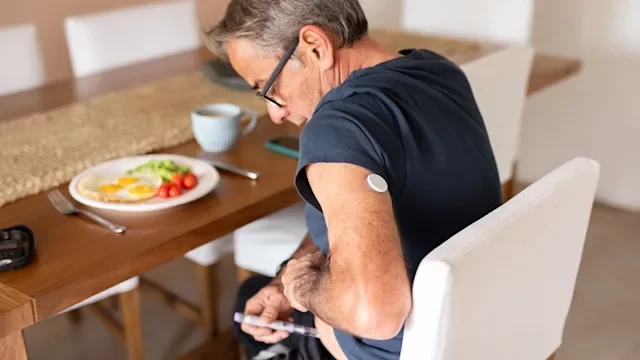
Awiqli (insulin icodec-abae) and Onswik (insulin efsitora alfa-gobe) are two FDA-approved, once-weekly basal insulins. Instead of injecting basal insulin every day, you only need to do an injection once a week with Awiqli or Onswik.
This may sound simpler, but switching from daily to weekly insulin requires some planning and monitoring. Here’s what to expect if you and your healthcare team decide weekly insulin is right for you.
What is weekly insulin?
Weekly insulin is a type of basal insulin that stays active in the body for a full week after an injection. Similar to daily basal insulin, it helps manage blood glucose (sugar) levels between meals and overnight.
The main advantage of weekly insulin is convenience. Instead of having to keep up with daily injections, you only need to remember to inject 1 dose every 7 days.
Awiqli was the first FDA-approved weekly insulin. Recently, the FDA approved a second option called Onswik. Both Awiqli and Onswik are approved for adults living with Type 2 diabetes.
How do you switch from daily to weekly insulin?
Switching from daily to weekly basal insulin doesn’t mean you’ll simply start injecting your daily dose once a week. Instead, your prescriber will use a dose conversion process to determine the appropriate weekly amount.
With Awiqli or Onswik, your starting weekly dose will be calculated based on your current daily basal insulin dose. You’ll also likely receive a one-time, higher dose (called a loading dose) for your first week of treatment. This helps the weekly insulin reach effective levels in your body faster. After that, you’ll inject your regular, weekly dose on the same day each week.
You’ll likely start Awiqli or Onswik the day after your last daily basal insulin dose. Your healthcare team will determine the correct dose and have you monitor your blood sugar closely during the transition.
What should you expect during the first few weeks?
The first few weeks of using once-weekly insulin are often an adjustment period. During this period, you and your healthcare team will find out how your body responds to weekly insulin.
Regular blood sugar monitoring
Regularly monitoring your blood sugar is especially important after switching to weekly insulin. This may involve doing finger-stick tests, using a continuous glucose monitor, or both. Close monitoring helps identify patterns, detect low blood sugar (hypoglycemia) if it occurs, and determine whether dose adjustments are needed.
Be sure to watch for signs and symptoms of low blood sugar, such as shakiness, sweating, or a fast heartbeat. This is especially important when starting treatment and after any dose changes.
Keep track of your blood sugar readings and any symptoms you experience. Sharing these details with your healthcare team can provide them with a more complete picture of how you’re responding to treatment.
Dose adjustments
Compared to daily insulin doses, weekly insulin doses are adjusted less frequently because the effects of an injection last for an entire week.
Your healthcare team may review your blood sugar readings and adjust your dose gradually if needed. Because it takes longer to determine the effects of an adjustment, it may take several weeks to months to find the dose that works best for you.
Follow-up with your healthcare team
Communicating with your healthcare team is also especially important during the transition to weekly insulin. Contact your healthcare team if you notice:
More frequent episodes of low blood sugar
Consistently high blood sugar readings
Significant changes in your blood sugar patterns
Side effects — or have concerns about your treatment
Regular check-ins can help your healthcare team determine whether your insulin dose is working as intended and allow them to make adjustments if needed.
What happens if you miss a weekly insulin dose?
Because weekly insulin is only injected once every 7 days, it’s best to inject your dose on the same day each week. But if you miss a dose, don’t panic. There are steps you can take to get back on track.
The best course of action depends on which insulin you’re using and how much time has passed since you missed your dose.
Insulin | 4 days or less since missed dose | More than 4 days since missed dose |
|---|---|---|
Awiqli | Inject the missed dose as soon as possible. Use the day you inject it as your new weekly dose day going forward. | Skip the missed dose and inject your next dose on the scheduled day. |
Onswik | Inject the missed dose as soon as possible. Then, return to your regular weekly schedule with the next dose. | You have two options: • Skip the missed dose and inject your next dose on the scheduled day. • Inject the missed dose, and use the day you inject it as your new weekly dose day going forward. |
To help avoid missed doses, consider setting a phone reminder, marking your calendar, or linking your injections to another weekly routine or activity. A medication reminder app can also help you stay on schedule.
The bottom line
Awiqli (insulin icodec-abae) and Onswik (insulin efsitora alfa-gobe) are two FDA-approved, once-weekly basal (long-acting) insulins. They offer a new alternative to daily insulin injections.
Switching to weekly insulin can help simplify your treatment routine. But you’ll need to monitor your blood sugar closely and communicate regularly with your healthcare team for a safe and successful transition.

Why trust our experts?



References
Eli Lilly and Company. (2026). Onswik (insulin efsitora alfa-gobe) injection, for subcutaneous use [package insert].
Novo Nordisk. (2026). Awiqli - insulin icodec-abae injection, solution [package insert]. DailyMed.
Rosenstock, J., et al. (2024). The basis for weekly insulin therapy: Evolving evidence with insulin icodec and insulin efsitora alfa. Endocrine Reviews.